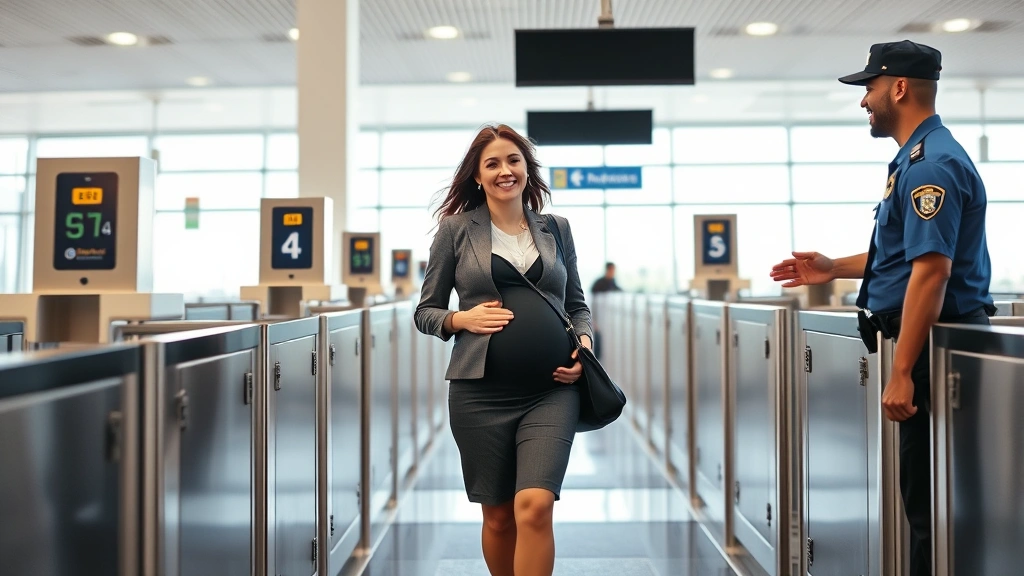
Pregnant Travel Safety: Airport Security Insights
Traveling while pregnant requires careful planning and understanding of airport security procedures designed to protect both mother and baby. Modern security screening technologies, from metal detectors to advanced imaging systems, have raised legitimate concerns among expectant mothers about radiation exposure and safety protocols. This comprehensive guide addresses the intersection of pregnancy and airport security, providing evidence-based information to help you navigate air travel confidently during your pregnancy.
Airport security screening has evolved significantly over the past two decades, incorporating sophisticated detection methods that prioritize passenger safety while maintaining security integrity. Pregnant travelers often worry about potential risks from security scanners, X-ray machines, and other screening equipment. Understanding how these systems work, what the scientific evidence shows, and what accommodations are available can transform airport security from a source of anxiety into a manageable part of your travel experience.
The Transportation Security Administration (TSA) and international aviation authorities have established specific guidelines for pregnant passengers, recognizing that expectant mothers have unique needs and concerns. Whether you’re traveling in your first trimester or third trimester, knowing your rights and the available options empowers you to make informed decisions about your health and your baby’s wellbeing.
Understanding Airport Security Screening Technologies
Modern airports employ multiple layers of security screening, each designed to detect different types of threats while minimizing passenger disruption. The primary screening technologies include walk-through metal detectors, backscatter X-ray machines, millimeter wave scanners, and manual pat-down searches. Understanding how each system works helps pregnant travelers make informed decisions about which screening method they’re comfortable with.
Walk-through metal detectors use electromagnetic fields to identify metallic objects on your person. These detectors emit radiofrequency energy at levels far below those that could harm a fetus. Metal detectors have been used in airport security for decades and have an excellent safety record. They pose no radiation exposure risk and are completely safe during pregnancy.
Advanced Imaging Technology (AIT) scanners come in two primary types: backscatter X-ray systems and millimeter wave scanners. Backscatter systems use low-dose X-ray technology, while millimeter wave scanners use non-ionizing radiofrequency waves. The key difference affects radiation exposure considerations, which we’ll explore in detail in the next section. Many modern airports have phased out backscatter systems in favor of millimeter wave technology, which uses non-ionizing radiation.
Manual pat-down searches involve a TSA officer physically patting down your clothing to detect concealed items. During pregnancy, you can request a same-gender officer and specify any areas of discomfort. This screening method poses absolutely no health risks to you or your baby, though it may feel more intrusive than other options.
Understanding these different screening modalities empowers you to choose the option that makes you most comfortable. If you’re concerned about radiation exposure, you can request a metal detector screening followed by a manual pat-down instead of advanced imaging technology.
Radiation Exposure Risks and Scientific Evidence
The most common concern pregnant travelers express involves radiation exposure from airport security screening. The scientific evidence on this topic is reassuring: the radiation doses from airport security systems are extraordinarily small and well below any threshold that could harm a developing fetus.
Millimeter wave scanners, which are now standard at most major U.S. airports, emit non-ionizing radiation. This type of radiation does not damage DNA or increase cancer risk. The energy levels are comparable to radio waves and are far too low to penetrate the skin or affect a fetus. NIST guidelines on radiation safety confirm that millimeter wave technology poses negligible health risks.
For the less common backscatter X-ray systems, the dose is extremely low—approximately 0.005 to 0.01 millisieverts per scan. To put this in perspective, a typical CT scan delivers 5-10 millisieverts, and the average annual background radiation exposure is about 2-3 millisieverts. The dose from a single airport security scan is roughly one-thousandth of a CT scan. The fetal dose from backscatter imaging is even lower, estimated at less than 1 microrem per scan.
The American College of Obstetricians and Gynecologists (ACOG) states that the radiation exposure from airport security screening is below the threshold of 5 rads (50 mGy) below which no increase in fetal anomalies has been demonstrated. In fact, you receive more radiation exposure from the cosmic radiation encountered during the actual flight than from all the airport security screening combined.
Research from the CDC on radiation exposure during pregnancy confirms that exposures below 50 mGy are not associated with increased risk of birth defects or childhood malignancy. Airport security screening delivers doses thousands of times lower than this safety threshold.
If you’re still concerned about radiation exposure, remember that you can request alternative screening methods. Opting for a metal detector followed by a manual pat-down completely eliminates any radiation exposure while still maintaining airport security effectiveness. This option is available to all passengers, including pregnant travelers.
TSA Guidelines for Pregnant Travelers
The TSA has specific protocols and accommodations for pregnant passengers to ensure your comfort and safety during airport security screening. These guidelines recognize that pregnancy creates unique circumstances that warrant special consideration.
According to TSA policy, you are not required to go through advanced imaging technology if you have concerns about pregnancy. You can request a standard metal detector screening instead. If the metal detector is alarmed, you can request a manual pat-down as an alternative to backscatter imaging or additional advanced imaging scans.
You have the right to inform TSA officers about your pregnancy status. While you’re not required to disclose it, doing so can help officers understand any requests for alternative screening methods and may allow them to expedite the process or provide additional privacy if needed.
Pregnant travelers may request a private screening area if they feel uncomfortable being screened in public view. TSA officers can conduct pat-downs in a private space with a companion of your choice present. This accommodation helps ensure your dignity and comfort during the screening process.
The TSA website provides comprehensive information about TSA screening procedures and passenger rights. Familiarizing yourself with these guidelines before traveling helps you understand exactly what to expect and what options are available to you.
Opting Out of Advanced Imaging Systems
You have the explicit right to opt out of advanced imaging technology at any time, for any reason, without penalty or additional screening requirements beyond standard protocols. This is an important passenger right that applies to all travelers, including pregnant women.
To opt out, simply inform the TSA officer at the security checkpoint that you prefer not to use the advanced imaging scanner. You can say something like: “I’d like to opt out of the imaging scanner and request a metal detector screening instead.” TSA officers are trained to accommodate these requests without making you feel uncomfortable or rushed.
When you opt out of advanced imaging, the standard procedure is to direct you through a walk-through metal detector. If the metal detector alarms, you’ll be offered a manual pat-down search. This combination of screening methods is completely effective at detecting threats while eliminating any radiation exposure concerns.
Some pregnant travelers choose to opt out simply for peace of mind, even though the radiation exposure is negligible. The psychological comfort of knowing you’re not being exposed to any radiation, however minimal, can be worth the slightly longer screening process. The choice is entirely yours.
If you opt out and the metal detector alarms, don’t be alarmed. This is a normal part of the screening process. Items like jewelry, underwire bras, or metal in your shoes commonly trigger metal detectors. The TSA officer will conduct a pat-down to identify the source of the alarm. During pregnancy, you can request that the officer avoid pressing firmly on your abdomen.
Medical Documentation and Clearance
While medical documentation is not required for airport security screening during pregnancy, some expectant mothers choose to obtain a letter from their healthcare provider for peace of mind. This documentation can be helpful if you want to explain your pregnancy status to TSA officers or if you have specific medical concerns.
A letter from your obstetrician or midwife stating that air travel is medically appropriate for your pregnancy can serve multiple purposes. It documents that you’ve received medical clearance to fly, which can be helpful if you have complications or health concerns. The letter can also explain any special accommodations you might need, such as requests to avoid abdominal pressure during pat-downs.
Most airlines require medical clearance for pregnant passengers traveling after 36 weeks of gestation, so having documentation from your healthcare provider is important for flight booking anyway. This same documentation can be presented to TSA officers if you want to explain your pregnancy or any accommodations you’re requesting.
If you have a high-risk pregnancy or specific medical concerns, consulting with your healthcare provider before traveling is essential. They can advise you on whether air travel is appropriate for your specific situation and provide documentation if needed.
Keep in mind that TSA officers are not medical professionals and cannot provide medical advice. If you have specific health concerns related to airport security screening, discussing them with your obstetrician is the appropriate course of action.
Practical Airport Security Tips
Beyond understanding the technical aspects of airport security, practical strategies can make your security screening experience smoother and more comfortable during pregnancy.
Arrive Early: Give yourself extra time at the airport. Pregnancy-related discomforts and the need for bathroom breaks mean you might move more slowly than usual. Arriving early reduces stress and gives you time to address any security concerns without rushing.
Wear Appropriate Clothing: Choose loose-fitting, easy-to-remove clothing. Avoid excessive jewelry or metal accessories that might trigger metal detectors. Wear slip-on shoes to speed up the security process. Comfortable clothing also helps you feel less self-conscious during screening.
Communicate Your Status: Consider wearing a maternity band or carrying a note indicating your pregnancy. While you’re not required to disclose your pregnancy, doing so can help TSA officers understand any special requests you might have and can sometimes expedite the process.
Hydration and Bathroom Access: Use the bathroom before going through security. After security screening, locate the nearest restroom. Pregnancy increases urinary frequency, and knowing where bathrooms are located reduces stress.
Request Assistance: Don’t hesitate to ask for help. TSA officers can assist you with bags, can help you balance while removing shoes, or can provide extra space if you need it. Most officers are accommodating when they understand you’re pregnant.
Know Your Rights: Familiarize yourself with TSA guidelines before you travel. Knowing that you can request specific screening methods gives you confidence and control during the process. Visit the TSA website to review current procedures.
Bring Documentation: If you have medical clearance from your healthcare provider, carry it with you. While not required for security screening, it can be helpful if you need to explain your pregnancy to TSA officers or if you have specific accommodations to request.
Stay Calm and Patient: Remember that airport security procedures are designed to protect all passengers. TSA officers are trained professionals who encounter pregnant travelers regularly. Most are sympathetic and accommodating when you explain your concerns.
International Travel Considerations
If you’re traveling internationally while pregnant, security procedures vary by country and airport. Many international airports use similar technology to U.S. airports, but procedures and accommodations may differ.
Research the specific airports where you’ll be traveling. Major international airports typically have information available about security procedures and accommodations for pregnant passengers. Some countries have different guidelines about radiation exposure and may offer different screening options.
European airports, for example, often use millimeter wave scanners similar to those in the United States. However, some international airports may still use backscatter X-ray technology or may not have formal accommodations for pregnant travelers. Knowing what to expect helps you prepare.
Contact your airline before traveling internationally while pregnant. Airlines have specific policies about pregnancy, and some airlines require medical clearance or restrict travel after certain gestational ages. Getting this information early prevents complications at the airport.
Language barriers can complicate communication with security officers in international airports. Consider having a written statement in the local language explaining that you’re pregnant and prefer certain screening methods. This can facilitate communication if you need to request specific accommodations.
Travel insurance that covers pregnancy-related complications is particularly important for international travel while pregnant. This protects you financially if you need medical care abroad and ensures you have access to quality healthcare if any complications arise.
Check with your healthcare provider about traveling internationally while pregnant. Some pregnancies, particularly those with complications, are not suitable for international travel. Your doctor can advise you on the safety and advisability of your specific trip.
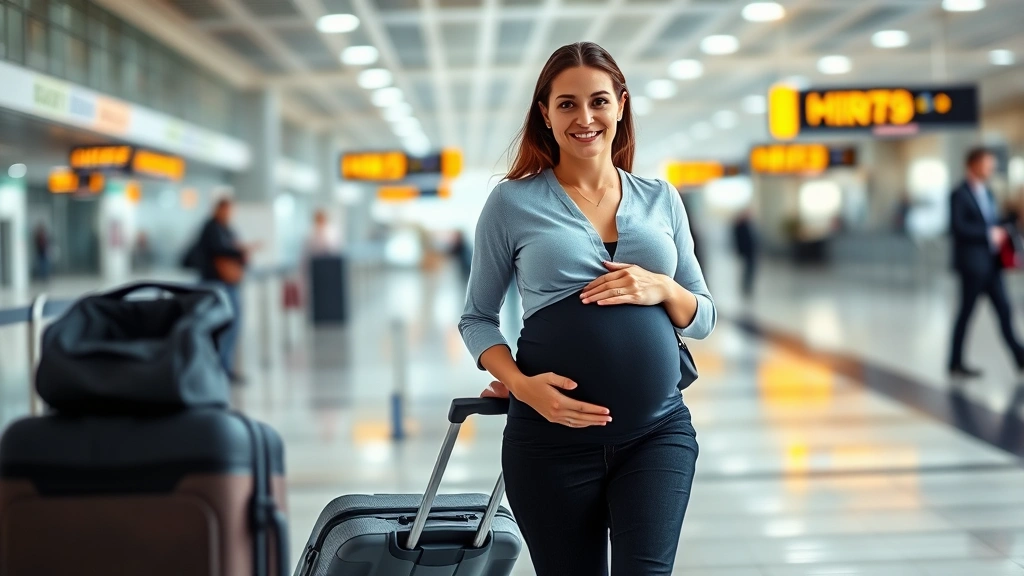
” alt=”Pregnant woman confidently walking through airport terminal with rolling luggage, calm expression, natural lighting, professional travel setting”>
Pregnancy and Air Travel Beyond Security
While airport security is an important consideration, pregnancy affects your air travel experience in other ways as well. Understanding the complete picture of flying while pregnant helps you prepare comprehensively.
Deep vein thrombosis (DVT) is a potential risk during pregnancy, particularly on long flights. The combination of pregnancy hormones and prolonged immobility increases clot risk. To reduce this risk, move around the cabin regularly, do leg exercises while seated, stay hydrated, and consider compression stockings for flights longer than 4 hours.
Dehydration is more common during pregnancy and can be exacerbated by air travel. Aircraft cabins have low humidity, and pregnancy increases fluid needs. Drink plenty of water throughout your flight and avoid caffeine and alcohol, which increase dehydration.
Airline seat belt positioning is important during pregnancy. Position the lap belt below your belly, across your hips, not across your abdomen. This protects both you and your baby in case of turbulence or an accident.
Many airlines restrict travel for pregnant passengers, particularly in the third trimester. Most airlines allow travel up to 36 weeks of gestation for uncomplicated pregnancies but require documentation. Some airlines have more restrictive policies. Check with your specific airline before booking.
Timing your travel to avoid peak nausea periods (usually first trimester) and excessive discomfort (usually third trimester) makes travel more comfortable. Many pregnant women find the second trimester the most comfortable time to travel.
Understanding Your Consumer Rights
As a pregnant passenger, you have specific consumer rights related to both air travel and airport security. Understanding these rights empowers you to advocate for yourself effectively.
You have the right to refuse security screening methods that make you uncomfortable. If you opt out of advanced imaging, this is not grounds for refusing you air travel or treating you differently. You cannot be penalized for requesting alternative screening methods.
You have the right to request a female TSA officer for pat-down searches. While TSA tries to accommodate this request, availability may vary. Requesting this accommodation is completely acceptable and should not delay your screening significantly.
You have the right to have a companion of your choice present during pat-down screening. This companion can provide emotional support and serve as a witness to the screening process. Having your partner, family member, or friend present can increase your comfort level.
You have the right to request a private screening area if you’re uncomfortable being screened in public view. This accommodation is available for all passengers and is particularly relevant for pregnant women who may feel self-conscious about their appearance or about disclosing their pregnancy status.
If you feel your rights have been violated or you’ve been treated disrespectfully during security screening, you can file a complaint with the TSA. The TSA takes passenger complaints seriously and uses this feedback to improve their procedures and training.
Airlines also have passenger rights policies, particularly regarding accommodations for pregnant travelers. If you feel an airline has treated you unfairly, document the incident and contact the airline’s customer service department with your complaint.
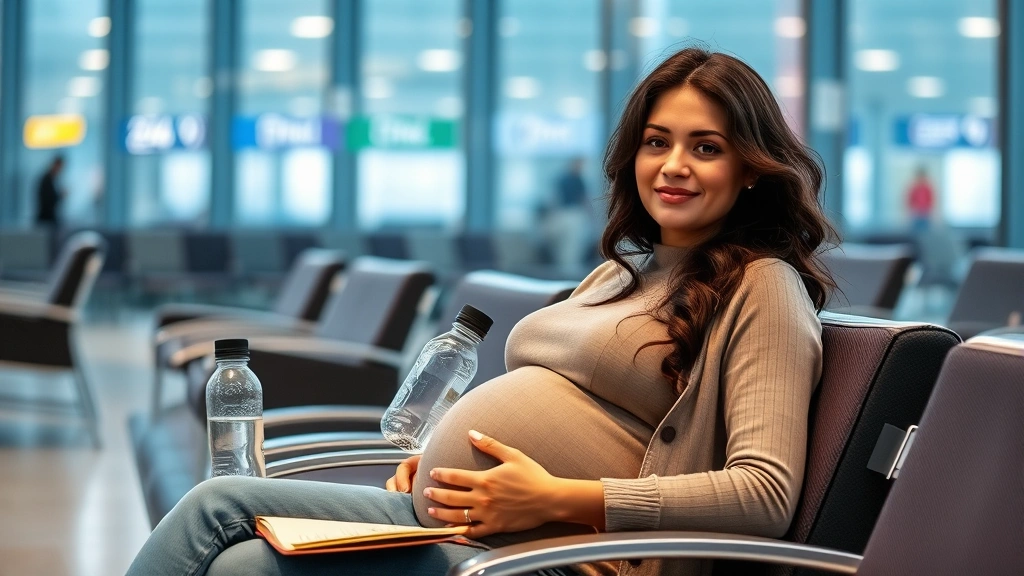
” alt=”Pregnant woman sitting comfortably in airport lounge area with water bottle and reading material, relaxed posture, peaceful expression, modern airport environment”>
Frequently Asked Questions
Is airport security screening safe during pregnancy?
Yes, airport security screening is safe during pregnancy. Both metal detectors and advanced imaging systems (millimeter wave scanners) emit radiation doses far below levels that could harm a fetus. The American College of Obstetricians and Gynecologists confirms that airport security screening poses no increased risk to pregnancy. If you prefer to avoid any radiation exposure whatsoever, you can request a metal detector followed by a manual pat-down instead of advanced imaging.
Can I refuse to go through security screening while pregnant?
You cannot refuse airport security screening entirely—it’s required for all passengers. However, you can choose which screening method you prefer. You can opt out of advanced imaging technology and request a metal detector screening instead, or you can request a manual pat-down. These alternative screening methods are equally effective at detecting threats.
Do I need medical documentation to fly while pregnant?
Medical documentation is not required by TSA for airport security screening. However, most airlines require medical clearance from your healthcare provider if you’re traveling after 36 weeks of gestation. Having documentation from your obstetrician is helpful and recommended, particularly if you have any pregnancy complications or health concerns.
What should I do if the metal detector alarms during pregnancy screening?
If the metal detector alarms, a TSA officer will conduct a pat-down search to identify the source of the alarm. This is a normal part of the screening process and is not a cause for concern. During pregnancy, you can request that the officer avoid pressing firmly on your abdomen. Common causes of alarms include jewelry, underwire bras, and metal in shoes.
Can I request a female TSA officer for screening?
Yes, you can request a female TSA officer for pat-down screening. The TSA will make every effort to accommodate this request, though availability may vary depending on staffing at your specific airport. Making this request is completely acceptable and should not delay your screening significantly.
Is it safe to fly while pregnant?
For uncomplicated pregnancies, air travel is generally safe up to 36 weeks of gestation. However, individual circumstances vary. You should consult with your healthcare provider about the safety and advisability of air travel for your specific pregnancy. Certain pregnancy complications may make flying inadvisable, so medical clearance is important.
What can I do to make airport security more comfortable while pregnant?
Arrive early to avoid rushing, wear loose-fitting comfortable clothing, communicate your pregnancy status to TSA officers, request a female officer if you prefer, ask for private screening if desired, and remember that you can request specific screening methods. These strategies help make the security process smoother and less stressful.
How much radiation exposure occurs during airport security screening?
Radiation exposure from airport security screening is extremely low. Millimeter wave scanners emit non-ionizing radiation with negligible health effects. Backscatter X-ray systems (less common now) deliver approximately 0.005-0.01 millisieverts per scan, which is about one-thousandth of a CT scan and well below any threshold associated with fetal harm. You receive more radiation exposure from cosmic radiation during the actual flight than from security screening.
What are my rights if I’m treated disrespectfully during security screening?
If you feel your rights have been violated or you’ve been treated disrespectfully, you can file a complaint with the TSA. Document the incident with details about what occurred, when it happened, and which airport and officers were involved. The TSA takes passenger complaints seriously and uses feedback to improve procedures and training.


