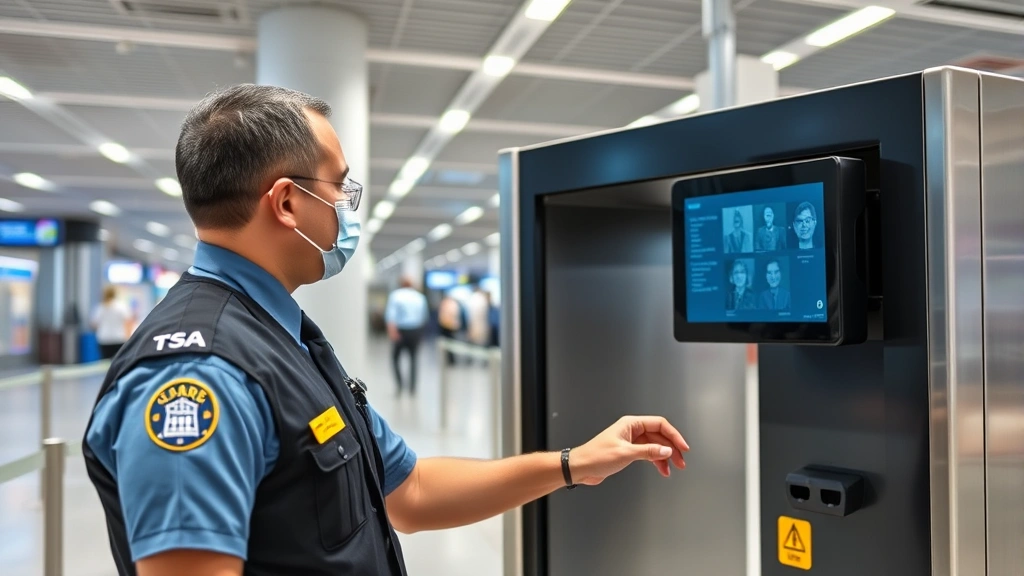
Airport Security Jobs: Key Roles and Requirements
Airport security represents one of the most critical infrastructure protection sectors in modern transportation systems. With millions of passengers traversing airports daily across the globe, the demand for qualified security professionals continues to grow exponentially. These dedicated individuals form the frontline defense against potential threats, operating within a complex framework of federal regulations, advanced technologies, and evolving threat landscapes.
The airport security workforce encompasses diverse roles ranging from screening officers who inspect passengers and baggage to cybersecurity specialists protecting airport IT infrastructure. Each position demands specific qualifications, training certifications, and adherence to rigorous security protocols. Understanding these airport security jobs and their requirements is essential for anyone considering a career in this vital sector or for airport administrators seeking to build robust security teams.

Transportation Security Officer (TSO) Roles and Responsibilities
Transportation Security Officers form the backbone of airport security operations, serving as the primary screeners for passengers, carry-on baggage, and checked luggage. These frontline professionals work under the Transportation Security Administration (TSA) framework, implementing standardized screening procedures that protect aviation systems from threats. TSOs operate advanced imaging technology, explosive detection systems, and metal detectors while maintaining vigilance for suspicious items or behaviors.
The role demands exceptional attention to detail, as officers must identify potential threats within seconds while processing hundreds of passengers daily. TSOs follow strict protocols established by CISA and federal security guidelines, ensuring consistency across all U.S. airports. Basic requirements include U.S. citizenship, a valid state-issued ID, pass a thorough background investigation, and obtain a Top Secret security clearance. Candidates must be at least 18 years old and possess a high school diploma or equivalent.
The TSO position offers competitive compensation, federal benefits, and opportunities for specialization. Officers can advance to PreCheck specialist roles, which involve vetting trusted travelers through expedited screening programs. Additional responsibilities may include training newer officers, maintaining equipment, and contributing to security incident investigations. The position provides valuable experience in threat assessment and real-world security application.

Airport Cybersecurity Positions
As airports increasingly rely on interconnected digital systems for operations, communications, and passenger management, cybersecurity professionals have become indispensable to airport security infrastructure. These specialists protect critical systems from cyber threats that could compromise operational safety, passenger information, or aviation network integrity. Airport cybersecurity jobs encompass network security analysts, information security officers, incident response specialists, and security architects.
Network security analysts monitor airport IT systems for suspicious activities, implement firewalls and intrusion detection systems, and respond to potential breaches. Information security officers develop comprehensive security policies aligned with NIST cybersecurity frameworks and federal aviation security standards. These positions require bachelor’s degrees in computer science, information technology, or cybersecurity, along with industry certifications such as Security+ (CompTIA), CISSP, or CEH (Certified Ethical Hacker).
Cybersecurity roles in airport environments demand understanding of both traditional IT security and operational technology systems that control physical infrastructure. Professionals must stay current with emerging threats, participate in security awareness training, and conduct regular vulnerability assessments. The intersection of cybersecurity and airport security creates unique challenges requiring specialists who comprehend both digital and physical security domains. Compensation for cybersecurity positions significantly exceeds baseline security roles, reflecting the critical nature of these positions.
IMAGE_2
Security Management and Supervisory Positions
Leadership roles within airport security require experienced professionals capable of managing teams, implementing security policies, and responding to complex incidents. Security managers oversee TSO operations, coordinate with law enforcement agencies, and ensure compliance with federal regulations. These positions demand extensive experience in security operations, leadership training, and often advanced educational credentials.
Security directors hold responsibility for entire airport security programs, developing strategies that balance passenger convenience with threat mitigation. They work closely with airport management, TSA officials, and federal law enforcement to establish protocols addressing current and emerging threats. Requirements typically include 5-10 years of security experience, bachelor’s degrees in security management or related fields, and certifications such as CPP (Certified Protection Professional) or PSP (Professional Security Professional).
Supervisory positions bridge frontline operations and management, requiring officers to mentor staff while maintaining operational oversight. Supervisors conduct performance evaluations, investigate security incidents, and ensure standard operating procedures remain current. These roles offer career advancement opportunities for TSOs demonstrating leadership potential. The transition from officer to supervisor typically requires passing promotional examinations and completing management training programs.
Physical Security and Access Control Specialists
Physical security specialists design, implement, and maintain systems controlling access to restricted airport areas. These professionals work with badge readers, surveillance systems, biometric scanners, and perimeter security infrastructure. Access control specialists ensure that only authorized personnel enter sensitive zones including aircraft maintenance areas, baggage handling facilities, and operations centers.
The role requires technical knowledge of security systems, understanding of airport layout and operations, and ability to troubleshoot equipment malfunctions. Specialists conduct regular audits of access control systems, investigate unauthorized access attempts, and maintain detailed records of system activities. Many positions require security clearances and background investigations similar to TSO requirements. Training typically occurs through vendor-specific programs and on-the-job instruction.
Physical security specialists collaborate with IT departments to integrate access control systems with broader security networks. They respond to alerts indicating unusual access patterns and investigate potential security breaches. The role bridges physical and cybersecurity domains, requiring professionals who understand how digital systems protect physical spaces. Career advancement often leads to security engineering positions or management roles overseeing entire physical security programs.
K-9 Handler and Detection Specialists
K-9 units provide advanced threat detection capabilities that complement technological screening methods. Handlers work with specially trained dogs capable of detecting explosives, narcotics, or other contraband. These specialized positions combine animal handling expertise with security knowledge, requiring individuals who can manage dogs while maintaining vigilance in busy airport environments.
Becoming a K-9 handler typically requires first serving as a TSO or security officer, then applying for specialized training programs. The TSA operates K-9 training facilities where selected handlers undergo months of intensive instruction alongside their assigned dogs. The partnership between handler and dog develops through consistent training and bonding, creating effective detection teams that can screen passengers and baggage in real-time.
Detection specialists may also operate Advanced Imaging Technology (AIT) systems, explosive trace detection equipment, or biological detection devices. These roles require technical proficiency, certification in equipment operation, and understanding of detection science. The demand for specialized detection positions grows as airports implement advanced screening technologies. K-9 handlers earn competitive salaries reflecting the specialized nature of their work and the responsibility of managing valuable detection resources.
IMAGE_3
Career Development and Advancement Paths
Airport security careers offer structured advancement opportunities for motivated professionals. Entry-level TSO positions provide foundation experience, with advancement to senior TSO, supervisor, and management roles based on performance and examination results. Many airports encourage continuing education, supporting officers pursuing bachelor’s degrees or professional certifications.
Lateral movement opportunities exist across airport security specializations. A TSO might transition to cybersecurity roles after obtaining relevant certifications, or progress to physical security management. Professional development programs sponsored by airport authorities and the TSA provide training in emerging threats, leadership skills, and advanced technologies. The TSA careers website offers comprehensive information about federal positions and advancement pathways.
Specialized certifications enhance career prospects across all airport security positions. Security professionals might pursue CPP credentials, security management degrees, or technology-specific certifications. Participation in professional organizations such as ASIS International connects security professionals with peers, provides networking opportunities, and offers continuing education resources. Many airports support professional development by providing tuition assistance or paid training time.
The evolving threat landscape creates demand for professionals with specialized expertise. Officers demonstrating expertise in threat assessment, cybersecurity, or emerging technologies gain access to advanced positions and higher compensation. Federal security clearances obtained through airport positions remain valuable across government and private sector security careers. Many professionals transition from airport security to homeland security agencies, law enforcement, or private security firms, leveraging their experience and clearances.
FAQ
What qualifications do I need to become a Transportation Security Officer?
TSO candidates must be U.S. citizens between 18 and 37 years old (with exceptions for veterans), possess a high school diploma or GED, and pass extensive background investigations including fingerprinting and medical examinations. You’ll need a valid state-issued ID, social security number, and must obtain a Top Secret security clearance. The TSA conducts thorough vetting of financial history, criminal records, and employment background.
How much do airport security jobs pay?
TSO salaries typically range from $35,000 to $45,000 annually, with increases based on experience and location. Supervisory positions earn $50,000-$65,000, while management roles and specialized positions like cybersecurity can exceed $80,000. Federal benefits including health insurance, retirement plans, and paid leave significantly enhance total compensation packages.
What certifications help advance airport security careers?
Professional certifications valuable in airport security include CPP (Certified Protection Professional), PSP (Professional Security Professional), Security+ (CompTIA), CISSP (for cybersecurity roles), and specialized equipment certifications. Many airports encourage or require continuing education for advancement. The ASIS International organization provides professional development resources and certification programs recognized across security industries.
Are there remote or non-frontline airport security positions?
Yes, airports employ cybersecurity analysts, security planners, policy developers, and administrative professionals who work in office environments. Cybersecurity positions particularly offer remote work opportunities. Management, training, and compliance roles provide alternatives to frontline screening work while remaining within airport security operations.
How do airport security jobs relate to broader cybersecurity careers?
Airport security experience provides valuable background for cybersecurity specialization. Understanding physical security operations, threat assessment, and federal compliance frameworks prepares professionals for roles protecting critical infrastructure. Many cybersecurity professionals begin in airport security positions, then transition to IT security roles leveraging their security clearances and operational knowledge.
What does advancement look like in airport security careers?
Career progression typically follows this path: TSO → Senior TSO → Supervisor → Manager → Director. Specialized tracks exist for cybersecurity, physical security engineering, and training roles. Advancement requires passing promotional examinations, completing training programs, and demonstrating leadership capability. Most airports promote from within, providing long-term career stability for qualified professionals.


