Airport Security Guard Cyber Risks: Expert Insight
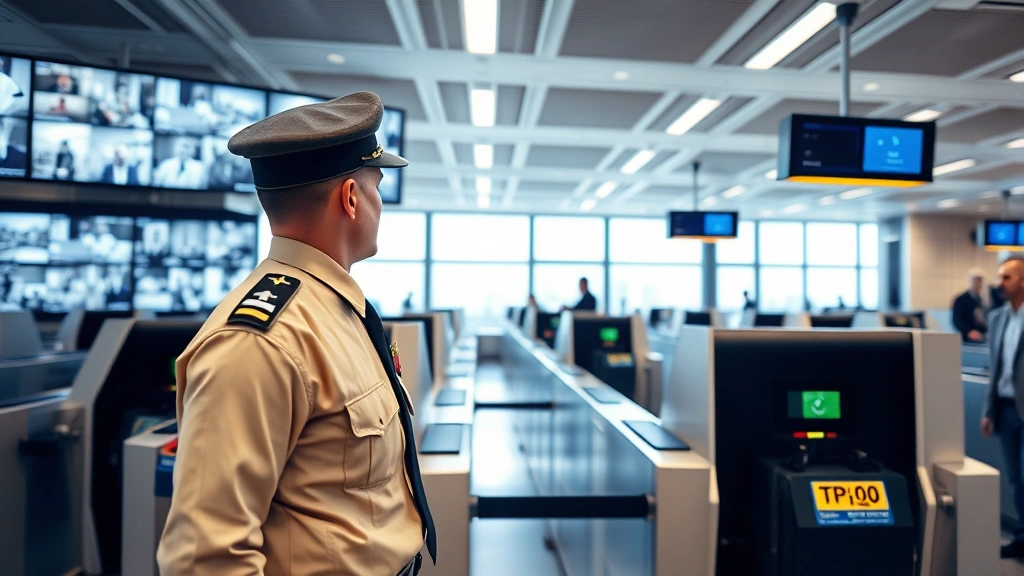
Airport security guards represent a critical layer of physical security infrastructure, yet they face increasingly sophisticated cyber threats that most organizations overlook. These frontline defenders operate at the intersection of physical and digital security, making them prime targets for attackers seeking to compromise airport operations, steal sensitive data, or facilitate unauthorized access to restricted areas. The cyber risks facing airport security personnel extend far beyond traditional phishing attempts—they encompass biometric system manipulation, credential theft, social engineering attacks, and infrastructure sabotage.
Understanding the unique cybersecurity challenges that airport security guards encounter is essential for airport operators, security directors, and policymakers. When security personnel lack proper cyber awareness training or operate with inadequate cybersecurity protocols, entire airport systems become vulnerable. This comprehensive analysis explores the multifaceted cyber threats targeting airport security staff, the vulnerabilities they expose, and the expert-recommended strategies to mitigate these risks effectively.

Understanding the Cyber Threat Landscape for Airport Security
Airport security guards operate within a uniquely complex environment where physical and cybersecurity intersect. Unlike office workers who primarily interact with standard corporate systems, airport security personnel manage access control systems, surveillance networks, passenger screening equipment, and critical infrastructure monitoring platforms. Each of these systems represents a potential attack vector that cybercriminals can exploit to compromise airport operations.
The CISA Critical Infrastructure Security division identifies airports as critical infrastructure targets, which means they face persistent and sophisticated adversaries. Airport security guards, as employees with physical access and system credentials, become high-value targets. Threat actors understand that compromising a single security guard’s credentials or devices can provide pathways to infiltrate broader airport systems, bypass security checkpoints, or manipulate surveillance footage.
Recent threat intelligence reports indicate that airport security systems have become increasingly digitized, creating new vulnerabilities. Many modern airports rely on integrated digital systems for access control, employee badge verification, and real-time threat assessment. When airport security guards lack proper cybersecurity training or use weak security practices, these systems become susceptible to compromise. The convergence of operational technology (OT) systems—such as physical access controls—with information technology (IT) systems creates complex security challenges that require specialized expertise to address effectively.
Credential Theft and Access Control Vulnerabilities
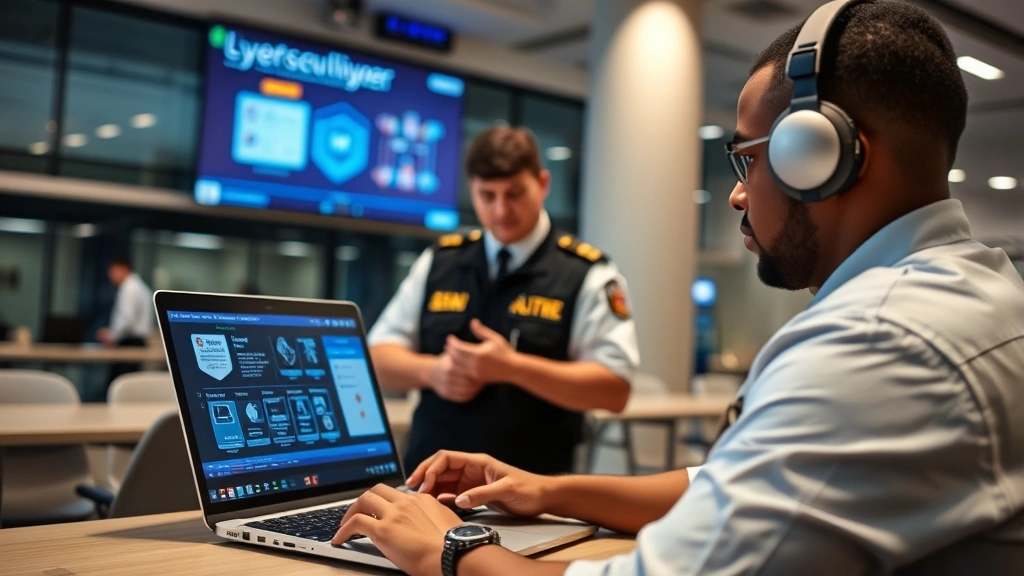
One of the most significant cyber risks facing airport security guards involves credential theft and unauthorized access control exploitation. Security personnel typically maintain elevated privileges within airport systems, including access to secure areas, surveillance systems, and personnel databases. When attackers successfully steal these credentials, they gain pathways to compromise critical infrastructure.
Airport security guards often use badge systems, PIN codes, and biometric credentials to access restricted areas. Cybercriminals employ various tactics to compromise these access mechanisms:
- Phishing attacks: Fraudulent emails designed to appear from legitimate airport IT departments trick security staff into entering their credentials on fake login pages
- Credential harvesting: Malware installed on guard workstations captures keystrokes and login information
- Weak password practices: Security personnel who reuse passwords across multiple systems create cascading vulnerability risks
- Unencrypted communications: Credentials transmitted over unsecured networks can be intercepted by attackers
- Social engineering: Attackers impersonate IT support or management to convince guards to share access credentials
The consequences of compromised airport security credentials extend beyond individual access violations. Attackers can use stolen credentials to access surveillance systems, disable security alerts, modify access logs, or create backdoor accounts for persistent access. Some sophisticated threat actors have been known to use compromised security guard credentials to facilitate smuggling operations, theft, or even more serious criminal activities.
Airport operators must implement robust identity and access management (IAM) systems that include multi-factor authentication (MFA) for all security personnel accessing critical systems. Additionally, implementing the principle of least privilege—where staff members only receive access to systems necessary for their specific roles—significantly reduces the damage potential if credentials are compromised.
Social Engineering Tactics Targeting Security Personnel
Social engineering represents one of the most effective attack vectors against airport security guards because it exploits human psychology rather than technical vulnerabilities. Security personnel, despite their training in physical security, often lack specialized awareness of cyber social engineering tactics designed specifically to manipulate them.
Common social engineering approaches targeting airport security staff include:
- Authority impersonation: Attackers pose as airport management, security directors, or government officials demanding urgent access or credential information
- Vendor impersonation: Fraudsters claim to represent security system vendors requiring system access for maintenance or updates
- Urgency exploitation: Attackers create artificial time pressure, claiming security incidents require immediate response
- Credential harvesting: Fake login portals or help desk requests designed to capture employee credentials
- Physical security pretexting: Attackers may pose as contractors, inspectors, or employees to gain physical access to security operations centers
Airport security guards represent particularly valuable targets for social engineering because they often interact with multiple departments and external parties, making them appear as logical points of contact for urgent requests. Additionally, their role in physical security may make them less skeptical about technical security requests, assuming IT departments handle cybersecurity independently.
Effective defenses against social engineering require comprehensive training that teaches security personnel to verify identities through official channels, question unusual requests, and report suspicious communications to designated security teams. Many airports have found success implementing clear protocols where any urgent security system requests must be verified through established communication channels rather than responding to direct requests.
Mobile Device and Network Security Risks
Modern airport security operations increasingly rely on mobile devices for real-time communication, incident reporting, and system access. Airport security guards may use smartphones or tablets to check schedules, report incidents, access security protocols, or communicate with command centers. These devices introduce significant cybersecurity risks if not properly secured.
Mobile device vulnerabilities affecting airport security personnel include:
- Unsecured Wi-Fi connections: Guards connecting personal or company devices to unsecured airport networks become vulnerable to man-in-the-middle attacks
- Outdated operating systems: Devices running older versions of iOS or Android lack critical security patches
- Malicious applications: Third-party apps with excessive permissions can steal data or monitor communications
- Device theft: Lost or stolen phones containing security credentials or sensitive information
- Unencrypted data storage: Sensitive information stored unencrypted on mobile devices can be accessed if devices are compromised
- Credential caching: Devices that remember login credentials make unauthorized access easier if stolen
Airport networks themselves present additional risks. Many airports operate legacy security systems that weren’t designed with modern cyber threats in mind. When security guards access these systems from mobile devices, they may bypass security controls or create unintended network vulnerabilities. Network segmentation—isolating critical security systems from general airport networks—becomes essential for protecting these sensitive systems from compromise.
Biometric System Exploitation
Biometric systems—including fingerprint scanning, facial recognition, and iris scanning—are increasingly common at airports for both employee access control and passenger screening. While biometric systems offer security advantages, they also introduce unique cybersecurity challenges, particularly for security personnel who regularly interact with these systems.
Biometric system vulnerabilities include:
- Template injection attacks: Attackers manipulate biometric data or authentication systems to bypass security checks
- Deepfake attacks: Sophisticated facial recognition spoofing using AI-generated images or videos
- Enrollment manipulation: Unauthorized modification of biometric enrollment records to grant access to unauthorized individuals
- Database breaches: Stolen biometric data cannot be changed like passwords, creating permanent security risks
- Sensor manipulation: Physical tampering with biometric scanners to force false acceptances
Airport security guards with access to biometric system administration represent high-value targets for attackers. If compromised, these personnel could modify biometric records, disable biometric authentication temporarily, or create backdoor access methods. The permanence of biometric data—unlike passwords that can be changed—makes biometric system compromise particularly serious.
Insider Threat Considerations
While external cyber threats receive significant attention, airport security operations must also address insider threat risks. Airport security guards occupy positions of trust with extensive access to critical systems and physical infrastructure. Disgruntled employees, those facing financial pressures, or individuals recruited by external threat actors can pose significant cybersecurity risks.
Insider threat scenarios involving airport security personnel might include:
- Selling access credentials to external threat actors
- Deliberately disabling security systems or surveillance equipment
- Modifying access logs to cover unauthorized activities
- Installing malware or backdoors on critical systems
- Providing sensitive information to competitors or hostile actors
- Facilitating unauthorized physical access to restricted areas
Mitigating insider threats requires implementing comprehensive monitoring, access controls, and vetting procedures. NIST Cybersecurity Framework recommendations include continuous monitoring of privileged account activities, regular access reviews, and implementing segregation of duties to prevent any single individual from controlling critical security functions.
Best Practices for Protecting Airport Security Staff
Organizations operating airports must implement comprehensive cybersecurity programs that specifically address the unique challenges facing security personnel. These programs should integrate physical security, cybersecurity, and personnel security measures into a cohesive strategy.
Access Control Implementation
Implement multi-factor authentication for all airport security personnel accessing critical systems. This approach prevents unauthorized access even if passwords or credentials are compromised. Consider using hardware security keys in addition to password-based authentication for the highest-risk accounts. Role-based access control ensures that each security guard only accesses systems necessary for their specific responsibilities.
Network Segmentation
Separate critical security systems from general airport networks using firewalls and network segmentation. This architectural approach prevents attackers who compromise general network access from immediately accessing critical security infrastructure. Implement intrusion detection and prevention systems to monitor network traffic for suspicious activities.
Device Management
Deploy mobile device management (MDM) solutions that enforce security policies on all devices used by security personnel. These solutions should enforce encryption, require screen locks, prevent unauthorized app installation, and enable remote device wiping if devices are lost or stolen. Regular security patches and updates should be automatically deployed.
Privileged Access Management
Implement privileged access management (PAM) solutions that provide additional controls over accounts with elevated privileges. PAM systems monitor all actions performed by privileged accounts, record session activities, and enforce approval workflows for sensitive operations. This approach prevents unauthorized use of security personnel credentials while maintaining audit trails for forensic investigations.
Implementing Comprehensive Cybersecurity Training
Technical controls alone cannot protect airport security operations from cyber threats. Comprehensive cybersecurity awareness training specifically designed for airport security personnel is essential. This training should address the unique threats and vulnerabilities that security guards encounter in their operational environment.
Effective training programs should include:
- Phishing and social engineering recognition: Teaching security personnel to identify suspicious emails, messages, and communications attempting to compromise credentials
- Credential protection: Best practices for password management, protecting badge systems, and preventing unauthorized access attempts
- Incident reporting: Clear procedures for reporting suspected cyber incidents or security violations
- System security: Understanding how to recognize signs of system compromise and unauthorized access attempts
- Mobile device security: Safe practices for using personal and company devices in airport environments
- Data protection: Handling sensitive information appropriately and understanding data classification standards
- Threat awareness: Current threat intelligence relevant to airport operations and security infrastructure
Training should be delivered regularly—at least annually—with updates addressing emerging threats. Consider implementing gamified training approaches or simulated phishing campaigns to reinforce learning and identify personnel requiring additional instruction.
Airport operators should also establish clear cybersecurity policies specific to security personnel, including acceptable use policies, device usage guidelines, and incident response procedures. These policies should be documented, communicated clearly, and regularly reviewed to ensure they remain current with evolving threats.
FAQ
What are the primary cyber threats facing airport security guards?
Airport security guards face credential theft, social engineering attacks, mobile device compromise, biometric system exploitation, and insider threat risks. These threats target their elevated system access and physical security responsibilities, potentially allowing attackers to compromise airport operations, disable security systems, or facilitate unauthorized access to restricted areas.
How can airport operators protect security personnel from phishing attacks?
Airport operators should implement email filtering solutions, deploy multi-factor authentication, conduct regular phishing awareness training, and establish verification procedures for urgent requests. Security personnel should be trained to verify identities through official channels rather than responding directly to requests for credentials or system access.
What role does multi-factor authentication play in protecting airport security systems?
Multi-factor authentication prevents unauthorized access even if passwords or credentials are compromised. For airport security personnel with access to critical systems, MFA should be mandatory. This approach significantly reduces the effectiveness of credential theft attacks and other compromise attempts.
How should airports handle mobile devices used by security personnel?
Airports should deploy mobile device management solutions enforcing encryption, screen locks, automatic updates, and app restrictions. Security personnel should only access airport systems through secured connections, avoid using unsecured public Wi-Fi networks, and report lost or stolen devices immediately.
What insider threat risks should airport operators monitor?
Airport operators should monitor for unauthorized access to systems, unusual activity patterns during off-hours, attempts to access systems outside normal job responsibilities, and changes in behavior or financial circumstances. Implementing privileged access management solutions provides visibility into actions performed by security personnel with elevated access.
How often should cybersecurity training be provided to airport security staff?
CISA recommends annual cybersecurity awareness training at minimum, with quarterly updates addressing emerging threats. Many security experts suggest more frequent training for personnel with access to critical infrastructure systems.
What should be included in an incident response plan for cybersecurity incidents involving security personnel?
Incident response plans should clearly define reporting procedures, investigation protocols, containment steps, and communication procedures. Plans should address credential revocation, device isolation, access log reviews, and coordination with law enforcement if criminal activity is suspected. Regular testing and updates ensure plans remain effective.


