
Advanced Endpoint Protection: Expert Insights
Endpoints represent the frontline of modern cybersecurity infrastructure, yet they remain among the most vulnerable attack vectors in enterprise environments. Advanced endpoint protection has evolved from simple antivirus solutions into sophisticated, multi-layered defense systems that combine behavioral analysis, threat intelligence, and machine learning to detect and neutralize sophisticated threats before they compromise critical assets. Organizations worldwide face an unprecedented surge in endpoint-targeted attacks, from ransomware campaigns to zero-day exploits, making robust protection strategies essential for survival in today’s threat landscape.
The shift toward remote work, cloud computing, and BYOD (Bring Your Own Device) policies has exponentially increased the number of endpoints requiring protection while simultaneously complicating security management. Traditional perimeter-based security no longer suffices; modern endpoint protection must operate autonomously, making intelligent decisions about threat levels while maintaining seamless user productivity. This comprehensive guide explores the latest expert insights into advanced endpoint protection, covering detection mechanisms, response strategies, deployment considerations, and best practices that security leaders implement to safeguard their organizations.
Understanding Modern Endpoint Threats
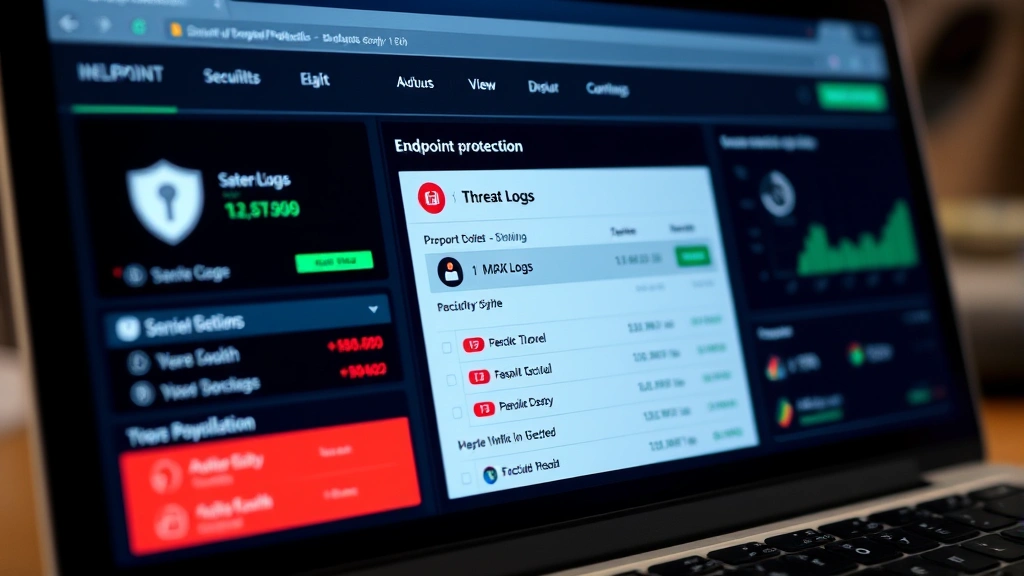
The threat landscape targeting endpoints has undergone dramatic transformation in recent years. Attackers have shifted from indiscriminate malware distribution toward precision-targeted campaigns that leverage endpoint vulnerabilities as entry points for sophisticated intrusions. Contemporary threats include fileless malware that operates entirely in memory, ransomware variants that encrypt critical data within minutes, supply chain attacks that compromise software updates, and advanced persistent threats (APTs) that maintain long-term presence within networks.
Ransomware represents one of the most devastating endpoint threats, with attack costs exceeding millions of dollars per incident. CISA’s ransomware resources provide comprehensive guidance on threat recognition and response protocols. These attacks typically begin with endpoint compromise through phishing, credential theft, or unpatched vulnerabilities. Once established, ransomware spreads laterally across network resources, encrypting data and demanding payment for decryption keys.
Zero-day exploits represent another critical threat category. These vulnerabilities lack patches, forcing organizations to rely on behavioral detection and threat intelligence rather than signature-based protection. Advanced endpoint protection systems must identify zero-day attacks through anomalous behavior patterns, suspicious process execution chains, and unauthorized system access attempts. The sophistication of modern exploits demands equally sophisticated detection capabilities that go far beyond traditional antivirus approaches.
Credential-based attacks continue escalating in frequency and effectiveness. Stolen credentials enable attackers to move laterally through networks, access sensitive data, and establish persistent footholds. Endpoint protection must monitor for unusual authentication patterns, impossible travel scenarios, and suspicious credential usage that indicates compromise. Integration with identity and access management systems strengthens detection capabilities significantly.
Core Technologies in Advanced Protection
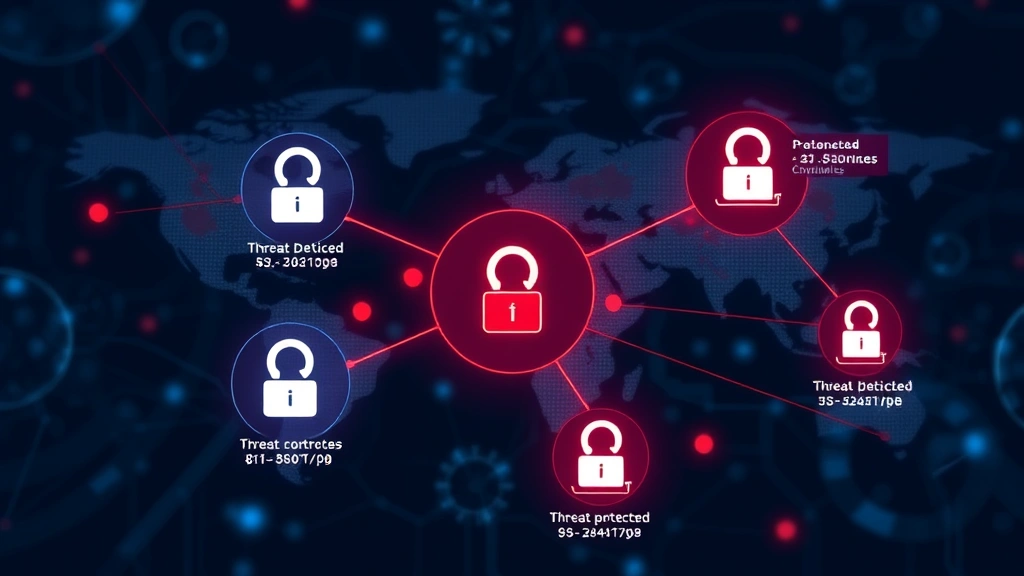
Modern advanced endpoint protection integrates multiple complementary technologies that work synergistically to provide comprehensive coverage. Understanding these core components helps organizations select solutions aligned with their security requirements and threat profiles.
Machine Learning and Behavioral Analysis form the foundation of contemporary endpoint protection. Rather than relying solely on known malware signatures, these systems analyze program behavior, system calls, and execution patterns to identify suspicious activities. Machine learning models trained on millions of malware samples and benign applications can detect novel threats with remarkable accuracy. Behavioral analysis observes how applications interact with the operating system, network resources, and file systems, flagging deviations from expected patterns that indicate compromise.
Threat Intelligence Integration enables endpoints to leverage real-time information about emerging threats, malicious domains, command-and-control infrastructure, and attacker techniques. This intelligence comes from multiple sources including security vendors, government agencies, and threat research communities. When an endpoint encounters a file or connection associated with known threats, immediate action prevents infection. Continuous threat intelligence updates ensure protection remains current as attackers evolve tactics.
Exploit Prevention Technologies protect against attacks targeting software vulnerabilities before patches become available. These mechanisms include address space layout randomization (ASLR), data execution prevention (DEP), control flow guard, and return-oriented programming (ROP) mitigation. By making exploitation more difficult or impossible, these technologies reduce the attack surface significantly. Some advanced solutions employ memory protection and kernel hardening to further restrict attacker capabilities.
Application Whitelisting and Control represents a powerful approach to preventing unauthorized code execution. By maintaining approved application inventories and preventing execution of unapproved software, organizations effectively block malware that hasn’t been explicitly authorized. This approach proves particularly valuable in high-security environments such as financial institutions and government agencies where strict application control justifies the administrative overhead.
Endpoint Detection and Response (EDR) capabilities provide deep visibility into endpoint activities and sophisticated investigation tools. EDR systems collect telemetry from endpoints including process execution, network connections, file modifications, and registry changes. Security analysts use this data to investigate suspicious activities, hunt for threats, and understand attack timelines. NIST cybersecurity guidelines emphasize the importance of detection and response capabilities in comprehensive security programs.
Integration across these technologies creates a defense-in-depth approach where multiple layers protect against different attack vectors. When one detection mechanism identifies suspicious activity, other components automatically respond through isolation, remediation, or escalation to security teams.
Detection and Response Mechanisms
The effectiveness of advanced endpoint protection depends critically on detection accuracy and response speed. Modern solutions employ multi-stage detection pipelines that minimize false positives while maintaining comprehensive threat coverage.
Multi-Stage Detection Pipeline begins with initial threat assessment using lightweight mechanisms suitable for real-time evaluation. Files are scanned against threat intelligence databases, analyzed for suspicious characteristics, and evaluated against behavioral baselines. Suspicious files advance to more intensive analysis using sandboxing, dynamic execution analysis, and machine learning classification. This tiered approach balances resource efficiency with detection thoroughness.
Sandboxing technology executes suspicious files in isolated environments that replicate legitimate systems while preventing actual system harm. Analysts observe how malware behaves when executed, identifying malicious activities that signatures alone might miss. Advanced sandboxing includes evasion detection, identifying malware that attempts to detect sandbox environments and behaves differently when contained. By defeating these evasion attempts, sandboxing becomes more effective against sophisticated threats.
Automated Response Capabilities enable rapid threat neutralization without waiting for human intervention. Upon threat detection, endpoints can automatically isolate themselves from networks, quarantine suspicious files, terminate malicious processes, and block network communications. This immediate response prevents lateral movement and data exfiltration, dramatically reducing incident impact. Response actions remain logged and auditable, enabling security teams to understand exactly what happened and why specific actions were taken.
Threat Hunting and Investigation leverage historical telemetry to identify threats that evaded initial detection. Security analysts search for indicators of compromise including suspicious process execution sequences, unusual network communications, and file system modifications. Advanced endpoint protection systems provide visualization tools and search capabilities that make threat hunting efficient and effective. Historical data retention enables investigation of incidents that occurred weeks or months previously, supporting thorough breach analysis and remediation.
Expert insights emphasize that detection capabilities must evolve continuously as attackers develop new evasion techniques. Threat intelligence sharing between organizations and security vendors accelerates this evolution, enabling collective defense against emerging threats. Organizations that participate in threat intelligence communities gain early warning of new attack techniques and can implement protective measures proactively.
Implementation Best Practices
Deploying advanced endpoint protection effectively requires careful planning, thoughtful configuration, and ongoing management. Security experts recommend several best practices that maximize protection while minimizing disruption to business operations.
Comprehensive Inventory and Assessment should precede any deployment. Organizations must identify all endpoints requiring protection, understand their operating systems and software configurations, and assess their current security posture. This assessment reveals gaps in protection, outdated systems requiring updates, and endpoints with unusual configurations requiring special handling. A complete inventory also enables verification that all endpoints receive protection post-deployment.
Phased Rollout Strategy reduces risk during implementation. Rather than deploying protection to all endpoints simultaneously, organizations implement in phases across departments or business units. Early phases in non-critical areas allow troubleshooting and refinement before broader deployment. This approach identifies compatibility issues, performance impacts, and operational challenges while limiting impact to small populations.
Configuration Hardening ensures protection settings align with organizational security requirements. Default configurations often prioritize compatibility over protection, requiring adjustment for high-security environments. Organizations should configure strict exploit prevention, aggressive malware detection thresholds, mandatory behavior analysis, and comprehensive logging. However, configurations must balance security with usability; overly restrictive settings may drive users toward disabling protection or circumventing controls.
Regular Updates and Patch Management maintain protection effectiveness against evolving threats. Endpoint protection engines require frequent updates as new malware variants emerge and threat intelligence changes. Operating systems and applications require security patches that address vulnerabilities. Organizations should establish automated update mechanisms with testing processes that verify compatibility before broad deployment. Zero-day vulnerabilities demand rapid patching; delayed patching leaves endpoints vulnerable to known attacks.
Monitoring and Alerting enable rapid response to detected threats. Organizations should configure alerts for high-severity threats, policy violations, and suspicious behaviors. Alert fatigue must be managed through intelligent tuning that eliminates low-value alerts while preserving detection of genuine threats. Security operations centers (SOCs) should receive alerts with sufficient context to understand threat severity and enable rapid investigation.
Integration with CISA alerts and advisories keeps organizations informed of emerging threats and recommended protective actions. These resources provide timely information about active attacks, newly discovered vulnerabilities, and security best practices.
Evaluating Solutions for Your Organization
The endpoint protection market offers numerous solutions with varying capabilities, architectures, and price points. Selecting the right solution requires understanding organizational requirements, threat profiles, and operational constraints.
Capability Assessment should focus on core protection mechanisms. Evaluate whether solutions include behavioral analysis, machine learning detection, exploit prevention, EDR capabilities, and threat intelligence integration. Assess detection accuracy through independent testing reports and proof-of-concept evaluations. Organizations should require vendors to demonstrate protection against current threat samples and techniques relevant to their industry.
Scalability and Performance considerations become critical in large environments. Solutions must handle thousands or millions of endpoints without degrading performance or creating management bottlenecks. Evaluate resource consumption on endpoints, particularly on resource-constrained devices such as laptops and mobile endpoints. Cloud-based management platforms should demonstrate scalability through load testing and customer references.
Integration Capabilities determine how well solutions fit into existing security infrastructure. Advanced endpoint protection should integrate with security information and event management (SIEM) systems, identity and access management platforms, and incident response tools. API availability enables custom integrations and automation. Organizations using multiple security vendors should verify that endpoint protection integrates smoothly with other tools.
Vendor Stability and Support matter significantly for long-term deployments. Evaluate vendor financial health, research and development investment, and market position. Strong vendors maintain research teams that identify emerging threats, develop new detection mechanisms, and share threat intelligence. Adequate support services ensure rapid response to issues and access to expertise when needed.
Total Cost of Ownership extends beyond license fees to include implementation, training, operations, and maintenance. Calculate costs per endpoint, considering volume discounts available at larger scales. Factor in staffing requirements for management and response; solutions requiring extensive manual configuration may be less cost-effective than automated alternatives. Some organizations find managed detection and response (MDR) services cost-effective compared to maintaining in-house capabilities.
Industry-specific requirements should guide selection decisions. Healthcare organizations must ensure compliance with HIPAA regulations while protecting sensitive patient data. Financial institutions face strict regulatory requirements and sophisticated threats from nation-state actors. Manufacturing organizations increasingly target critical infrastructure and require protection for industrial control systems. Evaluating solutions against industry-specific threat models and compliance requirements ensures appropriate protection levels.
FAQ
What distinguishes advanced endpoint protection from traditional antivirus?
Traditional antivirus relies primarily on signature-based detection, matching files against known malware signatures. Advanced endpoint protection incorporates machine learning, behavioral analysis, exploit prevention, threat intelligence, and EDR capabilities. These technologies detect novel threats that lack signatures, identify zero-day exploits, and provide detailed forensic capabilities for incident investigation. Advanced solutions also enable automated response and threat hunting that traditional antivirus cannot provide.
How does machine learning improve endpoint protection?
Machine learning models trained on millions of legitimate and malicious files can classify new files with remarkable accuracy despite lacking signatures. These models identify patterns in file structure, code behavior, and system interactions that indicate malicious intent. Machine learning also powers behavioral analysis by establishing baselines of normal activity and identifying deviations that suggest compromise. Continuous retraining keeps models current as attackers evolve techniques.
Can advanced endpoint protection prevent all attacks?
No solution prevents all attacks; sophisticated adversaries develop new techniques faster than defenses can address them. However, advanced endpoint protection significantly raises the bar for successful attacks. By combining multiple detection mechanisms, enabling rapid response, and providing investigation capabilities, advanced solutions reduce breach probability and impact. Organizations should implement endpoint protection as part of comprehensive security strategies including network segmentation, identity management, and employee training.
What performance impact should organizations expect?
Modern endpoint protection has minimal performance impact due to optimized code and cloud-based processing. Lightweight agents on endpoints handle basic scanning and telemetry collection while intensive analysis occurs in cloud infrastructure. Performance impact varies by solution and endpoint resources; organizations should conduct pilot testing in their environment to assess actual impact. Properly tuned solutions should have negligible effect on user productivity.
How often should endpoint protection be updated?
Threat intelligence and detection engines should update daily or more frequently as new threats emerge. Operating systems and applications require security patches as soon as they become available, particularly for critical vulnerabilities. Organizations should implement automated update mechanisms with testing to verify compatibility. Zero-day vulnerabilities demand emergency patching within hours of disclosure; delayed patching leaves systems vulnerable to active attacks.
What role does user training play alongside technical protection?
Technical protection provides essential defense but cannot prevent all breaches, particularly those exploiting human psychology. User training on phishing recognition, social engineering tactics, and password security significantly reduces compromise probability. Organizations should combine technical protection with regular security awareness training, simulated phishing exercises, and clear incident reporting procedures. This layered approach combining technology and human elements provides the most effective protection.


