
ABS Security: Is Your Data Truly Safe? Expert Insights
In an increasingly digital world, the question of whether your data is truly safe has become more critical than ever. ABS security—encompassing authentication, backup systems, and security protocols—forms the backbone of modern data protection strategies. Yet despite significant investments in cybersecurity infrastructure, breaches continue to make headlines, leaving organizations and individuals questioning the effectiveness of their defensive measures.
The reality is complex: no system is entirely impervious to attack, but understanding ABS security fundamentals can dramatically reduce your vulnerability to cyber threats. This comprehensive guide explores the multifaceted landscape of data protection, examining what security experts recommend, where vulnerabilities persist, and how you can fortify your digital assets against evolving threats.
Whether you’re managing sensitive business information or protecting personal credentials, the insights provided here will help you evaluate your current security posture and implement robust safeguards that align with industry best practices and regulatory standards.
Understanding ABS Security Fundamentals
ABS security represents a tripartite approach to data protection that addresses three critical pillars: Authentication, Backup, and Security protocols. Each component plays an essential role in maintaining the integrity, availability, and confidentiality of your digital assets.
Authentication serves as your first line of defense, verifying that users and systems are genuinely who they claim to be. Without robust authentication mechanisms, even the most sophisticated encryption systems become vulnerable to unauthorized access. Backup systems ensure that your data survives hardware failures, ransomware attacks, and natural disasters. Security protocols encompass the policies, procedures, and technologies that protect data from unauthorized access, modification, or destruction throughout its lifecycle.
The integration of these three elements creates a layered defense strategy that cybersecurity professionals recognize as essential for comprehensive data protection. When any single component is compromised or neglected, the entire security framework becomes significantly weaker, creating exploitable gaps that threat actors actively seek.
According to CISA (Cybersecurity and Infrastructure Security Agency), organizations that implement integrated security approaches experience substantially fewer successful attacks. The synergy between authentication, backup, and security protocols creates redundancy that prevents single points of failure.
Authentication Mechanisms in Modern Data Protection
Authentication has evolved dramatically from simple password-based systems to sophisticated multi-factor approaches that leverage multiple verification methods simultaneously. Single-factor authentication—relying solely on passwords—is now considered inadequate for protecting sensitive data in most professional environments.
Multi-factor authentication (MFA) dramatically improves security by requiring users to provide multiple forms of verification before gaining access. Common authentication factors include:
- Something you know: Passwords, PINs, security questions
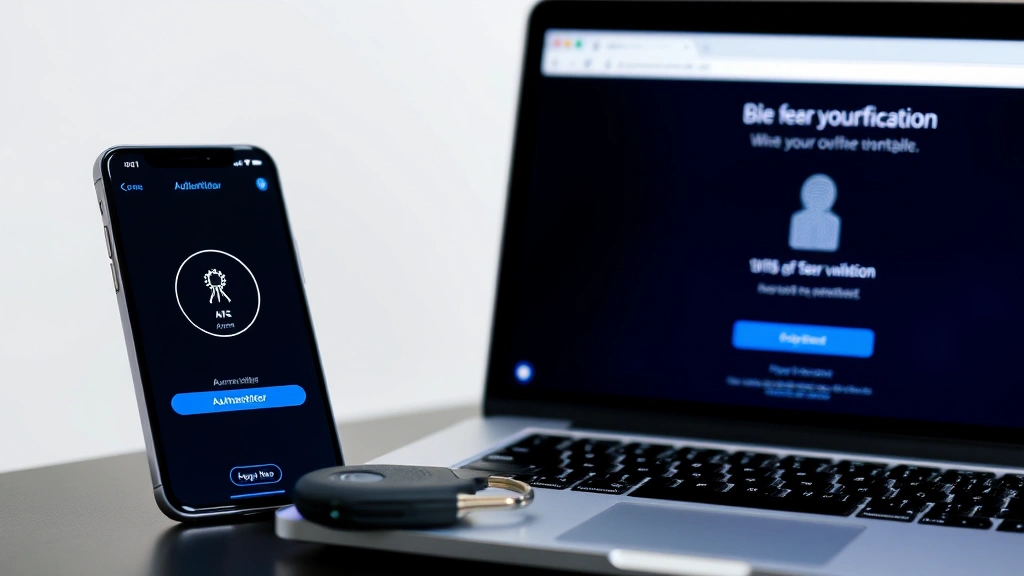
- Something you have: Physical security keys, authenticator apps, smart cards
- Something you are: Biometric data including fingerprints, facial recognition, iris scans
- Something you do: Behavioral patterns, typing dynamics, gesture recognition
- Somewhere you are: Location-based verification, GPS coordinates, network geolocation
Organizations implementing passwordless authentication report significant improvements in both security and user experience. Windows Hello, FIDO2 security keys, and biometric systems eliminate the weaknesses inherent in password-based authentication while maintaining robust verification standards.
The NIST Digital Identity Guidelines recommend moving away from knowledge-based authentication toward possession and inherence factors, recognizing that passwords represent a fundamental vulnerability in modern security architectures.
Backup Systems and Data Redundancy
Backup systems form the critical safety net that prevents data loss from becoming catastrophic. The 3-2-1 backup rule represents the industry standard for data protection: maintain three copies of your data, store backups on two different media types, and keep one copy in an offsite location.
Modern backup strategies must account for ransomware threats, which specifically target backup systems to maximize damage. Immutable backups—copies that cannot be modified or deleted even by administrators—provide essential protection against ransomware that attempts to destroy recovery options.
Backup systems should incorporate:
- Automated scheduling: Regular, predictable backup cycles reduce human error and ensure consistent protection
- Incremental backups: Capturing only changed data reduces storage requirements and backup windows
- Encryption in transit and at rest: Protecting backup data from interception and unauthorized access
- Air-gapped storage: Physically isolated backup copies disconnected from networked systems
- Verification testing: Regular restoration tests confirm that backups actually contain recoverable data
The Recovery Time Objective (RTO) and Recovery Point Objective (RPO) define how quickly you can restore operations and how much data loss you can tolerate. Organizations handling critical operations typically require RTO measurements in hours or minutes, necessitating sophisticated backup infrastructure.

Common Security Vulnerabilities and Threats
Despite significant security investments, organizations continue to fall victim to preventable attacks. Understanding common vulnerabilities helps you prioritize defensive measures and identify weaknesses in your current infrastructure.
Phishing and Social Engineering: Human error remains the leading cause of data breaches. Phishing emails that appear legitimate trick users into revealing credentials or downloading malware. These attacks succeed because they exploit psychological vulnerabilities rather than technical ones, making them difficult to prevent through technology alone.
Weak Password Practices: Many users continue using weak, reused passwords despite widespread awareness of password security. Credential stuffing attacks—testing stolen credentials across multiple services—succeed because users repeat passwords across platforms.
Unpatched Systems: Security vulnerabilities in operating systems, applications, and firmware remain unpatched in many organizations. Attackers actively exploit known vulnerabilities that vendors have already released patches for, making patch management a critical defensive practice.
Insider Threats: Employees with legitimate system access represent a significant risk vector. Whether through malicious intent or negligence, insiders can exfiltrate sensitive data, install malware, or disable security controls without triggering many external detection mechanisms.
Ransomware Attacks: Sophisticated ransomware campaigns target organizations with high recovery value, encrypting critical data and demanding payment for decryption keys. Recent variants incorporate data exfiltration, threatening to publish stolen information if ransom demands aren’t met.
Threat intelligence reports from Mandiant document sophisticated attack campaigns that exploit multiple vulnerabilities in coordinated sequences, highlighting the importance of comprehensive security strategies rather than point solutions.
Industry Standards and Compliance Requirements
Regulatory frameworks increasingly mandate specific security practices, transforming compliance from optional best practice to legal requirement. Understanding relevant standards helps you align security investments with regulatory obligations.
GDPR (General Data Protection Regulation): The European Union’s privacy regulation imposes strict requirements on organizations handling personal data of EU residents. GDPR mandates encryption, access controls, breach notification within 72 hours, and data protection impact assessments. Non-compliance penalties reach €20 million or 4% of global annual revenue.
HIPAA (Health Insurance Portability and Accountability Act): Healthcare organizations must protect patient data through administrative, physical, and technical safeguards. HIPAA requires encryption, audit logs, access controls, and business associate agreements with vendors handling protected health information.
PCI DSS (Payment Card Industry Data Security Standard): Organizations processing payment card data must meet 12 core requirements including encryption, access controls, vulnerability management, and regular security testing. Failure to maintain compliance results in significant fines and potential payment processing restrictions.
SOC 2 (Service Organization Control): Service providers must demonstrate controls across security, availability, processing integrity, confidentiality, and privacy. SOC 2 audits provide third-party verification of security practices, increasingly required by enterprise customers.
ISO 27001: The international information security management standard provides comprehensive guidance on establishing, implementing, and maintaining information security management systems. Certification demonstrates commitment to systematic security practices.
The NIST Cybersecurity Framework provides flexible, scalable guidance applicable across industries and organizational sizes, emphasizing identify, protect, detect, respond, and recover functions.
Implementing Comprehensive Security Solutions
Effective security implementation requires systematic assessment, planning, and deployment of integrated solutions that address authentication, backup, and security protocols comprehensively.
Security Assessment and Baseline Establishment: Begin by conducting thorough security assessments that identify current vulnerabilities, gaps in defensive controls, and areas of non-compliance. Penetration testing by qualified professionals simulates attacker perspectives, revealing exploitable weaknesses before actual threat actors discover them.
Zero Trust Architecture: Modern security frameworks embrace zero trust principles, assuming that all users and systems are potentially untrustworthy until verified. Zero trust requires continuous authentication, strict access controls, microsegmentation of networks, and comprehensive monitoring of all activities. This approach prevents lateral movement by attackers who compromise initial entry points.
Defense in Depth: Layered security controls ensure that compromise of single systems doesn’t result in complete security failure. Defense in depth combines:
- Firewalls and network segmentation
- Intrusion detection and prevention systems
- Endpoint detection and response solutions
- Security information and event management (SIEM) platforms
- Data loss prevention systems
- Advanced threat protection and sandboxing
Incident Response Planning: Comprehensive incident response plans document procedures for detecting, containing, and recovering from security breaches. Regular tabletop exercises and simulations prepare teams to respond effectively when actual incidents occur, minimizing damage and recovery time.
Continuous Monitoring and Threat Detection: Security doesn’t end with preventive controls; continuous monitoring detects attacks that bypass initial defenses. SIEM solutions aggregate logs from multiple sources, correlate events, and alert security teams to suspicious patterns indicating active compromise.
Expert Recommendations for Enhanced Protection
Security experts consistently recommend specific practices that significantly reduce breach risk and improve overall security posture. Implementing these recommendations requires commitment and resources, but the cost of preventive measures remains substantially lower than breach response and remediation.
Prioritize User Education and Awareness: Security awareness training reduces phishing susceptibility and social engineering attacks by teaching users to recognize threats and report suspicious activities. Organizations that combine regular training with simulated phishing campaigns demonstrate significantly lower compromise rates than those with minimal security awareness programs.
Implement Privileged Access Management: Systems with administrative access require special protection because compromise grants attackers elevated permissions. Privileged access management solutions enforce the principle of least privilege, ensuring users maintain only minimum necessary permissions. Just-in-time access provisioning further limits exposure windows by granting elevated access only when needed.
Establish Robust Patch Management Programs: Systematic patch management processes must balance security urgency with stability concerns. Critical vulnerabilities affecting actively exploited systems require rapid patching, while other updates can follow scheduled maintenance windows. Automated patch deployment accelerates protection across large environments.
Deploy Advanced Threat Protection: Modern threat detection requires behavioral analysis and machine learning capabilities that identify anomalous activities characteristic of advanced attacks. Endpoint detection and response solutions provide real-time visibility into endpoint activities, enabling rapid threat identification and containment.
Maintain Comprehensive Audit Logging: Detailed logs of system and user activities enable forensic investigation after security incidents. Centralized log aggregation with long-term retention supports investigations months or years after incidents occur. Log integrity protection prevents attackers from deleting evidence of their activities.
Establish Vendor Security Management: Third-party vendors accessing your systems or data represent significant security risks. Vendor security assessments, contractual security requirements, and continuous monitoring ensure that external partners maintain compatible security standards. The supply chain attacks documented in recent years demonstrate the critical importance of vendor security management.
Organizations seeking detailed guidance should consult SANS Institute resources and Dark Reading threat intelligence for current attack trends and expert recommendations.
For those interested in broader entertainment industry perspectives on security themes, the Screen Vibe Daily Blog occasionally explores security topics in popular media. While entertainment often dramatizes security scenarios, examining how movies based on books portray cybersecurity can provide interesting cultural context, though such depictions rarely reflect actual security practices. For more grounded analysis, consulting professional review sites and security resources provides substantially more reliable information than entertainment media.
FAQ
Is cloud storage secure for sensitive data?
Cloud storage can be secure when properly configured with encryption, strong authentication, and access controls. However, security responsibility is shared between cloud providers and customers. You must ensure encryption keys remain under your control, implement appropriate access restrictions, and verify that cloud providers maintain adequate security standards. Organizations should evaluate cloud security certifications and compliance certifications before entrusting sensitive data to cloud platforms.
How often should I change my passwords?
Modern security guidance recommends changing passwords only when compromise is suspected or required by organizational policy, rather than arbitrary periodic changes. Forced regular password changes often result in weaker passwords as users struggle to remember new credentials. Instead, focus on using strong, unique passwords with multi-factor authentication, which provides superior security.
What’s the difference between encryption and hashing?
Encryption transforms data into unreadable form using cryptographic keys, but encrypted data can be decrypted back to original form if you possess the key. Hashing produces a fixed-length fingerprint of data that cannot be reversed to recover original content. Both serve important security functions: encryption protects data confidentiality, while hashing verifies data integrity and securely stores passwords.
Can I recover data after ransomware encryption?
Recovery from ransomware depends on whether you maintained isolated backups that attackers couldn’t access. If backups exist, you can restore from clean copies without paying ransom. However, if ransomware destroyed all backup copies or you lack unencrypted backups, recovery becomes extremely difficult without decryption keys that attackers typically refuse to provide even after payment. Preventive measures including immutable backups and air-gapped storage are far superior to attempting recovery after infection.
What should I do if I suspect a data breach?
Immediately isolate affected systems from networks to prevent further compromise spread. Document evidence of the breach, including when you discovered it and what systems were accessed. Notify your incident response team and relevant stakeholders. In many jurisdictions, you have legal obligations to notify affected parties within specific timeframes—often 30-72 hours. Preserve logs and evidence for forensic investigation. Engage qualified incident response professionals rather than attempting independent investigation that might contaminate evidence or worsen the situation.


