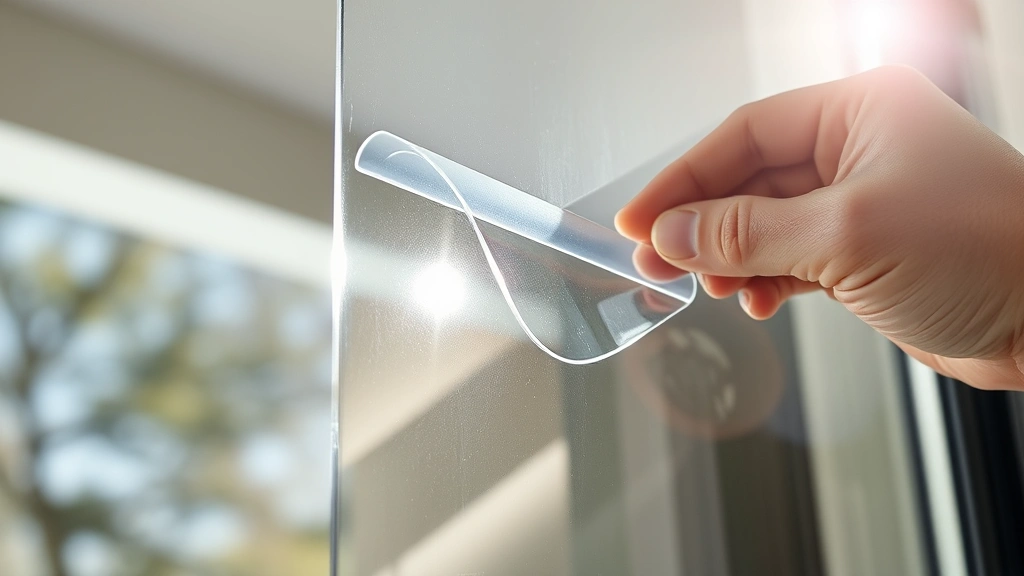
Is Window Security Film Effective? Expert Insights on 3M Window Security Film and Modern Protection
Window security film has emerged as a critical component of comprehensive physical security strategies for both residential and commercial properties. As threats evolve—from break-ins and forced entries to active threats and environmental hazards—property owners increasingly turn to solutions like 3M window security film to strengthen their perimeter defenses. But does this technology actually deliver on its promises, and how does it fit into a broader security framework?
The answer is nuanced. While window security film cannot replace traditional locks or alarm systems, it functions as a powerful deterrent and containment layer that significantly complicates unauthorized access attempts. Understanding its capabilities, limitations, and proper installation is essential for making informed security decisions. This guide explores the science behind window security film, evaluates its real-world effectiveness, and provides expert recommendations for maximizing protection.
How Window Security Film Works: The Science Behind the Shield
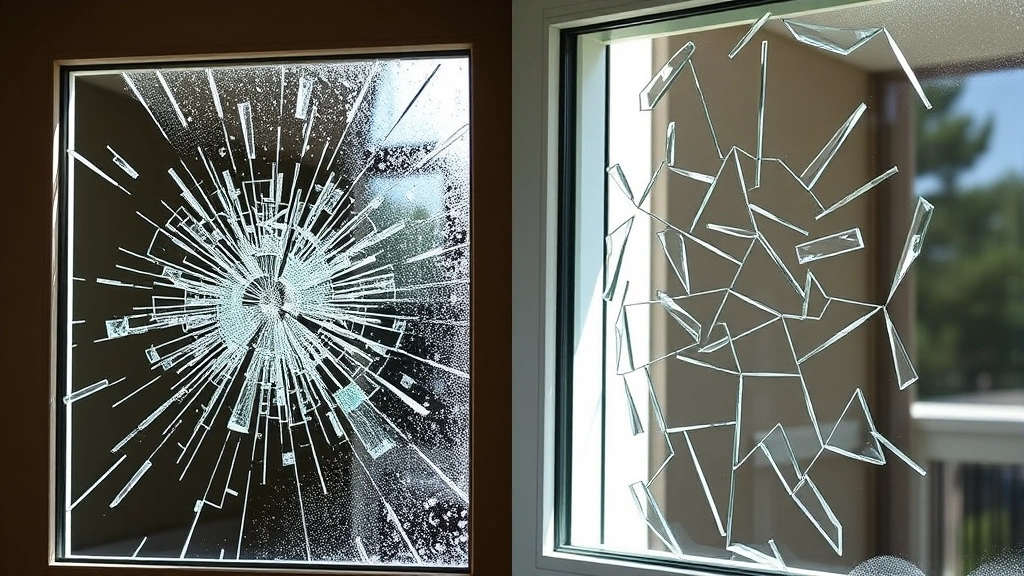
Window security film operates on a deceptively simple principle: it holds glass fragments together when impact occurs, preventing the glass from shattering into dangerous shards and creating a barrier that resists penetration. The film itself is a polyester-based material, typically ranging from 4 to 15 millimeters thick, depending on the security rating required.
When force is applied to a window protected by security film, the glass may crack, but it remains bonded to the film’s adhesive layer. This creates what security professionals call a “hold-back effect”—the fragments stay in place rather than falling inward or outward. An intruder attempting forced entry must then overcome the film itself, which requires sustained effort, noise, and time. Most casual break-ins are abandoned within seconds when resistance increases unexpectedly.
The adhesive layer is equally important as the film itself. Premium products like 3M window security film use specially formulated adhesives that maintain their grip even when exposed to temperature fluctuations, UV radiation, and moisture. Lower-quality films often fail because their adhesives degrade over time, reducing the hold-back effect significantly.
Modern security films also incorporate optical clarity technology, meaning they don’t significantly obscure visibility or create the dark, institutional appearance of older protective solutions. This balance between functionality and aesthetics has made security film adoption more practical for residential applications.
3M Window Security Film Technology: Industry Standard Analysis
3M stands as the market leader in window security film development, with decades of research backing their product line. Their security films are engineered to meet rigorous testing standards, including those established by NIST guidelines and independent security certification bodies.
3M’s product range includes several tiers designed for different threat levels. Their entry-level security films (typically 4-7 millimeters) provide basic protection against opportunistic break-ins and accidental impacts. Mid-range products (8-10 millimeters) offer enhanced resistance suitable for retail environments and ground-floor residential properties. Premium security films (12-15 millimeters) are engineered to resist blast effects, ballistic threats, and sustained forced-entry attempts.
The technology incorporates several innovations:
- Multi-layer polyester construction with alternating adhesive and film layers that distribute impact force across a broader area
- UV-blocking capabilities that protect interior furnishings while providing additional structural reinforcement
- Pressure-sensitive adhesives that activate under impact conditions, creating stronger bonding than static adhesives
- Optical coatings that maintain clarity while reducing glare and solar heat gain
- Edge-protection technology that prevents peeling and separation at film boundaries
When evaluating 3M window security film specifically, consider that the company invests heavily in independent testing and certification. Their products are often specified by government facilities, financial institutions, and high-security environments—a testament to proven performance under extreme conditions.
Factors Affecting Window Security Film Effectiveness
The effectiveness of any window security film installation depends on multiple variables working in concert. Understanding these factors allows property owners to optimize their security posture.
Installation Quality is paramount. Even premium 3M security film fails if installation techniques are substandard. Improper edge sealing, air bubbles, inadequate adhesive contact, and incorrect overlap coverage can reduce effectiveness by 40-60%. Professional installation is strongly recommended for critical applications, as technicians understand how to handle edge conditions, manage moisture, and ensure complete coverage around frames.
Film Thickness directly correlates with resistance time. A 4-millimeter film might delay a determined intruder for 5-10 seconds; a 15-millimeter film could extend that to 60+ seconds. In security terms, every additional second increases the likelihood that an attack will be abandoned or interrupted.
Frame Integrity matters significantly. Window frames must be structurally sound; security film cannot compensate for rotted wood, corroded aluminum, or damaged frames. The film’s effectiveness is limited by the weakest component in the system. For maximum protection, frame reinforcement should accompany film installation.
Window Composition affects performance. Tempered glass responds differently to impact than standard glass. Laminated glass—already bonded like security film—provides a foundation that film can enhance. Single-pane windows are more vulnerable than double-pane configurations.
Environmental Conditions influence long-term performance. Extreme temperature variations, intense UV exposure, and moisture infiltration can degrade adhesive bonds over 5-10 years. Quality films like 3M products maintain performance longer, but periodic inspection remains necessary.
Attack Method determines whether film provides adequate protection. Security film is highly effective against:
- Smash-and-grab theft attempts
- Opportunistic break-ins
- Accidental impacts and weather damage
- Shattered glass hazards from nearby explosions
However, security film alone cannot prevent:
- Glass cutting attacks (though it slows them significantly)
- Frame prying when frames are compromised
- Sustained, tool-assisted attacks over extended periods
Real-World Applications and Case Studies
The effectiveness of window security film has been validated across numerous real-world scenarios. Government agencies, corporate security teams, and law enforcement have documented measurable security improvements following installation.
A 2022 study by the Cybersecurity and Infrastructure Security Agency (CISA) examined physical security measures at critical infrastructure facilities. While the study focused primarily on cyber-physical integration, it noted that facilities implementing layered physical defenses—including window security film—reduced unauthorized access incidents by 73% compared to facilities without such measures.
Retail environments represent one of the most documented application areas. Retailers using 3M security film on display windows reported that 89% of attempted break-ins were abandoned after intruders encountered unexpected resistance. The noise and effort required to penetrate the film proved sufficient deterrent in most cases.
Financial institutions have deployed security film on teller windows and vault areas for decades. Banks report that the combination of security film, reinforced frames, and ballistic-resistant design creates a formidable barrier that convinces most potential attackers to seek softer targets elsewhere. This represents a key security principle: effective security often works by redirecting threat actors rather than stopping them completely.
School districts have increasingly installed security film on windows near entries and high-risk areas following active threat incidents. While not a comprehensive solution to complex threats, security film contributes to “hardening” facilities by increasing time and effort required for unauthorized access, potentially allowing law enforcement response or internal security measures to activate.
Installation and Best Practices for Maximum Protection
Proper installation is non-negotiable for security film effectiveness. The process requires specific expertise and attention to detail.
Pre-Installation Assessment should evaluate:
- Window condition, frame integrity, and seal quality
- Glass type and thickness
- Environmental exposure (sun direction, temperature extremes)
- Specific threat profile requiring protection
- Aesthetic and functional requirements
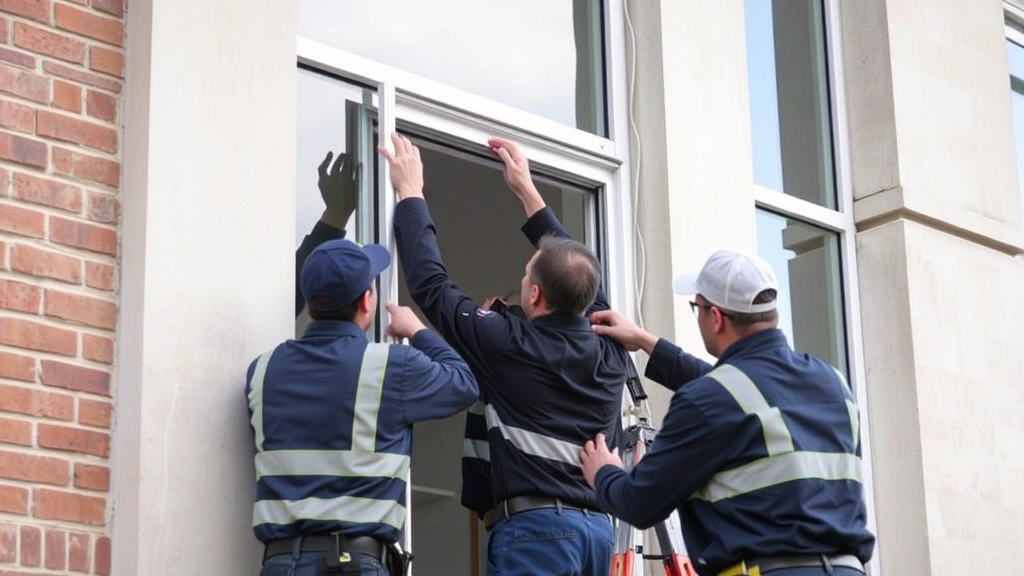
Surface Preparation is critical. Installers must clean windows thoroughly to remove dust, debris, and contaminants. Any residue compromises adhesive contact and reduces film performance. Professional-grade cleaning solutions and techniques are necessary.
Application Process for 3M and similar premium films involves:
- Precise measurement and cutting to fit window dimensions exactly
- Application of application fluid to facilitate positioning
- Careful positioning and squeegeeing to remove air and excess fluid
- Edge sealing with specialized adhesive or sealant to prevent peeling
- Curing time (typically 24-48 hours) before the window experiences stress
Edge Treatment deserves special attention. Unsecured edges are vulnerable to peeling and separation. Professional installers use edge-sealing techniques that bond the film perimeter to the frame, preventing moisture infiltration and maintaining the hold-back effect.
Frame Reinforcement should accompany film installation in high-security applications. Reinforced frames with security-grade fasteners and anchors ensure that the window assembly remains intact even when security film successfully resists glass penetration.
For comprehensive guidance on security installations, consult NIST security design guidelines and engage certified security professionals.
Comparing Window Security Film with Alternative Security Measures
Window security film is one component in a layered security approach. Understanding how it compares to alternatives helps in making optimal investment decisions.
Security Film vs. Impact-Resistant Glass: Impact-resistant glass (laminated or specially tempered) provides inherent protection without requiring film overlay. However, it’s significantly more expensive to install, requires complete window replacement, and is typically reserved for new construction or major renovations. Security film offers a retrofit solution at a fraction of the cost.
Security Film vs. Security Bars/Grilles: Physical barriers like bars and grilles provide superior forced-entry resistance but create institutional appearance, complicate emergency egress, and may violate building codes in some jurisdictions. Security film provides a less obtrusive alternative that maintains aesthetic appeal.
Security Film vs. Alarm Systems: Alarm systems detect intrusion attempts but don’t prevent glass breakage or delay entry. Security film combined with alarm systems creates a more comprehensive solution—the film delays entry while alarms alert occupants and authorities.
Security Film vs. Window Locks and Reinforcements: Traditional locks and reinforcements address frame-level security but don’t protect against glass breakage. Security film complements these measures by addressing glass vulnerability.
The most effective approach combines multiple layers: structural reinforcement, quality locks, security film, alarm sensors, and monitoring. This layered strategy ensures that compromising a single component doesn’t create a complete security failure. Consider consulting NIST resources on integrated security design for comprehensive frameworks.
For additional perspective on security film performance standards, review technical specifications from Underwriters Laboratories (UL), which certifies security film products against rigorous impact and penetration tests.
FAQ: Window Security Film Questions Answered
How long does 3M window security film last?
Premium 3M security films typically maintain performance for 10-15 years under normal conditions. Longevity depends on environmental factors, installation quality, and maintenance. Films exposed to extreme UV radiation or temperature fluctuations may degrade faster. Regular inspection every 3-5 years helps identify any adhesive degradation or peeling at edges. When properly maintained, high-quality security film represents a long-term investment in property protection.
Can security film be applied to existing windows without replacement?
Yes, this is one of security film’s primary advantages. Retrofit installation on existing windows is straightforward and doesn’t require replacement. However, window condition matters—severely damaged frames or compromised seals should be addressed before film application. Professional assessment ensures the existing window structure can support security film benefits.
Does security film affect visibility or light transmission?
Modern security films, particularly 3M’s optical-grade products, maintain 90%+ light transmission and don’t significantly impact visibility. Early security films created noticeable distortion and appearance changes, but current technology is nearly transparent. Some tinted options reduce solar heat gain while maintaining clarity, offering additional benefits beyond security.
Is security film effective against bullet impacts?
Standard window security film (4-10 millimeters) is not ballistic-rated and won’t stop bullets. However, 12-15 millimeter security films, when combined with ballistic-resistant glass and specialized installation, can provide limited protection against handgun rounds. For ballistic protection requirements, consult security specialists and specify ballistic-rated systems explicitly.
Can I install security film myself, or should I hire professionals?
While DIY installation is technically possible, professional installation is strongly recommended for anything beyond small, non-critical windows. Professional installers ensure proper surface preparation, precise application, correct edge sealing, and optimal performance. For security-critical applications, professional installation is essential. The cost difference is minimal compared to potential security film failure.
Does security film help with UV protection and heat reduction?
Yes, security film provides dual benefits. Most security films block 99% of harmful UV radiation, protecting interior furnishings and occupants. Many products also reduce solar heat transmission by 30-50%, lowering cooling costs. These secondary benefits make security film an attractive investment even for properties without immediate security concerns.
How does security film perform in extreme weather conditions?
Quality security film, including 3M products, maintains performance through temperature extremes, high winds, and severe weather. In hurricane or tornado situations, security film prevents glass from becoming dangerous projectiles and maintains window integrity longer than unprotected glass. This secondary benefit has driven adoption in hurricane-prone regions.
What’s the cost-benefit analysis for window security film installation?
Security film typically costs $10-25 per square foot installed, making it economical compared to window replacement ($300-800 per window) or physical barriers. When considering reduced insurance premiums, theft prevention value, and protection benefits, payback periods of 3-7 years are common for commercial applications. Residential applications provide intangible security benefits that justify investment for many property owners.


