Is Your Hearing Safe? Expert Shooting Protection Tips
Hearing damage from firearms is one of the most preventable occupational hazards in shooting sports, yet thousands of shooters suffer permanent auditory loss annually. A single gunshot can produce sound levels exceeding 190 decibels—well above the 85-decibel threshold where the Occupational Safety and Health Administration mandates hearing protection. Whether you’re a competitive shooter, hunter, law enforcement officer, or recreational enthusiast, selecting the best shooting hearing protection is critical to preserving your long-term auditory health.
The consequences of unprotected shooting exposure extend far beyond immediate discomfort. Noise-induced hearing loss is permanent, progressive, and irreversible. Once cochlear hair cells—the delicate structures responsible for translating sound vibrations into neural signals—are damaged, they cannot regenerate. This article explores comprehensive strategies for protecting your hearing while maintaining situational awareness and shooting performance.
Understanding Shooting Noise Hazards
Firearm noise presents unique hearing hazards distinct from occupational industrial exposure. The impulse nature of gunshot noise—extremely brief, intense bursts—creates particular damage mechanisms. Unlike sustained noise exposure where the ear receives warning through discomfort, firearm impulses strike so rapidly that the ear’s natural protective mechanisms cannot respond adequately.
Different firearms produce varying noise levels. A .22 rifle generates approximately 140 decibels, while a 9mm handgun produces around 160 decibels, and larger caliber rifles like a .308 Winchester reach 170+ decibels. Indoor shooting ranges amplify these levels through reverberation, sometimes adding 10-15 decibels to the baseline exposure. According to CDC NIOSH guidelines on occupational noise exposure, even brief exposure to impulse noise at these levels requires robust protection.
The cumulative effect matters significantly. A shooter who practices twice monthly without protection accumulates exposure equivalent to working in an industrial setting exceeding safe limits. Hearing loss develops insidiously—shooters often don’t notice gradual high-frequency hearing loss until significant damage has occurred. Tinnitus, a persistent ringing sensation, frequently accompanies noise-induced hearing loss and can be psychologically distressing.
Types of Hearing Protection Devices
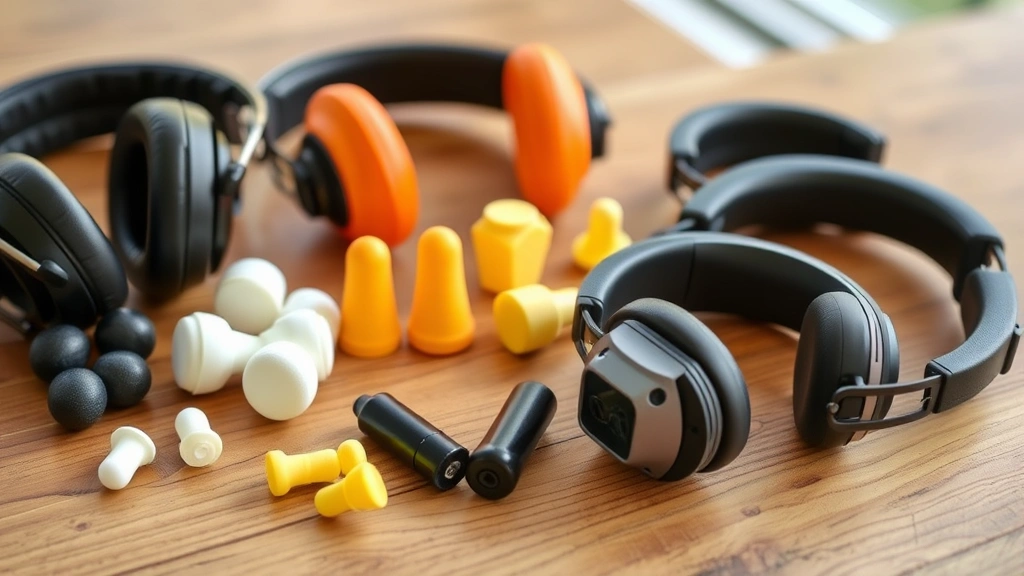
Modern shooting hearing protection falls into two primary categories: passive devices that block sound through physical barriers, and active systems that electronically amplify soft sounds while suppressing loud impulses. Understanding the advantages and limitations of each helps you make informed decisions based on your specific shooting activities.
Passive protection works through simple physics—dense materials block sound waves. This category includes foam earplugs, custom-molded earplugs, and over-the-ear earmuffs. Active systems use microphones and speakers to selectively amplify ambient sounds while clamping down on impulse noise, allowing shooters to hear commands and environmental cues while protected from damaging gunshot blasts.
Passive Earplugs and Earmuffs
Foam earplugs represent the most affordable and accessible hearing protection option. When inserted correctly—rolled into a thin cylinder and pushed deep into the ear canal until the flange fully expands—quality foam plugs provide Noise Reduction Ratings (NRR) of 25-33 decibels. However, improper insertion reduces effectiveness dramatically; many users achieve only 50% of advertised protection due to inadequate insertion depth.
Custom-molded earplugs, created from impressions of individual ear canals, offer superior comfort and consistency for regular shooters. These cost $150-400 initially but last years with proper care. The precise fit ensures reliable noise reduction and prevents the discomfort that leads shooters to remove protection prematurely.
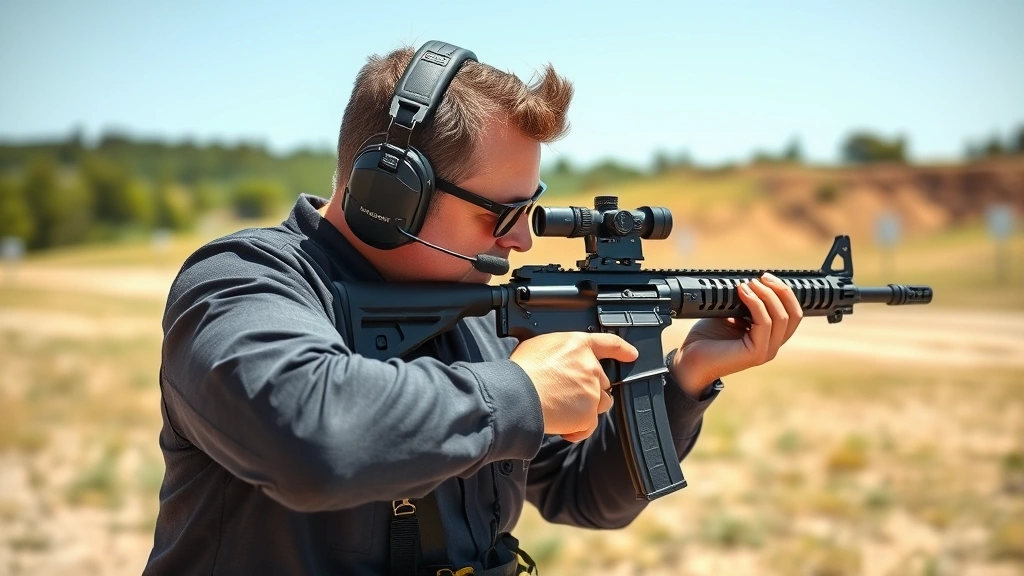
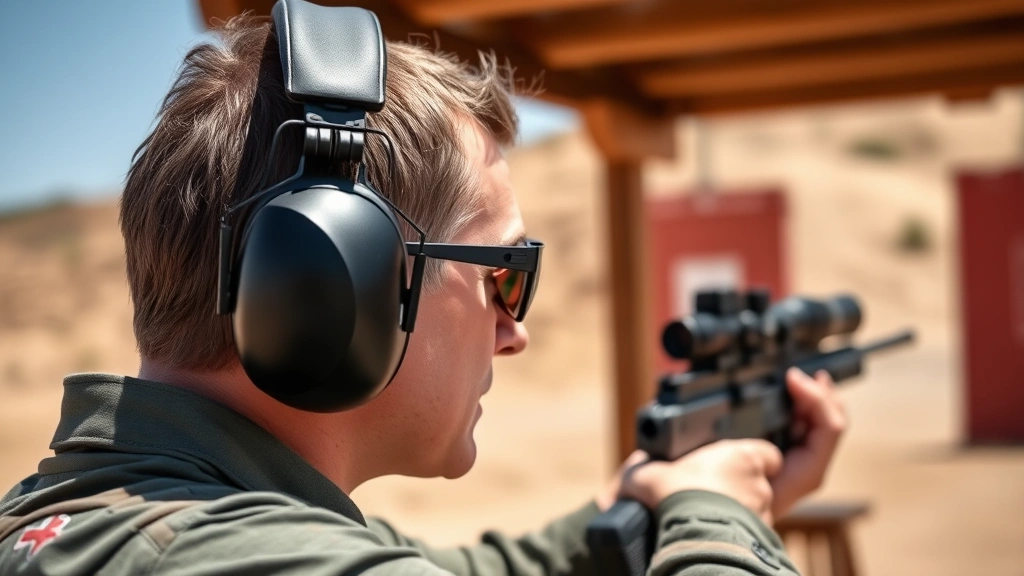
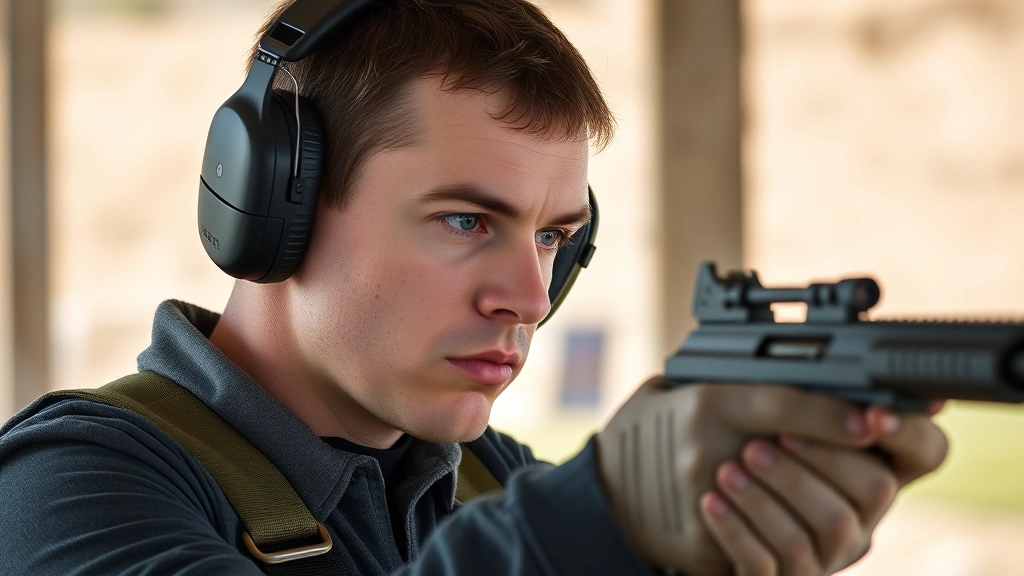
Over-the-ear earmuffs provide NRR ratings of 20-30 decibels and offer advantages for shooters wearing glasses, facial hair, or those who prefer not inserting objects into ear canals. Premium earmuffs feature gel-filled or memory foam ear cushions that maintain seals despite head movement. Look for models with adjustable headbands that accommodate various head sizes comfortably during extended shooting sessions. Double-cup designs that fully enclose the ear provide better attenuation than single-cup models.
Combination approaches—using both earplugs and earmuffs simultaneously—provide additive protection, typically gaining an additional 5-10 decibels of attenuation. This “doubling up” strategy is particularly important for high-noise environments like indoor ranges or when shooting large-caliber rifles.
Electronic Hearing Protection Systems
Electronic hearing protection revolutionized shooting sports by allowing shooters to hear range commands, conversations, and environmental sounds while maintaining protection from impulse noise. These systems use directional microphones to capture ambient sounds, amplify them through speakers at safe listening levels, and employ compression technology to suppress loud impulses.
Level-dependent earmuffs feature passive elements combined with electronic circuitry. In quiet environments, speakers amplify soft sounds to comfortable listening levels. When impulse noise exceeds preset thresholds—typically 80-90 decibels—compression circuits instantly mute the output, protecting ears while allowing normal communication between shooting sessions.
Sound-activated earmuffs offer similar protection with simpler electronics. These typically feature better battery life and lower cost than more sophisticated models, though they may have slightly slower response times to impulses. Quality sound-activated protection still responds within microseconds, faster than any ear muscle response.
Premium digital systems provide directional audio processing, allowing shooters to identify sound sources and maintain superior situational awareness. These models cost $200-600 but offer features like Bluetooth connectivity, adjustable amplification levels, and noise filtering that reduces wind and handling noise while preserving speech clarity.
Battery management becomes important for electronic systems. Alkaline batteries typically provide 20-40 hours of continuous operation, while rechargeable options may offer longer total lifespan. Always carry spare batteries to shooting sessions, and test electronics before relying on them for critical protection.
Doubling Up Protection Methods
Combining multiple protection methods provides redundancy and superior attenuation. The interaction between earplugs and earmuffs isn’t simply additive—the second layer prevents sound from traveling around the first barrier, providing cumulative benefits approaching 5-10 additional decibels beyond single-method protection.
When doubling protection, insertion order matters. Insert earplugs first, ensuring complete insertion and seal. Then don earmuffs, verifying that cushions seal completely around the ear. This sequence prevents earplugs from becoming dislodged when positioning earmuffs.
For maximum effectiveness with electronic protection, pair quality foam or custom earplugs with sound-activated or level-dependent earmuffs. This combination preserves hearing protection benefits while enabling electronic amplification of low-level sounds. Many professional shooters and tactical teams use this approach exclusively.
Selecting Your Ideal Solution
Choosing the best shooting hearing protection depends on your specific circumstances. Consider these factors: frequency of shooting exposure, shooting environment (indoor or outdoor), need for communication, comfort requirements, and budget constraints.
For casual recreational shooters shooting outdoors less than monthly, quality foam earplugs combined with earmuffs provide adequate protection at minimal cost. The OSHA noise exposure standards support this approach for intermittent exposure.
For regular shooters practicing weekly or more, invest in custom-molded earplugs paired with premium earmuffs. This combination offers superior comfort, consistency, and protection that justifies the investment through years of use.
For tactical or professional shooters requiring communication and situational awareness, electronic hearing protection becomes essential. Level-dependent systems allow hearing normal conversation while protecting from impulse noise, critical for team coordination and safety.
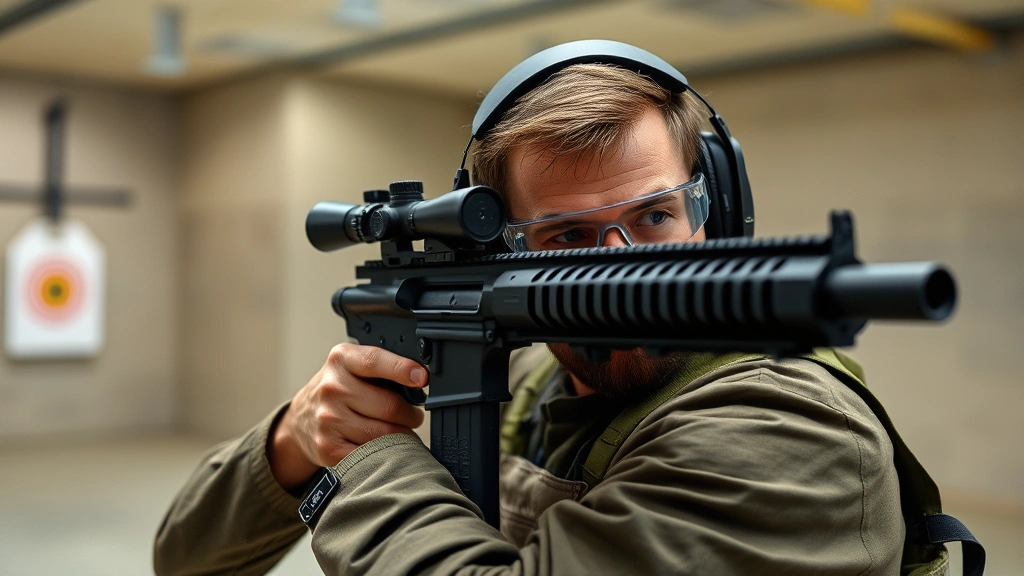
For indoor range shooters, doubling protection is non-negotiable. Indoor environments amplify noise through reverberation, and the enclosed space prevents sound dissipation. Use both earplugs and earmuffs without compromise.
Test different options before committing to expensive purchases. Many shooting ranges rent or have loaner hearing protection. This allows you to experience various systems and identify personal preferences for comfort, fit, and functionality.
Maintenance and Hygiene Practices
Proper maintenance extends hearing protection lifespan and ensures consistent performance. For foam earplugs, replace them regularly—every 2-4 weeks of regular use. Foam degrades over time, losing elasticity and sound-blocking properties. Store foam plugs in clean containers away from dust and dirt.
Clean custom-molded earplugs with warm water and mild soap after each shooting session. This prevents cerumen (earwax) buildup and maintains seal integrity. Dry completely before storage. Professional cleaning annually ensures optimal fit and performance.
For earmuffs, inspect cushions regularly for cracks or hardening. Damaged cushions compromise seals and reduce effectiveness. Many manufacturers offer replacement cushion kits extending earmuff life indefinitely. Store earmuffs in protective cases, avoiding compression that damages cushion materials.
Electronic components require battery management and moisture protection. After shooting sessions in humid environments, allow electronics to dry completely before storage. Keep battery compartments clean and corrosion-free. Test electronics monthly to ensure functionality.
Hearing conservation programs should include regular hearing assessments. Baseline audiograms establish your hearing profile, allowing detection of any degradation. Annual testing during shooting season identifies problems early, informing protection strategy adjustments. Many audiologists offer shooting-specific hearing assessments recognizing impulse noise exposure patterns.
Professional fitting services ensure optimal protection. Audiologists trained in hearing conservation can assess your specific needs, perform proper earplug insertion demonstration, and recommend personalized solutions. This investment in professional guidance often prevents costly hearing damage.
Education matters significantly for hearing conservation success. Understanding noise hazards, proper insertion techniques, and maintenance requirements transforms hearing protection from neglected afterthought to consistent practice. Share this knowledge with shooting partners and range personnel, creating culture prioritizing auditory health.
Regulatory compliance reinforces hearing protection habits. Law enforcement agencies, military units, and professional shooting facilities increasingly mandate hearing protection and conduct compliance verification. These policies normalize protection practices and reduce resistance to adoption.
Long-term hearing health requires consistent commitment. The cumulative damage from years of unprotected or inadequately protected shooting cannot be reversed. Conversely, consistent protection preserves hearing for life, allowing continued participation in shooting sports without degradation.
FAQ
What NRR rating do I need for shooting?
Minimum NRR of 20-25 is adequate for outdoor recreational shooting with moderate-caliber firearms. For high-caliber rifles, large-bore shotguns, or indoor shooting, NRR 25-30 is recommended. Doubling protection methods (earplugs plus earmuffs) provides additional margin of safety exceeding NRR 30 equivalent.
Are electronic earmuffs worth the cost?
For regular shooters requiring communication or tactical awareness, electronic protection justifies the investment. The ability to hear range commands, other shooters, and environmental sounds while maintaining impulse protection significantly improves safety and shooting experience. Casual shooters may find passive protection adequate.
Can I use regular foam earplugs for shooting?
Industrial foam earplugs designed for sustained noise work adequately for shooting if inserted correctly. However, shooting-specific earplugs often feature better impulse response characteristics. Quality matters more than specific branding—ensure proper insertion depth for maximum effectiveness.
How do I know if my earplugs are inserted correctly?
Correct insertion requires rolling foam into thin cylinders and inserting deeply until the flange fully expands within the ear canal. You should feel slight pressure and hear muffled sound. Shallow insertion significantly reduces protection. Consider professional fitting to verify proper technique.
Should I double up protection indoors?
Yes, absolutely. Indoor shooting ranges produce elevated noise levels through reverberation. Doubling protection with both earplugs and earmuffs is strongly recommended for regular indoor shooting. This approach provides the margin of safety necessary to prevent cumulative hearing damage.
What about hearing protection while wearing glasses?
Glasses interfere with earmuff seals, reducing effectiveness. Solutions include: electronic earmuffs with wider headbands accommodating glasses, sports-specific eyewear with thinner temples, or relying primarily on properly inserted earplugs. Consider prescription sports glasses designed for shooting with minimal temple interference.
How often should I replace my earplugs?
Foam earplugs should be replaced every 2-4 weeks of regular use. Custom-molded earplugs last years with proper care but should be replaced if they crack, harden, or no longer seal effectively. Earmuff cushions typically last 1-3 years depending on use intensity and maintenance.
Can hearing protection affect my shooting accuracy?
Properly fitted protection doesn’t significantly impact accuracy. Some shooters report adjustment periods when first using earmuffs, primarily due to altered sound feedback. Electronic hearing protection with directional audio processing maintains normal sound perception while protecting hearing, eliminating this concern.