Top Shooters’ Hearing Protection: Expert Guide
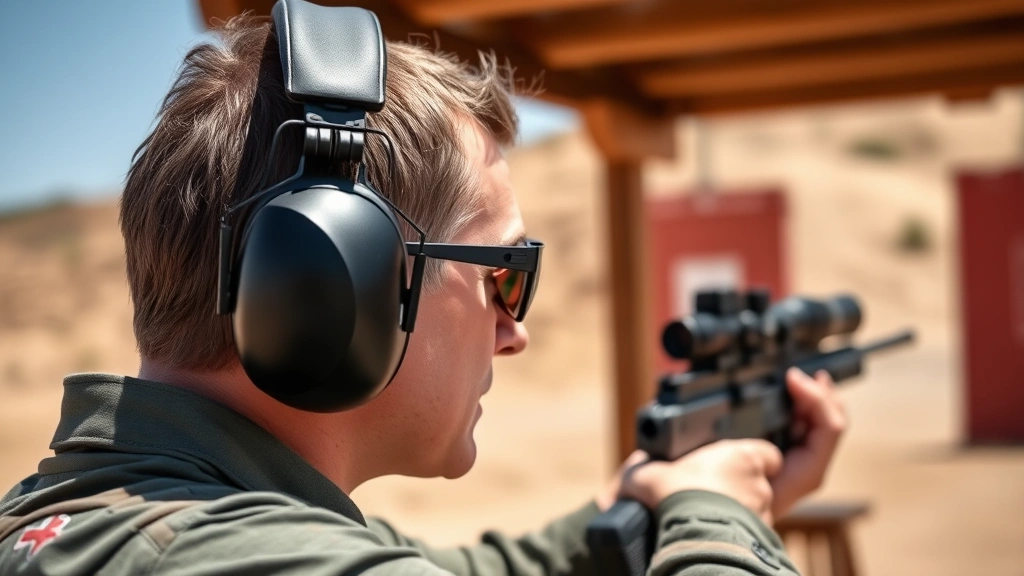
Hearing protection stands as one of the most critical yet frequently overlooked aspects of shooting safety. Whether you’re a competitive marksman, recreational shooter, or professional in law enforcement, exposure to gunfire noise presents permanent auditory damage risks that demand serious attention. A single gunshot can reach 140-190 decibels depending on the firearm type, far exceeding the 85-decibel threshold where hearing damage begins. This comprehensive guide explores the best shooters’ hearing protection solutions, technology innovations, and expert recommendations to preserve your auditory health while maintaining situational awareness at the range.
The consequences of inadequate hearing protection extend beyond immediate discomfort. Prolonged exposure to firearm noise causes noise-induced hearing loss (NIHL), tinnitus, and hyperacusis that can permanently affect your quality of life. Modern hearing protection technology has evolved dramatically, offering shooters multiple solutions that balance noise attenuation, comfort, and communication capabilities. Understanding these options enables informed decisions about protecting your hearing during shooting activities.
Understanding Firearm Noise and Hearing Damage
Firearm noise represents one of the most intense sound exposures humans encounter. A .22 rifle generates approximately 140 decibels, while larger calibers like .308 Winchester or .300 Magnum produce 160-190 decibels. These impulse sounds differ from continuous noise exposure, creating unique challenges for hearing protection design. The brief but intense nature of gunshot noise can cause immediate inner ear damage even with single exposures at unprotected levels.
Noise-induced hearing loss develops through two mechanisms: immediate acoustic trauma from peak pressure levels and cumulative damage from repeated exposure. The inner ear’s hair cells, responsible for converting sound vibrations into neural signals, sustain permanent damage when exposed to excessive sound pressure. Once damaged, these cells cannot regenerate, making prevention through proper hearing protection essential. Research from the CDC’s NIOSH division confirms that consistent use of appropriate hearing protection prevents 90% of preventable hearing loss cases.
Age compounds hearing protection importance. Shooters who begin without protection early in life face exponentially greater hearing loss by middle age. The cumulative effect of unprotected shooting sessions creates irreversible auditory damage that compounds over decades of shooting activities.
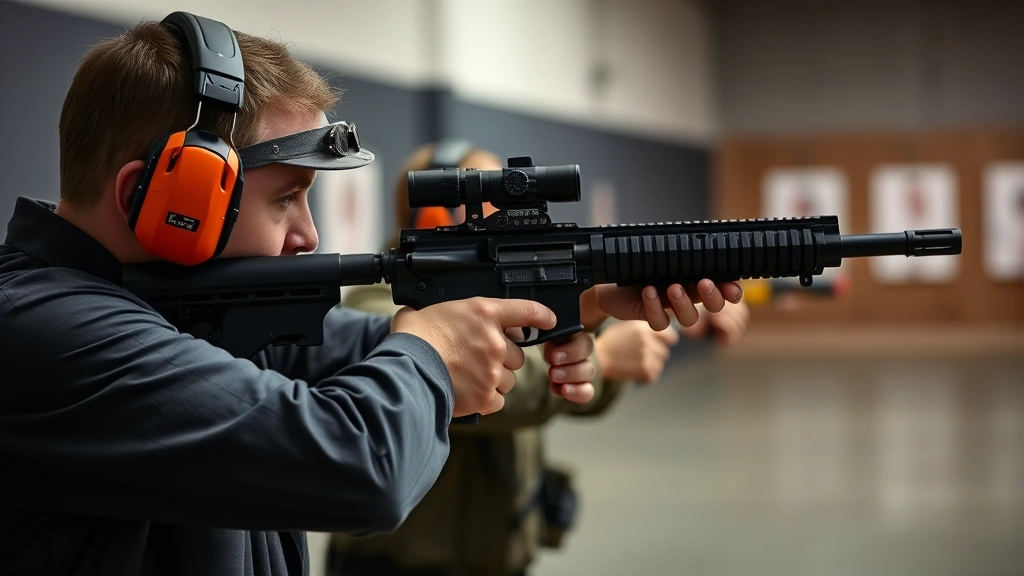
Types of Hearing Protection for Shooters
Effective hearing protection for shooters encompasses several distinct categories, each offering different advantages and limitations. Shooters often employ multiple protection methods simultaneously to achieve optimal noise reduction ratings (NRR). Understanding each category helps identify the best combination for your specific shooting applications and environment.
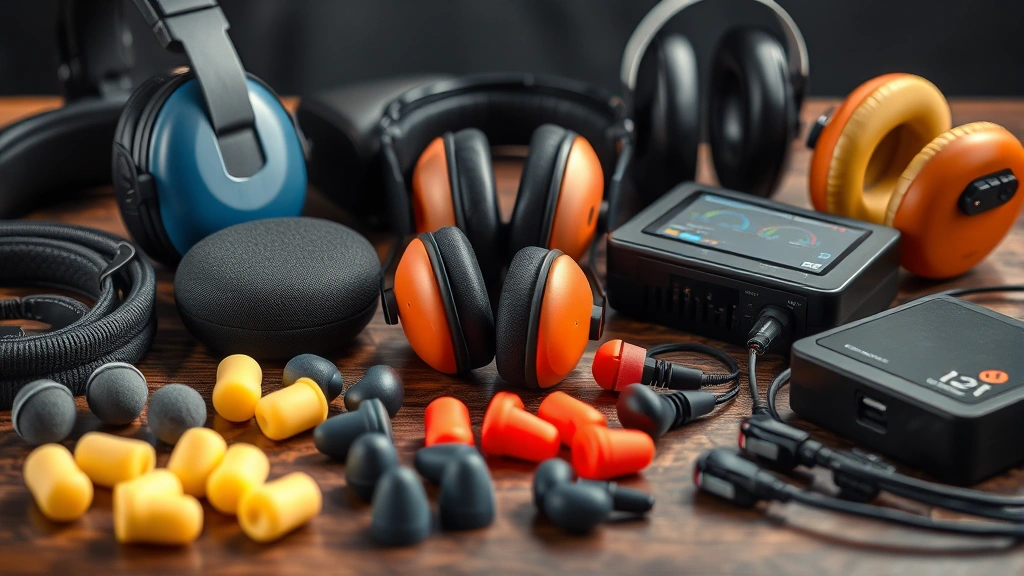
The primary categories include passive foam earplugs, over-the-ear earmuffs, electronic amplification systems, and custom-molded solutions. Each approach addresses hearing protection differently, with varying degrees of noise attenuation, comfort, durability, and communication capability. Professional shooters typically employ layered protection combining multiple types to achieve maximum effectiveness.
Electronic Hearing Protection Systems
Electronic hearing protection represents the most significant technological advancement in shooter safety. These systems amplify ambient sounds and conversation while instantaneously blocking loud impulses from gunfire. This dual functionality allows shooters to maintain situational awareness and communicate with range partners without removing protection during quiet periods.
Premium electronic earmuffs feature independent left and right channel processing, directional microphones, and customizable amplification settings. Leading models offer impulse noise blocking at 20-40 decibels while amplifying normal conversation to natural listening levels. Some advanced systems include Bluetooth connectivity for range communication and smartphone integration.
The technology works through sound-level-dependent circuits that detect loud impulses and close internal gates within milliseconds, blocking the dangerous peak pressure from reaching the ear. Simultaneously, quiet environmental sounds pass through normally. This allows shooters to hear range commands, safety briefings, and conversation naturally while maintaining complete protection during firing sequences.
Popular electronic protection options include the 3M Peltor series, Walkers Razor Slim, MSA Sordin Supreme Pro, and Howard Leight Impact Sport models. These systems typically cost $150-$400 and provide excellent value through multi-day battery life and durable construction. OSHA noise regulations recognize electronic systems as equivalent to passive protection when properly maintained.
Foam and Passive Earplugs
Foam earplugs remain the most accessible and affordable hearing protection option for shooters. Properly inserted foam plugs provide 25-33 NRR when compressed and inserted to full depth in the ear canal. Their effectiveness depends critically on correct insertion technique, which many users fail to achieve.
Common foam earplug types include slow-recovery and fast-recovery formulations. Slow-recovery foams compress more gradually, allowing easier insertion but requiring longer expansion time. Fast-recovery foams expand quickly after insertion, creating tighter seals but demanding more careful placement. Yellow foam plugs typically offer better low-frequency attenuation, while orange foams provide slightly higher overall NRR ratings.
Proper insertion requires pulling the upper ear back and upward while inserting the compressed plug, then allowing 20-30 seconds for full expansion before shooting. Many shooters achieve only 15-20 NRR through improper technique, substantially reducing protection effectiveness. Disposable foam plugs cost $0.25-$1.00 per pair, making them economical for frequent shooters who can master insertion techniques.
Reusable silicone and mineral-based plugs offer alternatives to foam, with NRR ratings of 20-26. These options work well for shooters with sensitive ear canals or those seeking washable, longer-lasting solutions. Flanged designs provide consistent sealing without compression, though they typically offer slightly lower attenuation than properly inserted foam.
Over-the-Ear Earmuffs
Passive earmuffs provide 20-30 NRR depending on seal quality and design. Circumaural designs that fully enclose the ear typically outperform smaller models, though comfort varies significantly between individuals. Proper fit depends on consistent headband pressure and complete ear canal coverage without gaps.
Quality earmuff construction includes memory foam ear cushions, adjustable headbands, and noise-isolating seals. Dual-cup designs offer independent left-right adjustment for optimal seal consistency. Some models feature folding hinges for convenient storage and portability, important considerations for range shooters who transport equipment regularly.
Over-the-ear options excel for shooters wearing eyeglasses, where foam plugs sometimes create acoustic leaks around frame temples. Earmuffs accommodate eyewear without compromising seal integrity. However, extended wear can cause discomfort from headband pressure and ear cushion compression during long shooting sessions.
Popular earmuff models include the 3M Peltor X5A, Snug Kids Earmuffs (surprisingly effective for adults with smaller ears), and Pro For Sho NRR 34 options. Prices range from $40-$150 for quality passive models, with electronic versions commanding $150-$400. The investment yields decades of use with proper maintenance.
Custom-Molded Solutions
Custom-molded earplugs represent the premium hearing protection option, offering superior comfort and seal consistency. Audiologists create impressions of individual ear canals, producing plugs that fit precisely without insertion technique variation. Custom solutions provide consistent NRR achievement regardless of user skill level.
Two primary custom categories exist: passive custom molds and custom electronic systems. Passive custom molds deliver 25-30 NRR with excellent comfort for extended wear. Custom electronic systems integrate amplification and impulse blocking into individually molded housings, providing premium functionality with perfect fit.
The custom route requires professional audiometric testing, ear impression appointments, and 1-2 week fabrication periods. Costs range from $200-$600 for passive custom molds and $800-$2000 for custom electronic systems. While expensive initially, custom solutions provide decades of use and eliminate insertion technique variability, justifying investment for serious competitive or professional shooters.
Law enforcement agencies and military units frequently employ custom-molded hearing protection for personnel requiring consistent protection across diverse operational scenarios. The tailored fit ensures maximum effectiveness regardless of activity level or environmental conditions.
Double Protection Strategy
Combining foam plugs with over-the-ear earmuffs creates layered protection exceeding either method alone. This “double protection” approach is recommended by the National Forensic Science Technology Center for high-noise shooting environments. When properly implemented, double protection achieves 40-50 NRR, providing substantial safety margin against impulse noise exposure.
The combination works through different attenuation mechanisms: foam plugs block noise in the ear canal while earmuffs seal around external ears. This redundancy ensures protection if one method fails or fits improperly. Professional shooters, law enforcement instructors, and competitive marksmen frequently employ double protection during high-round-count training sessions.
Proper double protection requires quality components at each level. Using inexpensive foam with cheap earmuffs provides minimal benefit over single protection. Combining premium foam plugs with high-NRR earmuffs creates genuine redundancy and measurable protection improvement. The combined approach costs $30-$100 per shooting session when factoring in consumable earplug replacement.
Selection Criteria and Fit Testing
Choosing optimal hearing protection requires evaluating shooting frequency, environment, communication needs, and personal comfort preferences. Occasional shooters might prioritize cost-effectiveness, while competitive athletes should invest in premium solutions supporting extended wear comfort and situational awareness.
Environmental factors significantly influence selection. Indoor ranges with hard reflective surfaces amplify noise levels substantially above outdoor shooting, requiring more aggressive protection. Competitive shooting environments benefit from electronic systems enabling communication with range officers and spotters. Tactical training scenarios demand protection maintaining auditory situational awareness while blocking impulse noise.
Fit testing determines protection effectiveness. EPA guidelines recommend real-ear attenuation at threshold (REAT) testing through qualified professionals. This objective measurement confirms whether specific products achieve advertised NRR in individual ears. Subjective comfort assessment matters equally—protection unused because of discomfort provides zero benefit.
Budget considerations range from $20-$30 for basic foam plug systems to $2000+ for premium custom electronic solutions. Mid-range options ($100-$300) combining quality earmuffs with electronic functionality provide excellent value for dedicated shooters. Amortizing costs across hundreds of shooting sessions reveals that premium protection represents minimal expense relative to hearing preservation value.
Storage and maintenance extend protection lifespan significantly. Electronic systems require battery management and periodic cleaning. Foam plugs need cool, dry storage preventing compression. Earmuffs benefit from regular cushion inspection and headband adjustment verification. Proper care ensures consistent protection across years of shooting activities.
FAQ
What NRR rating do I need for shooting?
For firearm shooting, minimum 25-30 NRR is recommended for single protection. Double protection (plugs plus earmuffs) achieving 40-50 NRR provides superior safety margin. The specific requirement depends on firearm caliber, shooting environment, and exposure duration. Larger calibers and indoor ranges demand higher protection ratings.
Can electronic hearing protection block gunshots?
Yes, quality electronic systems block impulse noise from gunshots through sound-level-dependent circuits. These gate systems respond within 2-4 milliseconds, preventing dangerous peak pressure from reaching the inner ear while allowing normal conversation amplification. Effectiveness depends on proper fit and functioning electronics.
Are foam earplugs effective for shooting?
Foam earplugs provide 25-33 NRR when properly inserted to full depth. Many shooters achieve only 15-20 NRR through improper technique. Correct insertion—pulling the ear back and upward while fully compressing the plug—is critical. Combining foam with earmuffs dramatically improves effectiveness.
How often should I replace hearing protection?
Disposable foam earplugs should be replaced after each use. Reusable foam plugs last 4-6 weeks with regular cleaning. Earmuff cushions typically last 6-12 months with regular use. Electronic systems require battery replacement every 20-40 hours of use depending on model. Custom-molded solutions last years with proper care.
Can hearing damage from shooting be reversed?
Noise-induced hearing loss from shooting is permanent because inner ear hair cells cannot regenerate once damaged. This makes prevention through proper hearing protection absolutely critical. Early intervention through consistent protection use prevents cumulative damage that becomes increasingly noticeable with age.
What’s the best hearing protection for eyeglass wearers?
Electronic earmuffs accommodate eyeglasses better than foam plugs, which may create acoustic leaks around frame temples. Over-the-ear protection with memory foam cushions designed for glasses wearers provides optimal seal. Combining quality earmuffs with properly inserted foam plugs ensures protection despite eyewear.
How do I know if my hearing protection fits correctly?
For foam plugs, insertion should reach full depth with 20-30 second expansion time. For earmuffs, the seal should feel consistent around the entire ear perimeter with firm but comfortable headband pressure. Professional fit testing through audiologists provides objective confirmation. If you hear gunshots clearly, protection isn’t sealing properly.