Best In-Ear Shooting Protection: Shooter’s Complete Guide
Hearing protection is one of the most critical yet frequently overlooked aspects of safe shooting practice. Whether you’re at an indoor range, hunting in the field, or training at an outdoor facility, exposure to gunfire noise can cause permanent hearing damage in seconds. Sound levels from firearms typically range from 140 to 190 decibels—well above the 85-decibel threshold where hearing damage begins. Modern in-ear shooting protection has evolved dramatically, offering shooters options that combine effective noise reduction with situational awareness, comfort for extended wear, and seamless integration into tactical or recreational shooting scenarios.
Selecting the right in-ear hearing protection requires understanding the different technologies available, matching protection levels to your specific shooting environment, and considering factors like comfort, battery life, and compatibility with other gear. This comprehensive guide walks you through everything you need to know to make an informed decision and protect your hearing for years of safe shooting ahead.
Understanding Sound Levels and Hearing Damage
Before diving into specific protection products, it’s essential to understand why in-ear shooting protection matters. Firearm noise exposure causes two types of hearing damage: acoustic trauma (immediate damage from extremely loud impulse noise) and noise-induced hearing loss (cumulative damage from repeated exposure). A single shot from a rifle can produce 150-190 decibels of sound, depending on caliber and barrel length. This instantaneous peak can cause permanent damage to the delicate hair cells in your inner ear that transmit sound signals to your brain.
According to the CDC’s noise and hearing loss guidelines, exposure to sounds above 140 decibels can cause immediate hearing damage. Hunters and sport shooters who fail to use adequate protection face cumulative hearing loss that becomes noticeable over months and years, often resulting in tinnitus, difficulty understanding speech, and reduced quality of life. The good news is that properly fitted and consistently used in-ear hearing protection can reduce dangerous noise levels by 20-35 decibels, bringing gunfire into safer ranges.
Understanding your specific shooting environment is crucial for selecting appropriate protection. Indoor ranges create reverberation that amplifies sound levels compared to outdoor shooting. Caliber matters significantly—.22 LR rifles produce approximately 140 decibels, while .308 Winchester rifles reach 165+ decibels. Shotguns vary from 150 decibels (light target loads) to 165+ decibels (heavy magnum loads). These distinctions help determine what noise reduction rating (NRR) you need.
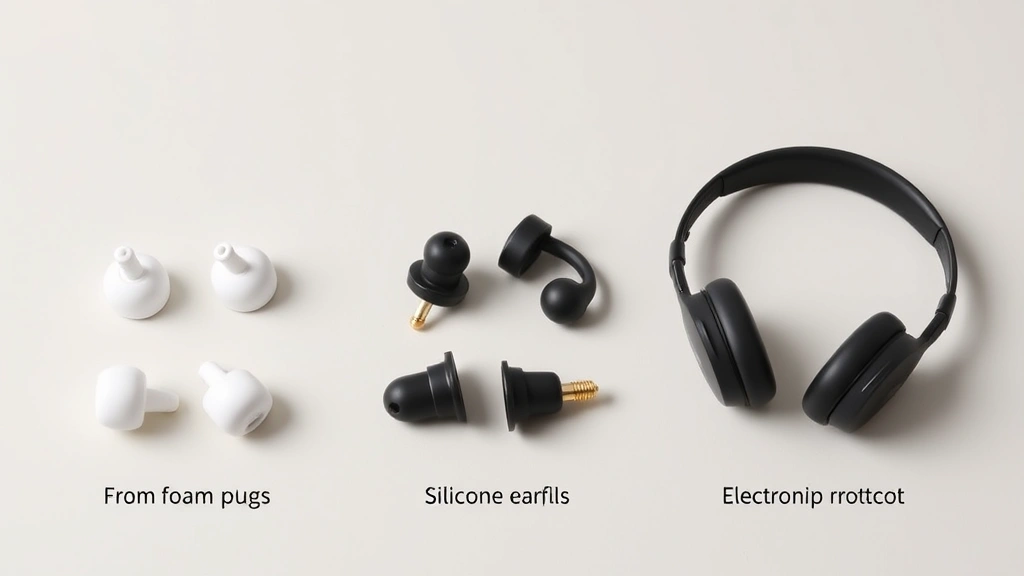
Types of In-Ear Shooting Protection
The in-ear hearing protection market offers several distinct categories, each with specific advantages and disadvantages:
- Passive In-Ear Plugs: These foam or silicone earpieces rely purely on physical blocking to attenuate sound. They’re affordable, require no batteries, and work immediately. However, they provide uniform attenuation across all frequencies and don’t amplify quiet sounds, making situational awareness difficult during hunting or tactical scenarios.
- Level-Dependent (Compression) Plugs: These passive devices use special diaphragms that block loud impulse noise instantly but remain open to ambient sounds. They’re excellent for hunting where you need to hear approaching game or subtle environmental cues while protecting against gunfire. No batteries required, though they’re more expensive than basic foam plugs.
- Electronic/Digital In-Ear Protectors: Battery-powered devices that actively amplify quiet sounds while electronically clamping down on loud impulses. These offer the best situational awareness, allowing normal conversation and environmental listening while providing excellent impulse protection. Premium options include directional microphones, wireless connectivity, and advanced signal processing.
- Hybrid Systems: Some products combine passive and electronic elements, offering both passive backup protection and active amplification features for maximum versatility.
Each type serves different shooting disciplines. Competitive shooters might prioritize comfort and consistent protection, while hunters value situational awareness. Tactical operators need reliable communication and rapid response to threats. Understanding your primary shooting activity guides which category best serves your needs.
Key Features to Consider
Noise Reduction Rating (NRR) measures how many decibels a device reduces sound. In-ear protection typically ranges from NRR 20-33. However, real-world performance differs from lab ratings—proper insertion is critical. A poorly inserted earplug might provide only 50% of its rated protection. Always follow manufacturer insertion instructions carefully and test your seal periodically.
Frequency Response matters significantly. Shooting generates noise across multiple frequency ranges, but the most damaging components are in the high-frequency range (2,000-4,000 Hz). Quality in-ear protection targets these frequencies effectively while allowing lower-frequency ambient sounds through, preserving natural hearing for communication and situational awareness.
Battery Life and Power Management are critical for electronic options. Most quality in-ear electronic protectors offer 20-40 hours of continuous use per charge. Some models include solar charging or extended battery options. For serious shooters, having multiple pairs or backup batteries prevents mid-range disappointments.
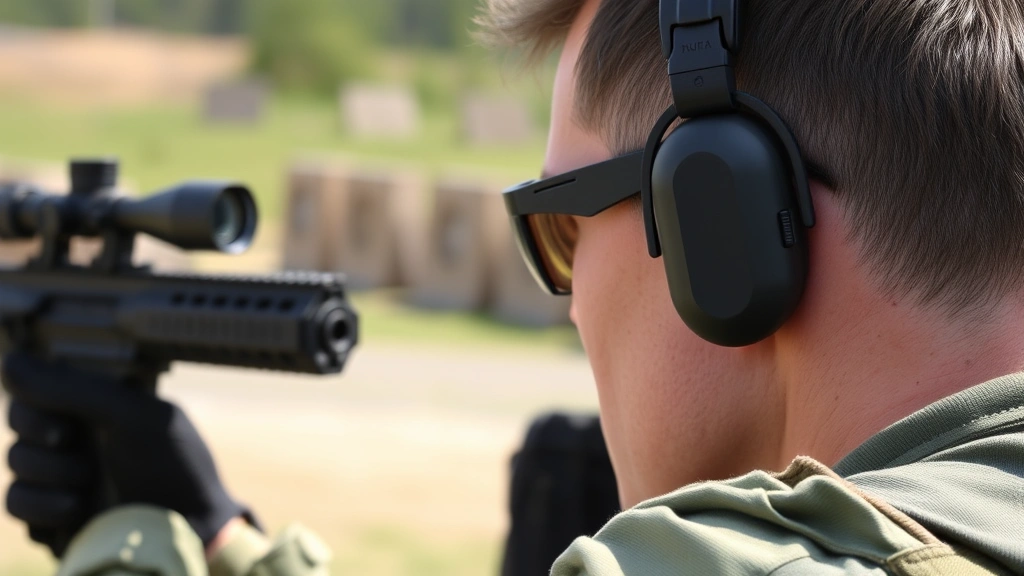
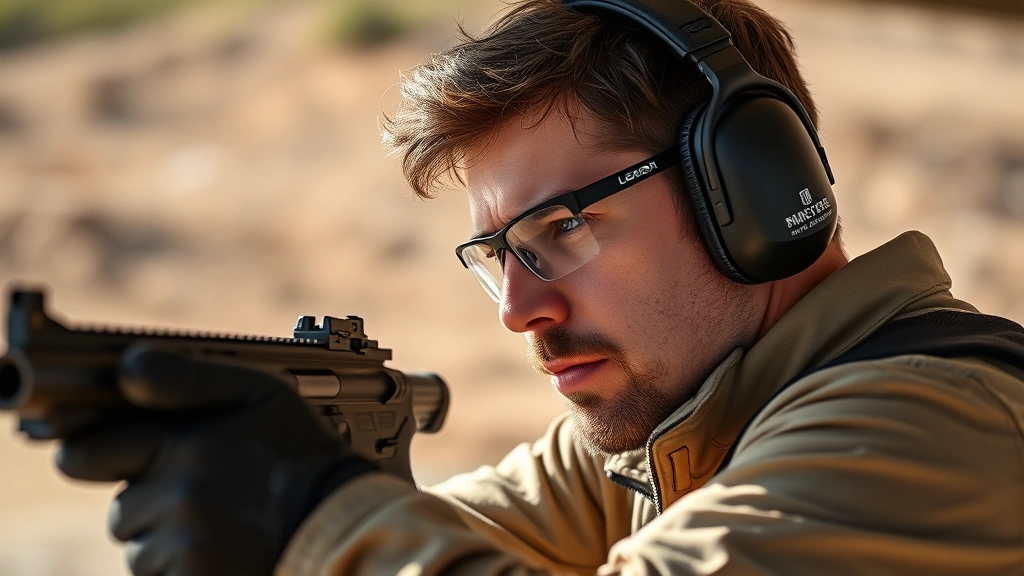
Compatibility and Integration determine how well protection works with your other gear. Do the earpieces fit comfortably under a shooting hat or helmet? Will they work with communication systems you already use? Tactical shooters especially need seamless integration with headsets, radio systems, and protective eyewear.
Comfort for Extended Wear is non-negotiable. Poorly fitting earpieces cause fatigue, encouraging shooters to remove them—defeating the entire purpose. Look for ergonomic designs with multiple size options, breathable materials, and lightweight construction. Premium brands invest heavily in comfort because shooters won’t consistently use uncomfortable protection.
Durability and Weather Resistance matter for field use. Hunting and outdoor shooting expose protection to moisture, temperature extremes, and physical stress. Look for sealed electronics, corrosion-resistant materials, and robust construction. Many quality options are rated IP54 or higher for dust and water resistance.
Top In-Ear Protection Options
The market includes several standout products that consistently receive positive feedback from experienced shooters:
3M Peltor Combat Arms: These level-dependent earpieces provide excellent passive protection while remaining open to ambient sound. The dual-position boom microphone amplifies quiet sounds for enhanced situational awareness. They’re wireless-compatible, comfortable for extended wear, and reasonably priced. The passive design means no batteries to worry about, making them reliable in any conditions.
SureFire Sonic Defenders: Available in foam and level-dependent versions, these military-grade earpieces deliver consistent performance and excellent comfort. The proprietary foam material is hypoallergenic and maintains its seal even during extended wear. The level-dependent option includes advanced sound processing that amplifies conversation while suppressing impulse noise.
Walker’s Razor Slim: These electronic in-ear protectors offer exceptional sound quality and directional microphones that enhance spatial awareness. The slim profile fits comfortably under hats and helmets, critical for hunters and tactical users. Battery life extends to 40+ hours, and the digital noise reduction actively processes incoming sound rather than passively blocking it.
Etymotic Research EB2: Designed specifically for shooters, these premium earpieces provide high-fidelity sound amplification through level-dependent passive design. The three-flange earpieces ensure secure fit for active shooting, and the audiologist-grade construction delivers superior sound quality compared to consumer products.
Howard Leight Impact Sport: These wireless-compatible electronic protectors offer excellent value and reliable performance. The impact-activated compression technology responds instantly to loud impulses while maintaining ambient sound amplification. They’re particularly popular with hunters who appreciate the natural sound amplification.
Fit and Comfort Considerations
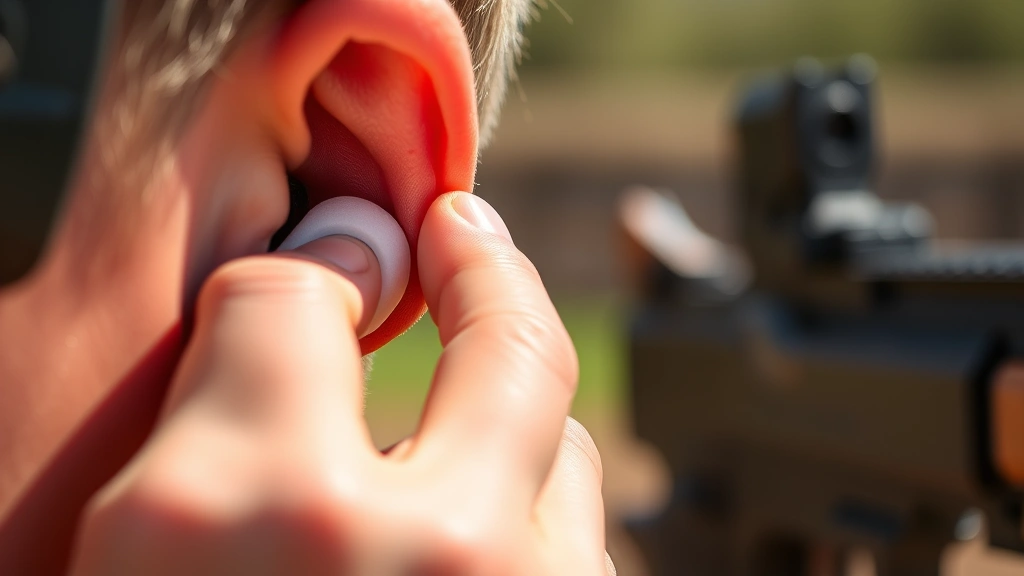
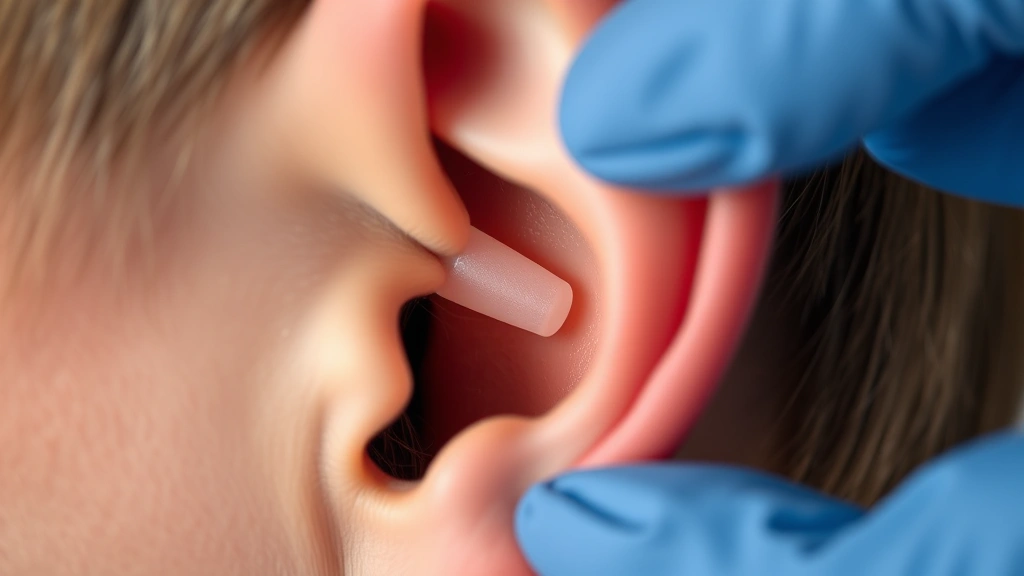
Even the best in-ear shooting protection fails if it doesn’t fit properly. Proper insertion creates an acoustic seal that blocks sound effectively. Follow these guidelines:
- Clean your ear canals before insertion to remove wax buildup that prevents proper sealing
- Insert earpieces slowly and gently, using a twisting motion to seat them fully
- Ensure the earpiece fills your ear canal without causing discomfort or pressure
- Test the seal by gently pulling on the earpiece—it should create slight suction and resistance
- Wear protection for at least 15 minutes before shooting to ensure comfort during extended use
Most quality earpieces come with multiple size options (small, medium, large) to accommodate different ear canal sizes. Don’t assume you need a particular size—test all available options to find the best fit. Some shooters find that foam earpieces provide better seals than silicone, while others prefer the durability and washability of silicone.
For eyeglass wearers, certain in-ear designs work better than others. Avoid bulky earpieces that push against eyeglass frames, creating pressure points. Look for compact, low-profile designs that sit comfortably alongside glasses. Many shooters prefer over-ear or behind-the-neck styles specifically to avoid interference with eyewear.
Custom-molded earpieces represent the ultimate in comfort and effectiveness. Audiologists can create personalized molds from ear impressions, guaranteeing perfect fit and maximum acoustic seal. While expensive ($200-400), custom options offer unmatched comfort for shooters who practice frequently and value perfect fit.
Maintenance and Longevity
Proper maintenance extends the life of your in-ear shooting protection and ensures consistent performance:
- Regular Cleaning: Wipe earpieces with dry cloth after each use to remove ear wax and moisture. For deeper cleaning, use mild soap and water on silicone earpieces, but never submerge electronic components.
- Storage: Store protection in a clean, dry case away from extreme temperatures. Excessive heat damages battery components and foam earpieces, while cold reduces battery efficiency.
- Battery Management: For electronic models, charge batteries regularly even during off-season storage. Completely depleted batteries may not recharge properly. Consider investing in quality rechargeable batteries from reputable manufacturers.
- Inspection: Periodically inspect foam earpieces for deterioration, cracks, or permanent compression. Damaged foam provides reduced protection. Most foam earpieces last 3-6 months with regular use before requiring replacement.
- Seal Testing: Quarterly, test your earpiece seal by gently tugging the earpiece while it’s inserted. A properly seated earpiece should resist removal with slight suction feedback.
Replacement foam earpieces are inexpensive ($5-15 per pair) and should be considered consumable items. Many shooters keep spare sets in their range bags. For electronic models, replacement ear cushions and foam typically cost $15-30, extending device life significantly compared to replacing entire units.
For tactical or professional users, consider establishing regular maintenance schedules. Clean and inspect protection monthly, replace foam quarterly, and have electronic components serviced annually by manufacturers. This preventive approach ensures equipment reliability when protection is critical.
According to NFSTC guidelines on hearing protection, consistent use of properly maintained equipment reduces occupational hearing loss risk by over 85%. The investment in quality protection and maintenance pays dividends throughout your shooting career.
FAQ
What NRR do I need for shooting?
For most shooting activities, NRR 25-30 provides adequate protection when properly inserted. Rifle shooters benefit from NRR 30+, while shotgun shooters should prioritize NRR 28-32. Always use protection rated for your specific shooting environment—higher NRR isn’t always better if it sacrifices situational awareness.
Can I use the same in-ear protection for hunting and range shooting?
Level-dependent and electronic in-ear protectors work well for both applications. Passive foam earpieces work at ranges but may compromise hunting situations where you need to hear environmental sounds. If you shoot in both contexts regularly, consider electronic options that provide the versatility both activities require.
How do I know if my earpieces are inserted correctly?
Properly inserted earpieces should feel snug without discomfort, create slight suction resistance when gently pulled, and pass an immediate sound reduction test. Before shooting, try inserting and removing them several times to develop muscle memory. Many manufacturers provide insertion videos demonstrating proper technique.
Are custom-molded earpieces worth the investment?
For shooters who practice frequently (more than monthly), custom molds provide superior comfort, perfect seal consistency, and enhanced durability. The $200-400 investment pays off through years of comfortable, reliable use. Casual shooters may find standard sizes sufficient.
What’s the difference between passive and electronic protection?
Passive protection blocks all sound uniformly and requires no batteries. Electronic protection amplifies quiet sounds while suppressing loud impulses, enabling natural communication and situational awareness. Electronic options cost more but provide superior functionality for hunting and tactical applications.
Can I wear in-ear protection under a helmet or hat?
Most modern in-ear protection fits comfortably under hats and helmets, especially slim-profile designs. Test your specific combination before critical shooting. Some shooters prefer behind-the-neck styles that eliminate pressure from headwear.
How often should I replace foam earpieces?
Foam earpieces typically maintain effectiveness for 3-6 months with regular use. Replace them when you notice permanent compression, cracks, or reduced comfort. Silicone earpieces last longer but require thorough cleaning to maintain hygiene.
Are wireless in-ear protectors reliable for shooting?
Modern wireless in-ear protectors from reputable manufacturers are reliable and offer excellent integration with communication systems. However, ensure your model has proven reliability in field conditions. Read reviews from shooters who use them in your specific application before purchasing.
OSHA occupational noise exposure standards apply to professional and competitive shooters, requiring documented hearing protection programs. Even recreational shooters benefit from the same protection standards.
For comprehensive information on hearing conservation, consult American Speech-Language-Hearing Association resources and American Hearing Research Foundation guidelines on hearing protection and conservation.