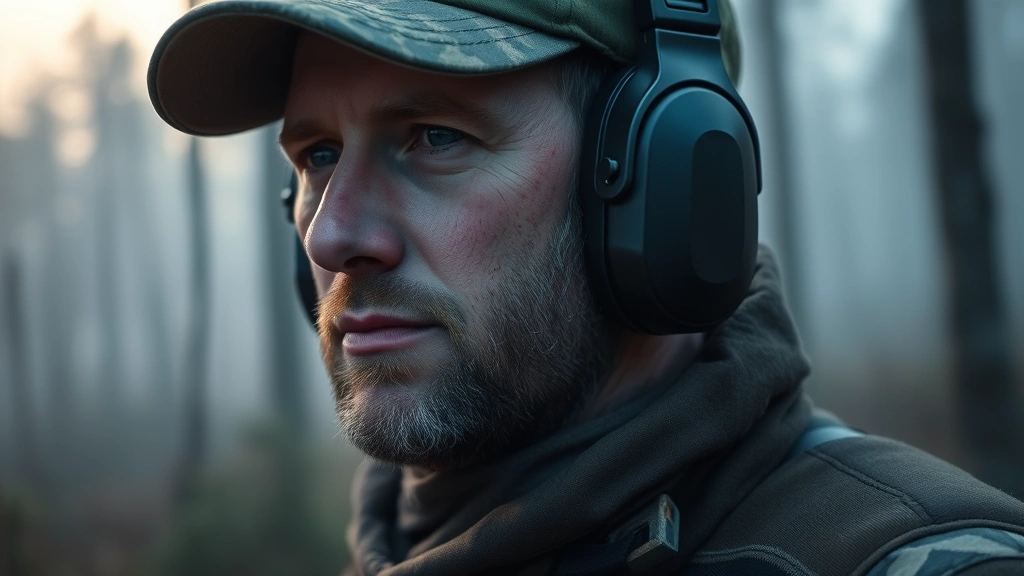
Hearing protection is one of the most critical yet frequently overlooked aspects of hunting safety. A single exposure to gunfire without proper ear protection can cause permanent hearing damage, tinnitus, and irreversible hearing loss. Hunters face unique challenges when selecting hearing protection because they need devices that block dangerous impulse noise from gunshots while still allowing them to hear ambient sounds like approaching game, wind patterns, and other hunters. This comprehensive guide explores the best hunting ear protection options available today, helping you make an informed decision that balances safety, comfort, and functionality.
The decibel levels produced by firearms are exceptionally dangerous. A rifle shot can produce noise levels between 150-190 decibels, far exceeding the 85-decibel threshold where hearing damage begins to occur. Unlike industrial noise, gunfire creates impulse noise—sudden, intense bursts that can damage hearing even with brief exposure. Proper hunting ear protection must address this specific threat while maintaining situational awareness, which is essential for safe and successful hunting.
Understanding Hearing Damage and Protection Standards
Before selecting the best hunting ear protection, it’s essential to understand how hearing damage occurs and what protection ratings mean. The National Institute for Occupational Safety and Health (NISH) and the Environmental Protection Agency (EPA) establish guidelines for hearing protection effectiveness. Noise Reduction Rating (NRR) is the standard measurement in the United States, indicating how many decibels a device can reduce noise exposure.
However, NRR values can be misleading for hunters. The EPA’s testing protocol assumes proper insertion and fit, which many users fail to achieve. Real-world protection is typically 25-50% less effective than the labeled NRR. Additionally, NRR values don’t specifically address impulse noise from firearms. NIOSH provides comprehensive hearing protection guidance that addresses both continuous and impulse noise exposure.
For hunting specifically, you need protection that reduces impulse noise by at least 20-30 decibels. Most quality hunting ear protection devices achieve NRR ratings between 20-33, which translates to practical protection of 15-25 decibels when accounting for real-world fit variations. The key is selecting devices designed specifically for hunting rather than general industrial hearing protection.
Types of Hunting Ear Protection
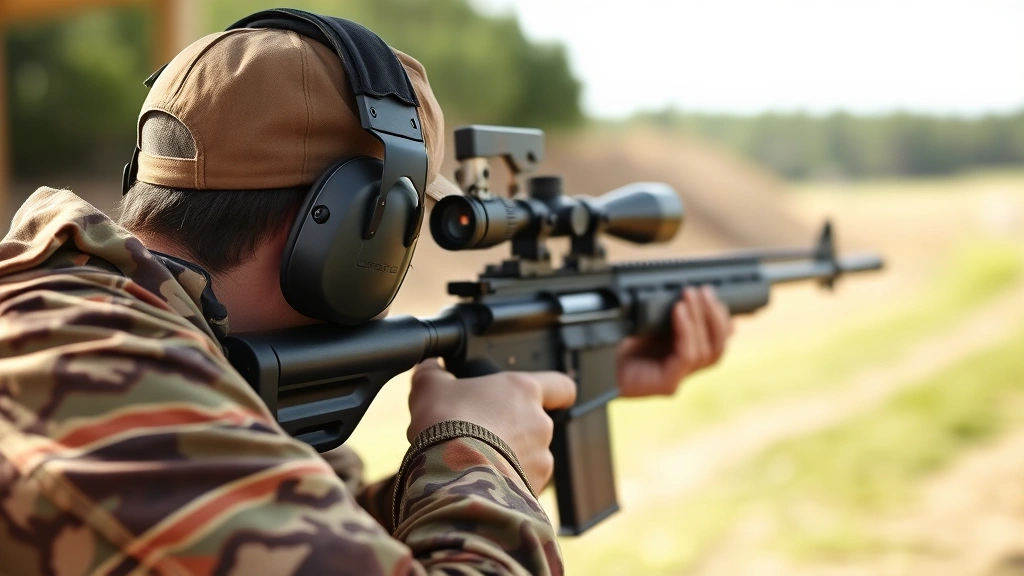
Hunters have several categories of hearing protection available, each with distinct advantages and limitations. The primary types include passive earplugs, passive earmuffs, electronic earplugs, and electronic earmuffs. Understanding the differences helps you select protection that matches your hunting style, environment, and budget.
Passive devices provide constant noise reduction without batteries or electronics. They’re reliable, affordable, and require no maintenance. However, they block all sound equally, which can reduce your ability to hear important environmental cues. Electronic devices use microphones and speakers to amplify quiet sounds while instantly blocking loud impulse noise. This technology preserves situational awareness while providing superior hearing protection.
Your choice depends on several factors: the type of hunting you do, whether you hunt alone or in groups, your budget, and your comfort preferences. Many experienced hunters use multiple protection methods simultaneously, combining earplugs with earmuffs for maximum protection during high-volume shooting scenarios.
Electronic Earplugs and In-Ear Devices
Electronic earplugs represent a significant advancement in hunting hearing protection. Devices like the 3M Peltor Combat Arms and similar models use sophisticated audio processing to provide what’s called “level-dependent” or “impulse-activated” protection. When sound levels exceed a preset threshold (typically around 85 decibels), the microphones shut off instantly, blocking the dangerous impulse noise while allowing quieter sounds to pass through.
The primary advantage of electronic earplugs is situational awareness. You can hear conversation, wind sounds, and animal movements while remaining protected from gunfire. This is particularly valuable when hunting with partners or in environments where communication is important. Battery life varies by model, typically lasting 20-100 hours depending on usage patterns.
Quality electronic earplugs range from $200-$600 per pair. Budget options exist, but they often have slower response times (5-10 milliseconds delay) that may not adequately protect against impulse noise. Premium models respond in 1-2 milliseconds, providing superior protection. When evaluating electronic earplugs, check the impulse noise attenuation rating specifically, not just general NRR values.
Consider these features when selecting electronic earplugs: adjustable volume controls, multiple microphone patterns (omnidirectional vs. directional), battery type and longevity, water resistance, and comfort for extended wear. Premium models often include directional microphones that help you locate sound sources, enhancing your hunting effectiveness while maintaining protection.
Over-the-Ear Earmuffs
Electronic earmuffs offer excellent hearing protection with the advantage of easy on-and-off adjustment and visible confirmation that protection is in place. Models like the Honeywell Howard Leight Impact Sport and similar devices provide impulse noise blocking while amplifying ambient sounds through integrated speakers.
Earmuffs typically provide NRR ratings of 20-30 decibels, comparable to quality earplugs. The advantage is comfort for extended wear—many hunters find earmuffs easier to keep in place consistently. They’re also easier to remove temporarily if needed, though this reduces protection during the brief exposure period. Earmuffs work well for stationary hunting scenarios like waterfowl hunting from blinds or stand hunting where you’re positioned in one location.
Disadvantages include reduced mobility (they can be knocked off or interfere with gun mounting), potential discomfort during extended wear, and interference with rifle stock positioning. Some hunters experience sweating around the ear cups, which can become uncomfortable in warm weather. However, many premium earmuffs use breathable materials and adjustable headbands to minimize these issues.
Electronic earmuffs range from $100-$400 depending on features and brand reputation. Higher-end models include Bluetooth connectivity, allowing you to pair with smartphones or two-way radios for communication with hunting partners. This feature significantly enhances safety by maintaining clear communication while ensuring hearing protection.
Doubling Up: Combining Protection Methods
Professional hunters, shooting instructors, and hearing conservation specialists often recommend using both earplugs and earmuffs simultaneously—a practice called “doubling up.” This approach provides the best hearing protection available, with combined protection of 3-5 additional decibels beyond either method alone.
Doubling up is particularly important for high-volume shooting scenarios: clay shooting competitions, shooting range sessions, or hunting situations where multiple shots are fired in succession. The combination of foam earplugs (NRR 25-33) with quality earmuffs (NRR 20-30) can achieve practical protection approaching 40+ decibels.
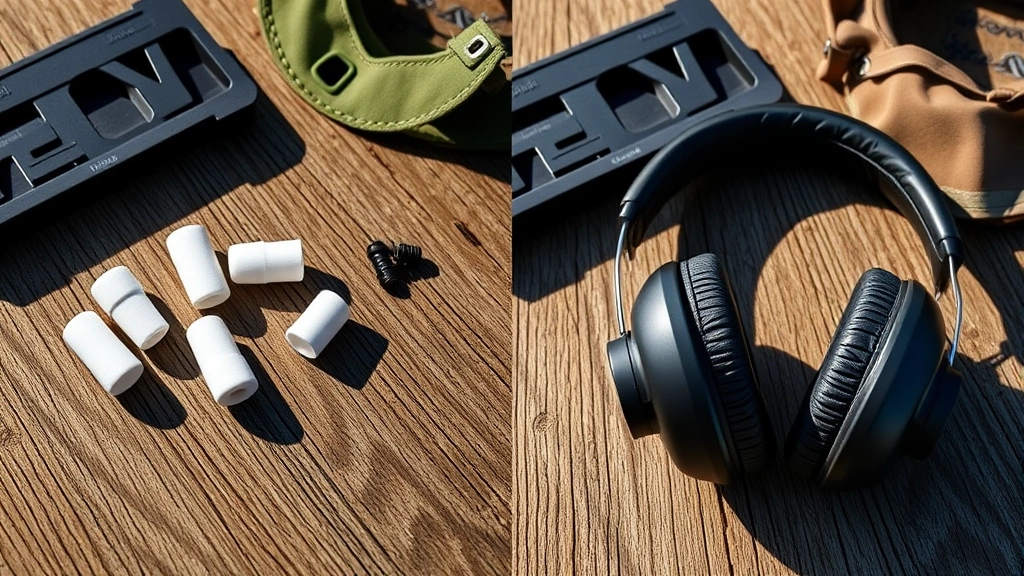
The process is simple: insert earplugs correctly (roll foam earplugs into a tight cylinder, insert into the ear canal, and allow them to expand for 15-30 seconds), then position earmuffs over them, ensuring a proper seal. This method requires more preparation time but provides unmatched protection for serious hunters and competitive shooters.
Combine this approach with our blog resources to stay informed about hunting safety best practices. Understanding protection layering helps you make informed decisions about when doubling up is necessary versus when single protection suffices.
Comfort and Fit Considerations
The best hearing protection is the protection you’ll actually wear consistently. Comfort directly impacts compliance—uncomfortable devices get removed or skipped entirely, eliminating protection when you need it most. Several factors affect comfort and fit.
Seal quality is critical for both earplugs and earmuffs. For earplugs, this means proper insertion depth and technique. Foam earplugs work by expanding in the ear canal; if inserted incorrectly, they provide minimal protection. Manufacturers provide insertion instructions, but many users don’t follow them properly. Consider watching instructional videos or asking for demonstrations at hunting or shooting supply stores.
For earmuffs, seal quality depends on headband pressure, ear cup design, and head shape compatibility. Some designs work better for different head sizes and shapes. Many manufacturers offer multiple cup sizes or adjustable headbands to accommodate individual variations. Proper seal means the ear cups contact skin completely around the perimeter without gaps.
Noise isolation affects comfort during extended wear. Devices that block all sound can feel isolating and create a pressure sensation. Electronic devices with ambient sound amplification feel more natural and less claustrophobic. This psychological comfort factor influences whether hunters consistently wear protection throughout their hunting sessions.
Weight and pressure matter during all-day hunting. Earmuffs exert continuous pressure on the head, which can cause fatigue and headaches during extended use. Premium models distribute pressure more evenly and use lighter materials. Earplugs eliminate this issue entirely, making them preferable for hunters who spend 8+ hours in the field.
Temperature management is important in various hunting conditions. Earmuffs can cause sweating in warm weather and may reduce heat loss in cold conditions. Earplugs avoid these issues entirely. Some earmuff designs use breathable materials or ventilation channels to improve comfort in warm conditions.
Budget-Friendly Options
Quality hearing protection doesn’t always require premium pricing. Several excellent budget options provide solid protection for hunters with limited budgets. Foam earplugs represent the most economical choice, with quality options available for $5-15 per pair or even cheaper in bulk.
Foam earplugs from reputable manufacturers like Mack’s, Howard Leight, and Moldex provide NRR 25-33 ratings comparable to premium products. The key difference is lack of electronic features—they provide passive protection only. For hunters willing to sacrifice ambient sound amplification, foam earplugs offer exceptional value.
Budget electronic earmuffs like the Howard Leight Impact Sport provide electronic amplification and impulse blocking at $150-200, making them significantly cheaper than premium models while maintaining solid performance. These devices use simpler electronics and fewer features than high-end options, but they adequately protect hearing for most hunting scenarios.
Passive earmuffs from quality manufacturers cost $30-80 and provide reliable protection without electronics. They’re durable, require no batteries, and work in all conditions. Many hunters use passive earmuffs as backup protection or for hunting situations where electronic features aren’t necessary.
Budget considerations should never compromise on hearing protection quality. Avoid extremely cheap devices with unverifiable NRR claims or suspicious manufacturing origins. Stick with established brands that provide clear specifications and documentation of their protection ratings.
Maintenance and Care
Proper maintenance extends the lifespan of your hearing protection and ensures consistent protection throughout your hunting seasons. Different device types require different care approaches.
Foam earplugs are disposable and designed for single use, though many hunters reuse them multiple times. Wash reusable foam earplugs with soap and warm water, allow them to air dry completely, and store them in a clean container. Replace them when they become compressed, discolored, or difficult to insert properly.
Electronic devices require battery management and electronic care. Check batteries before each hunting season and keep spares available. Clean microphone ports and speaker openings gently with dry brushes or compressed air to prevent debris accumulation. Store devices in protective cases when not in use, away from extreme temperatures and moisture.
Earmuff ear cups accumulate sweat, dirt, and debris. Clean them regularly with slightly damp cloths and allow them to dry completely. Replace ear cup padding if it becomes compressed or deteriorates—most manufacturers sell replacement parts. Check headbands for cracks or damage and replace if necessary.
Storage significantly impacts device longevity. Store all hearing protection in cool, dry locations away from direct sunlight and extreme temperatures. Remove batteries from electronic devices during off-seasons to prevent battery corrosion. Keep devices in protective cases to prevent damage from crushing or drops.
Frequently Asked Questions
What’s the difference between NRR and actual hearing protection?
NRR (Noise Reduction Rating) represents laboratory test results under ideal conditions with perfect fit and insertion. Real-world protection is typically 25-50% less effective due to improper fit, user technique variations, and other factors. A device labeled NRR 30 might provide only 15-22 decibels of actual protection in practice. This is why proper insertion technique and fit verification are crucial.
Can I use regular earbuds or headphones for hearing protection?
No. Regular earbuds and headphones aren’t designed for hearing protection and won’t adequately block impulse noise from firearms. Some people mistakenly think noise-canceling headphones provide hearing protection—they don’t. Always use devices specifically designed and tested for hearing protection with verified NRR ratings.
How do I know if my earplugs are inserted correctly?
Properly inserted foam earplugs should feel snug in your ear canal with no protruding portions. You should feel them expand slightly as they warm up. A simple test: cover both ears with your hands and speak—if your voice sounds significantly louder inside your head, earplugs are likely inserted correctly. If you still hear external sounds clearly, they’re probably inserted too shallowly.
Are electronic earplugs better than passive protection?
Electronic devices offer better situational awareness and hearing preservation, making them superior for most hunting scenarios. However, they cost more, require batteries, and add complexity. For budget-conscious hunters or those who value simplicity, quality passive protection is adequate. Many serious hunters use both types depending on the hunting situation.
Will hearing protection affect my ability to shoot accurately?
Properly fitted hearing protection shouldn’t significantly impact shooting accuracy. Some hunters initially feel slight differences in how their rifles sound or how they perceive recoil, but this is temporary adjustment. Electronic earmuffs might slightly interfere with rifle stock contact, but this is usually minimal. The alternative—hearing damage—is far worse for shooting performance and quality of life.
How often should I replace my hearing protection?
Foam earplugs should be replaced when they lose shape, become difficult to insert, or accumulate visible dirt. Earmuff ear cup padding typically lasts 2-3 years with regular use. Electronic devices last 5-10 years depending on build quality and care. Check all devices before each hunting season and replace components that show wear.
Can children use the same hearing protection as adults?
Most standard hearing protection is designed for adult ear canal sizes and head shapes. Children need appropriately sized earplugs and earmuffs. Many manufacturers produce youth or children’s sizes with smaller ear cups and adjusted headbands. It’s important to use correctly sized protection—adult devices won’t provide adequate seals for children.