Best Gun Range Ear Protection: Expert Recommendations for Hearing Safety
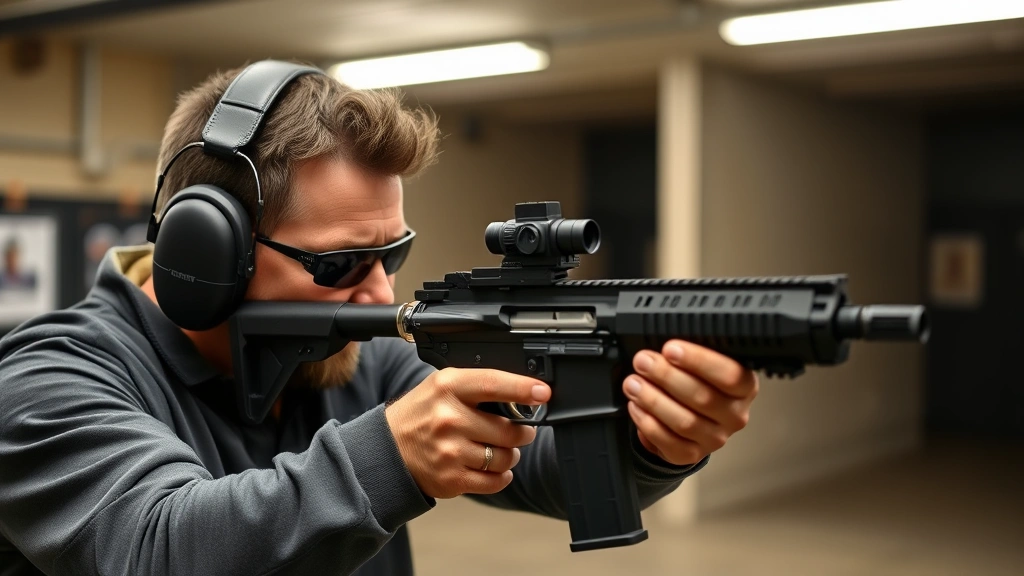
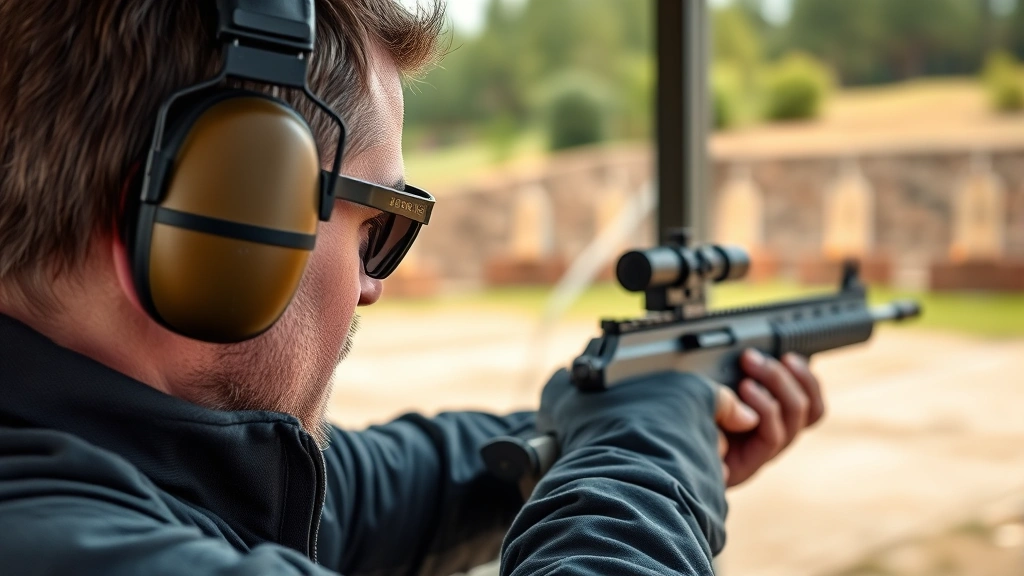
Hearing protection at the gun range is not optional—it’s essential. Gunfire produces noise levels between 140-190 decibels, far exceeding the 85-decibel threshold where hearing damage begins. A single exposure to unprotected gunfire can cause permanent hearing loss, tinnitus, and other auditory complications that affect quality of life for decades. Whether you’re a competitive shooter, recreational marksman, or professional in law enforcement, selecting the right ear protection is one of the most critical decisions you’ll make at the range.
The consequences of inadequate hearing protection extend beyond immediate discomfort. Noise-induced hearing loss is cumulative and irreversible. Over time, repeated exposure to loud gunfire without proper protection degrades the delicate hair cells in your inner ear that transmit sound signals to your brain. This degradation cannot be repaired by medical intervention, making prevention through proper ear protection your only defense against permanent auditory damage.
This comprehensive guide examines the best gun range hearing protection options available today, evaluating different technologies, comparing popular products, and providing expert recommendations based on noise reduction ratings, comfort, durability, and real-world performance. By the end, you’ll understand exactly what to look for and how to protect your hearing effectively.
Understanding Decibel Levels and Hearing Damage
Before selecting ear protection, you need to understand the noise environment you’re entering. The decibel scale is logarithmic, meaning each 10-decibel increase represents a tenfold increase in sound intensity. A .22 rifle produces approximately 140 decibels, while larger caliber weapons like .308 or 9mm handguns generate 155-165 decibels. Shotguns can reach 190 decibels, making them particularly dangerous to unprotected ears.
The National Institute for Occupational Safety and Health (NIOSHA) recommends that noise exposure not exceed 85 decibels over an 8-hour period. Anything above this threshold requires hearing protection. Gunfire, even a single shot, exceeds safe exposure limits by 55-105 decibels. This is why cumulative exposure at the range poses such significant risk—even with hearing protection, you’re experiencing elevated noise levels that require proper attenuation.
Hearing damage occurs through two mechanisms: temporary threshold shift (TTS) and permanent threshold shift (PTS). TTS is temporary hearing loss that recovers after exposure ends, typically within 16 hours. However, repeated TTS episodes can lead to PTS—permanent hearing loss that never recovers. This is why consistent use of proper hearing protection at every range visit is critical, even if you feel fine after shooting.
Types of Ear Protection: Passive vs. Active
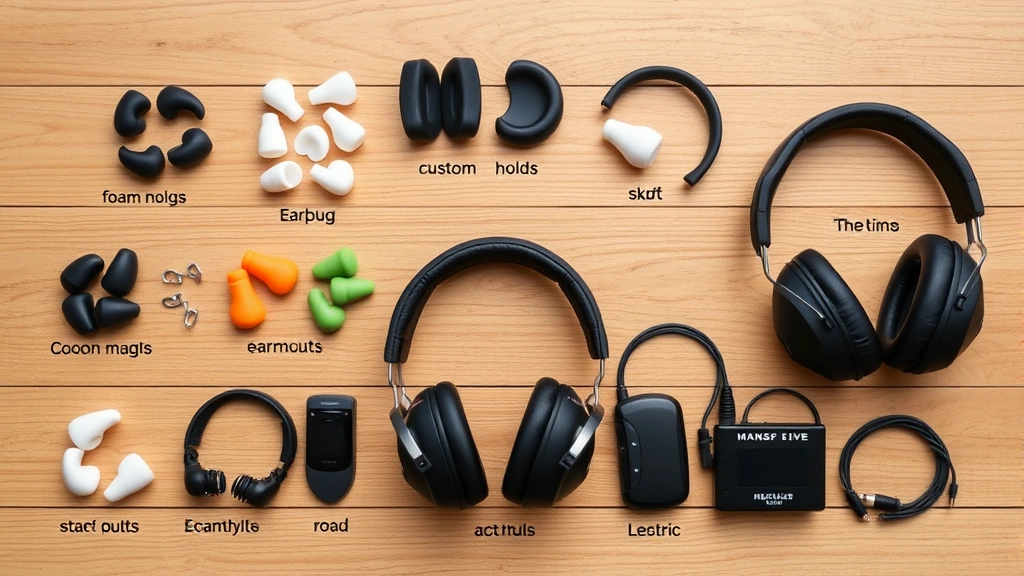
Ear protection technologies fall into two primary categories: passive and active. Understanding the differences helps you select the right solution for your specific shooting application.
Passive Hearing Protection works through physical barriers and sound-absorbing materials. These include foam earplugs, custom-molded earplugs, and traditional earmuffs. Passive protection blocks all sound indiscriminately, providing consistent noise reduction across frequency ranges. The advantage is simplicity, reliability, and affordability. The disadvantage is that passive protection impairs your ability to hear range commands, communication with shooting partners, and ambient sounds that contribute to situational awareness.
Active Hearing Protection uses microphones and amplification circuitry to enhance quiet sounds while suppressing loud impulses. These electronic earmuffs allow you to hear conversations and environmental noise at normal or amplified levels, then instantly shut down when gunfire occurs. This technology provides hearing protection while maintaining communication capabilities—a significant advantage for competitive shooters, hunters, and tactical professionals.
Active protection technology has evolved significantly. Modern systems feature directional microphones that amplify sound from specific directions, noise-gating circuits that respond in microseconds, and frequency-specific processing that preserves speech intelligibility while protecting against impulse noise. Some premium models offer Bluetooth connectivity for communication or music, though this adds cost and complexity.
Foam Earplugs and Insertion Options
Foam earplugs remain the most popular hearing protection choice at gun ranges due to affordability, portability, and effectiveness when inserted correctly. Quality foam earplugs provide 20-33 decibels of noise reduction rating (NRR), sufficient to reduce gunfire from lethal levels to manageable exposure when combined with proper technique.
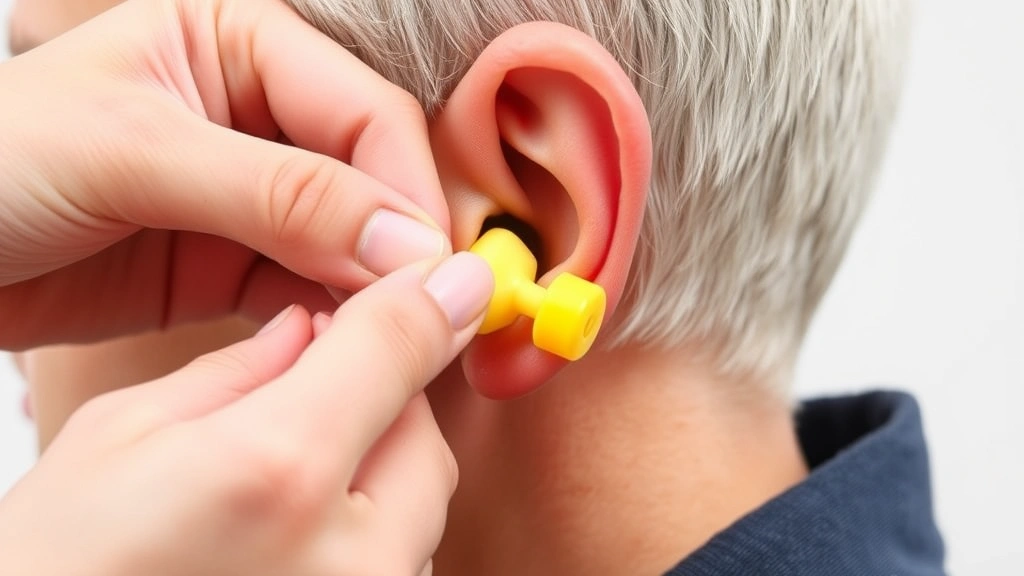
The critical factor with foam earplugs is insertion technique. Most people insert earplugs incorrectly, reducing their effectiveness by 50% or more. Proper insertion requires pulling your ear upward and backward to straighten the ear canal, inserting the compressed earplug deeply, and allowing it to expand fully inside the canal. The earplug should seal the entire canal without gaps.
Popular foam earplug options include 3M E-A-R Classic, Mack’s Pillow Soft, and Howard Leight MAX. These products typically cost $0.20-0.50 per pair in bulk, making them economical for frequent range visitors. However, foam earplugs require replacement after each use, creating ongoing costs and waste. Some shooters reuse earplugs briefly, though this reduces effectiveness as foam loses elasticity and accumulates debris.
For shooters who prefer reusable options, silicone and rubber earplugs offer NRR ratings of 20-26 decibels with durability lasting several months. These cost slightly more initially but reduce long-term expense. Brands like Hearos and Flents offer quality silicone options with comfortable fit for extended wear.
Over-the-Ear Earmuffs Technology
Over-the-ear earmuffs provide passive hearing protection through sealed cups containing sound-absorbing foam. Passive earmuffs typically provide 20-30 decibels of NRR, comparable to quality earplugs. The advantage of earmuffs is ease of use—no insertion technique required—and the ability to remove them quickly for communication.
Earmuff effectiveness depends on proper seal around the ears. Hair, eyeglasses, and loose-fitting headbands reduce seal integrity and noise attenuation. Premium earmuffs feature replaceable ear cushions with softer materials that conform to individual head shapes, maximizing seal. The headband tension should be firm enough to maintain contact without causing discomfort during extended shooting sessions.
Passive earmuffs cost $20-60 for quality options. Popular models include 3M Peltor H10A, Snug Kids, and Pro for Sho. These provide adequate protection for recreational shooting and training. However, for serious shooters who spend multiple hours at the range, active earmuffs provide superior functionality despite higher cost.
Active earmuffs amplify ambient sound through microphones while suppressing impulse noise through electronic gating. Premium models like Peltor Sport Tactical 500, Walker Razor Slim, and Howard Leight Impact Sport feature sophisticated sound processing that allows you to hear conversations and range commands while protecting against gunfire. Noise reduction ratings for active earmuffs typically range from 20-27 decibels, similar to passive options, but the electronic amplification makes quiet sounds audible.
Custom-Molded Hearing Protection
For serious shooters who spend significant time at the range, custom-molded earplugs offer superior comfort, fit, and long-term value. These are professionally created molds of your ear canals, providing perfect fit and maximum sound isolation. Custom earplugs cost $150-300 per pair but last 3-5 years with proper care.
Custom earplugs come in two primary varieties: passive and active. Passive custom earplugs provide 25-30 decibels of NRR with exceptional comfort for all-day wear. Active custom earplugs integrate microphones and processing circuitry into the mold, providing electronic amplification and impulse suppression while maintaining the superior fit of custom construction.
The fitting process requires a visit to an audiologist or hearing protection specialist who takes impressions of your ear canals. These impressions are sent to manufacturers who create custom molds from silicone or acrylic materials. The result is hearing protection that feels natural, stays secure during shooting, and provides consistent protection across all shooting sessions.
For competitive shooters, tactical professionals, and hunters who spend more than 50 days per year at the range or in the field, custom protection often proves more economical than repeatedly purchasing disposable earplugs. Additionally, the superior comfort reduces fatigue during extended shooting sessions and increases compliance—you’re more likely to wear protection consistently when it fits perfectly.
Doubling Up: Combined Protection Methods
Combining earplugs with earmuffs provides additive noise reduction, offering the best protection available. When used together, foam earplugs and earmuffs can provide 40-50+ decibels of noise reduction—sufficient protection even for large-caliber firearms and shotguns.
The principle of doubling up is based on acoustic engineering. Each layer of protection attenuates different frequency ranges with varying efficiency. Foam earplugs excel at mid-to-high frequency attenuation, while earmuffs provide broader frequency coverage. Combined, they create a comprehensive acoustic barrier that addresses weaknesses in either method alone.
Professional shooters, military and law enforcement trainers, and competitive marksmen often employ doubled-up protection during high-volume shooting sessions. This approach is particularly important for shotgun training, where noise levels approach or exceed 190 decibels. A single layer of protection, regardless of quality, may prove inadequate for such extreme noise environments.
The disadvantage of doubling up is reduced ability to hear communication and environmental sounds. For this reason, tactical professionals often combine custom-molded active earplugs with passive or active earmuffs, allowing electronic amplification to partially restore communication while providing maximum hearing protection.
Top-Rated Products and Specifications
Best Overall Active Protection: Peltor Sport Tactical 500
3M Peltor Sport Tactical 500 earmuffs represent the gold standard in active hearing protection. These earmuffs feature independent microphones in each cup, directional sound processing, and impulse suppression rated at 26 decibels NRR. The amplification circuitry allows you to hear conversations and range commands at normal volume while instantly shutting down during gunfire. Battery life exceeds 50 hours, and the device is compatible with standard communications headsets. Cost: approximately $300-350.
Best Budget Option: Howard Leight by Honeywell MAX
For shooters on limited budgets, Howard Leight MAX foam earplugs provide 33 decibels NRR—among the highest available for disposable earplugs. These are comfortable, easy to insert, and provide excellent attenuation across frequency ranges. A box of 200 pairs costs approximately $15-20, making them extremely economical for frequent range visitors. The bright orange color prevents loss, and the smooth finish reduces insertion friction.
Best Reusable Passive Option: Mack’s Pillow Soft Silicone
Mack’s Pillow Soft silicone earplugs provide 20 decibels NRR with exceptional comfort for extended wear. Unlike foam, silicone maintains its properties across multiple uses, lasting 6-12 months with proper care. The soft material doesn’t expand inside the ear canal, making them ideal for shooters with sensitive ear canals. A pair costs approximately $8-12 and can be worn 50+ times before replacement becomes necessary.
Best Custom Option: Westone Audio Custom Molded Active
Westone Audio manufactures custom-molded earplugs with integrated active components. These provide perfect fit combined with electronic impulse suppression, offering 25-30 decibels of attenuation with amplification of quiet sounds. Fitting requires a visit to an authorized Westone provider who takes ear canal impressions. Cost: $250-400 per pair. These represent the premium option for professional shooters and serious competitors.
Best Lightweight Passive Earmuffs: Walker Razor Slim
Walker Razor Slim earmuffs provide 23 decibels of passive NRR in an extremely lightweight design (3.5 ounces) that reduces fatigue during extended shooting sessions. The low-profile design maintains better situational awareness than bulky earmuffs, and the adjustable headband accommodates various head sizes. Cost: approximately $40-50. These are excellent for hunters and shooters who need lightweight protection without electronic complexity.
Selection Guide by Use Case
Recreational Shooters (Monthly Range Visits)
Recreational shooters benefit from affordable, simple protection. Foam earplugs or basic passive earmuffs provide adequate protection at minimal cost. Many ranges provide disposable earplugs at no charge, though quality varies. For best results, invest in quality foam earplugs (Howard Leight MAX) or reusable silicone options. Total investment: $20-50 annually.
Competitive Shooters (Weekly Range Time)
Competitive shooters require communication capabilities and extended comfort. Active earmuffs like Peltor Sport Tactical 500 allow hearing range commands and shooting partners while providing hearing protection. The ability to communicate without removing protection improves safety and training efficiency. Consider combining active earmuffs with foam earplugs for high-volume competitions. Total investment: $300-400 for earmuffs plus ongoing earplug costs.
Hunters and Field Shooters
Hunters need lightweight, reliable protection that doesn’t interfere with hearing environmental sounds. Custom-molded passive earplugs or lightweight earmuffs (Walker Razor Slim) provide protection without bulk. Some hunters prefer doubling up with both earplugs and earmuffs for maximum protection during high-volume shooting. Total investment: $150-300 for custom options or $50-100 for passive earmuffs.
Professional and Tactical Shooters
Law enforcement and military trainers require maximum protection during high-volume, high-stress scenarios. Doubling up with custom-molded active earplugs and passive or active earmuffs provides comprehensive protection. This approach allows electronic amplification to maintain communication while maximum attenuation protects against extreme noise levels. Total investment: $400-600 for custom protection plus $100-200 for compatible earmuffs.
Shooters with Hearing Loss
Individuals with existing hearing loss require professional consultation. An audiologist can assess residual hearing and recommend protection that doesn’t over-attenuate quiet sounds necessary for communication. Some custom-molded options include frequency-specific processing that protects against loud impulses while preserving speech intelligibility. Professional fitting: $300-600 for consultation and custom protection.
Protecting your hearing requires commitment to consistent use at every shooting session. Even brief exposure to unprotected gunfire can cause permanent damage. Make hearing protection non-negotiable, just like eye protection or proper shooting stance. The small investment in quality protection today prevents decades of hearing problems tomorrow.
FAQ
What NRR rating do I need for gun range shooting?
A minimum NRR of 20 decibels is recommended for handgun shooting, though 25-30 decibels provides better protection. For shotgun or large-caliber rifle shooting, 30+ decibels is preferable. For maximum protection, double up with earplugs (25+ NRR) plus earmuffs (20+ NRR) to achieve 40-50+ decibels of combined attenuation.
Are foam earplugs or earmuffs better?
Both provide effective protection when used correctly. Foam earplugs are more portable and affordable but require proper insertion technique. Earmuffs are easier to use and remove quickly but may be uncomfortable during extended wear. Many shooters use both for maximum protection and convenience.
How often should I replace hearing protection?
Disposable foam earplugs should be replaced after each use. Reusable silicone earplugs last 6-12 months with proper care. Earmuff foam cushions should be replaced annually or when they become compressed and lose sealing ability. Custom-molded earplugs last 3-5 years before requiring replacement.
Can I use regular headphones instead of hearing protection?
No. Regular headphones do not provide hearing protection and may actually increase risk by delivering amplified sound directly into your ears. Only products specifically designed for hearing protection with appropriate NRR ratings should be used at the gun range.
Do active earmuffs really work as well as passive protection?
Yes. Active earmuffs provide equivalent noise reduction ratings to passive options (20-27 decibels) while offering the advantage of amplifying quiet sounds. The electronic circuitry allows you to hear communication and environmental sounds while instantly suppressing impulse noise from gunfire.
Is it safe to use hearing protection while driving to the range?
No. Hearing protection should only be worn during shooting activities. Wearing protection while driving impairs your ability to hear traffic sounds, emergency vehicles, and important audio cues, increasing accident risk. Put on protection only when you reach the range or shooting area.
What’s the best way to insert foam earplugs correctly?
Pull your ear upward and backward with one hand to straighten the ear canal. With your other hand, insert the compressed earplug and push it in until you feel resistance. Release your ear and allow the foam to expand fully inside the canal, creating a complete seal. The earplug should sit deep in the canal, not protruding visibly.