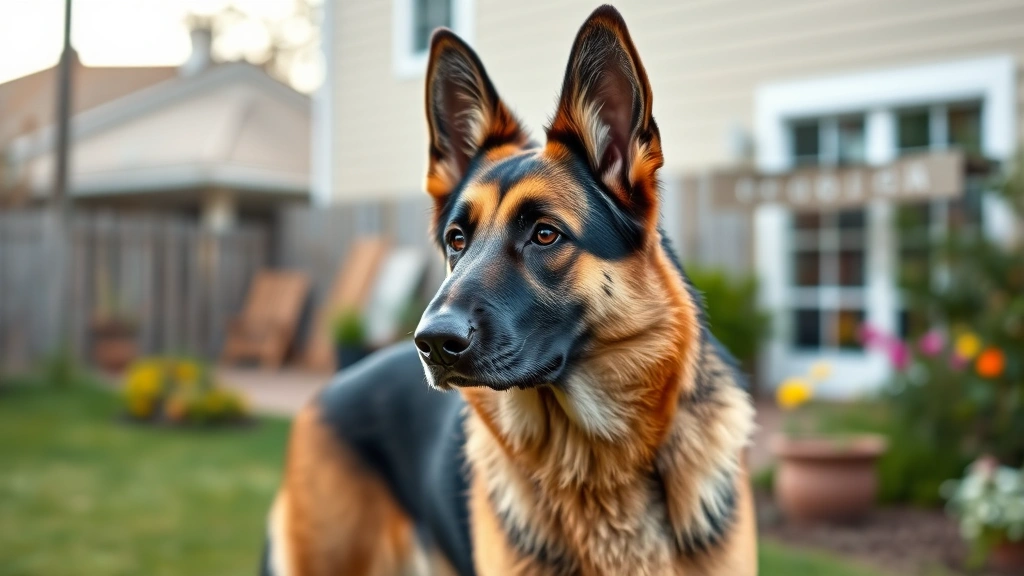
Best Family Dogs for Protection: Vet Recommendations for Home Security
Choosing a family dog that provides protection while remaining safe and gentle with children is a critical decision for homeowners prioritizing both security and family wellness. The ideal protection dog combines natural instinct, trainability, loyalty, and a temperament suited for household living. Veterinarians and professional dog trainers consistently recommend specific breeds that excel in balancing protective capabilities with family-friendly characteristics, ensuring your home receives reliable security without compromising the safety of your loved ones.
A protection dog serves multiple purposes: deterring potential intruders, alerting families to unusual activity, and providing physical security when necessary. Unlike aggressive guard dogs bred solely for intimidation, family protection dogs maintain stable temperaments, respond to commands reliably, and distinguish between normal visitors and genuine threats. This article explores veterinarian-recommended breeds, training methodologies, and selection criteria to help you find the perfect protection dog for your household.
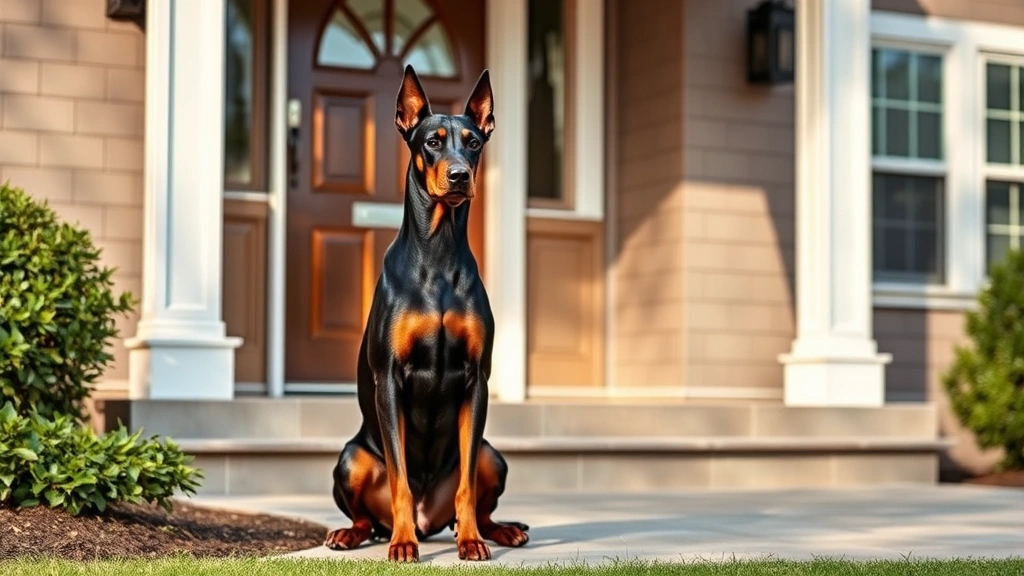
Understanding Family Protection Dogs
Family protection dogs differ fundamentally from attack dogs or purely aggressive guard animals. These dogs possess an innate protective instinct combined with exceptional intelligence and trainability. Veterinarians emphasize that successful family protection dogs require proper socialization from puppyhood, consistent training throughout their lives, and clear boundaries regarding appropriate protective responses.
The most effective protection dogs demonstrate what behaviorists call “discrimination”—the ability to assess situations and respond appropriately rather than reacting aggressively to every stimulus. A well-trained family protection dog will bark alertly at strangers approaching the property, position itself between family members and potential threats, and respond immediately to commands from trusted handlers. This behavioral sophistication requires both genetic predisposition and dedicated training.
When selecting a protection dog breed, consider your family’s specific needs, living space, climate, and experience level with large dogs. Some breeds require extensive exercise, while others adapt well to apartment living. Consulting with veterinarians specializing in behavior and breed characteristics ensures you choose a dog matching your household’s unique requirements and capabilities.
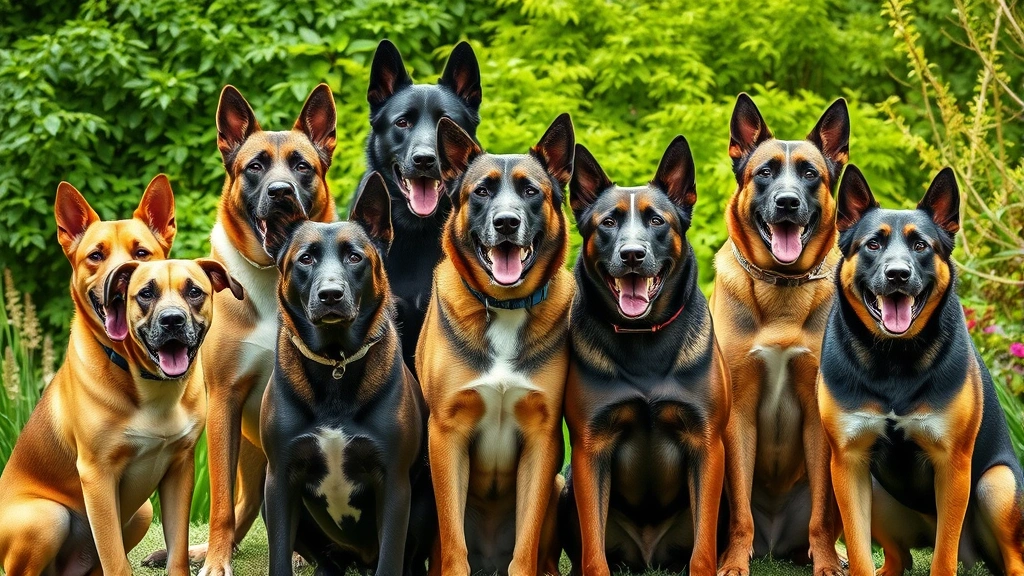
German Shepherds: The Gold Standard
German Shepherds consistently rank as the premier family protection dog choice among veterinarians and security professionals worldwide. Their intelligence, loyalty, and natural protective instincts make them exceptionally suited for household security while maintaining gentle, obedient temperaments with family members.
These remarkable dogs possess exceptional trainability, responding quickly to commands and adapting to various protection scenarios. German Shepherds develop deep bonds with their families, creating genuine motivation to protect household members. Their size (55-90 pounds) and imposing appearance provide natural deterrent value, while their alert nature means they notice subtle changes in their environment that other breeds might overlook.
Veterinarians note that German Shepherds require consistent exercise—approximately two hours daily—and mental stimulation to prevent behavioral problems. Early socialization with children, other pets, and various environments establishes them as confident, stable family members rather than anxious or overly aggressive animals. The breed’s popularity in police and military work demonstrates their versatility and reliability in protection roles.
When acquiring a German Shepherd for family protection, seek breeders who health-test parents for hip dysplasia, elbow dysplasia, and genetic conditions common to the breed. Responsible breeding practices significantly reduce health complications and behavioral issues that could compromise your dog’s protective capabilities and quality of life.
Doberman Pinschers: Elegant Guardians
Doberman Pinschers represent an elegant alternative to German Shepherds, offering exceptional protection capabilities in a sleeker, more agile package. Weighing 60-100 pounds with distinctive cropped ears and alert expressions, Dobermans project confidence and intelligence that naturally deters potential intruders.
These dogs possess remarkable speed and agility, making them exceptionally responsive to threats. Dobermans bond intensely with their families and demonstrate unwavering loyalty. Their short coat requires minimal grooming compared to German Shepherds, making them practical for families prioritizing lower maintenance requirements. Veterinarians appreciate Dobermans’ relatively fewer genetic health issues compared to some other large protection breeds.
However, Dobermans require experienced handlers comfortable with assertive, independent-thinking dogs. They demand consistent leadership, early socialization, and ongoing training throughout their lives. Without proper guidance, Dobermans can develop anxiety or excessive protectiveness. The breed thrives with families providing clear boundaries, regular exercise, and mental enrichment activities that challenge their exceptional intelligence.
Doberman Pinschers excel in protection training and respond enthusiastically to work that engages their natural instincts. Professional trainers frequently recommend the breed for families seeking a protection dog with distinctive personality and exceptional athleticism.
Rottweilers: Misunderstood Protectors
Rottweilers suffer from significant breed prejudice despite being exceptionally loyal, gentle family dogs when properly bred, socialized, and trained. Veterinarians recognize that Rottweilers possess natural protective instincts combined with remarkable calm temperaments that make them ideal for families with children.
These substantial dogs, weighing 80-135 pounds, project authority through their appearance alone. Their confident bearing and alert nature create effective deterrence without requiring aggressive behavior. Rottweilers develop profound attachments to family members and demonstrate particular gentleness with children they’ve been raised alongside.
The breed’s reputation stems largely from irresponsible breeding and inadequate training rather than inherent aggression. Well-bred Rottweilers from health-conscious breeders demonstrate stable temperaments and controlled responses to stimuli. Veterinarians emphasize that early socialization and consistent training transform Rottweilers into reliable family protectors who distinguish clearly between normal interactions and genuine threats.
Rottweilers require confident, experienced handlers who understand the breed’s need for clear leadership and purpose. These intelligent dogs thrive when given jobs or training activities that engage their protective instincts constructively. Families choosing Rottweilers should commit to professional training and ongoing socialization to ensure their dog develops into a well-adjusted family member.
Boxer Dogs: Playful Yet Protective
Boxers offer a unique combination of playful, affectionate family dog qualities with genuine protective capabilities. Weighing 60-70 pounds, Boxers maintain youthful, energetic personalities throughout their lives while remaining fiercely devoted to family members, particularly children.
These muscular, athletic dogs possess natural protective instincts triggered by perceived threats to their families. Their alert nature means they notice unusual activity and respond appropriately. Boxers require consistent exercise and mental stimulation, thriving in active families that enjoy outdoor activities and training opportunities.
Veterinarians appreciate Boxers’ relatively fewer breed-specific health concerns compared to some other large protection dogs. Their short coats require minimal grooming, and their moderate size makes them suitable for various living situations. Boxers bond intensely with family members and demonstrate remarkable patience with children, even tolerating rough play that might provoke less stable breeds.
Training Boxers for protection work harnesses their natural instincts while maintaining their friendly, sociable nature with family and trusted associates. The breed excels in homes valuing both security and the companionship benefits of an engaged, interactive family dog.
Rhodesian Ridgebacks: African Warriors
Rhodesian Ridgebacks, bred originally in Africa for hunting and protection, bring ancient protective instincts to modern family settings. These powerful dogs, weighing 70-85 pounds, combine independence with deep loyalty to family members.
The breed’s distinctive characteristic—a ridge of hair along their spine growing opposite to the coat’s direction—reflects their unique genetic heritage. Rhodesian Ridgebacks possess natural alertness and territorial awareness, making them effective property protectors without requiring extensive training to activate their protective responses.
Veterinarians note that Rhodesian Ridgebacks require experienced handlers comfortable with independent-thinking dogs. They respond best to positive reinforcement training and clear leadership rather than harsh corrections. The breed thrives in families providing adequate exercise and respecting their natural protective instincts.
These dogs demonstrate remarkable gentleness with family members while remaining alert to potential threats. Their short coats and relatively low grooming requirements appeal to practical-minded families. Rhodesian Ridgebacks adapt well to various climates and living situations, though they require consistent exercise and mental stimulation to prevent behavioral problems.
Training Your Protection Dog
Successful family protection dogs result from consistent, professional training beginning in puppyhood. Veterinarians specializing in behavior recommend starting socialization immediately when puppies join your household, exposing them to various people, environments, and situations in controlled, positive contexts.
Basic obedience training forms the foundation for protection work. Your dog must respond reliably to commands including sit, stay, come, and down before advancing to protection-specific training. These fundamental skills ensure you maintain control over your dog in any situation, enabling them to respond appropriately to your directives.
Protection training typically involves teaching your dog to recognize and respond to threat indicators. Professional trainers work with dogs to develop confident, controlled responses to potential intruders while maintaining appropriate behavior during normal interactions. This specialized training requires working with experienced professionals who understand breed-specific characteristics and individual dog temperament.
Ongoing training throughout your dog’s life maintains their skills and reinforces appropriate behavior patterns. Regular practice sessions, exposure to varied environments, and continued obedience reinforcement ensure your protection dog remains reliable and responsive as they mature.
Consider enrolling your dog in professional protection training programs that combine obedience, socialization, and protection work. Many facilities offer board-and-train programs where professionals work intensively with your dog, then transition them back to your household with comprehensive owner training to ensure you can effectively manage and command your protection dog.
Health and Veterinary Considerations
Large protection dog breeds require consistent veterinary care to maintain optimal health and longevity. Regular health screenings, appropriate vaccinations, and preventive care ensure your dog remains capable of fulfilling their protective role throughout their life.
Hip dysplasia and elbow dysplasia affect many large breeds, potentially causing pain and mobility limitations that compromise a dog’s protective capabilities. Reputable breeders conduct health testing on parent dogs, providing documentation of screening results. Veterinarians recommend reviewing health clearances from the Orthopedic Foundation for Animals (OFA) before acquiring a protection dog.
Heart health requires particular attention in large breeds. Conditions like dilated cardiomyopathy can develop without obvious symptoms, potentially causing sudden complications. Regular veterinary examinations, including cardiac screening when recommended, help identify and manage heart conditions early.
Maintain appropriate weight through proper nutrition and consistent exercise. Overweight protection dogs experience reduced mobility, increased joint stress, and shortened lifespans. Work with your veterinarian to develop appropriate feeding plans and exercise routines tailored to your dog’s age, activity level, and individual metabolism.
Dental health often receives insufficient attention from dog owners. Dental disease contributes to systemic health problems affecting heart, kidney, and other vital organs. Regular dental examinations, professional cleanings when recommended, and home care practices maintain your dog’s overall health and quality of life.
Establish relationships with veterinarians experienced in large breed medicine and familiar with your chosen protection dog breed. These specialists understand breed-specific health concerns, appropriate screening protocols, and preventive care strategies that optimize your dog’s health and longevity.
FAQ
What age should I begin protection training with my dog?
Begin foundational obedience training immediately when your puppy joins your household, typically around 8-12 weeks of age. Basic commands establish communication and control necessary for future protection work. Formal protection training typically begins around 12-18 months when dogs reach physical and mental maturity. Consult with professional trainers to determine appropriate timing for your specific dog.
Are protection dogs dangerous to family members?
Properly trained and socialized protection dogs demonstrate excellent discrimination, responding appropriately to family members while remaining alert to potential threats. The key involves selecting appropriate breeds, early socialization, consistent training, and working with experienced professionals. Well-trained protection dogs prioritize family safety and respond reliably to commands from household members.
Can protection dogs live safely with children?
Yes, many protection dog breeds demonstrate exceptional gentleness with children while maintaining protective instincts. Breeds like Boxers, German Shepherds, and Rottweilers develop strong bonds with children and show remarkable patience. Successful cohabitation requires early socialization, supervised interactions during puppyhood, and teaching children appropriate dog handling. Adult supervision ensures safe interactions between dogs and children.
How much exercise do protection dogs require?
Most large protection breeds require 1-2 hours of daily exercise including walks, play, and mental stimulation. Exercise requirements vary by breed, age, and individual dog. German Shepherds and Dobermans typically need more intense activity than Boxers or Rottweilers. Consult breed-specific guidelines and your veterinarian to determine appropriate exercise levels for your dog.
What’s the difference between a protection dog and an attack dog?
Protection dogs respond to threats with controlled responses while maintaining stable temperaments and responding to handler commands. Attack dogs are trained to bite on command regardless of circumstances, making them unsuitable for family environments. Family protection dogs discriminate between normal situations and genuine threats, adapting their responses appropriately.
How do I find a reputable breeder for a protection dog?
Research breeders who conduct health testing on parent dogs, provide health clearances, and raise puppies in home environments with early socialization. Request references from previous puppy buyers and veterinarians. Avoid breeders who emphasize aggression or fail to conduct health screening. Visit facilities before purchasing to assess breeding conditions and parent dog temperaments.
Can I train my own dog for protection, or should I hire professionals?
While basic obedience training is essential for all dog owners, professional protection training requires specialized knowledge and experience. Many owners benefit from working with certified trainers who understand breed characteristics, appropriate protection responses, and safe training methodologies. Professional trainers can assess your dog’s natural capabilities and develop customized training plans.