Best EMF Protection: Expert-Backed Solutions for Digital Safety
Electromagnetic field (EMF) exposure has become an unavoidable reality in our hyperconnected world. From smartphones and laptops to Wi-Fi routers and power lines, we’re constantly surrounded by electromagnetic radiation. While regulatory agencies maintain that non-ionizing EMF exposure within established limits is safe, growing consumer concern about potential long-term health effects has sparked demand for protective solutions. Understanding the science behind EMF protection and identifying genuinely effective strategies is critical for anyone seeking to minimize their exposure in today’s digital environment.
The debate surrounding EMF safety continues to evolve as new research emerges. Health-conscious individuals, parents, and professionals working in high-tech environments are increasingly exploring protection methods. This comprehensive guide examines expert-backed EMF protection solutions, from behavioral strategies to specialized shielding technologies, helping you make informed decisions about your digital wellness.
Understanding EMF Exposure and Health Concerns
Electromagnetic fields exist on a spectrum, ranging from extremely low frequency (ELF) radiation from power lines to radiofrequency (RF) radiation from wireless devices. The distinction between ionizing and non-ionizing radiation is fundamental to understanding EMF safety. Ionizing radiation, like X-rays and gamma rays, carries enough energy to remove electrons from atoms. Non-ionizing EMF, which includes the radiation from most consumer electronics, operates at lower energy levels.
The World Health Organization and Federal Communications Commission establish safety guidelines based on thermal effects—the heating of body tissues. However, emerging research from independent laboratories suggests potential non-thermal biological effects at lower exposure levels. Studies have examined impacts on sleep patterns, cellular stress responses, and reproductive health, though scientific consensus remains contested.
Your exposure sources include mobile phones held against your head, tablets and laptops on your lap, wireless routers in your home, smart meters on your house, and cellular towers near residential areas. Understanding these exposure pathways is the foundation for implementing effective protection strategies.
Organizations like the BioInitiative Working Group have compiled extensive research suggesting precautionary approaches to EMF exposure, particularly for children whose developing nervous systems may be more vulnerable. This research has influenced protective policies in several European countries.

Distance and Time: The Most Effective Protection Methods
Physics provides the simplest and most powerful EMF protection tool: the inverse square law. Electromagnetic field strength decreases exponentially with distance from the source. Doubling your distance from an EMF source reduces exposure to approximately one-quarter of the original level. This principle makes distance-based strategies the most cost-effective and scientifically validated protection method.
Practical distance optimization includes:
- Holding mobile phones 2-3 inches from your head during calls using speakerphone or wired headsets
- Positioning Wi-Fi routers at least 6-10 feet away from sleeping areas and workspaces
- Keeping laptops and tablets off your lap; use desks or stands instead
- Maintaining distance from smart meters and electrical panels
- Avoiding prolonged proximity to high-voltage power lines
Time limitation works synergistically with distance. Reducing daily screen time and wireless device usage directly decreases cumulative EMF exposure. Setting boundaries around phone use before bedtime protects sleep quality while reducing nighttime EMF exposure. Many experts recommend creating device-free zones during meals and in bedrooms.
The combination of distance and time restrictions represents evidence-based protection that requires no special equipment. Organizations like NIST acknowledge that behavioral modifications remain the most reliable exposure reduction strategy available.
Related reading: Explore how digital wellness intersects with entertainment choices in our guide on best family movies 2025 for balanced screen time management.
Shielding Technologies and Materials
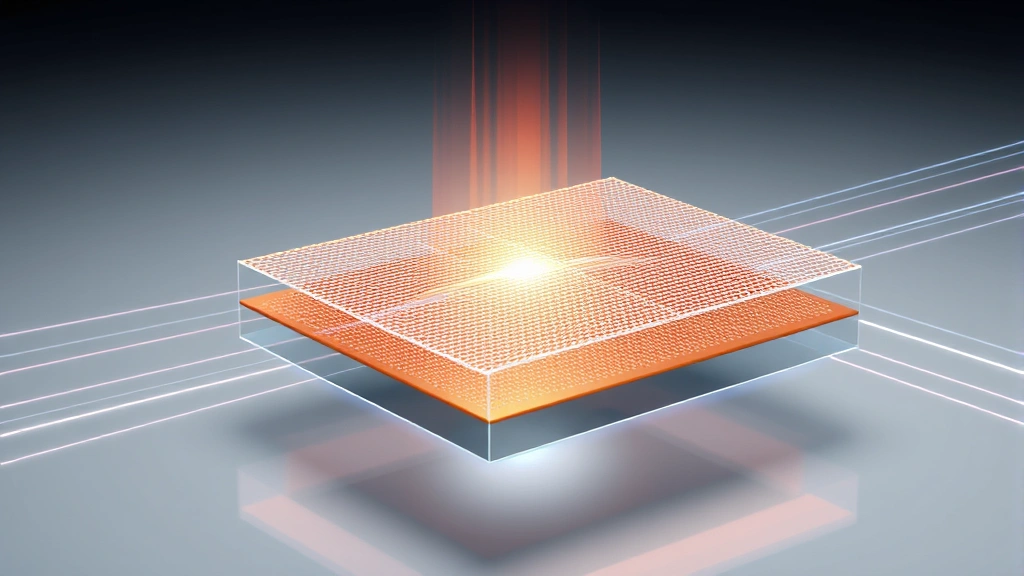
EMF shielding works by creating barriers that reflect or absorb electromagnetic radiation. Various materials demonstrate different shielding effectiveness across the EMF spectrum. Understanding material properties helps you evaluate protective products critically.
Common shielding materials include:
- Copper mesh and foil: Excellent RF shielding; reflects most radiofrequency radiation. Commonly used in EMF-blocking phone cases and laptop sleeves.
- Mu-metal: Specialized alloy designed for low-frequency magnetic field shielding. More effective than copper for ELF protection from power lines.
- Lead: Traditional shielding material; highly effective but heavy and less practical for portable devices.
- Conductive textiles: Silver-lined or copper-woven fabrics offer portable shielding in hats, blankets, and clothing.
- Faraday cages: Enclosures that completely surround devices; highly effective when properly grounded.
Shielding effectiveness depends on material thickness, frequency of radiation being blocked, and proper grounding. A thin copper layer may block high-frequency RF radiation effectively but provide minimal protection against low-frequency ELF fields. Conversely, mu-metal excels at magnetic field shielding but offers limited RF protection.
The challenge with shielding is that it can sometimes trap radiation if not properly designed. Ungrounded metal cases may actually concentrate fields rather than disperse them. This is why product quality and engineering matter significantly when evaluating protective devices.
Device-Specific Protection Strategies
Mobile phones represent the primary EMF exposure source for most people. Expert recommendations include using wired headsets with ferrite beads, maintaining distance during calls, and avoiding phone use while moving (which increases power output). Air tube headsets conduct sound mechanically rather than electrically, eliminating RF radiation near the ear. Case-based shielding should allow adequate ventilation to prevent heat accumulation.
Laptops and tablets emit both RF and ELF radiation. Protective strategies include using laptop stands to maintain distance from your body, connecting to external keyboards and mice rather than touching the device directly, and using EMF-blocking laptop pads beneath devices. Wired internet connections via ethernet reduce Wi-Fi exposure compared to constant wireless connectivity.
Smart devices and IoT products continuously emit radiofrequency signals. Turning off Wi-Fi and Bluetooth when not needed reduces exposure significantly. Disabling location services and background app refresh decreases transmission frequency. Placing these devices away from sleeping areas prevents nighttime EMF exposure during your most vulnerable hours.
Smart meters transmit usage data wirelessly, often multiple times daily. Requesting analog meter installation or metal shielding behind smart meters provides protection. Some utilities allow opt-out options, though fees may apply.
For all devices, manufacturer specifications include SAR (Specific Absorption Rate) values indicating radiofrequency energy absorption. Comparing SAR values helps you choose lower-emission devices when upgrading.
Learn more about optimizing your media consumption choices at our ScreenVibeDaily blog for balanced digital engagement.
Home and Workplace EMF Reduction
Creating low-EMF environments requires systematic assessment and strategic modifications. Professional EMF measurements using calibrated meters identify hotspots and guide protective interventions.
Home optimization strategies:
- Electrical wiring assessment: Older homes with ungrounded wiring create higher ELF fields. Certified electricians can identify and remediate problematic installations.
- Appliance placement: Microwave ovens, electric heating systems, and water heaters generate significant EMF. Maintaining distance from living spaces reduces exposure.
- Bedroom hardening: Since sleep is critical for cellular repair, creating EMF-reduced bedrooms is priority. Turn off Wi-Fi routers at night, keep phones in another room, and ensure distance from external power lines and cellular towers.
- Grounding: Proper electrical grounding in homes dissipates electrical charges and reduces ambient EMF.
- Shielded cables: Replacing standard power cords with shielded alternatives reduces radiation from electrical systems.
Workplace EMF reduction involves similar principles. Positioning desks away from Wi-Fi access points, using wired internet connections, and advocating for EMF-aware office layouts protects professional health. Employees spending 8+ hours daily in high-EMF environments face cumulative exposure warranting protective measures.
Outdoor EMF considerations: Living near cellular towers, power substations, or high-voltage transmission lines increases baseline exposure. While relocation isn’t feasible for everyone, awareness of your environmental EMF profile helps you implement compensatory strategies.
Evaluating EMF Protection Products
The EMF protection market includes legitimate solutions alongside pseudoscientific products making unsupported claims. Critical evaluation prevents wasted investment on ineffective devices.
Red flags for questionable products:
- Claims of 100% protection—physically impossible given EMF physics
- Vague mechanisms of action; genuine shielding products explain how they work
- Lack of independent testing or third-party verification
- Before-and-after testimonials without scientific methodology
- Prices dramatically higher than material costs justify
- Claims that devices “neutralize” or “harmonize” EMF without energy absorption or reflection
Legitimate product characteristics:
- Transparent material composition and shielding specifications
- Independent laboratory testing results (shielding effectiveness percentages)
- Reasonable pricing aligned with material and manufacturing costs
- Clear limitations acknowledged; no universal protection claims
- Scientific references supporting underlying principles
- Manufacturer credentials and company transparency
Reputable manufacturers provide shielding effectiveness data measured in decibels (dB) across specific frequency ranges. Products tested by independent labs like those accredited by FCC or international standards organizations offer greater credibility than untested alternatives.
Cost shouldn’t be the sole factor, but extreme pricing suggests marketing hype rather than engineering excellence. Quality EMF shielding fabrics cost $15-30 per yard; cases range $25-75; and professional shielding services vary by scope but should align with material and labor costs.
For balanced media consumption strategies supporting digital wellness, explore our best movie review sites guide to choose quality entertainment.
Testing products yourself using smartphone EMF meter apps provides rough assessment, though these apps have accuracy limitations. Professional EMF meters ($200-1000+) offer precise measurements but require technical expertise to interpret correctly.
FAQ
What is the best EMF protection for daily use?
Distance and time remain the most effective, cost-free protection methods. Holding devices away from your body, limiting wireless usage, and creating device-free zones provide measurable exposure reduction. For those seeking additional protection, air tube headsets and laptop stands offer practical, affordable solutions without requiring specialized equipment.
Do EMF-blocking phone cases actually work?
Quality cases with copper mesh or mu-metal shielding do reduce radiofrequency exposure when properly engineered and grounded. However, effectiveness varies by design. Cases that completely enclose phones may trap heat or interfere with antenna function. The most effective approach combines a modest-quality case with distance-based strategies like speakerphone use.
Is shielding paint effective for EMF protection?
Shielding paints containing conductive materials can reduce RF radiation penetration through walls, particularly for high-frequency signals. However, they require proper grounding to function effectively and perform better against RF than ELF radiation. Professional installation ensures optimal performance. Effectiveness for home use remains modest unless paired with other protective measures.
Should I be concerned about 5G EMF exposure?
5G networks operate at higher frequencies than previous generations, which paradoxically reduces penetration depth into body tissues. However, increased network density means more transmission sources. Expert recommendations focus on distance maintenance and behavioral modifications rather than panic about specific technologies. Regulatory exposure limits apply to 5G deployments.
Can grounding or earthing reduce EMF exposure?
Grounding techniques can reduce electrical field exposure in some contexts by providing a path for electrical charges to dissipate. However, grounding doesn’t block radiofrequency radiation from wireless devices. While grounding mats and sheets may support overall electrical balance, they’re not comprehensive EMF protection solutions.
What EMF levels are considered safe?
WHO and FCC guidelines establish safety limits based on thermal effects. However, precautionary approaches suggested by some researchers recommend lower exposure levels, particularly for vulnerable populations like children and pregnant women. Individual tolerance varies, and personal risk assessment should guide your protection strategy.