Best Ear Protection for Shooting: Expert Picks & Comprehensive Reviews
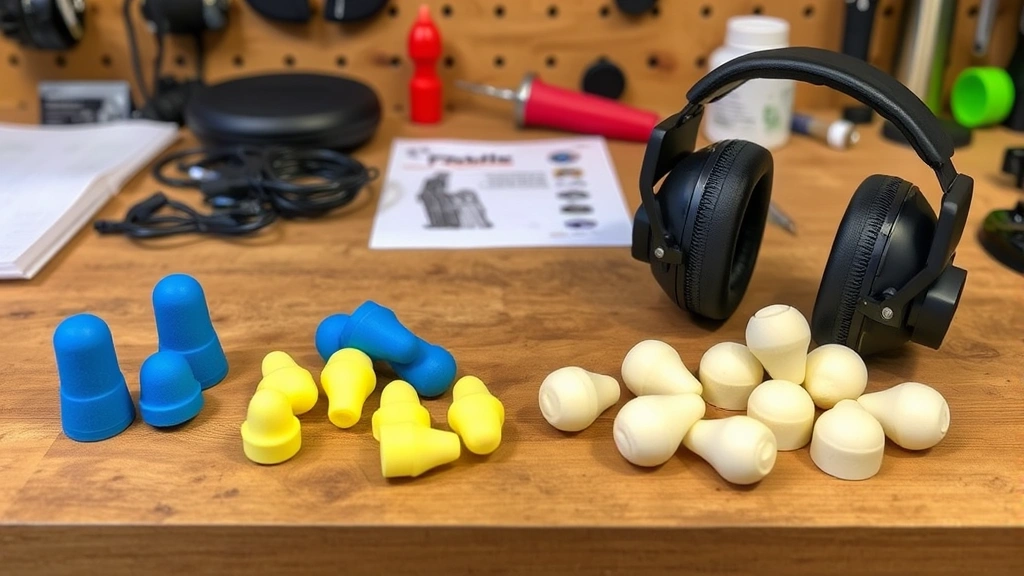
Hearing protection at the shooting range is not optional—it’s essential. The sound of firearms can reach 140-190 decibels, far exceeding the 85-decibel threshold where hearing damage begins. A single exposure to gunfire without proper protection can cause permanent hearing loss, tinnitus, and auditory trauma. Whether you’re a competitive shooter, hunter, or recreational enthusiast, selecting the right ear protection determines your long-term hearing health and shooting comfort.
This comprehensive guide covers the best ear protection options available today, from passive earmuffs to advanced electronic systems. We’ll examine performance ratings, comfort features, durability, and real-world effectiveness to help you make an informed decision. Understanding the differences between protection types ensures you invest in hearing safety that matches your specific shooting activities and environment.
Understanding Shooting Noise Levels and Hearing Damage
Firearm noise represents one of the most intense occupational and recreational hazards. A .22 rifle produces approximately 140 decibels, while larger calibers like .308 Winchester generate 165+ decibels. To contextualize: normal conversation measures 60 decibels, lawn mowers reach 90 decibels, and jet engines exceed 140 decibels. The difference between 85 and 140 decibels is exponential—every 3-decibel increase represents a doubling of sound intensity.
Hearing damage occurs through two mechanisms: acoustic trauma from sudden loud impulses and cumulative noise-induced hearing loss from repeated exposure. A single .308 round can cause permanent damage without protection. The inner ear contains approximately 16,000 hair cells that convert sound vibrations into neural signals. Once these cells die, they don’t regenerate. Proper ear protection prevents this irreversible damage.
According to NIOSH guidelines on occupational noise exposure, protection should reduce noise exposure to 85 decibels or lower. The Noise Reduction Rating (NRR) indicates how many decibels a device reduces sound—a 30 NRR earmuff reduces 140 decibels to approximately 110 decibels when properly fitted.
Passive vs. Electronic Ear Protection: Which Works Best
Passive ear protection relies on physical barriers—foam, rubber, and acoustic materials—to block sound waves. These devices provide consistent protection across all frequencies and require no batteries or maintenance. However, they create a sealed environment that can feel isolating and prevent normal conversation at the range.
Electronic ear protection uses microphones and amplifiers to allow ambient sounds while clamping shut during loud impulses. This technology enables shooters to hear range commands, communicate with others, and maintain situational awareness. Most electronic systems feature compression technology that amplifies quiet sounds while instantly suppressing loud ones. Premium models offer directional microphones, Bluetooth connectivity, and customizable amplification levels.
For tactical applications and competitive shooting where communication matters, electronic protection provides superior functionality. For hunters and recreational shooters prioritizing maximum noise reduction, passive options often suffice. Many serious shooters use both—electronic muffs for range days and passive plugs for hunting when portability matters.
Top-Rated Earmuff Options for Shooting
Passive Earmuffs
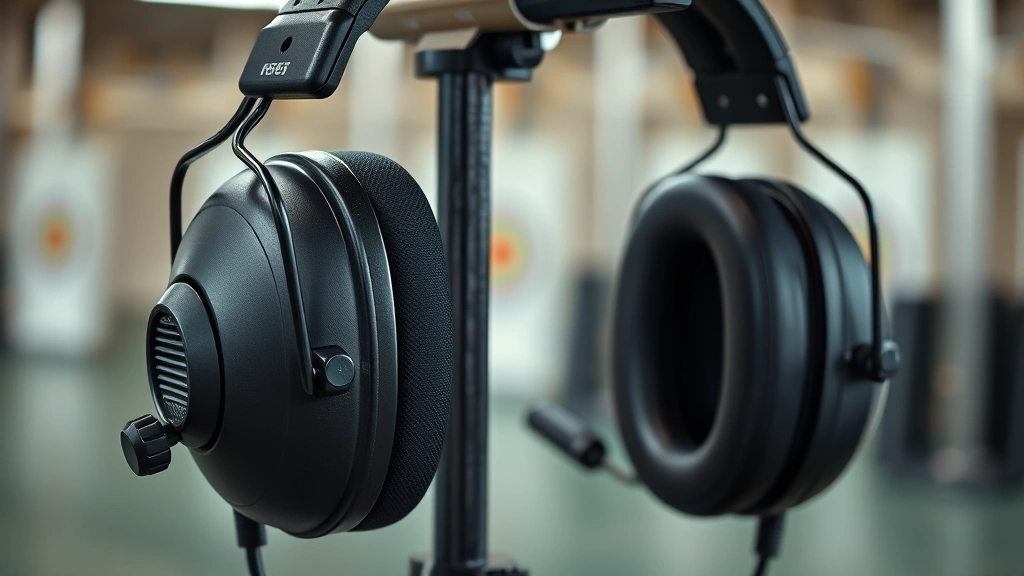
The 3M Peltor X5A stands as the gold standard for passive protection, offering a 31 NRR with comfortable over-ear design and excellent noise isolation. The independent earcups allow one cup to rest on the shoulder, useful for rifle shooters. Dual-foam ear cushions provide lasting comfort during extended range sessions.
Pro For Sho Tactical Earmuffs deliver 34 NRR protection in a lightweight design specifically engineered for shooters. The low-profile cups don’t interfere with rifle stocks or shotgun cheeks, and the adjustable headband accommodates various head sizes. Passive design means zero battery dependence—critical for hunting trips where equipment failure isn’t an option.
Electronic Earmuffs
The 3M Peltor Sport Tactical 500 represents the premium electronic option, featuring 26 NRR passive protection with real-time audio amplification. Dual omnidirectional microphones capture environmental sound with 8x amplification, allowing you to hear whispers while suppressing gunfire to safe levels. Bluetooth connectivity enables pairing with communication devices, and 50-hour battery life ensures reliability.
Walker Razor Slim electronic muffs offer impressive performance in a compact profile. The 23 NRR passive protection combines with sound amplification, and the slim design fits under baseball caps and shooting glasses. Dual-battery design extends runtime, and the affordable price point makes this option accessible for budget-conscious shooters.
For serious competitors and law enforcement, the Sordins headset represents military-grade protection. These expensive but highly durable systems feature communication headsets integrated with hearing protection, allowing secure radio communication while maintaining auditory awareness. Sordins are standard equipment for tactical units and professional shooters globally.
Custom Molded Earplugs for Maximum Comfort
Custom-molded earplugs represent the ultimate in personalized hearing protection. An audiologist takes impressions of your ear canals, and manufacturers create plugs from those molds. This ensures perfect fit, maximum comfort for all-day wear, and superior seal compared to universal plugs. Most shooters report custom plugs stay in place better during recoil.
Many custom earplugs feature interchange-able filters, allowing you to select passive protection or add electronic amplification modules. Some models include communication tubes enabling two-way conversation while maintaining protection. Costs range from $300-800 per pair, representing significant investment but lasting durability—quality custom molds function for years.
The primary disadvantage involves cost and lead time. Custom molds require professional fitting and take weeks to manufacture. They’re ideal for professional shooters, military personnel, and serious enthusiasts who shoot regularly. For occasional recreational shooters, off-the-shelf options provide adequate protection at fraction of the cost.
Advanced Electronic Hearing Protection Systems
Modern electronic protection technology has revolutionized shooter comfort. Directional microphone arrays allow you to hear threats or range officers while suppressing impulse noise. Frequency-specific compression targets gunfire while preserving speech intelligibility. Some premium systems include NIST-certified acoustic testing documenting protection levels.
Bluetooth-enabled systems connect to smartphones and communication devices. Some shooters pair electronic muffs with two-way radios, enabling tactical team coordination. Advanced models feature noise floor adjustment, allowing customization of ambient amplification to your preference and environment.
The limitation of electronic protection involves impulse response time. Most systems react within 2-4 milliseconds to loud sounds, but some shooters report slight delay perception. Passive protection provides instantaneous blocking with no reaction time. Hybrid approaches—electronic muffs combined with foam plugs—offer maximum protection for extreme noise environments like indoor shooting ranges with large-caliber weapons.
Doubling Up: Combined Protection Strategies
Professional shooters and hearing health advocates recommend “doubling up” with simultaneous earmuffs and earplugs. This approach provides additive protection: a 30 NRR earmuff plus a 28 NRR earplug doesn’t equal 58 NRR (due to acoustic physics), but instead provides approximately 33-35 NRR combined—significantly better than either option alone.
The combined approach proves essential for indoor shooting ranges, where sound reflects off walls and ceilings, creating sustained high-decibel environments. Shotgun sports competitions and large-caliber rifle shooting also benefit from maximum protection. Even hunters taking single shots benefit from combined protection, as the hearing damage risk from one unprotected gunshot remains substantial.
Comfort becomes the primary concern when doubling up. Earmuffs over plugs can create pressure discomfort during extended wear. Proper technique involves inserting plugs correctly—rolling foam plugs into tight cylinders, inserting deeply into ear canals, and allowing them to expand fully for 20-30 seconds before sealing. Earmuffs should sit firmly but not painfully tight.
Comfort and Fit Considerations for All-Day Shooting
Hearing protection you won’t wear provides zero protection. Comfort directly impacts compliance, making fit and design critical factors. Lightweight designs reduce neck and shoulder fatigue during long range sessions. Many modern earmuffs weigh under 200 grams, compared to heavier models exceeding 400 grams.
Headband pressure distribution matters significantly. Quality earmuffs feature padded headbands with graduated pressure that doesn’t create pressure points. Some models include adjustable suspension systems that distribute weight across the entire headband rather than concentrating pressure on two points.
Earcup design affects comfort and seal quality. Larger earcups accommodate various ear sizes but may feel bulky. Smaller cups reduce weight but risk gaps if ear size doesn’t match design specifications. Replaceable foam cushions extend product life and allow customization—some shooters upgrade to memory foam alternatives for improved comfort.
Ventilation prevents moisture and heat buildup during active shooting. Some earmuffs feature breathable materials or ventilation holes, though these compromise noise isolation slightly. For hot-weather shooting, gel cushions provide better heat dissipation than standard foam.
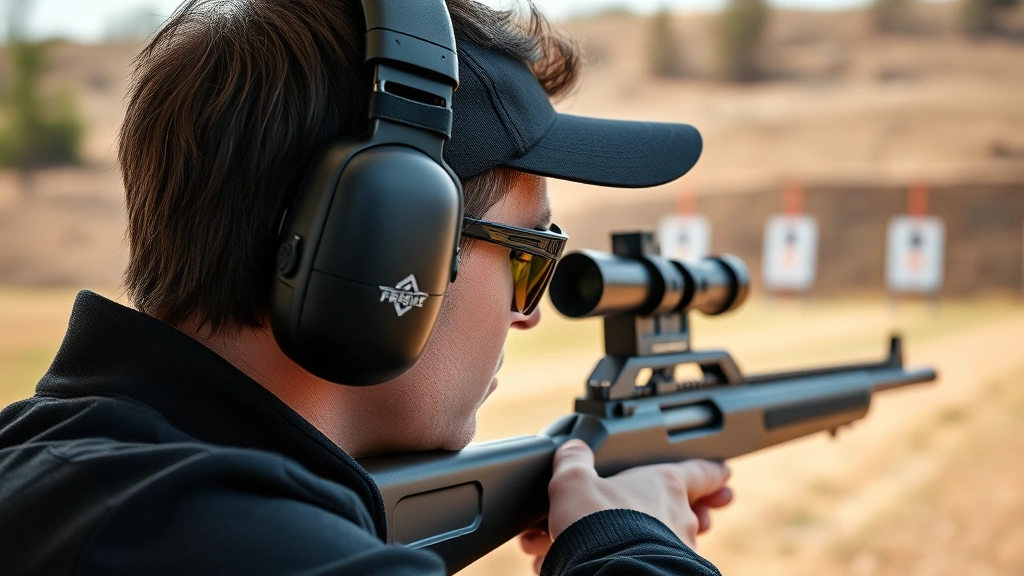
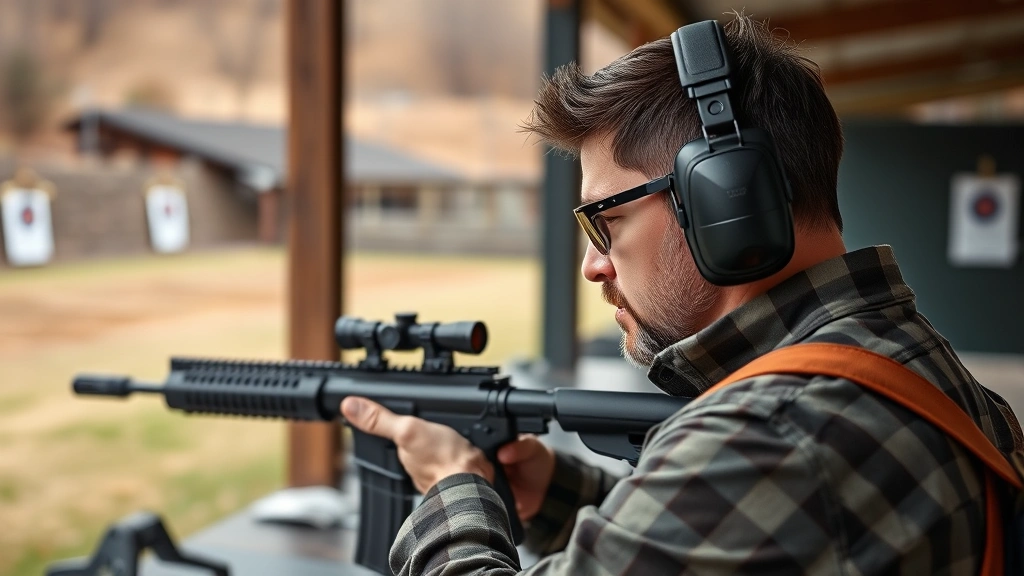
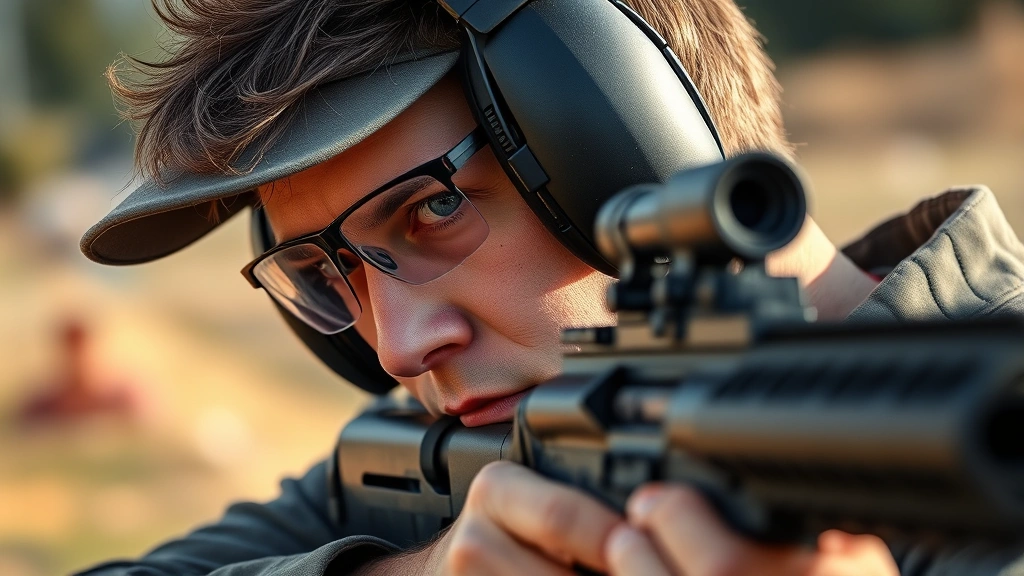
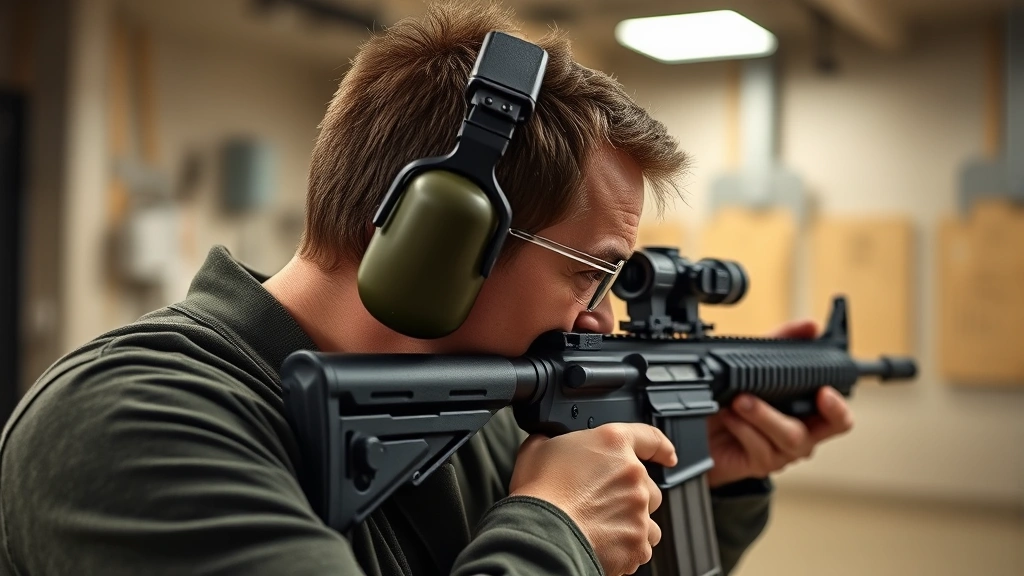
Compatibility with other equipment matters. Rifle shooters need muffs that don’t interfere with stock placement. Shotgun shooters require designs that don’t contact cheeks. Glasses wearers benefit from low-profile designs that don’t create pressure where temple pieces contact heads. Some earmuffs feature adjustable earcup angles specifically designed to accommodate shooting glasses.
Key Features to Evaluate When Selecting Protection
Noise Reduction Rating (NRR)
NRR indicates attenuation in a laboratory setting under ideal conditions. Real-world protection typically achieves 50-70% of listed NRR due to improper fit and seal gaps. A 30 NRR device might provide only 15-21 NRR in actual use. This is why proper fitting and combined protection strategies matter—they close the gap between theoretical and practical protection levels.
Durability and Build Quality
Quality hearing protection represents long-term investment. Examine headband construction—metal frames typically outlast plastic. Check earcup materials and replacement part availability. Reputable manufacturers offer replacement cushions and repair services. Warranty coverage indicates manufacturer confidence; quality earmuffs often include 2-5 year warranties.
Battery Life and Power Requirements
Electronic devices require reliable power. High-quality systems offer 40+ hour battery life on standard batteries. Some premium options include rechargeable batteries with charging docks. Backup passive protection capability ensures functionality if batteries fail—critical for hunting and tactical applications.
Maintenance and Cleaning
Sweat, dirt, and moisture degrade hearing protection. Removable, washable cushions extend product life. Avoid submerging electronic components; instead, wipe earmuffs with damp cloths. Store in cool, dry locations away from extreme temperatures that degrade foam and electronics.
Frequently Asked Questions About Shooting Ear Protection
What NRR rating do I need for shooting?
Most shooting applications require minimum 20 NRR for outdoor rifle shooting and 25+ NRR for shotguns or indoor ranges. Competitive shooters and those using large-caliber rifles benefit from 30+ NRR. Combined passive and electronic protection ensures safety even in extreme noise environments. OSHA noise exposure standards recommend protecting exposure to 85 decibels or lower.
Can electronic hearing protection protect from gunfire?
Yes, quality electronic systems suppress gunfire impulses while amplifying normal sounds. Compression technology instantly clamps output when loud impulses occur, typically within 2-4 milliseconds. However, passive protection provides more consistent impulse suppression. Many shooters combine both for maximum protection and communication capability.
How do I know if my earplugs are inserted correctly?
Properly inserted foam earplugs should feel snug with no air gaps. The plug should fill your entire ear canal and feel secure when you move your jaw. Test the seal by covering ears with your hands—muffled sound indicates proper insertion. Incorrect insertion reduces protection by 50% or more.
Are custom molded earplugs worth the cost?
For frequent shooters and professionals, custom molds provide superior comfort, durability, and seal quality justifying the investment. Casual shooters typically find universal foam plugs or earmuffs adequate. Custom options excel for all-day wear and situations requiring consistent, secure fit.
Can hearing protection affect my shooting accuracy?
Properly fitted protection shouldn’t impact accuracy. Some shooters report improved focus with electronic muffs that allow hearing range commands. Passive muffs can initially feel isolating but don’t affect physical shooting mechanics. Choose protection that feels comfortable and allows you to maintain proper sight picture and cheek weld.
How often should I replace foam earplugs?
Foam earplugs degrade with use and moisture exposure. Replace them when they lose elasticity, fail to expand fully, or feel hardened. Most shooters replace plugs every 3-6 months with regular use. Custom molds last years if maintained properly and stored in protective cases.