Top Ear Protection Muffs? Expert Reviews Inside
Hearing protection is a critical component of workplace safety, recreational activities, and everyday life. Whether you’re operating power tools, attending concerts, or working in industrial environments, selecting the right ear protection muffs can mean the difference between preserving your hearing and suffering permanent damage. The market offers countless options ranging from basic passive muffs to advanced electronic models with noise-canceling technology, making the selection process overwhelming for most consumers.
This comprehensive guide examines the leading ear protection muffs available today, analyzing their features, performance metrics, and real-world applications. We’ll explore different types of hearing protection, evaluate top-performing models, and provide expert recommendations to help you make an informed decision. Our analysis considers noise reduction ratings (NRR), comfort levels, durability, and specialized features that distinguish premium options from standard alternatives.
Understanding Ear Protection Ratings
Noise reduction ratings form the foundation of hearing protection selection. The Noise Reduction Rating (NRR) measures how much sound a device attenuates in decibels. OSHA and the EPA establish these standards to ensure consistent measurement across manufacturers. An NRR of 30 means the muff reduces noise by approximately 30 decibels under ideal laboratory conditions. However, real-world performance typically delivers 50-70% of the listed NRR due to improper fit, gaps, and environmental variables.
Understanding the decibel scale is essential for contextualizing protection levels. Normal conversation occurs around 60 decibels, while power tools generate 80-110 decibels. Prolonged exposure to sounds above 85 decibels can cause permanent hearing damage. When selecting muffs, consider the noise environment where you’ll use them most frequently. Industrial workers need higher NRR ratings than recreational shooters, though both require adequate protection.
Different frequency ranges require different protection strategies. Low-frequency noise (below 500 Hz) proves more challenging to attenuate than high-frequency sounds. Premium muffs incorporate specialized foam designs and dual-layer construction to address this challenge. Always verify that your chosen muffs adequately protect across the frequency spectrum relevant to your specific environment.
Passive vs. Electronic Muffs
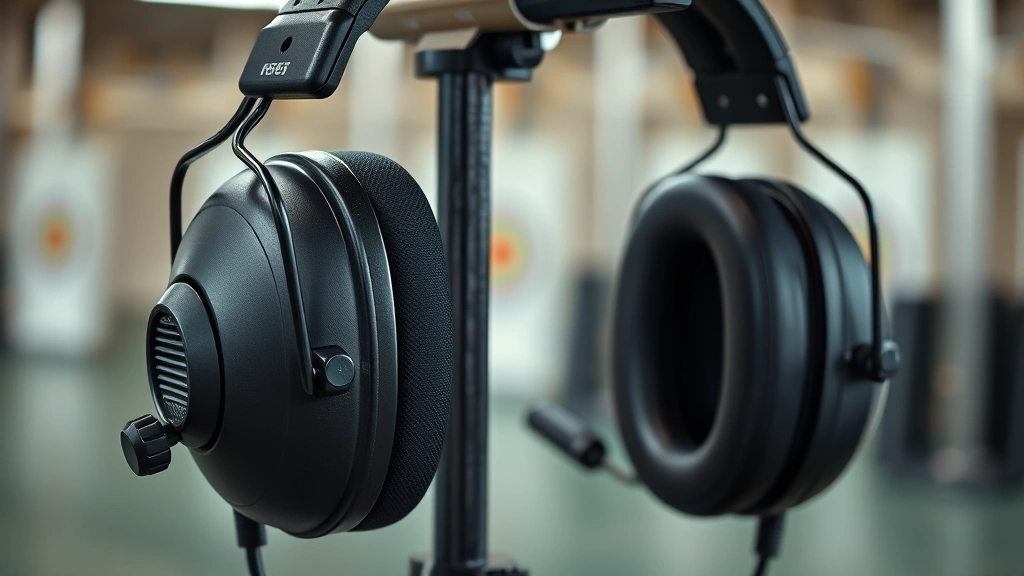
Passive ear muffs rely on physical barriers and absorption materials to reduce noise. These economical options require no batteries and function immediately. Passive muffs work exceptionally well for consistent, high-level noise environments like manufacturing facilities. Their simplicity means fewer components to fail, making them reliable for demanding industrial applications.
Electronic muffs introduce microphones, amplifiers, and sound processors that allow normal conversation while blocking dangerous impulse noises. This technology proves invaluable for shooting ranges, military operations, and hunting scenarios where situational awareness matters. Electronic models amplify quiet sounds while simultaneously protecting against loud impulses, creating an asymmetric protection profile that passive muffs cannot match.
The choice between passive and electronic depends on your primary use case. Visit our Screen Vibe Daily Blog for additional product review resources. Workers in steady-noise environments benefit from passive muffs’ simplicity and cost-effectiveness. Those requiring situational awareness should invest in quality electronic options. Many professionals maintain both types for different scenarios.
Top-Rated Ear Protection Models
3M Peltor X5A Earmuffs consistently rank among the best passive options available. These muffs deliver an NRR of 31 and feature excellent build quality that withstands industrial abuse. The padded headband and foam ear cushions provide all-day comfort, while the modest weight prevents fatigue during extended wear. Users praise their durability and consistent performance across various noise environments.
The Snug Kids Earmuffs address a critical market gap by providing proper hearing protection for children. With an NRR of 25, these muffs offer adequate protection for younger users while accounting for smaller head sizes. The adjustable design grows with children, making them economical for families. Parents appreciate their lightweight construction and attractive designs that encourage consistent use.
For electronic protection, the Walker’s Razor Slim represents excellent value. These ultra-thin muffs integrate electronics without adding bulk, making them ideal for hunting and shooting sports. The directional microphones amplify quiet sounds while suppressing impulse noises above 85 decibels. Battery life extends to 48 hours, and the compact profile fits easily under helmets or alongside eyewear.
Professional-grade options like the 3M Peltor ComTac III cater to military and law enforcement users. These muffs combine superior noise attenuation with communication capabilities, allowing team coordination in tactical environments. The modular design accommodates accessories, and the robust construction withstands extreme conditions. The premium price reflects the specialized features and military-grade durability standards.
The Snug Kids Safe Earmuffs expand on the basic children’s model with enhanced features for young ears. These muffs include a passive option with NRR 25 and optional electronic amplification. The bright colors and fun designs encourage children to wear protection consistently, addressing the critical challenge of compliance in younger users.
Features That Matter Most
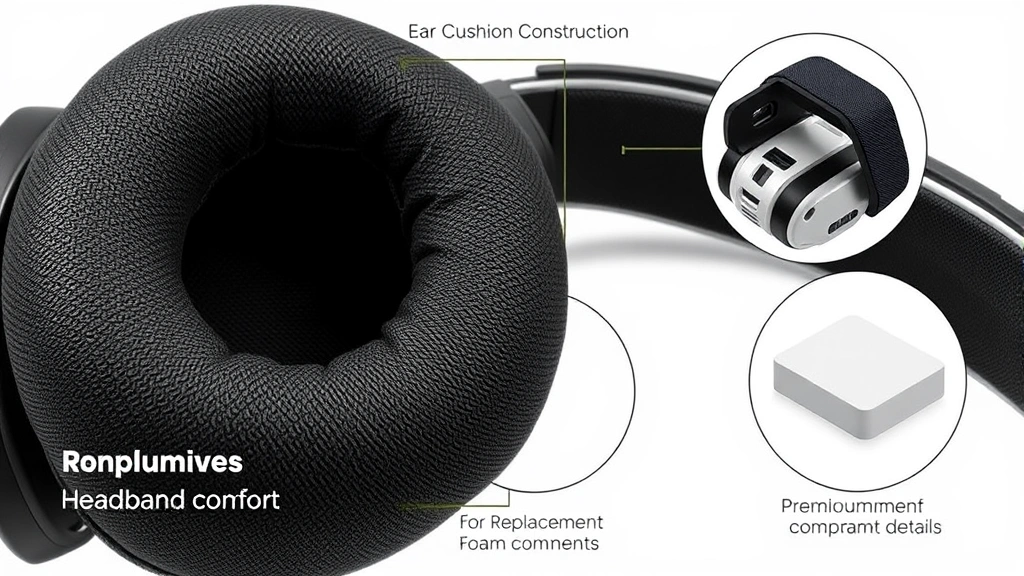
Comfort during extended wear separates quality muffs from mediocre options. Premium models feature pressure-relieved headbands that distribute weight evenly across the head. Replaceable ear cushions accommodate different ear sizes and preferences, with options ranging from gel-filled designs to memory foam alternatives. Users spending eight-hour shifts in muffs require models that don’t cause headaches or ear soreness.
Adjustability extends the utility of any muff model. Telescoping headbands accommodate different head sizes, while rotating ear cups align properly with various ear shapes. Some premium models feature independent cup adjustment, allowing asymmetric positioning for unique anatomies. This flexibility ensures proper seal integrity, which directly impacts protection effectiveness.
Noise isolation quality depends on seal integrity. Circumaural designs (completely surrounding the ear) outperform supraaural options (resting on ear rather than surrounding it). The seal must be consistent around the entire ear perimeter without gaps. Replaceable cushions maintain seal quality as materials degrade over time. High-quality foams retain their shape and compression characteristics longer than budget alternatives.
Weight and profile matter significantly for professionals wearing muffs throughout workdays. Lighter designs reduce neck strain and fatigue. Low-profile models accommodate helmets, safety glasses, and communication headsets without awkward stacking. Some users prefer behind-the-neck designs for better visibility and reduced pressure points.
Communication integration becomes increasingly important in team environments. Muffs with integrated microphones and speakers allow coordination without removing protection. Battery life, audio quality, and wireless connectivity vary substantially between models. Consider whether communication features justify the additional cost for your specific application.
Application-Specific Recommendations
Industrial Manufacturing
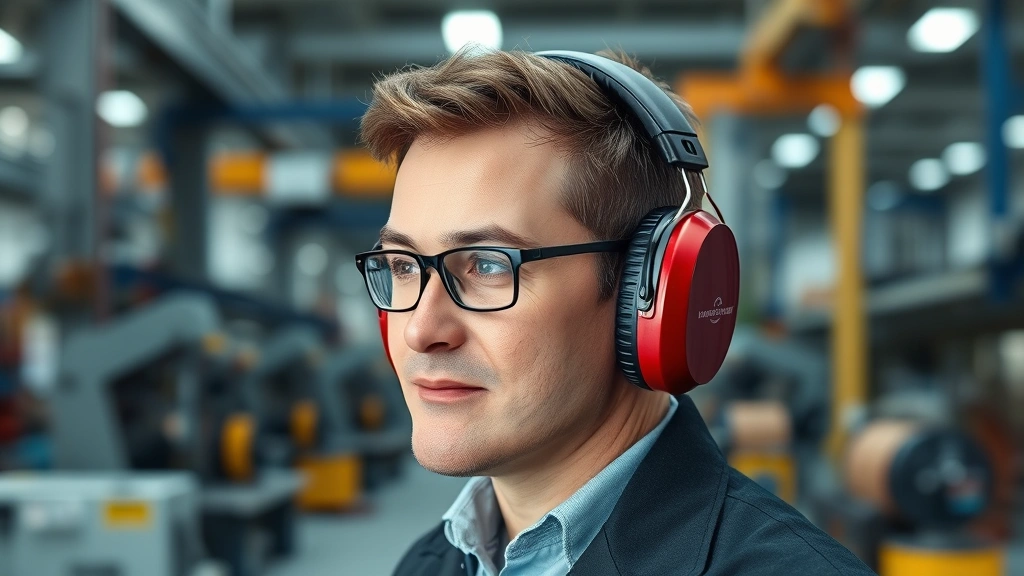
Manufacturing environments demand consistent high-NRR protection without communication requirements. The 3M Peltor X5A excels in these settings with its NRR 31 rating and robust construction. Workers appreciate the straightforward design that requires no maintenance beyond occasional cushion replacement. Consider purchasing multiple units to rotate through cleaning cycles, extending overall lifespan.
Shooting Sports and Hunting
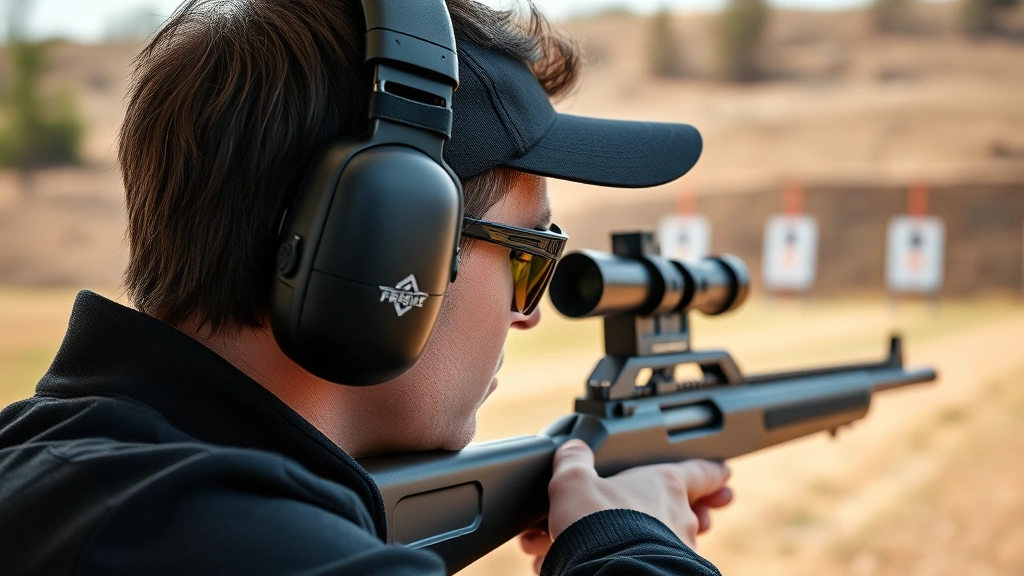
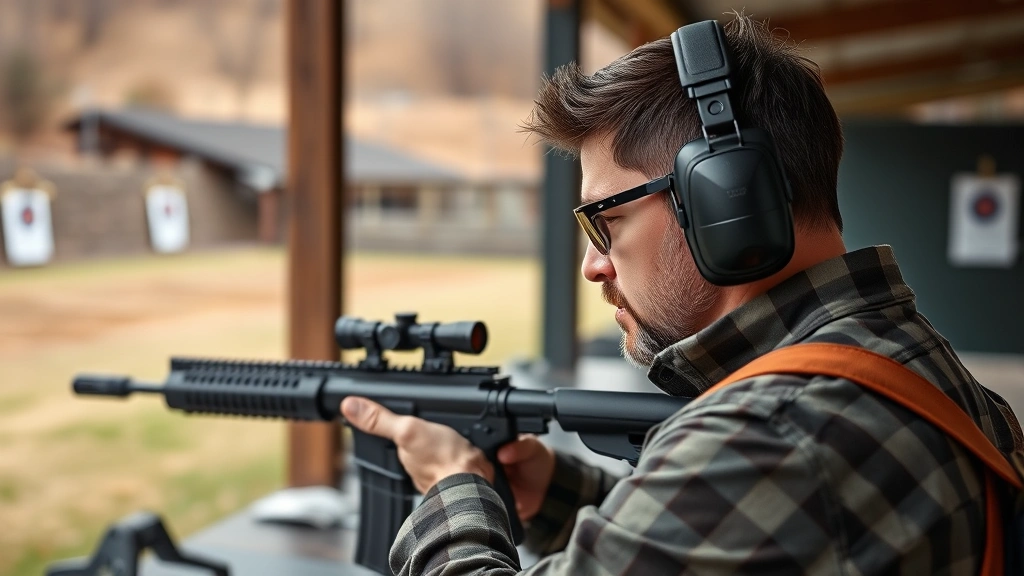
Shooters require asymmetric protection that allows hearing ambient sounds while blocking gunshots. Electronic options like Walker’s Razor Slim provide this capability at reasonable prices. The directional microphones enable hunters to hear game movement while protecting against impulse noise. Battery-powered operation allows extended field use without charging concerns.
Construction and Demolition
Construction sites feature variable noise levels and multiple hazards requiring robust protection. Passive muffs offer simplicity and durability in dusty, wet environments where electronics might fail. The 3M Peltor X5A withstands construction abuse while providing adequate protection. Pair muffs with foam earplugs for cumulative protection in the highest-noise tasks.
Visit our Best Movie Review Sites Guide for guidance on evaluating product reviews across different sources. This same critical approach applies to hearing protection selection.
Aviation and Military Applications
Specialized environments like aircraft maintenance or tactical operations require communication-enabled muffs. The 3M Peltor ComTac III provides military-grade protection with integrated communication systems. These premium options justify their higher cost through durability, communication clarity, and specialized features addressing unique operational challenges.
Recreational Activities
Musicians, concert attendees, and recreational users benefit from lower-profile options. Compact passive muffs or electronic models with ambient sound amplification preserve the listening experience while protecting hearing. Some users prefer earplugs for less obtrusive protection, while others favor the adjustability and seal integrity of muffs.
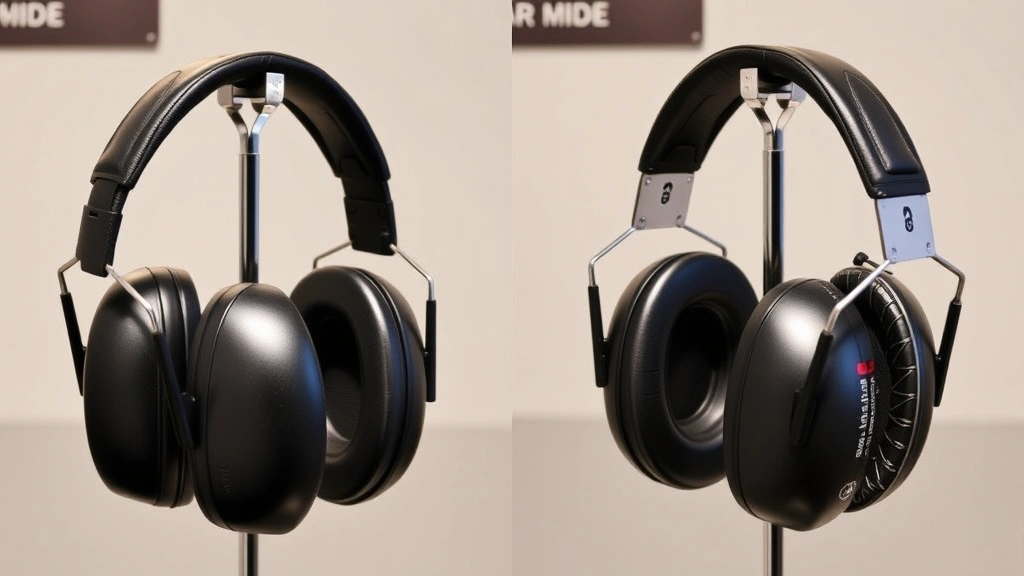
Maintenance and Care
Regular maintenance extends muff lifespan and preserves protection effectiveness. Clean ear cushions weekly with mild soap and water, allowing them to air dry completely before reuse. Avoid harsh chemicals that degrade foam materials. Replace cushions annually or when they lose their compression characteristics and no longer form tight seals.
Store muffs in cool, dry locations away from direct sunlight. Extreme heat degrades foam materials and can damage electronic components. Avoid storing muffs in compressed states that permanently deform the headband. Dedicated storage cases protect muffs from physical damage and contamination.
Battery maintenance matters for electronic models. Replace batteries on schedule rather than waiting for them to fail unexpectedly. Some users prefer rechargeable options to reduce waste, though disposable batteries offer longer shelf life. Store spare batteries in the muff case for convenient replacement during use.
Inspect muffs regularly for signs of damage. Cracks in the ear cup allow noise leakage that compromises protection. Bent headbands create pressure points and seal gaps. Address these issues promptly through repair or replacement rather than continuing to use compromised equipment.
Professional fitting services available through occupational health providers ensure proper seal and optimal protection. These services measure individual ear dimensions and recommend muff models that provide the best fit for your anatomy. While not essential for casual users, professionals in high-noise environments benefit from expert fitting.
FAQ
What NRR rating do I need for my work environment?
The required NRR depends on your noise environment. OSHA recommends protection for exposures above 85 decibels. Calculate your needed protection by subtracting the ambient noise level from the maximum safe exposure level (90 dB for 8-hour shifts). For example, in a 100 dB environment, you need at least NRR 10, though higher ratings provide safety margins.
Can I use earplugs instead of muffs?
Earplugs and muffs provide similar protection when inserted properly, though muffs offer better seal consistency for most users. Many professionals use both simultaneously for cumulative protection in extreme noise environments. Muffs prove easier to don and doff repeatedly, while earplugs suit situations requiring extended, continuous protection.
How long do ear muffs last?
Quality muffs last 2-5 years with proper maintenance. Foam cushions degrade first, typically requiring replacement annually. Electronic components may fail after 3-4 years of regular use. Industrial-grade models like the 3M Peltor X5A often outlast recreational options due to superior construction standards. Regular maintenance significantly extends overall lifespan.
Are expensive muffs worth the investment?
Premium muffs justify their cost through superior comfort, durability, and features. Workers spending full shifts in muffs benefit from ergonomic improvements that cheaper options lack. Electronic features prove essential for specific applications like shooting sports or tactical operations. Casual users may find basic passive muffs adequate for infrequent use.
Do children need different ear protection?
Yes, children require properly-sized muffs with adequate cushioning for smaller ears. The Best Movies on Netflix reviews highlight how streaming platforms cater to different audiences—similarly, hearing protection manufacturers now offer specialized children’s options. Models like Snug Kids Earmuffs provide appropriate protection while accommodating growing children through adjustable designs.
Can I wear muffs under a motorcycle helmet?
Yes, low-profile electronic muffs like Walker’s Razor Slim fit comfortably under helmets. The ultra-thin design prevents pressure points and maintains proper seal integrity. Standard over-the-head muffs create gaps when worn under helmets, compromising protection. Consider helmet-compatible options if this is your primary use case.
What’s the difference between passive and active noise cancellation?
Passive protection relies on physical barriers to block sound. Electronic or active systems use microphones and speakers to cancel noise waves electronically. Active systems excel at reducing low-frequency noise that passive designs struggle with. However, active systems require batteries and prove more expensive, making passive options preferable for simple, consistent-noise environments.
How do I know if my muffs fit properly?
Proper fit ensures the seal completely surrounds your ears with no gaps. The headband should apply even pressure without causing discomfort. You should feel the ear cups completely covering your ears. Test the seal by briefly covering one ear cup opening—you should notice pressure changes in your ear canal. Poor fits allow sound leakage that severely compromises protection effectiveness.
External Resources and Expert Guidance
For comprehensive information on hearing protection standards, consult NIOSH hearing protection guidelines, which provide evidence-based recommendations for occupational safety. The OSHA Noise Standard establishes mandatory workplace requirements that inform personal protection selection. For technical specifications and testing methodologies, review ASTM International standards that govern hearing protection manufacturing. The National Fire Protection Association provides guidance for specialized environments requiring advanced protection systems. Finally, Hearing Loss Association of America offers peer-reviewed information on prevention and protection strategies from medical professionals.
Selecting the right ear protection muffs requires balancing protection effectiveness, comfort, durability, and application-specific features. Our comprehensive analysis examined leading models across different categories, helping you identify options matching your specific needs. Whether you require industrial-grade passive protection or specialized electronic systems for tactical applications, quality hearing protection represents an essential investment in long-term health. Consult our How to Become a Film Critic guide for insights on detailed product evaluation methodology applicable to hearing protection selection. Implement proper maintenance routines to maximize muff lifespan, and replace components promptly when degradation occurs. Your hearing is irreplaceable—prioritize protection through informed equipment selection and consistent usage practices.