Top Ear Protection Gear for Shooting: Expert Picks and Comprehensive Buying Guide
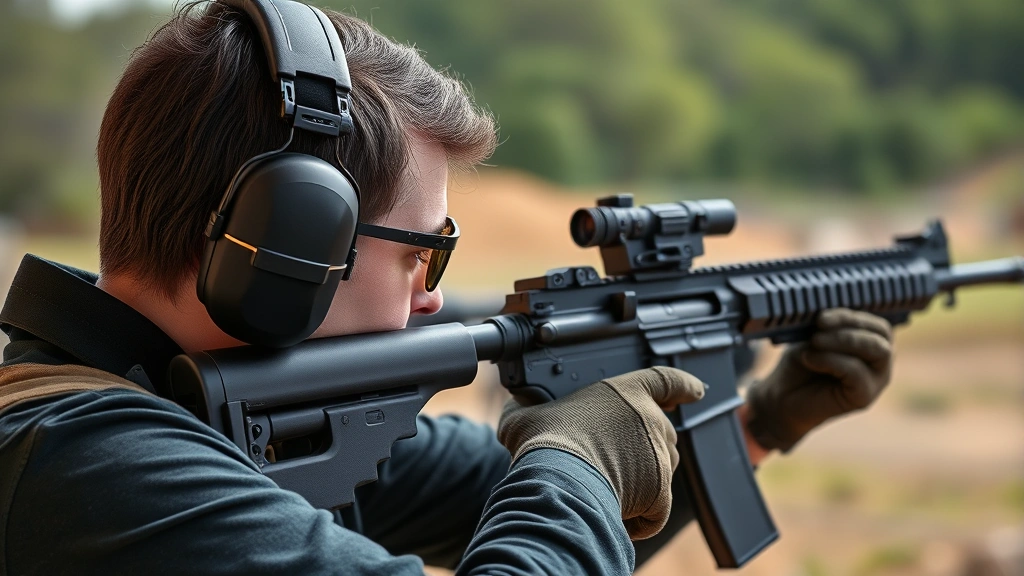
Hearing protection at the shooting range is not a luxury—it’s a critical necessity. Firearm noise levels regularly exceed 140-190 decibels, far surpassing the 85-decibel threshold where hearing damage begins. A single shooting session without proper ear protection can cause permanent hearing loss, tinnitus, and acoustic trauma. Whether you’re a competitive shooter, hunter, or recreational range enthusiast, selecting the right ear protection gear directly impacts your long-term auditory health and shooting performance.
The shooting community has access to numerous ear protection solutions, each with distinct advantages and limitations. From passive foam earplugs to sophisticated electronic hearing protection systems, the market offers options for every budget and shooting discipline. This comprehensive guide examines the best ear protection for shooting range environments, evaluating passive and active technologies, fit considerations, noise reduction ratings, and expert recommendations to help you make an informed decision.
Understanding Decibel Levels and Hearing Damage
Before selecting ear protection, understanding sound measurement and hearing damage mechanisms is essential. The decibel scale measures sound intensity logarithmically, meaning each 10-decibel increase represents a tenfold increase in sound energy. A typical conversation occurs at 60 decibels, while a lawnmower produces 90 decibels. Firearms generate substantially more noise: a 9mm pistol produces approximately 160 decibels, a rifle shot reaches 170-180 decibels, and shotgun blasts can exceed 190 decibels.
The Occupational Safety and Health Administration (OSHA) establishes that continuous exposure to 85 decibels over eight hours requires hearing protection. Impulse noise—such as gunshots—poses even greater risk because the sudden pressure wave damages delicate inner ear structures before the body’s protective mechanisms activate. Repeated exposure without adequate protection leads to noise-induced hearing loss (NIHL), a permanent condition characterized by high-frequency hearing loss, difficulty understanding speech in noisy environments, and tinnitus. According to the National Institute on Deafness and Other Communication Disorders, approximately 15% of American adults experience some degree of hearing loss attributable to noise exposure.
Hearing protection effectiveness is measured using Noise Reduction Rating (NRR), which indicates how many decibels a device reduces sound levels. An earplug with an NRR of 30 theoretically reduces sound by 30 decibels. However, real-world performance typically achieves 50-70% of the listed NRR due to improper insertion, individual ear canal variations, and environmental factors. This distinction between theoretical and practical protection is crucial when selecting shooting range ear protection.
Passive Ear Protection: Foam Plugs and Earmuffs
Passive ear protection—devices that rely solely on physical barriers without electronic components—represents the most affordable and accessible category of hearing protection. These devices work by absorbing sound energy through dense foam, rubber, or silicone materials.
Foam Earplugs
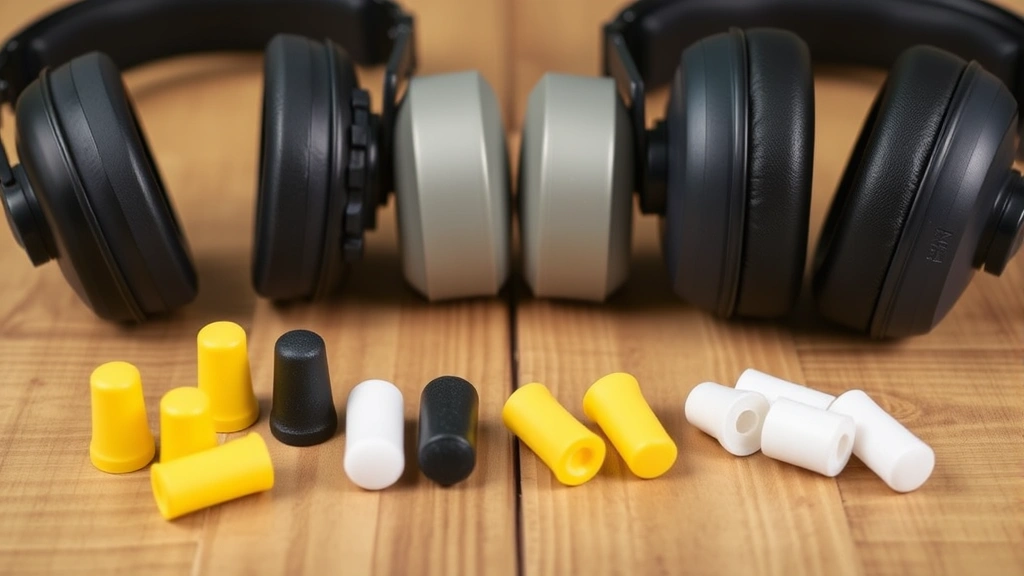
Foam earplugs remain the most popular passive protection option due to their low cost, portability, and effectiveness. High-quality foam earplugs typically offer NRR ratings of 28-33. Proper insertion technique is critical: users must roll the foam into a tight cylinder, insert it deep into the ear canal, and hold it for 10-15 seconds to allow full expansion. Many shooters achieve inadequate protection because they fail to insert plugs deeply enough or don’t allow sufficient expansion time.
Premium foam earplugs like 3M E-A-Rsoft Yellow Neons and Mack’s Pillow Soft Silicone provide superior comfort for extended range sessions. Reusable foam plugs offer cost savings over disposable options but require regular cleaning to maintain hygiene and acoustic properties. A significant disadvantage of foam plugs is the inability to hear range safety instructions or communication from shooting partners, potentially creating safety hazards in group shooting environments.
Over-the-Ear Earmuffs
Passive earmuffs provide NRR ratings typically ranging from 20-30 decibels, depending on seal quality and material composition. Quality earmuffs feature padded ear cups with adjustable headbands, creating an acoustic seal around the ears. The main advantages include ease of insertion and removal, ability to communicate between shots, and immediate visual verification of protection status. Disadvantages include potential discomfort during extended use, interference with rifle stocks and shooting positions, and reduced seal effectiveness if eyeglasses or long hair prevent proper contact.
Leading passive earmuff manufacturers include 3M Peltor, Snug Kids, and Pro For Sho, offering models ranging from basic entry-level protection to premium options with comfort-focused designs. When selecting earmuffs, verify that the headband provides adequate clamping force to maintain seal integrity without causing discomfort, and that ear cup padding remains soft and non-degrading after multiple uses.
Active Electronic Hearing Protection Systems
Active electronic hearing protection represents the technological advancement that revolutionized shooting range safety. These systems amplify quiet sounds while simultaneously blocking impulse noise, enabling shooters to hear range commands and communication while protecting against gunfire.
How Electronic Protection Works
Electronic hearing protection systems contain microphones that detect environmental sounds and digital processors that analyze sound characteristics. When impulse noise exceeds a predetermined threshold—typically 82-85 decibels—the system instantly activates sound compression or gating, reducing the signal to safe levels. This selective blocking allows normal conversation and ambient sounds to pass through unimpeded. Some advanced systems offer directional audio, allowing shooters to identify threat locations in tactical scenarios.
Advantages of Active Systems
Electronic protection offers several compelling advantages for serious shooters. The ability to hear safety instructions, range commands, and communication from shooting partners significantly enhances range safety. Many competitors and tactical shooters prefer active protection because it maintains situational awareness while providing superior impulse noise reduction. Battery life varies by model, ranging from 20 to 200+ hours, with most quality systems providing adequate runtime for extended shooting sessions. Premium models like Sord, Walkers, and Ops-Core systems offer NRR ratings of 20-26 with response times under 1 millisecond.
Limitations and Considerations
Electronic protection systems cost significantly more than passive alternatives, ranging from $150 to $1,500+ for professional-grade equipment. Battery dependency requires planning and backup power supplies for extended range days. Some shooters report that amplification introduces unnecessary distraction or unnatural sound quality. Additionally, lower-quality electronic systems may exhibit delayed response times, potentially allowing brief high-intensity sound exposure before compression activates.
Double Protection: Combining Plugs and Muffs
Many hearing health professionals and experienced shooters recommend using foam earplugs simultaneously with earmuffs—a strategy called double protection. This approach combines the benefits of both systems, achieving cumulative noise reduction that exceeds either method alone.
When properly combined, double protection can achieve effective NRR ratings of 40-45 decibels, substantially exceeding single-method protection. The calculation is not additive; instead, the lower NRR device is subtracted from 1 and multiplied by the higher NRR device. For example, combining a 30-NRR earplug with a 25-NRR earmuff yields approximately 40 decibels of protection. This combined approach is particularly recommended for high-volume shooting environments like competitive shooting events, shotgun ranges, and tactical training scenarios where exposure duration and impulse intensity are maximized.
The primary disadvantage of double protection is reduced communication capability and potential discomfort during extended use. Shooters must carefully select compatible products—overly rigid earmuffs may prevent proper foam plug insertion, while incompatible combinations create acoustic gaps. For range shooting where communication is critical, combining passive earmuffs with electronic amplification provides superior hearing protection while maintaining situational awareness.
Top-Rated Ear Protection Products
Best Overall: Walker’s Razor Slim Electronic Earmuffs
Walker’s Razor Slim represents the gold standard for active electronic hearing protection. These earmuffs feature dual-microphone technology for directional audio, 20-hour battery life, and an NRR of 23. The slim profile allows compatibility with rifle stocks and shooting glasses, addressing common ergonomic complaints. Advanced users appreciate the adjustable volume control and digital sound processing that maintains conversation clarity while blocking impulse noise. Price point around $200-250 positions this product as premium but accessible for serious shooters.
Best Budget Option: 3M E-A-Rsoft Yellow Neons Foam Earplugs
For shooters prioritizing affordability without sacrificing protection quality, 3M’s foam earplugs deliver consistent NRR of 33 at a cost of $0.10-0.30 per pair. These bright yellow plugs feature excellent visibility for inventory management and proper insertion verification. While lacking electronic amplification, they provide reliable passive protection suitable for recreational shooting and training. Bulk purchasing reduces per-unit costs, making them ideal for range owners and firearms instructors.
Best Premium Electronic: Sord Suppressors Tactical Hearing Protection
Sord systems represent the pinnacle of electronic hearing protection technology. Featuring military-grade components, 100+ hour battery life, and response times under 0.5 milliseconds, Sord provides uncompromising protection for professional and competitive shooters. Directional microphone arrays enable precise threat localization in tactical scenarios. The premium price point ($500-1,500) reflects professional-grade engineering and durability designed for high-stress environments. Law enforcement and military units frequently select Sord systems for critical applications.
Best Hybrid Solution: Ops-Core RAC Headset
Ops-Core RAC (Rapid Acquisition Communications) systems integrate electronic hearing protection with communication capabilities, enabling team coordination during tactical training and professional shooting events. The headset format accommodates helmet mounting, facilitates multi-person communication, and provides military-specification durability. This solution suits professional shooters, tactical teams, and military training environments where communication and hearing protection must coexist seamlessly.
Best Passive Earmuffs: 3M Peltor X-Series
The 3M Peltor X-Series earmuffs deliver passive protection with premium comfort features. Adjustable headband tension, premium foam ear cup padding, and low-profile design accommodate various shooting positions and equipment. NRR ratings of 27-30 provide adequate protection for most shooting environments when combined with foam earplugs. The durable construction and reasonable price point ($80-120) make them reliable workhorses for recreational and competitive shooters.
Selecting the Right Protection for Your Shooting Discipline
Recreational Shooting and Hunting
Recreational shooters and hunters typically benefit from passive protection combined with double-protection strategies. A quality pair of passive earmuffs combined with foam earplugs provides excellent protection at minimal cost. The ability to remove or lower earmuffs between shots maintains situational awareness and communication with hunting partners. For occasional range visits, high-quality foam plugs alone may suffice, though pairing with earmuffs provides superior protection margins.
Competitive Shooting
Competitive shooters—particularly in IPSC, 3-Gun, and practical shooting sports—benefit substantially from active electronic protection. The ability to hear range commands, receive coaching feedback, and maintain communication with range officials significantly impacts competitive performance. Walker’s Razor Slim or comparable electronic systems provide adequate protection while preserving critical auditory input. Many top competitive shooters employ double protection with electronic earmuffs and foam plugs, balancing maximum protection with communication capability.
Tactical Training and Professional Applications
Tactical training facilities and professional shooters increasingly adopt advanced electronic systems like Sord or Ops-Core RAC headsets. These systems accommodate high-volume, extended-duration training with team communication requirements. Professional instructors often mandate electronic protection to enable real-time safety feedback and technique coaching during training evolution. The investment in premium systems reflects the critical importance of hearing protection in professional shooting environments.
Indoor Range Shooting
Indoor shooting ranges present unique acoustic challenges due to sound reflection and reverberation, creating cumulative noise exposure exceeding outdoor ranges at equivalent shooting volumes. Indoor shooters should prioritize maximum protection: electronic earmuffs combined with foam plugs provide optimal safety margins. Range facilities should enforce mandatory double protection policies and provide hearing protection as a condition of range access. NIOSH guidance on occupational noise exposure provides evidence-based standards for hearing protection requirements.
Maintenance and Care Best Practices
Proper maintenance extends hearing protection equipment lifespan and ensures consistent acoustic performance. Foam earplugs should be replaced regularly—disposable plugs after single use, reusable plugs after 2-3 uses or when foam becomes compressed or contaminated. Earmuffs require periodic cleaning with soft cloths and mild soap, with ear cup padding replaced when degradation or hardening occurs. Electronic systems need battery replacement or charging per manufacturer specifications, with periodic inspection of microphones and speaker components for debris accumulation.
Storage conditions significantly impact equipment longevity. Protect passive and electronic protection from extreme temperatures, moisture, and direct sunlight, which degrade foam and electronic components. Store earmuffs with headbands in neutral position to prevent tension spring degradation. Maintain spare batteries for electronic systems and backup foam plugs for field applications. Regular inspection before range sessions ensures equipment functionality and prevents unexpected protection failures.
Consider consulting an audiologist or hearing health professional for baseline hearing assessments, particularly if you engage in frequent shooting activities. Professional hearing tests establish baseline data and detect early hearing loss, enabling intervention before significant damage occurs. Annual testing for regular shooters provides objective evidence of protection effectiveness and guides selection adjustments.
FAQ
What NRR rating do I need for shooting ranges?
Most shooting applications require NRR ratings of 25-30 for passive protection or 20-26 for active electronic systems. Double protection combining foam plugs (NRR 30) with earmuffs (NRR 25) provides cumulative protection exceeding 40 decibels. For high-volume indoor ranges and shotgun shooting, NRR 40+ protection is recommended.
Can I use regular earbuds for hearing protection?
Regular earbuds and in-ear monitors do not provide adequate hearing protection for shooting environments. While they may offer slight attenuation, they lack the acoustic isolation and material density necessary to block impulse noise effectively. Shooting-specific protection devices are engineered for ballistic noise characteristics and should not be replaced with consumer audio equipment.
How long do foam earplugs remain effective?
Disposable foam earplugs should be replaced after single use. Reusable foam plugs remain effective for 2-3 uses before foam compression and material degradation reduce acoustic properties. Earmuff foam padding typically requires replacement after 1-2 years of regular use, depending on usage frequency and storage conditions.
Are electronic hearing protection systems worth the cost?
For shooters who engage in regular range sessions, competitive shooting, or tactical training, electronic protection systems justify the investment. The ability to maintain communication while achieving superior impulse noise reduction provides safety and performance benefits exceeding passive alternatives. Recreational shooters with infrequent range visits may find quality passive protection adequate.
Can hearing protection be worn with eyeglasses or helmets?
Modern hearing protection systems accommodate eyeglasses and helmets through design innovations. Low-profile earmuffs like Walker’s Razor Slim minimize interference with glasses. Tactical headset systems like Ops-Core RAC integrate with helmet platforms. When selecting protection, verify compatibility with your existing equipment to ensure proper seal and comfort.
What’s the proper technique for inserting foam earplugs?
Roll foam earplugs into a tight cylinder, insert deep into the ear canal at a slight upward angle, and hold firmly for 10-15 seconds to allow full expansion. Verify complete insertion by gently tugging the earplug—it should feel snug without causing pain. Improper insertion is the primary cause of inadequate passive protection.
Do I need hearing protection for .22 caliber firearms?
Yes. Even .22 caliber rifles produce approximately 140 decibels, exceeding safe exposure thresholds. While quieter than larger calibers, .22 ammunition still causes cumulative hearing damage without protection. All shooting activities require appropriate hearing protection regardless of caliber.