Musicians’ Ear Protection: Expert Recommendations for Safe Hearing
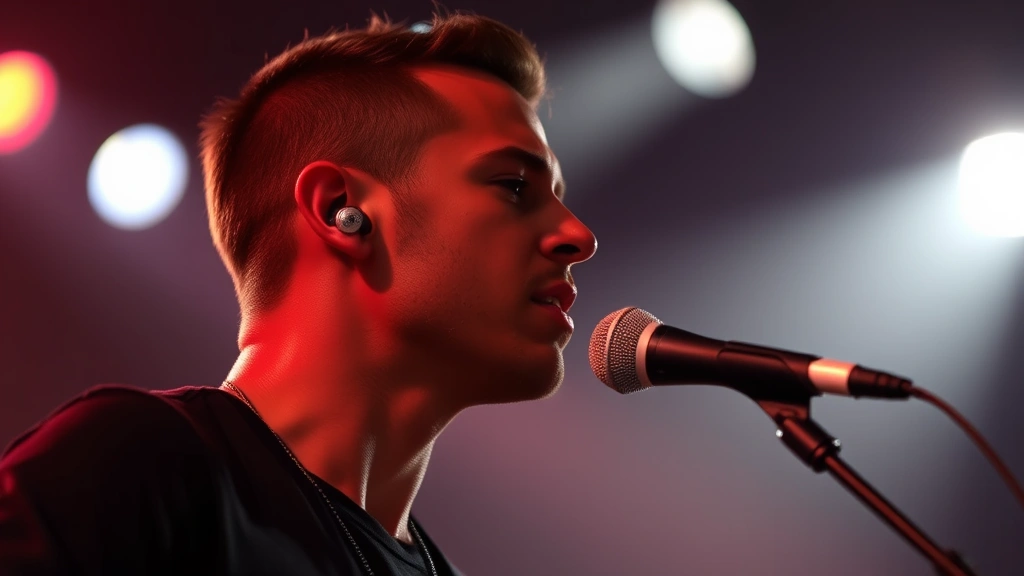
Musicians face unique hearing challenges that differ significantly from occupational noise exposure in other industries. Whether performing in loud venues, practicing with amplified instruments, or recording in studios, musicians encounter sound levels that can cause permanent hearing damage without proper protection. The irony is stark: the very passion that drives musicians to create music can threaten their ability to enjoy it throughout their careers.
Hearing loss among musicians is not inevitable. With the right ear protection strategy, musicians can safeguard their auditory health while maintaining the sound quality and musical experience they cherish. This comprehensive guide explores evidence-based recommendations from audiologists, hearing conservation specialists, and professional musicians who have successfully protected their hearing while performing at the highest levels.
Understanding Sound Levels and Hearing Damage
Sound intensity is measured in decibels (dB), a logarithmic scale where every 10 dB increase represents a tenfold increase in sound energy. The human ear can perceive sound from 0 dB (threshold of hearing) to approximately 140 dB (threshold of pain). According to NIOSH guidelines on occupational noise exposure, sustained exposure to sound levels above 85 dB can cause permanent hearing damage over time.
Musicians regularly encounter dangerous sound levels: rock concerts reach 110-120 dB, orchestral performances average 90-100 dB, and even acoustic guitar practice can reach 85-90 dB depending on playing style and room acoustics. The critical factor is not just the loudness but the duration and frequency of exposure. A musician practicing four hours daily at 95 dB faces cumulative hearing damage risk equivalent to occupational exposure in many industrial settings.
The mechanism of noise-induced hearing loss (NIHL) involves damage to hair cells in the cochlea—delicate structures that convert sound vibrations into neural signals. Once these cells are damaged, they do not regenerate. Early warning signs include tinnitus (ringing in the ears), difficulty hearing conversations in noisy environments, and muffled hearing after performances. These symptoms often appear before significant permanent damage, making them valuable indicators for implementing protective measures.
Types of Ear Protection for Musicians
Foam Earplugs
Standard foam earplugs provide noise reduction but create several problems for musicians. They attenuate all frequencies roughly equally, which distorts the tonal balance of music. The occlusion effect—where the wearer’s own voice and body sounds become amplified—makes these unsuitable for performers who need to hear themselves. Additionally, foam earplugs require proper insertion technique; studies show most users achieve only 50-75% of the rated noise reduction because they do not insert them deeply enough.
Musician-Specific Earplugs
Purpose-designed musician earplugs use acoustic filters that reduce loud sounds while preserving sound clarity and tonal quality. These typically employ a dual-chamber design: the outer chamber attenuates loud impulses while an inner acoustic channel allows normal conversation and music to pass through at safe levels. The noise reduction coefficient (NRC) ranges from 15-25 dB, sufficient for many performance environments. Brands like Etymotic Research have pioneered this technology, offering models such as the ER-20XS that provide frequency-specific attenuation.
Custom Molded Earplugs
Made from impressions of individual ear canals, custom earplugs offer superior comfort for extended wear and better acoustic sealing than universal-fit options. They can incorporate various filter types ranging from minimal attenuation (5-10 dB) for rehearsals to moderate protection (15-25 dB) for performances. The cost—typically $150-300 per pair—reflects their durability and customization, but musicians who perform regularly find the investment worthwhile for comfort and consistency.
In-Ear Monitors (IEMs)
Professional in-ear monitor systems serve dual purposes: they deliver a personal mix to the performer while providing hearing protection through controlled volume levels. High-quality IEM systems allow musicians to hear themselves, backing tracks, and other band members at safe levels while the ambient stage volume remains high. This represents an optimal solution for touring musicians and ensemble performers, though the equipment cost ($2,000-10,000+) limits accessibility for emerging artists.
Custom In-Ear Monitors and Protection
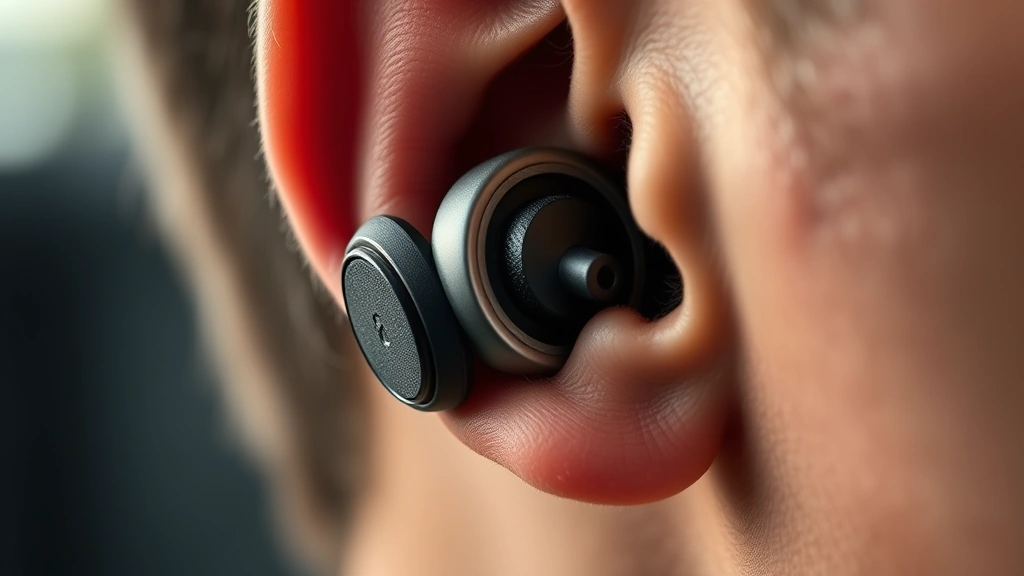
Modern IEM systems combine hearing protection with performance enhancement. The key advantage is volume control: musicians adjust their personal mix to comfortable levels rather than relying on loud stage volume to hear themselves. This transforms ear protection from a limiting compromise into an enabling technology that actually improves performance.
When selecting an IEM system for hearing protection, consider these specifications: frequency response (should accurately represent 20 Hz-20 kHz for full musical range), impedance matching with your mixer, wireless range if using digital systems, and battery life for extended performances. Professional systems from manufacturers like Shure and Sennheiser offer sophisticated options, while budget-conscious musicians can find adequate protection with entry-level wireless systems.
The hearing protection benefit comes from the ability to reduce stage volume dependency. Drummers, for instance, often request excessive stage volume to hear themselves over the drums’ natural sound. With a personal monitor mix, they can hear kick drum, bass, and click track at safe levels, reducing the need for overall volume escalation. This single change often reduces peak exposure by 5-10 dB—a significant reduction in cumulative hearing damage risk.
Best Ear Protection for Musicians by Genre
Rock and Heavy Music
Rock performances frequently exceed 110 dB, making substantial hearing protection essential. Musicians in these genres benefit most from custom musician earplugs with 20-25 dB attenuation or professional IEM systems. The challenge is maintaining the visceral bass and impact that define the genre while protecting hearing. High-quality musician earplugs preserve these characteristics better than foam alternatives because they attenuate frequencies more selectively.
Classical and Orchestral Music
Orchestral musicians face unique challenges because earplugs can interfere with hearing other sections and the conductor. Many orchestral musicians use minimal-attenuation earplugs (10-15 dB) or rely on strategic positioning and awareness rather than continuous protection. However, this approach leaves them vulnerable during rehearsals with amplified instruments or when positioned near particularly loud sections. Some orchestras now provide IEM systems for principal musicians to improve both hearing protection and ensemble coordination.
Jazz and Acoustic Music
Jazz ensembles often maintain lower overall volume levels but feature sudden dynamic peaks. Minimal-attenuation musician earplugs (10-15 dB) work well for jazz because they preserve the subtlety and dynamics essential to the genre while providing protection during peak moments. Acoustic musicians particularly benefit from custom earplugs because they can hear acoustic instruments accurately while remaining protected.
Electronic and DJ Performance
Electronic music and DJ performances involve sustained high volumes (100-110 dB) with minimal dynamic variation, creating cumulative exposure risks. Professional-grade IEM systems or moderate-attenuation musician earplugs (20-25 dB) are recommended. DJs benefit particularly from IEM systems because they can maintain performance control while reducing ambient stage volume.
Proper Fitting and Usage Guidelines
Effective ear protection depends critically on proper fitting. For foam earplugs, the FDA recommends a specific insertion technique: roll the plug into a thin cylinder, pull the ear back and up, insert fully into the canal, and hold for 10-20 seconds while the foam expands. Most users fail at this step, achieving inadequate protection.
Custom earplugs require professional fitting by an audiologist who takes ear canal impressions and verifies proper insertion during follow-up appointments. This investment ensures optimal acoustic performance and comfort. Many audiologists specializing in musician hearing health can fit earplugs while preserving musical frequencies—this specialized expertise is worth seeking out.
Universal-fit musician earplugs come in multiple sizes; selecting the correct size is crucial. Too small, and they fall out or fail to seal; too large, and they cause discomfort and acoustic distortion. Reputable manufacturers provide fitting guides and often accept returns if the initial size proves incorrect.
For all ear protection types, consistent usage matters more than protection level. A musician who wears 20 dB earplugs 100% of the time receives far better protection than one who wears 25 dB earplugs inconsistently. Comfort, sound quality, and ease of use directly determine whether musicians will actually use their protection.

Maintenance and Care
Proper maintenance extends the life of ear protection and ensures consistent performance. Reusable earplugs should be cleaned daily with mild soap and warm water, dried thoroughly, and stored in a clean case. Moisture and debris accumulation degrades the acoustic properties and creates hygiene issues.
Foam earplugs typically last 1-2 weeks before losing effectiveness as the foam compresses and loses its spring-back property. This relatively short lifespan makes them expensive over time compared to reusable options. Custom earplugs last 3-5 years with proper care; they can be professionally cleaned and the filters replaced when they become occluded with earwax and debris.
IEM earpieces require particular attention to moisture management because they sit deep in the ear canal where humidity accumulates. Many professionals rotate between multiple earpieces, allowing each to dry thoroughly between uses. Protective cases with desiccant packs help manage moisture.
Regular audiological monitoring is recommended for all musicians, particularly those performing more than 20 hours weekly. Annual hearing tests establish a baseline and track any changes, allowing early intervention if hearing loss develops. Many professional orchestras and touring bands now provide annual hearing tests as part of musician health benefits.
FAQ
Can I use regular foam earplugs for music performance?
While foam earplugs provide hearing protection, they distort music frequency response and create the occlusion effect that makes your own voice sound unnaturally loud. Musicians specifically should use musician-grade earplugs or IEM systems that preserve sound quality while protecting hearing. Regular foam earplugs are appropriate for rehearsals or practice where sound quality matters less.
How much hearing protection do I actually need?
This depends on your performance environment and duration. As a general rule: rehearsals in small venues (85-90 dB) need minimal protection (10-15 dB attenuation); regular performances in medium venues (95-105 dB) need moderate protection (15-20 dB); loud rock concerts or extended high-volume exposure need substantial protection (20-25 dB). Consult an audiologist specializing in musician hearing conservation for personalized recommendations.
Will earplugs affect my ability to perform?
Quality musician earplugs have minimal impact on performance when properly fitted. They preserve the frequency range of music while reducing volume. The initial adjustment period typically lasts 1-2 weeks; most musicians report that they quickly stop noticing the earplugs while gaining confidence in hearing protection. Poor-quality earplugs that distort sound will negatively affect performance; this is why investing in proper musician earplugs matters.
Are custom earplugs worth the cost?
For musicians performing more than 10 hours weekly, custom earplugs represent excellent value. They last 3-5 years, provide superior comfort for extended wear, and offer consistent acoustic performance. The per-use cost ($0.05-0.15 per performance hour) is comparable to foam earplugs while providing better protection and sound quality. For occasional musicians, universal-fit musician earplugs offer good value.
Can hearing loss from music be reversed?
Unfortunately, noise-induced hearing loss is permanent because it involves damage to hair cells in the cochlea that do not regenerate. This makes prevention through ear protection far more valuable than any treatment. However, emerging research into hair cell regeneration therapy offers hope for future treatments, making current hearing protection even more important to preserve maximum hearing until such treatments become available.
Should I use protection during practice?
Yes, if your practice volume regularly exceeds 85 dB. Many musicians practice at volumes comparable to performance levels, creating cumulative exposure risk. Using minimal-attenuation earplugs (10-15 dB) during practice protects hearing while allowing you to hear yourself clearly. This particularly matters for drummers and electric guitarists whose instruments naturally reach damaging levels.
How do I know if my earplugs are inserted correctly?
Properly inserted earplugs should feel snug but comfortable, with no sensation of pressure or pain. Sound should be noticeably reduced but remain clear and undistorted. If you hear your own voice as excessively loud (occlusion effect), the seal is likely inadequate. If sound is muffled or distorted, you may have inserted them too deeply or selected the wrong size. Professional fitting eliminates this guesswork.