Best Guard Dogs? Expert Recommendations Inside!
Choosing the right guard dog requires understanding breed characteristics, temperament, training requirements, and your specific security needs. A properly trained protection dog serves as both a deterrent and an active defense mechanism, combining natural instincts with behavioral conditioning. Unlike pets selected purely for companionship, guard dogs must possess alertness, loyalty, courage, and the ability to discern genuine threats from normal household activity.
The relationship between canine protection and home security extends beyond simple barking at strangers. Professional security experts recognize that guard dogs integrate into comprehensive protection strategies, complementing physical barriers, surveillance systems, and awareness protocols. This guide examines the top dog breeds recommended by security professionals, training methodologies, and factors influencing your selection process.
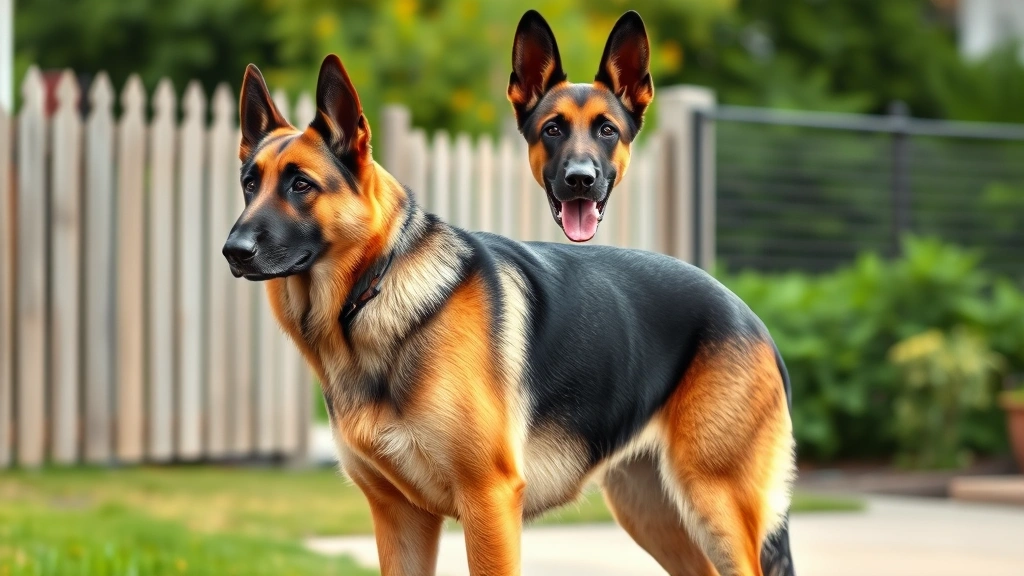
German Shepherd Dogs
German Shepherds consistently rank as the premier choice for professional protection work, law enforcement, and military applications. Their intelligence, athleticism, and trainability make them exceptionally suited for complex security tasks. These dogs possess natural protective instincts without requiring excessive aggression conditioning, responding to threats with measured responses when properly trained.
The breed’s versatility extends across multiple security scenarios. German Shepherds excel at perimeter patrol, alert barking, and physical intervention when necessary. Their size—typically 50-90 pounds—provides imposing presence that deters potential intruders. Unlike some protection breeds, German Shepherds maintain strong bonds with family members while remaining vigilant toward strangers, balancing protection with household integration.
Training a German Shepherd for protection demands consistency and professional guidance. These dogs thrive under structured routines, responding excellently to positive reinforcement combined with clear boundary establishment. Their working drive means they require substantial daily exercise and mental stimulation; inadequate activity levels can result in destructive behaviors or anxiety-based aggression. Professional handlers recommend 1-2 hours of daily engagement, including training sessions, physical exercise, and environmental exposure.
Health considerations include hip dysplasia and degenerative myelopathy, conditions affecting working longevity. Prospective owners should source puppies from health-tested lineages and maintain regular veterinary oversight. The breed’s lifespan averages 9-13 years, making them a long-term security investment.
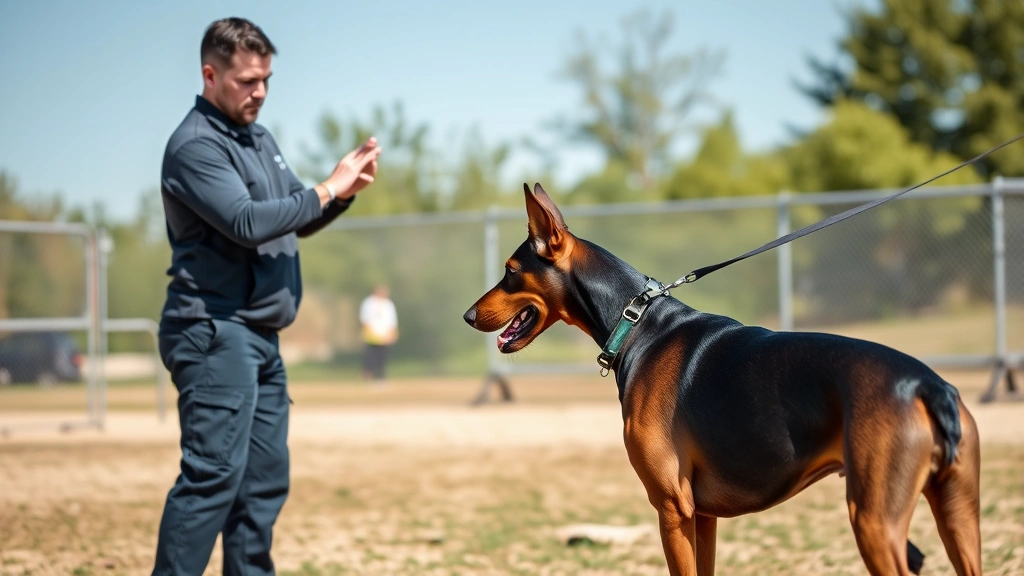
Doberman Pinschers
Dobermans represent the ultimate compact protection package, combining athleticism, intelligence, and natural aggression in a medium-sized frame. Their sleek appearance belies formidable capabilities; these dogs were specifically developed for personal protection, retaining those instincts across generations. Dobermans bond intensely with their owners while maintaining appropriate suspicion toward unfamiliar individuals.
The breed’s alert nature provides constant environmental monitoring. Dobermans detect subtle changes in household dynamics, responding to unusual sounds or movements before humans recognize potential threats. Their responsive nature makes them excellent for apartment living or properties where excessive barking proves problematic—they alert selectively rather than indiscriminately.
Dobermans require experienced handlers who establish clear dominance and leadership. These intelligent dogs test boundaries consistently, requiring firm but fair correction. Socialization during puppyhood significantly impacts adult behavior; well-socialized Dobermans distinguish between normal activity and genuine threats, preventing false alarms. Training should emphasize impulse control and selective aggression, ensuring the dog responds appropriately to different scenarios.
Physical demands remain substantial, with Dobermans requiring 1-2 hours daily exercise. Their lean musculature requires proper nutrition and conditioning; inadequate exercise results in anxiety-driven behaviors. The breed’s lifespan averages 10-13 years, though genetic health screening for dilated cardiomyopathy is essential before acquisition.
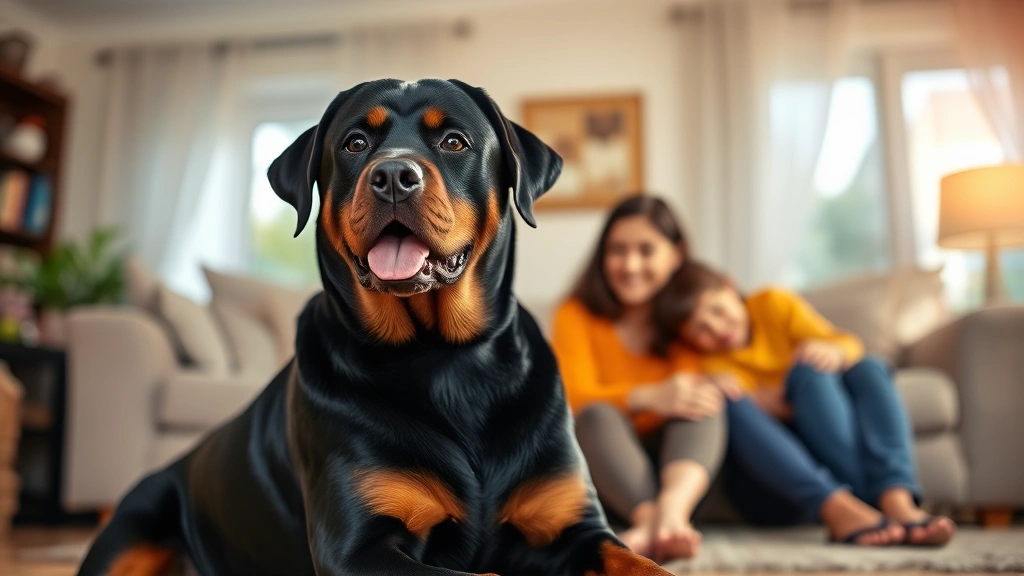
Rottweilers
Rottweilers possess undeserved reputations as inherently aggressive; proper breeding and training produces loyal, stable protectors rather than dangerous animals. These powerful dogs—often weighing 80-135 pounds—command respect through presence alone. Their historical role as livestock guardians and cart pullers demonstrates working capability and protective drive.
The breed’s calm demeanor makes them excellent family dogs when properly trained. Rottweilers form strong bonds with household members, including children, while remaining appropriately cautious with strangers. Their natural guardian instincts require minimal aggression conditioning; instead, training focuses on impulse control and selective response protocols.
Rottweiler training emphasizes socialization and exposure to diverse environments during puppyhood. These dogs benefit from understanding that not all strangers represent threats, preventing inappropriate aggression toward service providers or guests. Professional handlers recommend advanced obedience training establishing clear command hierarchies; Rottweilers respect consistent leadership and respond poorly to inconsistent correction.
Health considerations include hip dysplasia, elbow dysplasia, and bloat—a life-threatening condition requiring immediate veterinary attention. Responsible breeding practices and regular health screening significantly reduce genetic disease risk. The breed’s lifespan averages 8-11 years, making preventive healthcare critical.
Boxer Dogs
Boxers combine protective instincts with playful temperament, making them suitable for families requiring protection alongside companionship. These muscular dogs—typically 60-70 pounds—possess natural aggression that requires channeling rather than development. Their intelligence allows sophisticated training, while their loyalty ensures reliable protection within household contexts.
The breed’s alert nature provides effective early warning systems. Boxers detect approaching individuals and unusual activity, responding with appropriate alarm barking before physical intervention becomes necessary. Their medium size makes them manageable for most handlers while providing sufficient physicality for genuine protection.
Training Boxers for protection requires patience and positive reinforcement. These dogs respond poorly to harsh correction, requiring handlers who combine firmness with encouragement. Socialization during puppyhood establishes appropriate boundaries between friendly interaction and protective response, preventing unnecessary aggression toward legitimate visitors.
Boxers require substantial daily exercise, with 1-2 hours of activity preventing destructive behaviors. Their brachycephalic structure makes them sensitive to heat and humidity; exercise timing and intensity require adjustment for climate conditions. The breed’s lifespan averages 8-10 years, with genetic screening for heart conditions and cancer recommended.
Bullmastiffs
Bullmastiffs represent the heavyweight division of guard dogs, combining massive size—100-130 pounds—with surprising agility. Originally developed by crossing Bulldogs with Mastiffs, they retain powerful protective instincts alongside gentle family temperament. These dogs provide intimidating presence that deters intruders without requiring aggressive conditioning.
The breed’s calm demeanor makes them excellent for families with children. Bullmastiffs tolerate household chaos while remaining alert to external threats, distinguishing between family activity and genuine security concerns. Their natural guardian instincts activate when required, responding decisively to perceived dangers.
Training Bullmastiffs emphasizes early socialization and consistent leadership. These intelligent dogs understand complex commands but require handlers who establish clear authority. Their size demands exceptional control; an untrained Bullmastiff can cause injury through enthusiasm rather than aggression. Professional training ensures reliable response to commands in high-stress situations.
Health considerations include hip dysplasia, bloat, and cancer—conditions affecting large-breed dogs. Responsible breeders conduct health screening before breeding, reducing genetic disease transmission. The breed’s shorter lifespan—7-9 years—makes preventive healthcare particularly important for maximizing quality years.
Training Requirements
Effective guard dog training extends far beyond basic obedience. Professional protection training typically requires 4-12 weeks of intensive work with certified handlers. CISA resources on security planning apply to canine protection integration, emphasizing systematic threat assessment and response protocols.
The training process begins with establishing handler dominance and respect. Dogs must understand that their handler provides direction and leadership; protection instincts without reliable control create liability rather than security. Training incorporates exposure to various scenarios—strangers approaching, unfamiliar vehicles, unusual sounds—allowing dogs to develop appropriate response patterns.
Advanced protection training introduces controlled aggression exercises. Dogs learn to distinguish between genuine threats and normal household activity, preventing false alarms that reduce protection effectiveness. Training emphasizes selective response; a properly trained guard dog responds to specific threats while maintaining household integration.
Ongoing training maintains protection capabilities throughout the dog’s working life. Monthly refresher sessions with professional handlers ensure response protocols remain sharp and reliable. Dogs benefit from environmental changes and exposure to new scenarios, preventing habituation that reduces alert sensitivity.
Handler training receives equal emphasis to canine training. Owners must understand their dog’s behavioral signals, recognizing early warnings before escalation. Proper handling techniques maximize protection effectiveness while minimizing liability risk. Professional trainers provide guidance on legal response protocols, ensuring owners understand their rights and responsibilities regarding dog-involved incidents.
When selecting professional training providers, verify certifications and experience. Reputable trainers maintain liability insurance, provide documented training records, and offer follow-up support. Avoid trainers emphasizing pure aggression development; balanced protection training produces reliable, controlled responses rather than unpredictable dangerous animals.
Legal Considerations
Guard dog ownership carries legal implications varying significantly by jurisdiction. Liability laws hold owners responsible for injuries caused by their dogs, regardless of protective intent. Insurance considerations become critical; standard homeowner policies often exclude coverage for dogs with protection training or certain breeds.
Local regulations may restrict certain breeds or require specific permits for protection dogs. Some jurisdictions mandate liability insurance exceeding standard homeowner coverage. Researching local ordinances before acquiring a guard dog prevents legal complications and ensures compliance with municipal requirements.
Documentation of professional training provides legal protection in incident scenarios. Training records demonstrate responsible ownership and controlled dog management, potentially reducing liability exposure. Veterinary records showing health maintenance and behavioral assessments further establish responsible stewardship.
Signage indicating guard dog presence serves legal functions beyond deterrence. Properly placed warning signs document awareness of the dog’s protective nature, demonstrating reasonable precautions. This documentation becomes important if incidents occur, establishing that owners took appropriate safety measures.
Homeowner education regarding appropriate dog use prevents legal complications. Guard dogs should not be used for aggressive offense; protection dogs respond defensively to genuine threats, not proactively seek confrontation. Understanding appropriate response parameters ensures owners maintain legal protection while maximizing security benefits.
Consulting with local attorneys familiar with animal liability laws provides essential guidance before acquiring a guard dog. Legal professionals can review insurance policies, identify compliance requirements, and establish protocols ensuring responsible ownership. This investment prevents costly legal complications and protects both owners and their communities.
Integration with comprehensive security strategies—including NIST cybersecurity guidelines adapted to physical security contexts—creates layered protection approaches. Guard dogs complement rather than replace other security measures, including surveillance systems, access control, and awareness protocols. Professional security consultants recommend treating canine protection as one component within comprehensive threat mitigation frameworks.
FAQ
What age should guard dogs begin training?
Professional trainers recommend beginning foundational work at 8-12 weeks, with protection-specific training commencing around 12-18 months. Early socialization establishes appropriate boundaries, while physical maturity allows advanced training without joint stress. Consult professional handlers regarding your specific dog’s readiness.
Can guard dogs coexist with families and children?
Absolutely. Properly trained guard dogs distinguish between family members and external threats. Breeds like German Shepherds, Rottweilers, and Boxers excel as family protectors. Early socialization ensures dogs understand children represent family rather than threats, creating safe, protective household environments.
How much exercise do guard dogs require daily?
Most protection breeds require 1-2 hours daily exercise combining physical activity and mental stimulation. Guard dogs thrive under structured routines incorporating training sessions, environmental exploration, and play. Inadequate exercise increases anxiety and destructive behaviors, undermining protection effectiveness.
Are guard dogs expensive to maintain?
Yes. Guard dogs require premium nutrition, regular veterinary care, professional training, and liability insurance. Annual costs typically range $2,000-$5,000 depending on breed, training intensity, and veterinary needs. Professional protection training adds $4,000-$15,000 for comprehensive programs.
What distinguishes guard dogs from attack dogs?
Guard dogs respond defensively to genuine threats within their territory or family context. Attack dogs receive aggressive conditioning for offensive purposes. Professional trainers develop guard dogs emphasizing controlled response and selective aggression; attack dog development involves inappropriate aggression conditioning unsuitable for family environments.
Can guard dogs adapt to apartment living?
Certain breeds adapt well to smaller spaces. Dobermans and Boxers excel in apartments, providing protection through alert barking rather than physical patrol. German Shepherds and Rottweilers require more space but adapt when given adequate exercise. Environmental factors matter less than daily activity and mental stimulation.
How do I choose between guard dog breeds?
Consider your space, experience level, family composition, and specific protection needs. German Shepherds suit handlers wanting versatility and intelligence. Dobermans appeal to those preferring compact, alert protectors. Rottweilers work well for families balancing protection with gentle temperament. Consult professional trainers regarding optimal matches for your circumstances.
What insurance considerations apply to guard dogs?
Standard homeowner policies often exclude protection dogs or specific breeds. Contact insurers before acquiring a guard dog, discussing coverage options and potential premium increases. Many insurers require professional training documentation and liability coverage exceeding standard limits. Budget $500-$2,000 annually for appropriate coverage.