Guard Dogs for Families: Expert Recommendations for Security and Companionship
Choosing the best dog for security and family protection requires balancing intimidating presence with gentle temperament around children and loved ones. A guard dog serves dual purposes: deterring potential intruders while remaining a trustworthy, affectionate family member. The ideal security dog combines alertness, loyalty, trainability, and physical capability without excessive aggression that could pose liability risks or endanger family members.
This comprehensive guide explores the top dog breeds recommended by security experts and veterinarians for families seeking both protection and companionship. We’ll examine what makes certain breeds superior guardians, how training influences their effectiveness, and critical factors to consider before bringing a guard dog into your household. Whether you’re concerned about home security or want a dog that naturally protects your family, understanding these recommendations will help you make an informed decision.
What Makes an Effective Family Guard Dog
An effective family guard dog possesses several key characteristics that distinguish it from ordinary pets. Protective instinct forms the foundation—certain breeds have been selectively bred for generations to recognize threats and respond appropriately. However, protective instinct alone isn’t sufficient; the dog must also demonstrate discriminatory judgment, understanding when genuine threats exist versus normal family activities.
Size and physical presence matter considerably in security contexts. Larger dogs naturally deter potential intruders through intimidation alone. A 90-pound Rottweiler standing at the door communicates danger more effectively than a 15-pound Terrier, regardless of the smaller dog’s courage. Barking patterns also contribute significantly—guard dogs should alert family members to unusual activity without excessive noise that creates neighborhood problems.
Intelligence and trainability determine whether a dog can follow commands during high-stress situations. The American Kennel Club recognizes that working dog breeds consistently rank highest in obedience studies. A well-trained guard dog responds instantly to owner commands, preventing unnecessary confrontations while remaining ready to protect if genuine danger emerges.
Temperament with family members separates guard dogs from aggressive animals unsuitable for households. Expert recommendations emphasize breeds that bond intensely with their families while remaining calm around children. Liability concerns mean that dogs with unpredictable aggression toward family members represent unacceptable risks, regardless of their security capabilities.
German Shepherd: The Premier Protection Breed
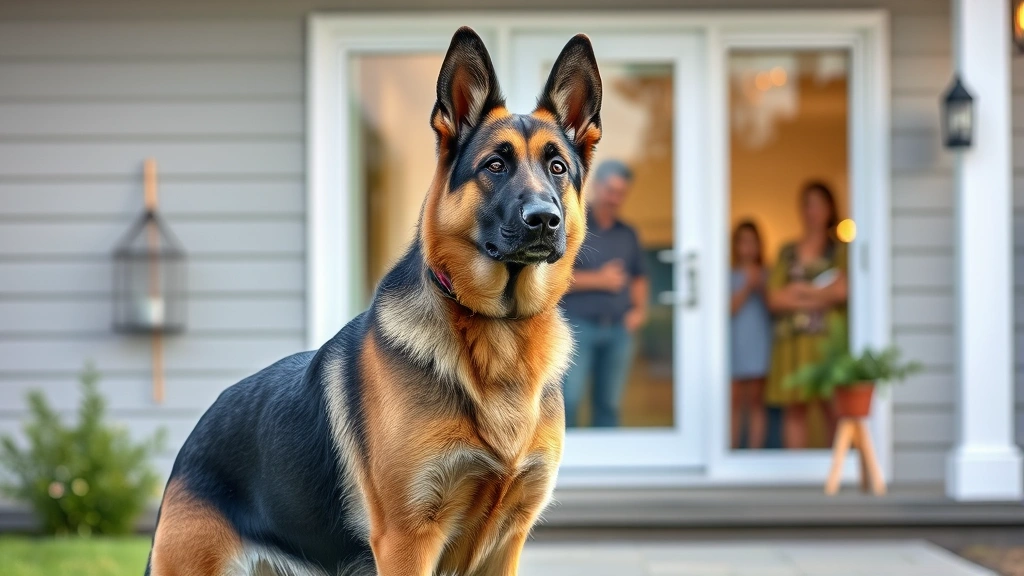
German Shepherds consistently rank as the top choice for family security across professional security consultants and law enforcement agencies. Their dominance in police and military work worldwide reflects genuine capability rather than marketing hype. These dogs combine intelligence, athleticism, loyalty, and natural protective instincts in a package that adapts to family environments.
The breed’s intelligence stands unmatched among guard dog options. German Shepherds learn complex commands quickly and retain training throughout their lives. They naturally assess situations, distinguishing between friendly visitors and genuine threats without requiring constant direction. This independent judgment proves invaluable in genuine security scenarios where owners cannot immediately intervene.
German Shepherds bond intensely with their families, often selecting one primary person as their focus while remaining friendly toward other household members. They demonstrate exceptional patience with children, tolerating rough play and accidental harm without retaliatory aggression. Their size—typically 55-90 pounds—provides physical presence without reaching extreme proportions that complicate housing or handling.
Training a German Shepherd for family security requires consistency and expertise. These dogs respond best to positive reinforcement methods and structured training programs. Professional trainers specializing in protection work can develop appropriate responses without creating unpredictable aggression. The breed’s eagerness to please their owners makes them responsive to training compared to more independent breeds.
Health considerations include hip dysplasia and degenerative myelopathy, conditions common in the breed. Prospective owners should purchase puppies from reputable breeders conducting health screening on parent dogs. Proper nutrition, exercise, and veterinary care extend healthy lifespans to 9-13 years for quality-bred individuals.
Doberman Pinscher: Elegant and Alert
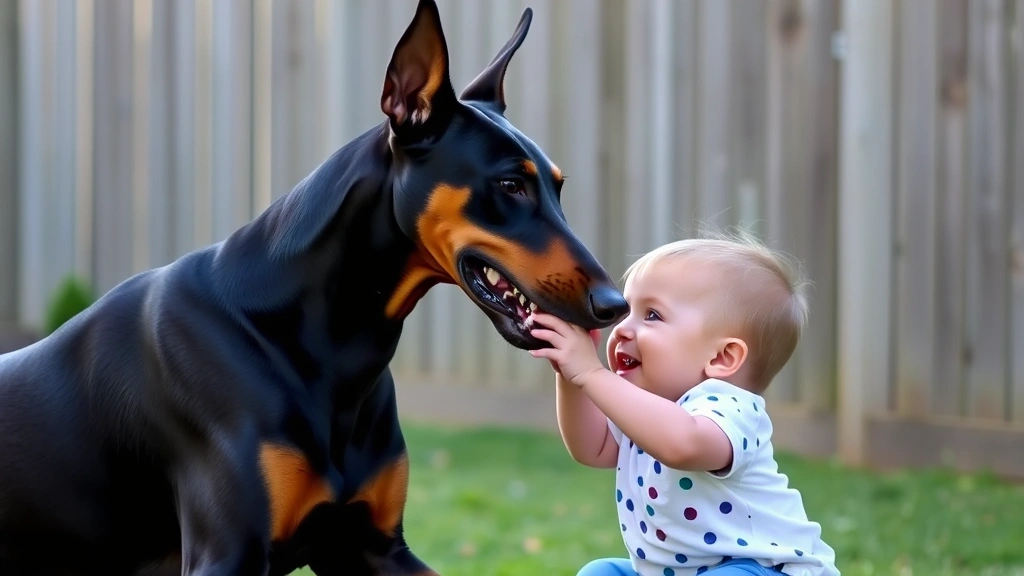
Doberman Pinschers represent an elegant alternative to German Shepherds for families seeking security in a slightly smaller package. Weighing 60-80 pounds with lean, muscular builds, Dobermans project alertness and athleticism. Their sleek appearance appeals to owners who want protection without the imposing bulk of mastiff-type breeds.
The breed originated in Germany during the 1890s, specifically developed to combine protection capability with companionship traits. Dobermans demonstrate remarkable sensitivity to their owners’ emotions, often appearing to anticipate needs before explicit commands. This empathetic nature makes them excellent family dogs despite their reputation as fierce protectors.
Dobermans require substantial exercise—minimum 90 minutes daily of vigorous activity. Families considering this breed must commit to regular running, hiking, or structured play sessions. Dogs lacking adequate exercise develop behavioral problems including destructiveness and anxiety. Active families with secure yards find Dobermans ideal; sedentary households should consider calmer breeds.
Training responsiveness in Dobermans exceeds most other breeds. They absorb commands quickly and demonstrate remarkable retention. However, they respond poorly to harsh corrections, requiring gentle but firm guidance. Professional trainers familiar with the breed’s sensitive nature produce better results than heavy-handed approaches.
Dobermans suffer from several breed-specific health concerns including dilated cardiomyopathy, a serious heart condition. Prospective owners should verify cardiac screening in parent dogs through veterinary examination. The breed’s average lifespan of 10-12 years means evaluating long-term health and care commitments before acquiring a puppy.
Rottweiler: Misunderstood Protectors
Rottweilers carry unfair reputation for unpredictable aggression, often portrayed inaccurately in media. In reality, properly socialized and trained Rottweilers demonstrate exceptional loyalty and gentleness with family members. Their substantial size—100-135 pounds—and powerful build naturally intimidate potential threats, often preventing confrontations through presence alone.
The breed’s history traces to Roman cattle herders who needed dogs combining strength, intelligence, and reliability. Modern Rottweilers retain these working characteristics, responding well to structured training and clear leadership. They form intense bonds with their families, often following owners from room to room and seeking physical contact.
Rottweilers demonstrate surprising gentleness with children despite their size and strength. They tolerate rough handling, pulled ears, and accidental bumps without aggressive responses. Their calm temperament around family members contrasts sharply with their alert watchfulness toward strangers. This discriminatory behavior—friendly with family, cautious with outsiders—makes them excellent family guardians.
Early socialization proves absolutely critical for Rottweilers. Puppies must experience diverse people, environments, and situations during crucial developmental windows. Poorly socialized Rottweilers may develop fear-based aggression or inappropriate protectiveness. Reputable breeders provide socialization foundations that owners continue throughout the dog’s life.
Health screening should include orthopedic evaluation, as Rottweilers suffer from hip dysplasia and elbow dysplasia at elevated rates. Cardiac screening and eye examinations also prove important. Quality-bred Rottweilers from health-tested parents typically live 8-11 years with proper care.
Boxer: Energetic Family Defender
Boxers offer family security wrapped in playful, energetic personality. Weighing 60-70 pounds with muscular builds, they project strength while maintaining approachable appearance compared to mastiff breeds. Their expressive faces and bouncy demeanor make them excellent family companions alongside their protective capabilities.
The breed demonstrates exceptional patience with children, often becoming favorite playmates. Boxers seem to understand their physical power and adjust their play accordingly. They rarely bite even during rough interaction, instead using their mouths to gently grab and hold without causing injury. This gentle mouth control derives from their heritage as hunting dogs requiring soft mouths for retrieving game.
Boxers require moderate exercise—60-90 minutes daily of activity. They adapt well to apartment living if provided regular outdoor time and mental stimulation. Unlike high-drive working breeds, Boxers balance activity with contentment during relaxation periods, making them more flexible family members.
Training Boxers presents moderate challenges. They demonstrate intelligence but sometimes display stubborn independence. Positive reinforcement methods work best; harsh corrections often backfire, creating resentful or anxious dogs. Consistent, patient training from puppyhood establishes good behavior patterns throughout their lives.
Boxers suffer from higher cancer rates than many breeds, particularly mast cell tumors and lymphoma. Heart conditions also appear elevated in the breed. Prospective owners should obtain health clearances from parent dogs and prepare for potential serious illness during the dog’s 8-10 year lifespan.
Giant Schnauzer: Intelligent Guardian
Giant Schnauzers represent an underrated choice for families seeking security combined with intelligence. Weighing 55-80 pounds with distinctive bearded appearance, they project alertness without the intimidating presence of larger breeds. Their quick thinking and problem-solving abilities exceed many other guard dog options.
The breed originated in Germany for herding and guarding livestock, requiring dogs capable of independent decision-making. Modern Giant Schnauzers retain this intelligence, often surprising owners with their ability to assess situations and respond appropriately without explicit training. They naturally alert to unusual activity while remaining calm during normal household routines.
Giant Schnauzers bond intensely with their families, often selecting one primary person as their special attachment. They demonstrate loyalty without excessive clinginess, comfortable occupying space near family members while engaging in independent activities. Their moderate size compared to mastiffs makes them easier to handle while maintaining impressive presence.
Grooming requirements for Giant Schnauzers significantly exceed most other breeds. Their double coats require professional grooming every 6-8 weeks, or regular home maintenance including brushing and hand-stripping. Families must budget time and money for grooming or accept professional grooming expenses throughout the dog’s life.
Training Giant Schnauzers requires consistency and respect for their intelligence. They quickly recognize inconsistent rules and test boundaries. Owners who establish clear expectations and follow through consistently find Giant Schnauzers remarkably obedient. Professional training often proves beneficial given the breed’s independent nature and strong personality.
Training Your Guard Dog
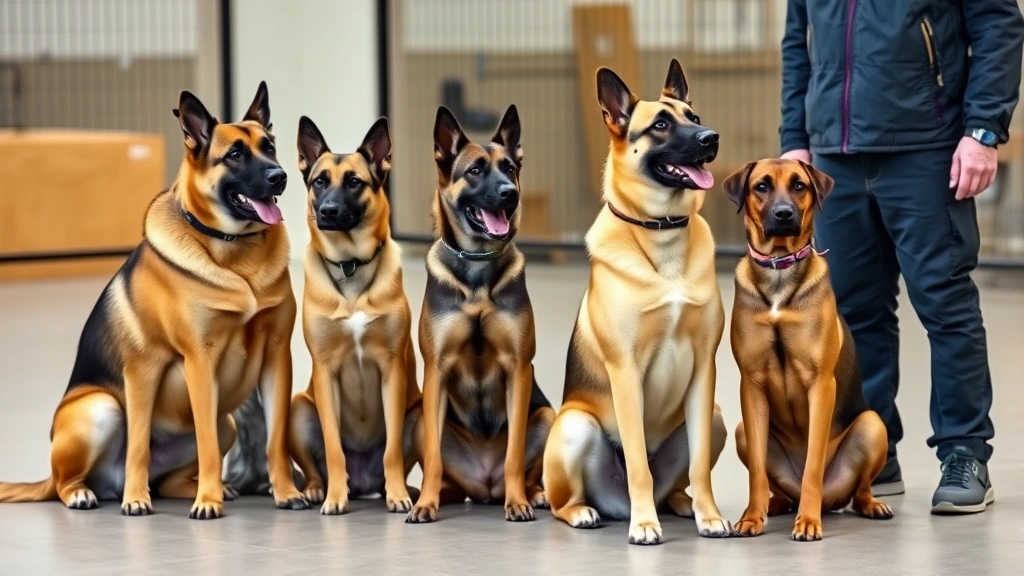
Professional training forms the foundation of effective guard dog performance. Basic obedience must precede any protection training, establishing that the dog responds instantly to owner commands in all situations. A dog unable to sit, stay, or come reliably cannot safely perform protection work.
Protection training typically involves teaching dogs to recognize threats and respond with controlled aggression only when appropriate. Expert trainers condition dogs to bite on command and release immediately upon instruction. This controlled response differs fundamentally from untrained aggression that poses liability risks and endangers innocent people.
Socialization continues throughout a guard dog’s life, ensuring they remain comfortable around family friends, children’s playmates, and service providers. Dogs trained for protection must simultaneously learn to distinguish between genuine threats and normal visitors. This balance requires ongoing exposure to diverse people and situations.
Bite inhibition training proves especially critical for guard dogs. Even well-trained protection dogs occasionally bite, and controlled bite force prevents serious injury. Professional trainers teach dogs to bite forearms rather than faces, and to release immediately upon command. This training protects family members from accidental injury during play or excitement.
Consistency from all family members determines training success. If one person allows behaviors another person prohibits, the dog becomes confused and unreliable. Family meetings establishing unified expectations and consequences ensure everyone reinforces the same training principles. The American Kennel Club provides resources for finding qualified trainers in your area.
Integration with Family Life
Successfully integrating a guard dog into family life requires thoughtful planning beyond training. Housing considerations include secure fencing—guard dogs should never roam unsupervised in unfenced areas where they might chase animals or interact with neighbors. Six-foot fencing typically suffices, though some athletic breeds require higher barriers.
Medical care for guard dogs demands commitment to regular veterinary visits, vaccinations, and preventive treatment. Guard dogs may suffer injuries during protective incidents requiring emergency veterinary care. Pet health insurance becomes increasingly valuable given the unpredictability of serious illness in working dogs.
Liability insurance proves essential for guard dog owners. Standard homeowner’s insurance often excludes coverage for injuries caused by guard dogs, requiring specific liability policies. Legal liability for injuries caused by your dog—whether attacking a burglar or accidentally biting a guest—can reach hundreds of thousands of dollars. Responsible ownership includes adequate insurance protection.
Family members must understand appropriate guard dog behavior and management. Children should learn that guard dogs require respect and shouldn’t be disturbed during rest or eating. Owners must supervise children with guard dogs regardless of the dog’s gentle nature, as accidents happen during unsupervised interaction.
Exercise and mental stimulation prevent behavioral problems that undermine security effectiveness. A bored guard dog may develop destructive behaviors, aggression problems, or escape tendencies. Regular activity, training sessions, and puzzle toys maintain mental engagement and physical fitness necessary for protection work.
Establishing clear rules about stranger interaction prevents confusion. Decide whether your guard dog should greet visitors at the door or remain separated during visits. Consistent management prevents the dog from developing unpredictable responses that create safety concerns.
FAQ
What size dog makes the best family guard dog?
Medium to large dogs (60-100 pounds) typically provide optimal balance between protective presence and manageability. Dogs smaller than 50 pounds lack intimidating physical presence, while dogs exceeding 120 pounds become challenging to handle and may suffer joint problems. Breed temperament matters more than absolute size—a well-trained 70-pound Doberman provides better security than an untrained 140-pound mastiff.
Are guard dogs safe around babies and toddlers?
Properly trained and socialized guard dogs demonstrate exceptional gentleness with young children. Their size and strength actually provide protection—accidental falls against a large dog cause less injury than falls against furniture. However, supervision remains essential, and dogs must learn appropriate behavior around children before babies arrive. Never leave any dog unsupervised with infants or toddlers regardless of breed or training.
How much does professional guard dog training cost?
Professional protection training typically costs $5,000-$30,000 depending on trainer expertise, training duration, and specific skills taught. Basic obedience and security training costs $1,000-$5,000. Board-and-train programs where dogs remain with trainers for weeks cost more than owner-attended classes. Ongoing training reinforcement ensures maintained skills throughout the dog’s life.
Can you train a rescue dog for guard work?
Adult rescue dogs can learn guard behaviors, though puppies generally respond better to comprehensive training. Rescue dogs with unknown histories may carry behavioral issues complicating protection training. Success depends on the individual dog’s temperament, prior experiences, and the trainer’s expertise. Professional evaluation determines whether a specific rescue dog suits protection work.
What’s the difference between guard dogs and aggressive dogs?
Guard dogs demonstrate controlled, discriminatory protection—they recognize threats and respond appropriately while remaining calm around family members and appropriate visitors. Aggressive dogs attack unpredictably, often without provocation, posing danger to everyone including their owners. True guard dogs never bite family members and respond instantly to owner commands to stop. Aggression represents dangerous behavior; protection represents trained, controlled response to genuine threats.
Do guard dogs need special insurance?
Yes, guard dogs typically require specific liability coverage beyond standard homeowner’s insurance. Many standard policies exclude protection-trained dogs or dogs with bite histories. Contact insurance providers about coverage options before acquiring a guard dog. The cost of specific coverage—typically $300-$800 annually—proves reasonable compared to potential liability exposure.
How long do guard dogs live?
Most guard dog breeds live 8-12 years with proper care. German Shepherds average 9-13 years, Dobermans 10-12 years, Rottweilers 8-11 years. Health screening, proper nutrition, regular exercise, and preventive veterinary care extend lifespans. Budget for 10+ years of care before acquiring a guard dog.