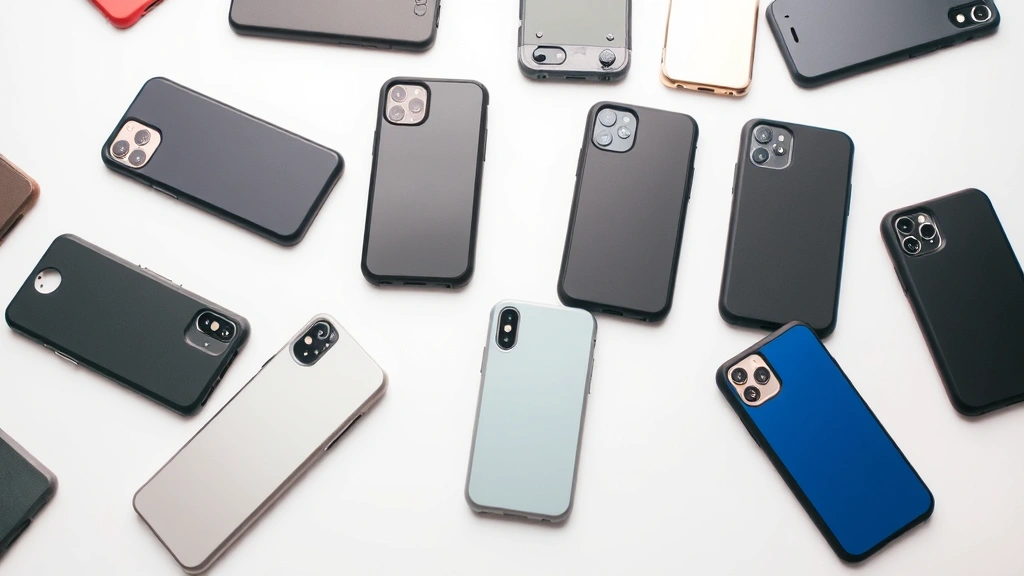
Top iPhone Cases for Protection: Expert Reviews
Your iPhone represents a significant investment in both technology and connectivity. Whether you rely on it for business communications, personal memories, or daily navigation, protecting this device from physical damage should be a top priority. The right protective case can mean the difference between a minor drop and a catastrophic screen replacement that costs hundreds of dollars.
In today’s digital landscape, where cybersecurity threats extend beyond software vulnerabilities to physical device compromise, understanding how to properly protect your iPhone goes beyond just selecting an attractive case. This comprehensive guide examines the best iPhone cases available, focusing on protective capabilities, durability, and real-world performance that security-conscious users demand.
Understanding iPhone Protection Standards
Before evaluating specific case options, it’s essential to understand the protection standards manufacturers use to rate their products. The most common standard is military-grade drop protection, typically measured against MIL-STD-810H specifications, which test devices against multiple drops from various heights onto different surfaces.
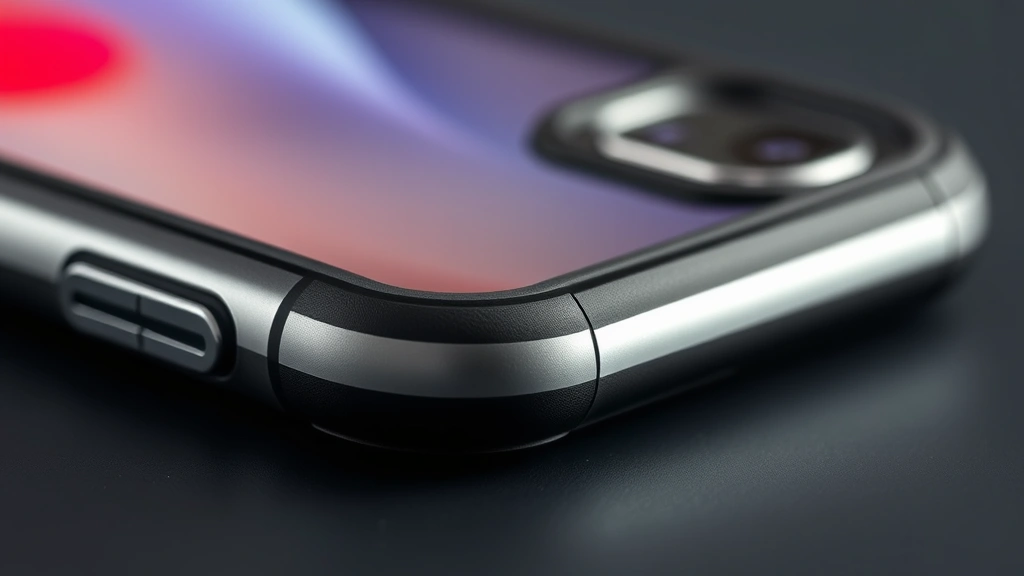
iPhone cases are engineered to absorb impact energy through multiple mechanisms. The outer shell disperses lateral forces, while internal shock-absorbing materials like thermoplastic polyurethane (TPU) and foam padding compress during impact, extending the deceleration time and reducing peak force transmission to your device. The best cases employ multi-layer construction that addresses both drop protection and everyday wear resistance.
When evaluating protective cases, consider these key metrics: drop height tested (typically 4-10 feet), impact surfaces used in testing (concrete, asphalt, tile), corner protection design, and screen bezel elevation. A raised bezel that extends slightly above the screen edge can prevent direct contact when your phone lands face-down—a critical feature for screen protection.
The relationship between protection level and device accessibility also matters significantly. Cases that provide exceptional drop protection sometimes compromise access to buttons, ports, and features. The best protective cases maintain responsive button action while still providing adequate coverage.
Top Rugged Case Options for Maximum Protection
For users prioritizing maximum protection above all other considerations, rugged cases represent the gold standard. These heavy-duty options employ industrial-grade materials and construction techniques developed for extreme environments.
OtterBox Defender Series stands as the benchmark for comprehensive protection. This multi-layer case combines a rigid outer shell with impact-absorbing inner material, creating a fortress around your device. The Defender has been tested against drops up to 4 meters and provides full-coverage screen protection through a sealed design. While bulkier than alternatives, professionals in demanding fields consistently choose this option for its proven reliability.
Spigen Tough Armor offers military-grade protection at a fraction of the cost. This case utilizes shock-absorbing technology and reinforced corner protection to handle impacts effectively. The raised edges provide adequate screen protection, and the textured surface improves grip—a critical safety feature that prevents accidental drops.
Lifeproof Fré Series combines drop protection with waterproofing and dust resistance, making it ideal for outdoor professionals and adventure enthusiasts. The sealed design protects against submersion up to 2 meters, adding value for users in water-adjacent environments. However, the waterproofing can affect touchscreen responsiveness, which some users find frustrating.
The ScreenVibe Daily Blog emphasizes that protection standards should align with your actual usage patterns. Someone working in construction requires different protection levels than an office worker, even though both benefit from quality cases.
Slim Cases: Balancing Protection and Portability
Not everyone needs maximum protection. Many users prefer slim cases that maintain their iPhone’s sleek design while providing meaningful drop protection. These cases employ advanced materials engineering to achieve protection without bulk.
Spigen Ultra Hybrid represents the sweet spot for many users. This transparent case uses TPU bumpers and a polycarbonate back to absorb impacts while maintaining a profile barely thicker than the phone itself. The clear design showcases your iPhone’s color while protecting it effectively against drops from pocket height and moderate impacts.
Apple Leather Case offers genuine leather construction with subtle protective design. While not as impact-resistant as dedicated protective cases, Apple’s leather option provides adequate protection for users who prioritize aesthetics and handle their devices carefully. The leather develops character over time, appealing to users who view their iPhone as a personal accessory.
Moment Case combines slim protection with magnetic capabilities for specialized mounting systems. Designed for creators and photographers, this case maintains iPhone handling characteristics while preventing accidental drops during shooting sessions. The thoughtful design demonstrates how protection can be integrated without compromising usability.
Slim cases work best for users in controlled environments—offices, homes, and urban settings where major impacts are unlikely. They provide meaningful protection against the most common accident scenarios while maintaining the device’s intended feel and portability.
Premium Materials and Drop Testing
The materials used in protective cases directly determine their protective capabilities. Understanding these materials helps you make informed decisions about which case best serves your needs.
Thermoplastic Polyurethane (TPU) represents the most common protective material in modern cases. This flexible polymer absorbs impact energy effectively, compressing during collisions and returning to its original shape afterward. Quality TPU maintains flexibility across temperature ranges and resists yellowing over time, though cheaper TPU formulations can become sticky and discolored.
Polycarbonate provides rigid structure and excellent clarity for transparent cases. This hard plastic resists scratching and maintains its appearance over extended use. When combined with TPU bumpers, polycarbonate creates effective two-material protection systems that address both impact absorption and structural integrity.
Aramid Fiber appears in premium protective cases, offering exceptional strength-to-weight ratios. Cases incorporating aramid fiber provide military-grade protection without the bulk of traditional rugged cases. These premium options typically cost more but deliver superior performance for users who demand both protection and portability.
Legitimate protective cases undergo rigorous third-party drop testing. Look for cases tested against recognized testing standards that simulate real-world impact scenarios. Manufacturers should provide transparent documentation of their testing methodology rather than making vague protection claims.
Temperature resistance matters more than many users realize. Cases used in vehicles experience significant temperature fluctuations, and inferior materials can become brittle in cold or tacky in heat. Premium cases maintain performance across temperature ranges from -20°C to 60°C, ensuring consistent protection year-round.
Specialized Cases for Professional Environments
Different professional contexts demand different protection approaches. Specialized cases address specific environmental challenges while maintaining functionality in demanding work conditions.
Construction and Field Work environments require maximum impact protection combined with grip enhancement. Cases like OtterBox Defender or heavy-duty Spigen options provide the durability these professionals demand. Textured surfaces prevent accidental drops caused by wet or dirty hands—a critical safety feature in these settings.
Healthcare Professionals benefit from antimicrobial cases that inhibit bacterial growth on surfaces. Medical-grade protective cases combine protective capabilities with enhanced sanitation features, addressing the unique needs of hospital and clinical environments. These specialized options represent a small premium over standard protective cases.
Outdoor and Adventure Use demands waterproofing alongside drop protection. Cases like Lifeproof Fré provide sealed designs that protect against water damage during unexpected submersion. Professionals working near water—fishing guides, marine biologists, water sports instructors—rely on these specialized options.
The ScreenVibe Daily Blog notes that even personal users increasingly recognize the importance of protective accessories that match their actual lifestyle. Weekend hikers benefit from waterproof protection even if they never work in professional outdoor settings.
Selecting the Right Case for Your Needs
Choosing the optimal protective case requires honest assessment of your usage patterns, environmental exposures, and personal preferences. No single case suits everyone equally well.
Start by evaluating your typical usage environment. Office workers in climate-controlled settings require different protection than construction professionals exposed to dust, moisture, and extreme temperatures. Users who frequently drop their devices benefit from maximum-protection rugged cases, while careful handlers can prioritize slim options that maintain iPhone aesthetics.
Consider your device’s value proposition to you. If your iPhone represents critical business infrastructure, maximum protection justifies the bulk and cost of professional-grade cases. If it serves primarily as a communication device in relatively safe environments, slim cases provide adequate protection with superior portability.
Test cases in person when possible. Protective cases feel dramatically different in hand—some add significant weight and bulk while others barely perceptibly thicken your device. Button responsiveness varies considerably between manufacturers, and some users find poorly designed case buttons frustrating enough to switch alternatives.
Evaluate the manufacturer’s warranty and replacement policies. Quality case manufacturers stand behind their products with meaningful warranties. If a case fails to protect your device during a covered accident, reputable manufacturers provide replacement cases or compensation. This customer support aspect often distinguishes premium options from cheaper alternatives.
Budget considerations matter, but shouldn’t override protection adequacy. A $15 case that fails to protect your $1,200 device represents poor value, even if the device itself seems adequately protected by other factors. Conversely, premium cases costing $50+ may exceed your actual protection requirements.
Environmental factors influence case longevity significantly. UV exposure can degrade case materials over time, particularly cheaper TPU formulations. Cases stored in hot vehicles may develop permanent deformation. Professional users in demanding environments should plan to replace cases annually, while office workers might maintain the same case for several years.
The relationship between device protection and cybersecurity extends beyond physical cases. While CISA emphasizes digital security practices, physical protection prevents unauthorized device access through theft or loss. A broken screen or compromised physical security creates vulnerabilities that extend beyond hardware damage.
Don’t overlook complementary protection accessories. Screen protectors work synergistically with protective cases to provide comprehensive coverage. Tempered glass screen protectors absorb impact before reaching your display, while cases protect the phone body and provide structural support. Together, these accessories create redundant protection that addresses multiple failure points.
Maintenance practices extend case lifespan and preserve protective capabilities. Regular cleaning removes accumulated dust and debris that can affect fit and protective performance. Periodic inspection for cracks, separation, or material degradation allows early replacement before protective failure occurs.
Stay informed about case recalls or known issues affecting specific models. Manufacturers occasionally discover flaws in protective designs or material quality that compromise protection. Following manufacturer communications and reviewing user feedback helps identify potential issues before they affect your device.
FAQ
What protection standard should I look for in iPhone cases?
Look for cases tested against MIL-STD-810H or comparable military standards. These standards ensure rigorous, reproducible testing against real-world impact scenarios. Manufacturers should provide documentation of drop heights tested and surfaces used in testing. Cases without documented testing standards may not provide reliable protection.
Can slim cases provide adequate protection?
Slim cases provide meaningful protection against common accident scenarios—drops from pocket height, minor impacts, and scratches. They won’t match rugged cases’ performance against severe impacts, but many users find the protection-to-portability balance appropriate for their actual usage patterns. Assess your personal drop frequency and environment to determine if slim protection suffices.
How often should I replace my iPhone case?
Replace cases when you observe material degradation, permanent deformation, cracks, or separation between layers. Professional users in demanding environments should plan annual replacement, while office workers might maintain cases for several years. Environmental factors like UV exposure and temperature extremes accelerate material aging.
Do transparent cases yellow over time?
Lower-quality TPU and polycarbonate materials yellow with UV exposure and age. Premium transparent cases use advanced materials that resist yellowing for several years. If maintaining transparency matters to you, invest in quality cases from established manufacturers rather than budget alternatives prone to discoloration.
What’s the best case for waterproof protection?
Lifeproof Fré and comparable sealed cases provide genuine waterproofing tested against submersion. These cases completely seal your device, preventing water ingress during accidental submersion. The tradeoff involves reduced touchscreen responsiveness and slightly bulkier profiles. For most users, water-resistant cases provide adequate protection without these compromises.
Are designer cases protective?
Designer cases prioritize aesthetics over protection, typically offering minimal drop protection. While some luxury brands combine design with adequate protective materials, most fashion-focused cases sacrifice protection for appearance. If you require genuine protection, choose cases designed primarily for protective function rather than aesthetic appeal.
Do cases affect wireless charging?
Quality protective cases work seamlessly with wireless charging, adding minimal charging distance. Avoid extremely thick cases or those with metal components that can interfere with wireless charging coils. Most modern protective cases are specifically designed to maintain wireless charging compatibility.


