Top Car Security Tips: Expert Recommendations for Maximum Vehicle Protection
Vehicle theft and break-ins represent a significant security threat, with millions of car owners facing potential losses annually. Modern vehicles contain valuable electronics, personal information, and physical assets that require comprehensive protection strategies. Understanding the latest best car security practices helps you safeguard your investment and maintain peace of mind.
Cyber threats targeting connected vehicles have evolved dramatically, extending beyond traditional physical theft to include digital attacks on vehicle systems. This comprehensive guide explores expert-recommended security measures, from basic mechanical locks to advanced technological solutions that work together to create a robust defense against modern automotive threats.
Understanding Modern Car Security Threats
Contemporary vehicles face multifaceted security challenges that extend far beyond traditional car theft. Keyless entry systems have introduced new vulnerabilities where criminals use signal relay attacks to bypass security mechanisms. Relay attacks involve intercepting the wireless signal between your key fob and vehicle, allowing thieves to unlock and start vehicles without physical possession of the key.
Connected vehicles with infotainment systems, navigation, and remote access capabilities present additional attack vectors. Hackers can potentially access vehicle networks through compromised mobile applications, unsecured Wi-Fi connections, or vulnerabilities in manufacturer software. Understanding these threats enables you to implement layered security strategies that address both traditional and digital risks.
According to CISA’s vehicle security resources, automotive cybersecurity has become a critical infrastructure concern. Vehicle systems controlling braking, acceleration, and steering represent potential targets for sophisticated attackers, making security awareness essential for all drivers.
Physical Security Measures
Traditional mechanical security remains the foundation of comprehensive vehicle protection. Steering wheel locks and brake pedal locks provide visible deterrents that discourage opportunistic thieves who prefer easier targets. These mechanical barriers require significant effort and time to bypass, making your vehicle less attractive to criminals seeking quick thefts.
Door and window security deserves particular attention. Always verify that doors lock completely and windows close fully before leaving your vehicle. Window tinting reduces visibility into your vehicle, preventing thieves from identifying valuable items. Consider installing protective film on windows to make them more resistant to breaking and increase the time required for forced entry.
Tire locks and immobilizers provide additional physical deterrents. Club-style steering wheel locks remain effective because they’re immediately visible, signaling to potential thieves that your vehicle requires significant effort to steal. Wheel locks prevent criminals from quickly removing expensive wheels and tires, a common theft target.
The steering column represents a critical security point. Modern vehicles include steering column locks that engage when the engine stops, preventing the steering wheel from turning without the proper key or fob. Ensure your steering lock functions properly by testing it regularly during routine vehicle maintenance.
Keep your vehicle in well-lit, populated areas whenever possible. Parking near building entrances, under streetlights, or in attended parking facilities significantly reduces theft risk. Avoid leaving your vehicle in isolated locations or dark areas where criminals can work unobserved.
Electronic and Smart Lock Systems
Modern electronic locks and smart systems provide convenience while enhancing security when properly configured. Keyless entry systems with rolling code technology prevent simple signal interception by changing the code each time you use your key fob. This technology makes relay attacks significantly more difficult, though not impossible.
Biometric access systems represent an emerging security frontier. Some vehicles now offer fingerprint recognition or facial recognition for vehicle access, adding an additional authentication layer beyond traditional key fobs. These systems prevent unauthorized access even if someone obtains your key or defeats your locks.
Smart locks integrated with mobile applications allow remote vehicle access and monitoring. Mobile app security features enable you to lock and unlock your vehicle, monitor battery status, and receive notifications of unauthorized access attempts. Ensure your mobile device maintains strong security practices, including regular software updates and strong authentication credentials.
Remote immobilizer systems prevent engine starting even if thieves successfully enter your vehicle and access the ignition. These systems require proper authentication before the engine can start, rendering stolen vehicles inoperable. Modern vehicles include immobilizers as standard equipment, providing baseline protection against traditional hot-wiring theft methods.
Consider aftermarket smart locks for older vehicles lacking electronic security systems. These devices integrate with your smartphone, providing remote access and activity logging. Select products from reputable manufacturers that implement strong encryption and receive regular security updates.
GPS Tracking and Recovery Technology
GPS tracking systems provide critical recovery capabilities if your vehicle is stolen. Vehicle recovery services use real-time GPS data to locate stolen vehicles, significantly improving recovery rates compared to vehicles without tracking systems. Many modern vehicles include built-in GPS capabilities through their infotainment systems.
Aftermarket GPS trackers offer flexible options for any vehicle model. Hidden GPS devices can be installed in inconspicuous locations, preventing thieves from discovering and disabling them. Select trackers with long battery life, reliable cellular connectivity, and professional monitoring services that can alert authorities immediately when theft is detected.
Geofencing technology creates virtual boundaries around your vehicle’s location. If your vehicle leaves the designated area, the system sends immediate alerts to your mobile device. This feature proves invaluable for identifying unauthorized movement and enabling rapid response to theft attempts.
Integration with law enforcement databases enhances recovery capabilities. When you report a vehicle stolen, the GPS tracking system can provide real-time location data to police departments, significantly improving recovery chances. Some tracking services maintain direct relationships with law enforcement, expediting response times.
Battery backup systems ensure GPS trackers remain operational even if thieves disconnect your vehicle’s power. Modern trackers include internal batteries lasting several days, maintaining tracking capability and enabling recovery even in challenging scenarios.
Cybersecurity for Connected Vehicles
Vehicle cybersecurity extends far beyond physical protection into the digital realm. Your vehicle’s network contains multiple computer systems controlling critical functions, from engine management to braking systems. Protecting these systems requires understanding potential vulnerabilities and implementing protective measures.
Software updates represent your first line of defense against known vulnerabilities. Manufacturers regularly release security patches addressing discovered weaknesses in vehicle systems. Enable automatic updates when available, or manually check for updates through your vehicle’s settings menu or manufacturer’s website.
According to NIST guidelines on vehicle security, secure communication protocols and encryption are essential for protecting vehicle networks. Modern vehicles implement multiple security layers, but proper configuration and maintenance remain critical.
Mobile app security directly impacts vehicle security. Use only official manufacturer applications for vehicle access and control. Third-party applications claiming vehicle integration capabilities may contain malware or unauthorized access methods. Verify app legitimacy through official manufacturer websites before downloading.
Wi-Fi and Bluetooth connectivity require careful management. Disable Bluetooth when not actively using connected services, reducing attack surface. When connecting to Wi-Fi networks, avoid public or unsecured networks that could expose your vehicle’s systems to network-based attacks.
Infotainment system security demands attention, particularly for vehicles with internet connectivity. Some systems allow media file uploads or internet browsing, creating potential malware infection vectors. Limit infotainment system connectivity to trusted networks and avoid downloading content from untrusted sources.
Vehicle diagnostic ports represent potential security vulnerabilities. The OBD-II port used for vehicle diagnostics can potentially be exploited to access vehicle networks. Keep the diagnostic port protected and only allow authorized technicians to connect diagnostic equipment.
Parking and Environmental Safety
Strategic parking decisions significantly impact vehicle security. Choose well-lit, populated areas when parking in public spaces. Avoid isolated parking locations where criminals can work unobserved. When parking at home, use a garage whenever possible, providing maximum protection from theft and environmental hazards.
Attended parking facilities offer superior security compared to unattended lots. Parking attendants provide oversight and deter criminal activity through their presence. While costing more than self-service options, attended parking provides valuable security benefits for high-risk situations.
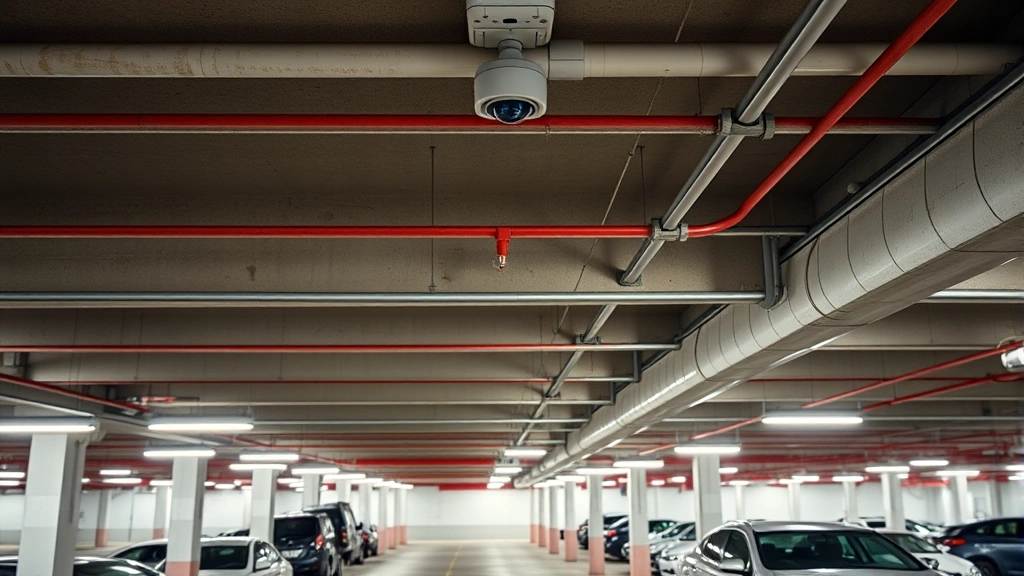
Surveillance camera presence influences criminal behavior. Parking in areas with visible security cameras significantly reduces theft risk. If your residential area lacks security cameras, consider discussing community security improvements with neighbors and local authorities.
Parking location rotation prevents patterns that criminals can exploit. If you always park in the same location, thieves can plan theft operations with knowledge of your vehicle’s location. Varying parking locations makes it more difficult for criminals to target your vehicle specifically.
Time-based security considerations matter significantly. Vehicles parked overnight in unsecured locations face increased theft risk. If possible, keep your vehicle in a garage or covered parking structure, especially during evening hours when criminal activity increases.
Environmental protection also matters for vehicle security. Extreme weather conditions can damage locks and security mechanisms. Protect your vehicle from harsh weather through garage parking or covered structures, maintaining security system functionality.
Insurance and Documentation
Comprehensive vehicle insurance provides financial protection against theft and damage. Collision and comprehensive coverage protect against theft-related losses, though deductibles apply. Review your insurance policy regularly to ensure adequate coverage for your vehicle’s current value.
Vehicle documentation should be organized and secure. Keep registration, title, and proof of insurance in your vehicle’s glove box, but store duplicate copies in a safe location at home. In theft situations, documentation helps law enforcement identify your vehicle and expedites recovery processes.
VIN (Vehicle Identification Number) documentation proves vehicle ownership. Record your VIN in multiple secure locations and share it with insurance companies and law enforcement if theft occurs. The VIN uniquely identifies your vehicle and appears on all official documentation.
Maintenance records document vehicle condition and modifications. These records prove your vehicle’s condition if recovery occurs, supporting insurance claims for damage assessment. Keep detailed records of all security upgrades, which may qualify for insurance discounts.
Security system documentation should include all equipment serial numbers, manufacturer information, and activation codes. This information proves ownership of security devices and facilitates replacement if original devices are damaged or lost during theft.
Regular insurance reviews ensure coverage remains adequate as your vehicle ages. Vehicle value depreciation affects insurance requirements, and your coverage should adjust accordingly. Discuss security improvements with your insurance agent, as some upgrades may qualify for premium discounts.
FAQ
What is the most effective car security measure?
Layered security combining multiple measures proves most effective. Physical locks, electronic systems, GPS tracking, and cybersecurity practices together create comprehensive protection that addresses diverse threats. No single measure eliminates all risks, making comprehensive approaches essential.
How can I protect my vehicle from relay attacks?
Modern vehicles with rolling code technology provide strong protection against relay attacks. For older vehicles, use signal-blocking pouches for your key fob when not actively using it. These pouches prevent relay attackers from intercepting your key’s wireless signal.
Are aftermarket security systems worth the investment?
Aftermarket systems provide valuable protection for vehicles lacking built-in security features. GPS trackers, alarm systems, and immobilizers significantly increase recovery rates and deter theft. Calculate the system cost against your vehicle’s value and theft risk in your area.
How often should I update my vehicle’s software?
Check for software updates monthly and install them immediately when available. Manufacturers release security patches addressing discovered vulnerabilities, making regular updates critical for protecting vehicle systems against cyber threats.
What should I do if my vehicle is stolen?
Contact law enforcement immediately and provide your vehicle’s VIN, registration information, and GPS tracking details if available. Notify your insurance company and activate your GPS tracking service if equipped. The faster you report theft, the better recovery chances.
Can hackers remotely access my vehicle?
Modern vehicles have security measures preventing unauthorized remote access, but vulnerabilities can exist. Keep software updated, use only official mobile applications, and avoid connecting to untrusted networks. CISA provides vehicle security advisories addressing specific vulnerabilities.
Is parking in a garage necessary for security?
Garage parking provides maximum protection but isn’t always possible. Well-lit, populated parking areas with surveillance cameras offer strong alternatives. Combine environmental security with active security measures like alarms and GPS tracking.
What insurance coverage do I need for theft protection?
Comprehensive coverage protects against theft, typically requiring a deductible. Review your policy’s coverage limits and deductibles to ensure adequate financial protection. Discuss security improvements with your insurance agent for potential premium discounts.


