
Do Barking Dog Alarms Work? Security Insights
Barking dog security alarms represent a fascinating intersection of behavioral psychology, deterrence theory, and home security technology. These devices emit realistic canine sounds designed to startle potential intruders and create the impression that a dangerous dog guards your property. But do they actually work? This comprehensive security analysis examines the effectiveness of barking dog alarms, their limitations, and how they fit into a modern home protection strategy.
As cybersecurity threats and physical security concerns continue to evolve, homeowners increasingly seek affordable deterrents. Barking dog alarms offer an intriguing solution that costs significantly less than owning an actual dog, requires no training, and demands minimal maintenance. However, their effectiveness depends on numerous factors including placement, sound quality, intruder psychology, and integration with other security measures. Understanding these variables helps you make informed decisions about whether this technology suits your specific security needs.
How Barking Dog Alarms Work
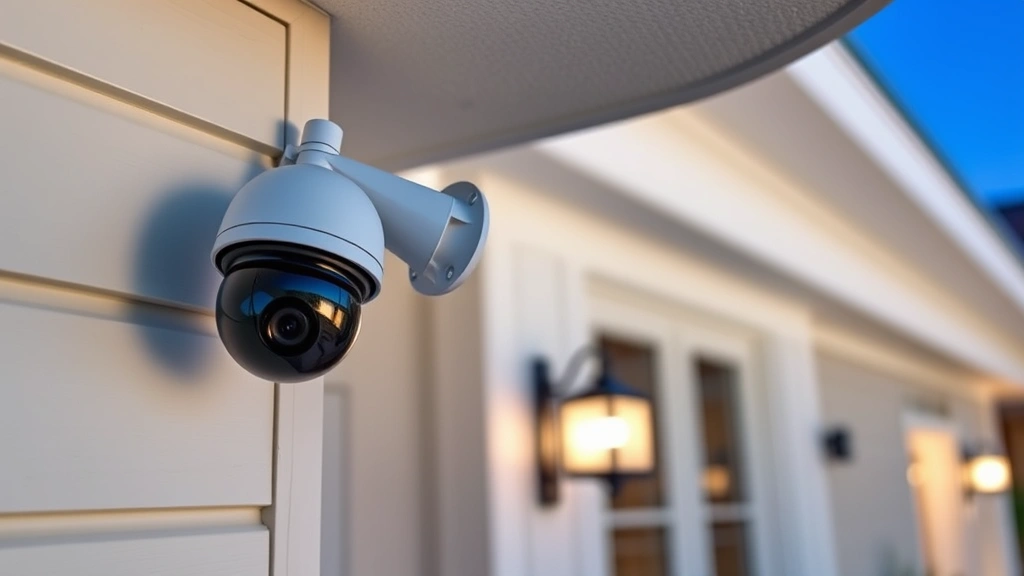
Barking dog security alarms operate on straightforward principles rooted in threat perception and behavioral deterrence. The device contains a motion sensor that detects movement within a specified range, typically 15 to 30 feet depending on the model. When triggered, the alarm emits a loud, realistic barking sound designed to mimic an aggressive dog protecting territory. The sound duration usually lasts 30 to 60 seconds, creating enough commotion to alert nearby residents and discourage further intrusion attempts.
Modern barking dog alarms employ sophisticated audio technology to reproduce authentic canine vocalizations. Rather than generic synthetic sounds, quality devices feature recordings of actual dogs in protective mode, complete with growls, snarls, and aggressive barking patterns. Some advanced models include variable bark intensity and multiple dog sounds to enhance realism. The motion sensors use passive infrared technology to detect body heat, triggering the alarm only when actual movement occurs rather than responding to wind or small animals.
Power sources vary significantly among available models. Battery-operated units offer flexibility and easy installation without electrical work, while hardwired systems integrate with existing home security infrastructure. Solar-powered options provide extended operational life in outdoor installations. Most devices feature adjustable sensitivity settings, allowing homeowners to fine-tune detection parameters and reduce false alarms caused by passing pedestrians or vehicle movement.
Effectiveness Against Break-Ins
Research on barking dog alarm effectiveness reveals a nuanced picture. Studies examining burglar behavior indicate that approximately 60-70% of home invaders specifically avoid properties with dogs or dog-like security signals. A 2015 research report from the Cybersecurity and Infrastructure Security Agency examining physical security deterrents found that auditory deterrents significantly impact initial approach decisions. However, effectiveness depends critically on whether intruders believe the threat is genuine.
Professional burglars often conduct surveillance before attempting entry, observing property patterns and security measures. A barking dog alarm that activates only during motion sensor triggers may reveal itself as mechanical rather than biological. Experienced criminals understand that real dogs bark unpredictably, respond to specific stimuli, and maintain continuous territorial behavior. Conversely, a device that activates only when disturbed suggests a machine rather than a living animal.
The psychological impact proves most significant during the initial approach phase. When a potential intruder encounters unexpected aggressive barking, the startle effect creates several tactical problems: increased noise exposure, uncertainty about actual threats, and heightened risk of detection. Many burglars abandon attempts at this stage because the risk-reward calculation shifts unfavorably. Studies show that auditory deterrents increase intruder stress responses and decision hesitation by measurable percentages.
However, barking dog alarms work best as part of comprehensive security strategies rather than standalone solutions. Criminals who overcome initial psychological barriers and determine the device is mechanical may proceed with break-in attempts. The alarm’s effectiveness diminishes substantially in scenarios involving organized crime, drug-related burglaries, or targeted home invasions where perpetrators are specifically seeking particular victims or items.
Types Available on Market
The barking dog alarm market offers diverse options suited to different security needs and budgets. Basic models feature simple motion sensors and single barking sound recordings, typically costing $20-50. These entry-level devices work adequately for general deterrence but may lack the audio quality and realism needed to fool experienced criminals. Mid-range units ($50-150) incorporate advanced motion sensors, multiple bark variations, adjustable sensitivity, and weather-resistant designs suitable for outdoor installation.
Premium barking dog alarms ($150-400) include sophisticated features such as smartphone connectivity, integration with existing smart home systems, advanced motion detection algorithms, and high-fidelity audio reproduction. These devices often allow remote activation, monitoring, and customization through dedicated mobile applications. Some models feature artificial intelligence that learns household patterns and reduces false alarms while maintaining security sensitivity.
Specialized variants address specific security scenarios. Wireless versions designed for apartments or rental properties require no installation and activate via remote controls. Solar-powered outdoor models maintain operation indefinitely without battery replacement. Combination units integrate barking dog sounds with additional deterrent features like strobe lights or alarm sirens, creating multi-sensory threats that prove more effective than audio alone.
When selecting a barking dog alarm, consider factors including motion sensor range, sound quality and volume, power source reliability, weather resistance, and integration capabilities with other home security systems. Reading verified customer reviews and checking product specifications ensures you select a device matching your specific security requirements and environmental conditions.
” alt=”Barking dog alarm sensor mounted on exterior wall with motion detection range highlighted”>
Real Limitations and Drawbacks
Despite their appeal, barking dog alarms carry significant limitations that security professionals recognize. The primary weakness involves authenticity verification. Modern criminals conduct reconnaissance and distinguish between genuine dogs and mechanical devices through observation patterns. Real dogs bark randomly, respond to specific environmental triggers, and exhibit behavioral consistency. A device that barks identically every time motion occurs eventually reveals itself as mechanical.
False alarm frequency presents another critical issue. Weather conditions, passing pedestrians, vehicle movement, and small animals frequently trigger motion sensors, generating unnecessary barking that habituates both the community and actual intruders to the sound. Repeated false alarms reduce psychological deterrence effectiveness because observers learn the alarm signifies no genuine threat. Some jurisdictions impose fines on properties generating excessive false alarms, adding financial consequences to ineffectiveness.
Environmental factors significantly impact performance. Heavy rain, snow, and extreme temperatures affect motion sensor reliability and battery life. Outdoor installations require weatherproof designs, and even quality units experience degraded performance in harsh climates. Seasonal changes in daylight and temperature fluctuations can cause inconsistent operation, requiring regular maintenance and testing to ensure continued functionality.
The devices offer zero actual protection if an intruder proceeds despite the barking. Unlike real dogs that bite, defend property, and call attention to specific threats, barking alarms cannot physically stop intrusions. They function purely as psychological deterrents, meaning determined intruders can overcome the initial scare factor and proceed with break-ins. Security experts note that devices providing psychological deterrence alone should never constitute primary security measures for valuable property or high-risk locations.
Integration limitations also constrain effectiveness. Many barking dog alarms operate independently without connecting to professional monitoring services, law enforcement notification systems, or smartphone alerts. This isolation means no one receives notification when the alarm triggers, limiting response capability. Compare this to monitored security systems that immediately alert authorities and property owners of intrusions, creating actual protective response rather than hope-based deterrence.
Integration with Security Systems
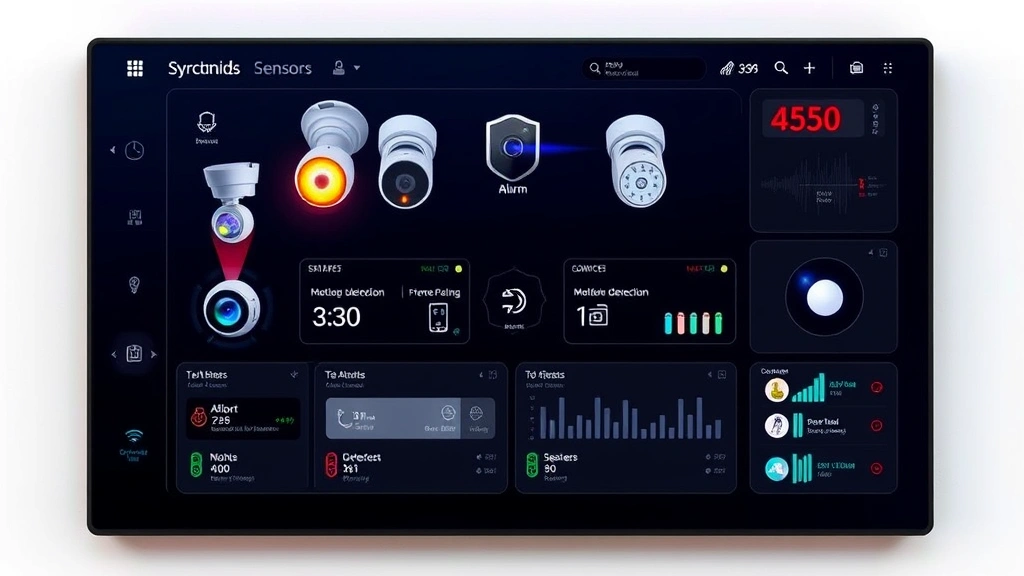
Modern home security approaches emphasize layered defense strategies where multiple systems work synergistically. Barking dog alarms integrate effectively within this framework as initial deterrent layers, but require complementary technologies for comprehensive protection. Smart home integration allows barking dog alarms to communicate with other devices, creating coordinated responses when intrusion threats occur.
Advanced barking dog alarms with wireless connectivity can activate in conjunction with smart lighting systems, creating the appearance that residents are home even during extended absences. Motion-triggered lights combined with aggressive barking sounds create powerful psychological deterrence by suggesting active property occupation and immediate threat response. Integration with security cameras enables homeowners to verify alarms before contacting authorities, reducing unnecessary emergency calls.
Professional monitoring services represent the critical missing link in standalone barking dog alarms. When connected to monitored security systems, barking alarms become part of comprehensive threat response protocols. Motion sensor triggers can simultaneously activate auditory deterrents, send smartphone notifications, alert monitoring centers, and dispatch emergency responders. This integration transforms passive deterrence into active threat response, dramatically improving actual protection against determined intruders.
For renters or temporary installations, wireless barking dog alarms offer flexibility without requiring permanent modifications. These devices integrate with portable smart home hubs, allowing synchronized operation with other wireless security components. Homeowners can create custom security scenes that activate multiple deterrents simultaneously when motion triggers occur, creating overwhelming sensory experiences that significantly increase intrusion abandonment rates.
Proper Installation Techniques
Effective barking dog alarm deployment requires strategic placement and careful configuration. Position devices where motion sensors cover primary entry points including front doors, back doors, sliding glass doors, and windows. Optimal placement typically involves wall-mounted locations 3-6 feet above ground level, providing clear motion detection paths without excessive false triggers from ground-level activity.
Avoid placing alarms where vegetation, structures, or obstacles block motion sensor fields of view. Test detection ranges thoroughly during installation, ensuring sensors respond to approaching threats while maintaining acceptable false alarm rates. Adjust sensitivity settings based on environmental conditions, reducing sensitivity in high-traffic areas and increasing it for isolated property sections.
Weatherproofing proves critical for outdoor installations. Select devices with appropriate IP ratings for your climate, ensuring water and dust resistance matching environmental exposure levels. Position units to minimize direct rainfall exposure while maintaining clear sensor views. Ensure battery compartments seal properly and inspect regularly for corrosion or water intrusion that compromises functionality.
Install devices prominently visible to potential intruders, as visible deterrents influence approach decisions before triggering. Place units near entry points where approaching threats encounter them first, maximizing psychological impact during initial approach phases. Combine visual placement with signage indicating security measures, reinforcing the impression of active property protection.
Test systems monthly to verify continued operation and maintain familiarity with functionality. Replace batteries before expiration dates and inspect sensors for physical damage or obstruction. Document installation locations and settings for future reference and troubleshooting. Consider professional security assessment to optimize placement relative to your specific property layout and vulnerability patterns.
” alt=”Professional security system monitoring dashboard showing integrated motion sensors and alarm status indicators”>
Complementary Security Measures
Security professionals universally recommend combining barking dog alarms with multiple protective layers addressing different threat vectors. Security cameras provide actual documentation of intrusion attempts and perpetrator identification, enabling law enforcement investigation and prosecution. Modern smart cameras offer motion detection, night vision, cloud storage, and smartphone notifications, creating comprehensive visual surveillance that barking alarms cannot provide.
Door and window sensors detect physical entry attempts even before motion triggers occur, providing earlier threat notification and enabling faster response. These devices integrate seamlessly with monitored security systems and smartphone alerts, ensuring you receive immediate notification of actual entry attempts rather than relying on motion detection alone. Combined with barking alarms, door sensors create layered detection that catches threats at multiple stages.
Professional monitoring services represent the most significant enhancement to barking dog alarm effectiveness. When motion or entry sensors trigger, monitoring centers immediately contact property owners and dispatch emergency responders if needed. This active response capability transforms passive deterrence into rapid threat intervention, providing actual protection rather than hope-based security.
Smart locks and reinforced entry hardware address the physical vulnerability that barking alarms cannot protect. Even if alarms successfully deter initial approach, determined intruders who overcome psychological barriers encounter physical barriers preventing entry. Reinforced door frames, deadbolt locks, and shatterproof window film create genuine obstacles requiring significant time and effort to overcome.
Neighborhood watch programs and community awareness initiatives amplify barking alarm effectiveness through social deterrence. Criminals avoid areas with active community monitoring and reporting networks. Combining individual security measures with neighborhood participation creates collective security benefits exceeding what any single device can achieve. Many communities report significant crime reductions from coordinated awareness and reporting without expensive technology investments.
FAQ
Do barking dog alarms actually stop burglars?
Barking dog alarms primarily deter initial approach through psychological impact rather than preventing entry. Research suggests 60-70% of burglars avoid properties displaying dog indicators. However, determined criminals who overcome the initial scare factor can proceed with break-ins since the device provides no physical protection. Effectiveness increases substantially when combined with cameras, monitored systems, and reinforced entry hardware.
How loud are barking dog alarms?
Quality barking dog alarms produce 100-110 decibels, comparable to actual aggressive dogs. This volume level creates significant startle effects and attracts nearby attention. However, volume alone doesn’t guarantee effectiveness—sound authenticity matters equally. Devices with realistic barking patterns prove more effective than generic loud noises that sound obviously mechanical.
Will neighbors complain about false alarms?
False alarms represent a legitimate concern, particularly in densely populated areas. Proper installation with adjusted sensitivity settings and regular testing minimizes false triggers. However, some false alarms inevitably occur from weather, passing pedestrians, or animals. Informing neighbors about your security measures and maintaining responsible device operation helps manage community relationships.
Can I use barking dog alarms in apartments?
Many apartments prohibit permanent installations, but wireless barking dog alarms offer portable solutions. Battery-powered units activate via remote controls or motion sensors without requiring installation. Confirm your lease permits these devices and maintain low false alarm rates to avoid neighbor complaints or lease violations.
How much do barking dog alarms cost?
Prices range from $20 for basic models to $400+ for premium smart-connected devices. Mid-range options ($50-150) offer reasonable quality and reliability for most homeowners. Consider your specific needs, property layout, and integration requirements when evaluating cost-effectiveness. Combining an affordable barking alarm with other security measures often proves more effective than expensive standalone devices.
Do barking dog alarms work with smart home systems?
Many modern barking dog alarms integrate with smart home platforms including Amazon Alexa, Google Home, and dedicated security systems. Smart-connected models enable remote activation, customization, and coordination with other security devices. However, basic models operate independently without smart home integration, requiring manual configuration and offering limited automation capabilities.
Should I rely solely on barking dog alarms for security?
Security professionals strongly advise against relying exclusively on any single deterrent device. Barking alarms work best as initial deterrent layers within comprehensive security strategies including cameras, monitored systems, reinforced entry hardware, and community awareness. This layered approach addresses multiple threat vectors and provides actual protection rather than psychological deterrence alone.


