Protect Baby Ears from Noise: Expert Advice for Safe Sound Exposure
Protecting your baby’s hearing is one of the most important aspects of early childhood development that many parents overlook. Infants and young children have delicate auditory systems that are still developing, making them particularly vulnerable to noise-induced hearing damage. Unlike adults, babies cannot communicate discomfort from loud sounds, which means parents must be proactive in identifying and mitigating noise hazards in their environment.
Excessive noise exposure during critical developmental years can have lasting consequences on your child’s speech development, cognitive function, and overall quality of life. The American Academy of Pediatrics recommends that parents take deliberate steps to minimize loud noise exposure and create safe acoustic environments for their babies. This comprehensive guide will walk you through evidence-based strategies, protective equipment options, and practical recommendations from hearing health experts.
Understanding Baby Hearing and Noise Sensitivity
Babies are born with fully developed ears, but their auditory processing systems continue to mature throughout early childhood. Newborns can hear sounds, but their ability to localize sound sources and filter background noise improves gradually over the first few years of life. This developmental process makes them particularly susceptible to the harmful effects of loud noise exposure.
The cochlea, a spiral-shaped structure in the inner ear, contains thousands of hair cells responsible for converting sound vibrations into electrical signals that the brain interprets as sound. In babies, these hair cells are more fragile and sensitive than in adults. When exposed to loud noise, these delicate structures can be damaged permanently, leading to sensorineural hearing loss that cannot be reversed through medical intervention.
Research from the Centers for Disease Control and Prevention indicates that approximately 1-3 per 1,000 newborns have congenital hearing loss, and many more develop hearing problems during childhood due to environmental factors, including noise exposure. Understanding your baby’s unique hearing vulnerabilities is the first step toward effective protection.
Babies cannot tell you when sounds are too loud or when they’re experiencing hearing discomfort. They may show signs of distress such as crying, startling, or covering their ears, but these responses don’t always indicate dangerous noise levels. Some babies become accustomed to loud environments and stop responding, which can mask serious hearing damage occurring silently.
Safe Sound Levels for Infants and Toddlers
Sound intensity is measured in decibels (dB), a logarithmic scale where each 10 dB increase represents a tenfold increase in sound intensity. For context, normal conversation occurs at approximately 60 dB, while heavy traffic registers around 80 dB. Understanding safe thresholds is essential for protecting your baby’s developing ears.
The National Institute on Deafness and Other Communication Disorders recommends that children be protected from continuous noise exposure exceeding 70 dB. Sounds above 85 dB can cause permanent hearing damage with prolonged exposure, while sounds exceeding 120 dB can cause immediate damage even in brief exposures. For babies specifically, experts suggest maintaining sound levels below 70 dB in environments where infants spend extended time.
Consider these common sound levels as reference points: whispered conversation (30 dB), normal speech (60 dB), vacuum cleaner (70 dB), garbage disposal (80 dB), blender (90 dB), leaf blower (100 dB), and fireworks (150 dB). When planning activities or evaluating your home environment, keep these benchmarks in mind to assess whether noise levels are appropriate for your baby.
Duration of exposure matters significantly in hearing protection. Brief exposure to moderately loud sounds may cause less damage than extended exposure to moderately loud environments. This is why parents should be especially cautious about recurring noise sources like air conditioning units, ceiling fans, or household appliances that run continuously.
Common Household Noise Hazards
Your home likely contains numerous noise sources that may exceed safe levels for your baby’s ears. Identifying these hazards allows you to implement targeted protective strategies. Kitchen appliances represent one of the most common sources of excessive household noise.
Kitchen and Bathroom Appliances: Blenders, food processors, and garbage disposals can exceed 90 dB, while vacuum cleaners and hair dryers typically reach 70-80 dB. When using these appliances, keep your baby in another room or use protective gear if they must remain nearby. Exhaust fans in kitchens and bathrooms can also produce surprisingly loud noise levels, reaching 75-80 dB.
Cleaning and Maintenance Equipment: Washing machines, dishwashers, and laundry dryers operate at 70-80 dB. Power tools used for home maintenance, including drills, saws, and sanders, can exceed 100 dB and pose serious risks to hearing. Never allow babies or toddlers to be present when power tools are in use.
Entertainment and Electronic Devices: Television and music systems can reach dangerous levels if volume is turned up excessively. Babies may be exposed to loud audio when watching videos, playing games, or during family entertainment. Many children’s toys produce sounds exceeding 85 dB, which can damage developing ears with repeated exposure.
Household Alarms and Notifications: Smoke detectors, carbon monoxide detectors, doorbell chimes, and phone alerts can startle babies and exceed safe noise levels. While these safety devices are essential, ensure they’re positioned away from sleeping areas when possible.
Outdoor Noise Penetration: Traffic noise, construction, lawn maintenance equipment, and neighborhood activities can penetrate windows and walls, creating elevated sound levels inside your home. Consider soundproofing measures if you live in a noisy area.
Protective Equipment and Gear
When you cannot eliminate noise sources, protective equipment becomes essential. Several options exist specifically designed for protecting babies’ and children’s hearing in various situations.
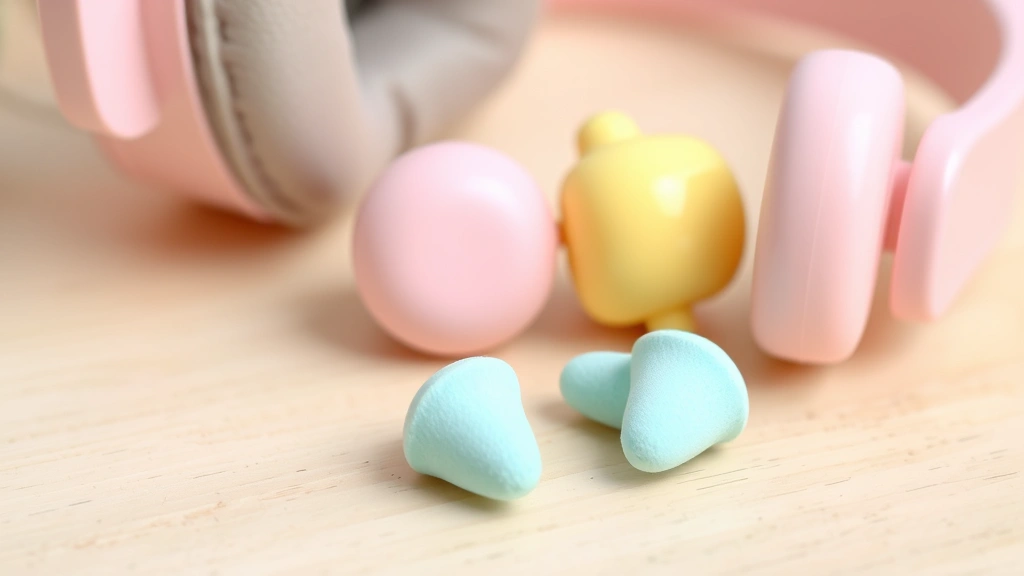
Baby Ear Protection Headphones: Specialized headphones designed for infants and toddlers provide passive noise reduction by creating a physical barrier against sound. These lightweight, comfortable headphones are sized appropriately for small heads and typically reduce noise by 20-35 dB depending on the model. Quality options include brands specifically engineered for babies, with soft padding and adjustable headbands that grow with your child.
Earplugs for Infants: Soft foam or silicone earplugs can be custom-molded to fit a baby’s ear canal, providing effective noise reduction. However, insertion requires careful technique to avoid pushing earwax deeper into the ear or causing discomfort. Consult an audiologist for proper fitting and insertion guidance.
Noise-Reducing Earmuffs: Passive earmuffs designed for children offer noise reduction without electronic components. These are particularly useful at loud events, concerts, or sporting activities. Active noise-canceling earmuffs for children are also available but should only be used under careful supervision.
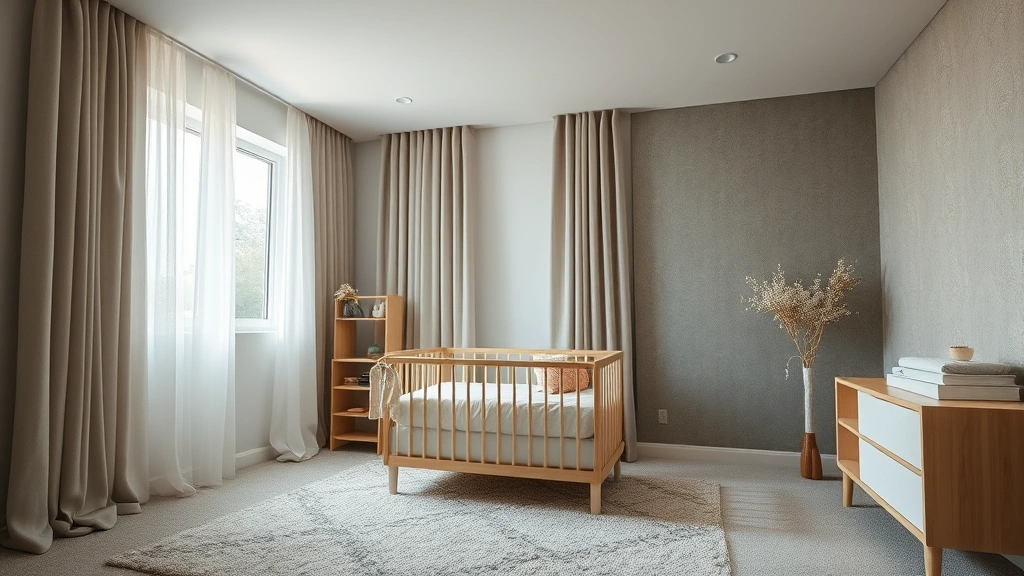
Acoustic Modifications: Soft furnishings like curtains, carpets, and upholstered furniture absorb sound and reduce noise reflection within rooms. Strategic placement of these items can lower overall noise levels by several decibels, creating naturally quieter environments without requiring your baby to wear protective gear.
When selecting protective equipment, prioritize comfort and proper fit. Equipment that’s uncomfortable may cause your baby to resist wearing it, reducing its protective effectiveness. Test different options and observe your child’s response to find the most suitable solution for your situation.
Creating a Safe Acoustic Environment
Beyond protective equipment, you can implement environmental modifications to reduce noise exposure throughout your home. Creating a naturally quieter space benefits your entire family while providing optimal conditions for your baby’s hearing and development.
Bedroom Optimization: The bedroom should be the quietest room in your home, providing a safe haven for sleep and rest. Use thick curtains, weather stripping on doors, and acoustic panels to minimize external noise penetration. Consider a white noise machine that masks sudden loud sounds with consistent, gentle background noise—this paradoxically helps babies sleep better while protecting against sudden noise startles.
Volume Control Practices: Establish household volume guidelines for televisions, radios, and music systems. Keep volumes at conversational levels, typically 60 dB or below. When watching movies or entertainment content, consider whether your baby needs to be in the room, or position them at a distance from speakers.
Appliance Management: Schedule use of loud appliances during times when your baby is not home, or when they’re occupied with quiet activities away from the noise source. When possible, close doors between rooms to contain noise within specific areas. Maintain appliances regularly, as worn equipment often becomes louder than properly serviced machines.
Visitor and Guest Management: Educate family members and guests about maintaining appropriate noise levels around your baby. Explain that loud voices, screaming, or sudden loud noises can damage developing ears. Many people are unaware of the risks and will appreciate guidance on protecting your child’s hearing.
Outdoor Activity Planning: When spending time outdoors, position your baby away from traffic, construction sites, and other loud noise sources. Avoid parks near busy roads, and choose quieter times for outdoor activities when possible. If you must be in a loud environment, use protective gear.
When to Seek Professional Hearing Assessment
Regular hearing assessments are crucial for detecting problems early and ensuring your baby’s auditory development remains on track. Newborn hearing screening is now standard in most hospitals, but ongoing monitoring continues to be important throughout childhood.
Contact an audiologist if you notice any of these warning signs: your baby doesn’t startle at loud sounds, doesn’t turn toward sound sources by 3-4 months, hasn’t begun babbling by 6 months, doesn’t respond to their name by 9 months, or shows speech delays compared to peers. These indicators may suggest hearing loss requiring professional evaluation and intervention.
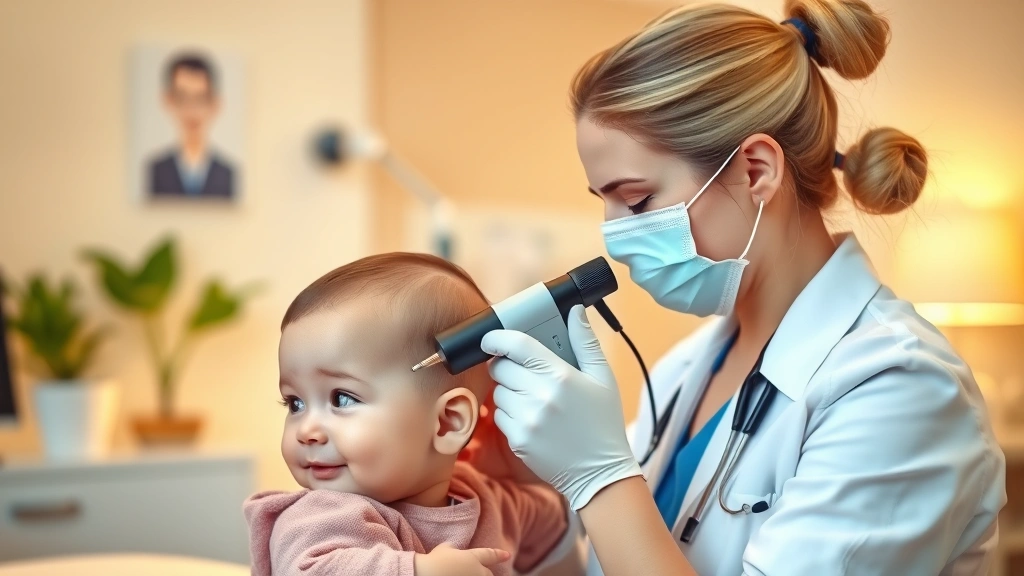
An audiologist can perform age-appropriate hearing tests, identify any hearing loss, and recommend interventions ranging from hearing aids to speech therapy. Early detection and treatment of hearing problems significantly improve language development, academic performance, and social outcomes.
If your baby has had significant noise exposure or shows any concerning symptoms, request a comprehensive audiological evaluation. Documentation of your baby’s hearing baseline allows future comparisons to detect changes or damage from noise exposure.
Travel and Event Safety for Baby Ears
Special situations like air travel, concerts, fireworks displays, and sporting events present unique challenges for protecting baby ears. Planning ahead ensures your baby’s hearing remains protected even in challenging acoustic environments.
Air Travel: Aircraft cabins maintain pressurized environments at approximately 75-85 dB, which can be uncomfortable for babies. Encourage your baby to suck on a bottle or pacifier during takeoff and landing to equalize ear pressure, which helps prevent discomfort. Noise-reducing headphones designed for children can make flights more comfortable while protecting hearing.
Concerts and Live Events: Never bring babies or young children to concerts, festivals, or sporting events where sound levels consistently exceed 90 dB. If you must attend events with older children, use properly fitted ear protection. Explain to children why protective equipment is necessary for their hearing safety.
Fireworks and Celebrations: Fireworks produce sound levels exceeding 150 dB, causing immediate hearing damage. Keep babies indoors, away from windows, during fireworks displays. If celebrating outdoors, maintain significant distance from fireworks and use protective gear for older children.
Restaurant and Public Venue Visits: Busy restaurants and entertainment venues can be surprisingly loud, reaching 80-90 dB. Limit duration of visits to loud venues, position your baby away from speakers and noise sources, and consider using protective equipment during extended outings to noisy environments.
When traveling with your baby, pack protective gear and research noise levels at your destination. Plan activities during quieter times when possible, and don’t hesitate to leave situations where noise exceeds safe levels for your baby’s hearing.
FAQ
At what age can babies safely wear ear protection headphones?
Most babies can tolerate protective headphones starting around 6-12 months old, once they’re less likely to pull them off. Infant-sized models are available for younger babies, though some resistance is normal. Introduce protective gear gradually and positively to help your baby acclimate.
Can white noise machines damage baby hearing?
White noise machines at appropriate volumes (below 70 dB) do not damage hearing. In fact, consistent background noise can help mask sudden loud sounds that might startle your baby. Ensure your white noise machine operates at safe levels and maintains consistent volume throughout the night.
How do I know if my baby has hearing loss from noise exposure?
Noise-induced hearing loss may not be immediately apparent. Signs include delayed speech development, difficulty following directions, or not responding to sounds at appropriate volumes. Professional audiological testing is the only definitive way to detect hearing loss. Schedule regular assessments if your baby has had significant noise exposure.
Are there any medications that can help protect baby ears from noise damage?
Currently, no medications can prevent or reverse noise-induced hearing damage in babies. Prevention through noise avoidance and protective equipment remains the only effective strategy. Some research suggests antioxidants may have protective properties, but this research is preliminary and not yet applicable to clinical practice.
Should I use earplugs when bathing my baby to prevent water from entering ears?
Water in the ear canal during bathing is not dangerous for healthy ears and does not require earplugs. However, if your baby has ear tubes or a history of ear infections, your pediatrician may recommend water protection during bathing. Earplugs for water protection differ from noise-protection earplugs and serve a different purpose.
Can babies develop tinnitus from noise exposure?
Yes, tinnitus (ringing or buzzing in the ears) can develop in babies and children following significant noise exposure. Babies cannot verbally report tinnitus, but may show signs of distress or ear discomfort. If you suspect your baby has tinnitus following noise exposure, consult an audiologist for evaluation.


