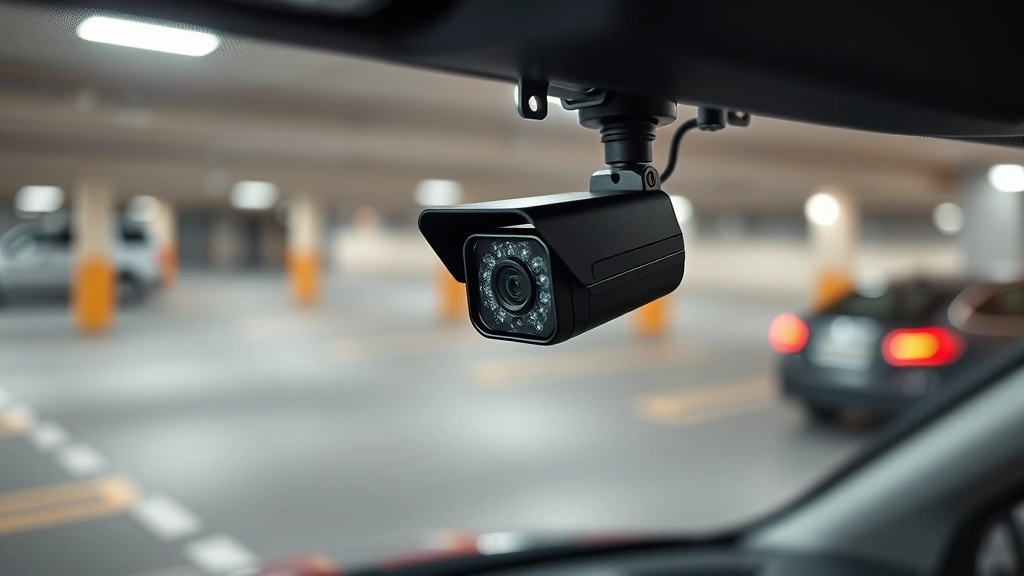
Are Automotive Security Cameras Worth It? Expert Insights on Vehicle Protection
Vehicle theft and break-ins cost Americans billions annually, with criminals becoming increasingly sophisticated in their methods. An automotive security camera system has emerged as one of the most effective deterrents and evidence-gathering tools available to vehicle owners. But with countless options flooding the market, understanding whether these systems justify their investment requires examining real-world effectiveness, technological capabilities, and threat landscapes.
The rise of vehicle-related crimes—from catalytic converter theft to organized break-in rings—has made automotive security cameras essential for modern vehicle protection. Unlike passive security measures, these systems provide active monitoring, real-time alerts, and irrefutable evidence that law enforcement can use for investigations. This comprehensive guide explores whether automotive security cameras deliver genuine value for your specific situation.
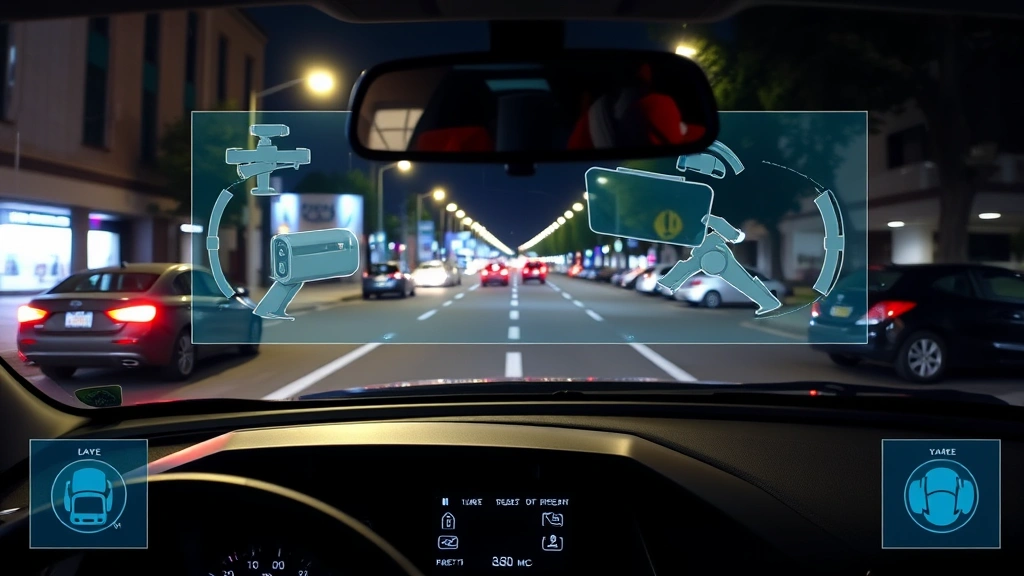
How Automotive Security Cameras Work
Modern automotive security camera systems operate through sophisticated motion detection and continuous recording technologies. Most systems utilize high-resolution sensors capable of capturing license plates and facial features from significant distances. When movement is detected near your vehicle, the camera activates and begins recording, simultaneously sending notifications to your smartphone through dedicated mobile applications.
The technology relies on several interconnected components: the camera unit itself, a power source (typically hardwired to your vehicle’s battery or a portable power bank), cloud storage infrastructure, and mobile connectivity through WiFi or cellular networks. Advanced systems employ artificial intelligence to distinguish between relevant threats—such as someone approaching your vehicle—and irrelevant motion like passing pedestrians or vehicles.
Recording quality has become paramount in automotive security applications. CISA’s cybersecurity guidelines emphasize the importance of clear identification capabilities in surveillance systems. Most professional automotive cameras now capture at 4K resolution, ensuring that facial features, license plates, and distinctive clothing remain identifiable even when zoomed or cropped from footage.
Battery technology represents a critical advancement in automotive camera systems. Sophisticated power management ensures cameras operate for extended periods without draining your vehicle’s main battery. Some systems incorporate solar charging capabilities, providing indefinite operation in well-lit parking situations. The integration of cloud storage means footage is automatically backed up, preventing loss if the camera unit itself is damaged or stolen.

Key Benefits for Vehicle Protection
Deterrence and Crime Prevention represents the primary value proposition. Visible camera units discourage potential thieves from targeting your vehicle, as criminals recognize the increased likelihood of identification and prosecution. Research from automotive security firms demonstrates that vehicles with visible security cameras experience significantly lower theft and break-in rates compared to unprotected vehicles in the same areas.
The evidence collection capability cannot be overstated. If your vehicle is vandalized, broken into, or involved in a hit-and-run incident, automotive security camera footage provides law enforcement with crucial investigative material. Unlike eyewitness accounts, video evidence is objective and admissible in legal proceedings. Insurance companies increasingly favor claims supported by clear video documentation, often resulting in faster claim resolution and better settlements.
Real-time monitoring through mobile applications allows you to observe your vehicle remotely, regardless of your physical location. This capability proves invaluable when parking in unfamiliar neighborhoods, during extended travel, or when leaving your vehicle unattended for business meetings. Immediate notifications enable rapid response—you can alert authorities to suspicious activity while it’s occurring rather than discovering problems hours later.
Insurance premium reductions frequently offset system costs. Many insurance providers offer discounts of 5-15% for vehicles equipped with documented security systems. Over a 3-5 year period, these discounts can substantially reduce the effective cost of an automotive security camera system. Contact your insurance provider to confirm whether your specific camera model qualifies for premium reductions.
Protection against catalytic converter theft has become increasingly relevant. Thieves target these components specifically due to their valuable precious metals, often removing them in under two minutes. Automotive security cameras equipped with audio capabilities can detect the distinctive sounds of angle grinders or reciprocating saws, alerting you to theft attempts before significant damage occurs.
Types of Automotive Camera Systems
Dash Cameras record forward-facing footage of your vehicle’s route and surrounding environment. These systems excel at capturing evidence for traffic accidents, insurance disputes, and hit-and-run incidents. Dashboard-mounted units provide continuous recording during vehicle operation, with many models featuring loop recording that automatically overwrites oldest footage when storage reaches capacity.
Comprehensive multi-camera systems provide 360-degree coverage through forward, rear, and side-facing units. These integrated systems create a complete security perimeter around your vehicle, capturing activity from all angles. Professional installation ensures optimal camera placement and hidden wiring that maintains vehicle aesthetics while maximizing coverage.
Parking mode systems activate when your vehicle is stationary, automatically recording when motion is detected or when sensors indicate physical impacts. These specialized systems are designed specifically for unattended vehicle protection, making them ideal for overnight parking, business district parking, or extended vehicle storage. Battery management is crucial in parking mode systems to prevent vehicle battery depletion.
Smart AI-enhanced systems utilize machine learning algorithms to identify threats intelligently. These advanced cameras distinguish between relevant activity (someone approaching your vehicle) and irrelevant motion (passing pedestrians, wind-blown debris). AI-powered systems reduce false alerts that plague basic motion-detection cameras, preventing notification fatigue and focusing attention on genuine threats.
Wireless and hardwired options present different trade-offs. Wireless systems offer easier installation and flexibility but depend on consistent network connectivity. Hardwired systems provide reliable power and potentially more stable data transmission but require professional installation to properly integrate with vehicle electrical systems.
Cost Analysis and ROI Considerations
Automotive security camera costs range dramatically based on capabilities and brand reputation. Basic single-camera dash systems start around $100-200, while comprehensive multi-camera systems with advanced features reach $800-1500 for quality units. Professional installation adds $300-600 to total costs, though some vehicle owners handle straightforward installations independently.
Return on investment calculations must consider multiple value streams. Direct financial returns include insurance premium discounts (typically $50-150 annually), potential claim recoveries from documented incidents, and avoided replacement costs from theft prevention. A $500 camera system might pay for itself within 3-4 years through insurance savings alone, before accounting for prevented theft or successful claim documentation.
Indirect benefits—peace of mind, security confidence, and reduced stress—prove difficult to quantify but shouldn’t be dismissed. The psychological benefit of knowing your vehicle is monitored and protected extends beyond financial calculations. For business owners with vehicle fleets, comprehensive camera coverage represents essential operational infrastructure rather than optional luxury.
Long-term ownership costs include cloud storage subscriptions (typically $5-15 monthly), occasional hardware replacement, and potential repair expenses. Most quality systems provide 3-5 year warranties covering manufacturing defects. Premium brands offer extended warranties and superior customer support, justifying higher initial investments through better longevity and reliability.
Geographic and demographic factors significantly impact ROI. Vehicles parked in high-crime neighborhoods derive substantially greater value from automotive security cameras than those in low-crime areas. Urban residents and frequent travelers benefit more from these systems than suburban homeowners with secure garage parking. Assess your specific parking situation and local crime rates when evaluating investment justification.
Installation and Technical Requirements
Professional installation ensures optimal camera placement, proper wiring integration, and correct system configuration. Technicians understand vehicle electrical systems, enabling secure power connections that won’t interfere with existing vehicle functions. Professional installers also ensure weatherproofing and protection against moisture intrusion, critical for long-term reliability.
DIY installation is possible for simpler systems, particularly dash cameras with adhesive mounting. However, hardwired systems and multi-camera setups require technical expertise to prevent electrical issues or warranty voiding. If you lack automotive electrical experience, professional installation is strongly recommended despite higher upfront costs.
Network connectivity represents a critical technical requirement. Your automotive security camera system must connect reliably to WiFi or cellular networks to transmit alerts and upload footage to cloud storage. Vehicles parked in locations with poor connectivity may experience gaps in real-time monitoring and delayed footage uploads. Test connectivity at your typical parking locations before finalizing system selection.
Cloud storage infrastructure must meet your recording needs. Calculate expected footage volume based on recording resolution and frequency. A 4K camera recording continuously generates approximately 100-150GB daily, requiring robust cloud subscriptions. Many systems offer tiered storage options, allowing you to balance cost against retention periods and video quality.
Mobile application functionality varies significantly between manufacturers. Superior applications provide intuitive interfaces, responsive notifications, quick playback access, and easy footage sharing with authorities or insurance companies. Test the manufacturer’s mobile application before purchase to ensure it meets your usability expectations and supports your smartphone platform.
Privacy and Legal Considerations
Automotive security camera usage exists within complex legal frameworks varying significantly by jurisdiction. Generally, recording in public spaces where vehicles are parked is legal in most U.S. states, as you have reasonable expectations of security for your personal property. However, recording private property—such as neighboring driveways—without explicit consent may violate privacy laws.
Audio recording introduces additional legal complications. Many states require two-party consent for audio recording, meaning you cannot legally record conversations without all participants’ knowledge. Some automotive cameras include audio capabilities; verify your state’s specific audio recording laws before enabling these features. NIST cybersecurity frameworks address data collection and privacy considerations relevant to surveillance systems.
Data security and privacy protection deserve careful attention. Your automotive security camera system stores video footage containing sensitive information—your location patterns, daily schedule, and vehicle movements. Choose manufacturers with strong encryption protocols, transparent privacy policies, and secure cloud infrastructure. Avoid systems from manufacturers with histories of data breaches or questionable privacy practices.
Insurance and liability implications arise when security footage captures others’ private activities. While your primary intent is vehicle protection, incidental recording of neighbors’ activities could create legal complications. Be transparent about your camera system’s presence and coverage area, particularly with neighbors and nearby property owners.
Regular security updates for your camera system are essential. Like any connected device, automotive security cameras represent potential cybersecurity vulnerabilities if manufacturers don’t provide timely security patches. Choose established manufacturers committed to regular firmware updates and security maintenance throughout the product lifecycle. CISA provides cybersecurity resources applicable to IoT device security, including connected camera systems.
Frequently Asked Questions
What resolution should I prioritize in an automotive security camera?
Minimum 1080p resolution is acceptable for basic protection, but 2K or 4K resolution is strongly recommended. Higher resolution ensures license plate readability and facial feature identification, critical for law enforcement investigations. The difference in cost between 1080p and 4K systems has narrowed considerably, making premium resolution increasingly justified.
Can automotive security cameras operate in low-light conditions?
Modern cameras utilize night vision and infrared capabilities, performing effectively in darkness. Look for systems with wide apertures (f/1.4 or lower) and advanced image processing. Night vision quality varies significantly between manufacturers; read independent reviews specifically evaluating low-light performance before purchasing.
How long does typical footage retention last?
Cloud storage subscriptions typically retain 7-30 days of footage depending on tier and resolution. For important incidents, download and backup footage immediately. Some systems offer local storage options providing extended retention without cloud subscription costs, though this requires larger storage devices.
Will automotive security cameras drain my vehicle’s battery?
Modern systems employ sophisticated power management preventing battery depletion. Hardwired installations should incorporate battery monitors that disable recording when voltage drops below safe levels. Portable power banks provide alternative solutions avoiding vehicle electrical integration entirely.
Which manufacturers offer the most reliable automotive security cameras?
Established brands like BlackVue, VIOFO, Thinkware, and 70mai consistently receive positive professional reviews. Research specific models rather than relying solely on brand reputation, as individual product lines vary considerably in quality and features. CSO Online reviews provide comprehensive comparisons of automotive camera systems. Read current customer reviews and check warranty coverage before finalizing purchases.
Do insurance companies require specific camera systems for premium discounts?
Insurance requirements vary by provider and policy type. Contact your insurance agent with your specific camera model information to confirm eligibility for discounts. Some insurers require professional installation certification, while others accept any documented system. Verify discount eligibility before purchasing to ensure your investment qualifies for premium reductions.


