Protect Your Car: Auto Sun Protection Guide
Your vehicle’s interior faces constant assault from the sun’s harmful ultraviolet (UV) rays, a threat that extends far beyond aesthetic damage. UV exposure degrades upholstery, cracks dashboards, fades paint, and compromises the structural integrity of your car’s components over time. Understanding auto sun protection isn’t merely about maintaining your vehicle’s appearance—it’s about preserving its value, ensuring driver safety, and extending the lifespan of critical systems. The sun’s relentless energy can increase interior temperatures to dangerous levels, affecting both passenger comfort and vehicle performance.
Effective auto sun protection combines multiple defensive strategies, from physical barriers to advanced window treatments. Whether you park in direct sunlight daily or occasionally leave your vehicle exposed, implementing comprehensive protection measures can save thousands in repairs and depreciation. This guide explores evidence-based methods to shield your car from solar damage while maintaining functionality and aesthetics.

Understanding UV Damage to Vehicles
Ultraviolet radiation comprises three types: UVA, UVB, and UVC. While the atmosphere filters most UVC rays, UVA and UVB penetrate vehicle windows and cause significant damage. UVA rays, which penetrate glass, fade upholstery, crack leather seats, and degrade plastic components. UVB rays, though partially blocked by standard auto glass, intensify damage to exposed surfaces and contribute to paint oxidation.
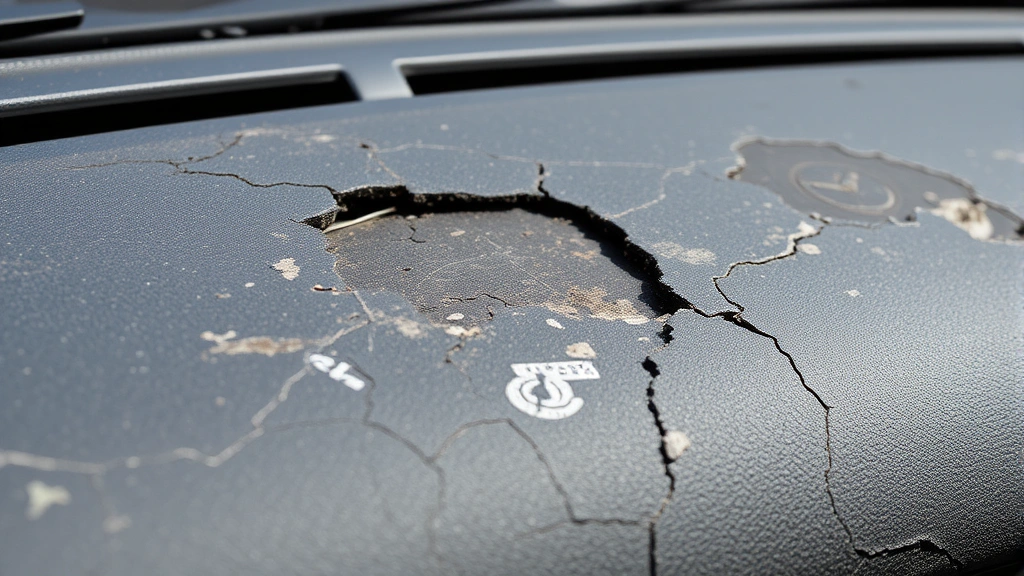
The damage manifests in multiple ways. Paint oxidation creates a dull, chalky appearance and exposes metal to corrosion. Leather seats develop cracks and lose their suppleness. Fabric upholstery fades and becomes brittle. Dashboard plastics warp, crack, and deteriorate. Window seals weaken, potentially allowing water infiltration. Interior temperature spikes can damage electronic components, affect battery performance, and create safety hazards for passengers, particularly children.
Statistics indicate that vehicles exposed to eight hours of daily sunlight experience accelerated aging equivalent to five years of normal use within a single year. Understanding this threat is the first step toward implementing effective auto sun protection strategies.
Window Tinting and Solar Control Films
Window tinting represents one of the most effective sun protection solutions for vehicles. Professional-grade window films block 99% of UV rays while reducing solar heat transmission by 60-80%. These films come in various darkness levels, from barely visible to dark tints, allowing customization based on climate, legal regulations, and personal preference.
Ceramic window tints offer superior performance compared to traditional dyed or metallic films. They contain ceramic nanoparticles that reject infrared radiation without interfering with electronic signals or GPS functionality. Ceramic films maintain clarity, resist fading, and provide consistent protection for 10+ years. Hybrid films combine dyed and metallic properties, offering balanced heat rejection and affordability.
Installation requires professional expertise to ensure proper application without bubbles, creases, or separation. Quality installations include edge sealing to prevent moisture infiltration. Many jurisdictions regulate tint darkness on front windows for safety reasons, so verify local laws before installation. When selecting a provider, consult reviews on the ScreenVibe Daily Blog for trusted automotive recommendations.
Beyond aesthetics, window tinting enhances privacy, reduces glare for safer driving, and decreases interior temperatures by 10-15 degrees Celsius. This cooling effect reduces air conditioning load, improving fuel efficiency and extending engine longevity.
Sunshades and Interior Protection
Sunshades provide portable, affordable sun protection without permanent installation. Windshield shades reflect sunlight before it enters the vehicle, reducing interior temperature by 10-20 degrees. Reflective shades with aluminum backing offer superior heat rejection compared to fabric varieties. Side window shades protect passengers and prevent dashboard fading.
Retractable sunshades offer convenience—deploy them when parking, retract them for driving. Suction cup mounting requires no tools. For maximum protection, use shades on windshield, side windows, and rear window. Some vehicles benefit from custom-fitted shades designed for specific models.
Interior protective measures extend beyond window coverage. Seat covers shield upholstery from UV exposure and physical wear. Breathable, reflective covers minimize heat absorption while protecting leather and fabric. Dashboard covers protect plastic from cracking and fading. Steering wheel covers prevent grip degradation and reduce heat transfer to hands.
UV-blocking window curtains or roller shades designed for vehicles provide permanent interior solutions. These can be installed in rear windows and side windows to create a comprehensive protective barrier. When combined with other strategies, interior protection layers significantly extend vehicle longevity.
Parking Strategies and Covered Storage
Strategic parking represents a cost-free yet highly effective sun protection method. When possible, park in shaded areas—beneath trees, covered structures, or buildings. Even partial shade reduces UV exposure and interior temperature spikes. Rotate parking locations to distribute sun exposure evenly across the vehicle.
Covered parking structures provide optimal protection. Carports shield vehicles from direct sunlight while allowing air circulation. Garage storage eliminates virtually all UV exposure and protects against weather damage. If garage space is unavailable, prioritize covered parking options when choosing residential or commercial facilities.
For extended sun exposure periods, portable car covers offer protection. High-quality covers feature reflective exteriors, breathable interiors (preventing moisture accumulation), and secure fasteners preventing wind displacement. Ensure covers fit properly to avoid scratching paint during installation and removal.
Time-based parking adjustments help minimize exposure. When possible, park vehicles in morning shade rather than afternoon sun exposure. Avoid leaving vehicles in direct sunlight during peak UV hours (10 AM to 4 PM). This simple behavioral adjustment, combined with covered parking when available, substantially reduces cumulative UV damage.
For vehicles stored long-term, covered storage facilities maintain climate control, protecting against temperature extremes and UV radiation. This option suits seasonal vehicles, collector cars, or vehicles undergoing repairs.
Paint Protection and Exterior Defense
Paint oxidation represents one of the most visible sun damage consequences. Clear coat layers deteriorate under UV exposure, exposing base paint to oxidation and corrosion. Paint protection films (PPF) create an invisible barrier against UV rays, bird droppings, tree sap, and minor impacts. Self-healing PPF technology automatically repairs minor scratches and swirl marks, maintaining appearance and protection.
Full-body PPF application provides comprehensive protection but involves significant cost. Strategic application to high-damage areas—hood, fenders, bumper, mirrors—offers cost-effective partial protection. Professional installation ensures seamless edges and optimal adhesion.
Ceramic coatings provide alternative paint protection. These liquid polymer coatings bond to paint, creating a hydrophobic, UV-resistant surface. Ceramic coatings last 2-5 years with proper maintenance, reducing oxidation and simplifying cleaning. Regular applications maintain protection levels.
Regular washing and waxing represent fundamental paint maintenance. Wash vehicles every two weeks to remove contaminants that accelerate UV damage. Apply quality automotive wax monthly to create a protective layer. Wax buffers UV rays, prevents oxidation, and maintains paint clarity. For detailed guidance on maintenance schedules, review comprehensive automotive resources.
Professional detailing services provide deep cleaning and protective treatments. Quarterly detailing removes accumulated contaminants, applies protective coatings, and addresses minor damage before it progresses. This preventive approach maintains paint condition and vehicle value.
Dashboard and Interior Preservation
Dashboard plastics suffer severe UV damage, cracking and warping under heat and radiation. Dashboard covers provide direct protection, blocking UV rays and reducing surface temperatures. Reflective covers offer superior heat rejection compared to standard fabric varieties.
Interior plastic conditioners slow degradation through UV-blocking compounds and moisturizing agents. Monthly application maintains plastic flexibility and prevents cracking. Quality conditioners create protective barriers without leaving greasy residue or attracting dust.
Steering wheel covers protect grip surfaces and reduce heat absorption. Leather covers provide comfort and durability, while breathable fabrics prevent moisture accumulation. Regular conditioning maintains leather suppleness and prevents cracking.
Floor mats protect carpeting from UV fading and wear. Rubber mats provide easy cleaning and durability, while fabric mats offer comfort. Replacing worn mats prevents moisture retention and maintains interior aesthetics.
Ventilation during parking prevents heat buildup that accelerates interior damage. Cracking windows slightly (where safe) allows air circulation. Ventilation shades designed for partially open windows provide security while enabling airflow. This simple measure reduces interior temperatures significantly and minimizes heat-related component damage.
Seasonal Maintenance for Sun Damage Prevention
Seasonal vehicle maintenance addresses sun damage prevention comprehensively. Spring maintenance should include UV protection assessment—inspect paint for oxidation, check window tint condition, and apply protective coatings. Summer requires aggressive protection: park in shade, use sunshades, maintain wax coating, and monitor interior temperature.
Fall maintenance addresses damage accumulated during peak UV months. Deep cleaning removes summer contaminants, protective coating reapplication restores UV barriers, and inspection identifies emerging damage. Winter storage preparation protects vehicles during months when covered parking becomes critical.
Regular inspections reveal early damage stages, enabling intervention before problems escalate. Check paint for oxidation, inspect upholstery for fading, examine plastic components for cracking, and assess window tint integrity. Early detection and treatment prevent costly repairs.
Documentation of maintenance and protective treatments supports vehicle value retention. Detailed records demonstrate care and protection investments to potential buyers. This documentation proves particularly valuable for vehicles with comprehensive PPF, ceramic coating, or window tint applications.
Professional detailing services should occur quarterly in high-UV environments and semi-annually in moderate climates. These services include deep cleaning, protective coating application, and damage assessment. Investment in professional maintenance pays dividends through extended vehicle longevity and preserved resale value.
For additional automotive protection strategies and comprehensive maintenance guidance, explore resources like Best Family Movies 2025 – Top Picks for Every Age for entertainment during vehicle maintenance downtime, or consult the Best Movie Review Sites – Your Ultimate Guide for relaxation between maintenance tasks.
Climate-specific protection strategies address regional sun exposure variations. Desert climates with intense UV radiation require aggressive protection: full window tinting, paint protection film, covered parking, and frequent maintenance. Tropical regions with high humidity combined with intense sun exposure need moisture-resistant protective coatings and ventilation strategies. Temperate climates benefit from moderate protection with seasonal intensification during peak UV months.
FAQ
What’s the best auto sun protection method?
Comprehensive protection combines multiple strategies: window tinting blocks 99% of UV rays, covered parking eliminates direct exposure, paint protection film shields exterior surfaces, and interior covers protect upholstery. The optimal approach depends on climate, budget, and vehicle usage patterns. Professional window tinting combined with covered parking provides excellent baseline protection.
How much does professional window tinting cost?
Professional ceramic window tinting typically costs $300-$800 depending on vehicle size, film quality, and regional pricing. While this represents significant initial investment, the protection and fuel efficiency benefits justify the expense. Quality installations last 10+ years, providing long-term value.
Can window tinting reduce interior temperatures?
Yes, quality window tinting reduces interior temperatures by 10-15 degrees Celsius by blocking infrared radiation. This cooling effect reduces air conditioning load, improving fuel efficiency by 3-5%. Temperature reduction also protects electronic components and reduces heat-related damage to interior materials.
Are sunshades legal everywhere?
Sunshade legality varies by jurisdiction. Most areas allow sunshades on rear and side windows but restrict front windshield coverage for safety reasons. Verify local regulations before installation. Professional installers typically understand regional restrictions and can guide appropriate application.
How often should I apply protective wax?
Apply automotive wax monthly for optimal UV protection and paint preservation. Monthly application maintains consistent protective barriers against UV rays and contaminants. Some high-quality waxes provide 2-3 month protection, extending intervals between applications while maintaining adequate protection.
What’s the difference between ceramic tinting and traditional tinting?
Ceramic tinting uses nanoparticles for superior infrared rejection (60-80% solar heat reduction) without interfering with electronics. Traditional dyed films absorb heat, potentially affecting electronic signals. Ceramic films maintain clarity, resist fading, and provide longer-lasting protection (10+ years vs. 5-7 years for traditional films).
Does paint protection film affect vehicle appearance?
Quality paint protection film is virtually invisible, maintaining original paint appearance while providing UV and damage protection. Professional installation ensures seamless edges and optimal clarity. Self-healing PPF technology automatically repairs minor scratches, maintaining pristine appearance indefinitely.
Can I apply UV protection treatments myself?
While consumer-grade protective products exist, professional application ensures optimal protection and longevity. Window tinting, paint protection film, and ceramic coatings require specialized tools and expertise. Professional installation provides warranties and guarantees results, justifying service costs.


