Audi Guard Protection: Is It Worth the Investment?
Vehicle protection has evolved significantly over the past decade, with manufacturers and aftermarket providers offering comprehensive solutions to safeguard automotive investments. Audi Guard Protection represents one of the premium offerings in this space, designed to shield vehicles from physical damage, environmental hazards, and potential security threats. As cyber vulnerabilities increasingly affect modern vehicles, understanding whether this protection kit justifies its cost requires examining both traditional and digital security aspects.
Modern Audi vehicles integrate sophisticated technology systems that require multi-layered protection strategies. The Audi Guard Protection kit combines physical safeguards with digital security considerations, addressing concerns that extend beyond conventional paint protection and dent resistance. This comprehensive analysis explores whether the investment aligns with your vehicle security needs and budget constraints.
Understanding Audi Guard Protection Components
The Audi Guard Protection kit encompasses multiple layers of vehicle defense, combining factory-backed solutions with professional installation standards. This protection system addresses several vulnerability categories that Audi owners face, from environmental degradation to potential security breaches. Understanding each component helps determine whether the comprehensive package suits your specific requirements.
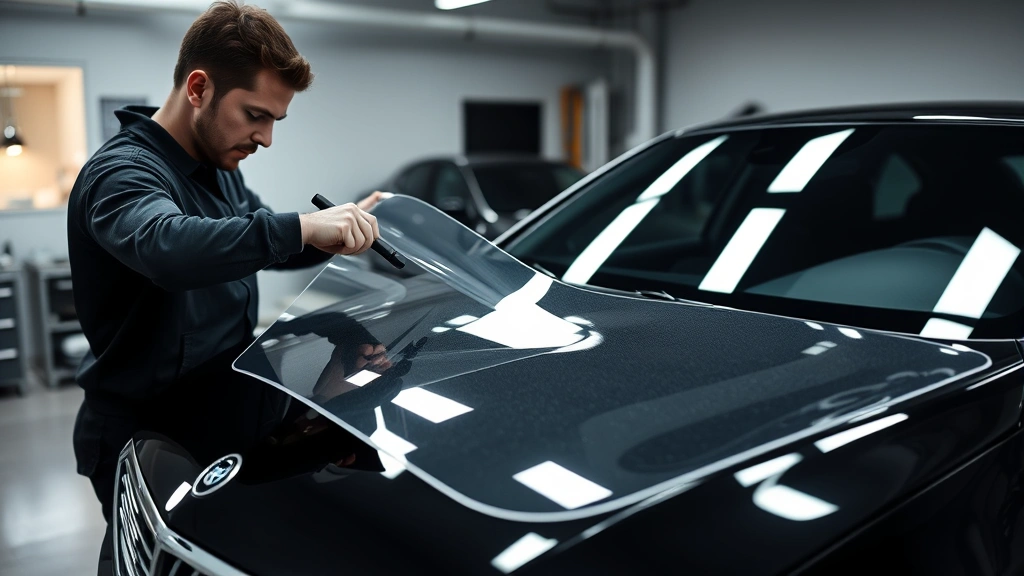
Paint protection film (PPF) represents the primary physical component, offering transparent urethane barriers against rock chips, road debris, and minor abrasion damage. Professional-grade PPF typically provides self-healing properties, where minor scratches disappear through heat exposure. The Audi Guard variant includes premium formulations designed specifically for Audi’s factory paint finishes, ensuring color-matching accuracy and aesthetic preservation.
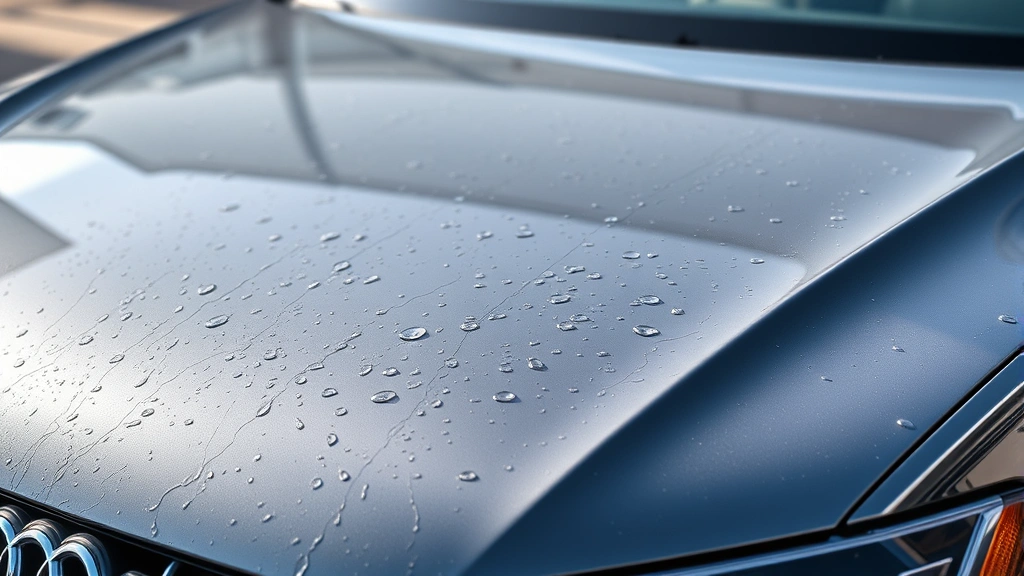
Ceramic coating applications provide additional surface protection, creating hydrophobic barriers that repel water, bird droppings, tree sap, and harsh chemicals. These coatings bond at a molecular level with clear coat layers, offering durability spanning multiple years when properly maintained. Audi Guard Protection typically includes multi-layer ceramic applications specifically engineered for automotive finishes.
Interior protection components address upholstery vulnerabilities through advanced fabric and leather treatments. These applications create stain-resistant barriers while maintaining material breathability and tactile qualities. Professional application ensures even coverage without altering interior aesthetics or functionality.
Undercarriage protection uses corrosion-resistant coatings to defend against salt exposure, moisture accumulation, and road salt damage. This proves particularly valuable for vehicles in regions experiencing harsh winters or coastal environments where corrosive elements accelerate deterioration. The Audi Guard formulation includes rust inhibitors specifically formulated for modern vehicle materials.
Physical Protection Features Explained
Physical protection mechanisms within the Audi Guard system provide tangible defense against environmental and mechanical damage. These features work synergistically to preserve vehicle condition and maintain resale value across ownership periods.
Paint Protection Film Technology
Advanced PPF formulations in the Audi Guard kit utilize polyurethane substrates with self-healing capabilities. When exposed to heat sources (sunlight, warm water, or professional heat guns), microscopic scratches and swirl marks disappear as the material’s polymeric structure realigns. This self-healing property extends protection longevity and maintains aesthetic clarity without intervention.
The film’s optical clarity ensures no visual distortion or yellowing occurs over extended periods. Premium variants resist UV radiation that typically causes discoloration in standard protective films. Audi Guard Protection includes edge-sealing technologies that prevent moisture penetration at film boundaries, eliminating potential adhesion failures.
Ceramic Coating Protection
Ceramic coatings create silicon dioxide-based protective layers that harden to extreme durability levels. These coatings provide superior water beading, making water sheet off vehicle surfaces rather than pooling and causing spotting. The hydrophobic properties also reduce washing frequency requirements and simplify maintenance routines.
Chemical resistance properties protect against etching from environmental contaminants, acid rain, and industrial fallout. The coating’s hardness rating (typically 9H on the Mohs scale) provides scratch resistance superior to standard clear coats while maintaining original paint appearance and color depth.
Interior Fabric and Leather Protection
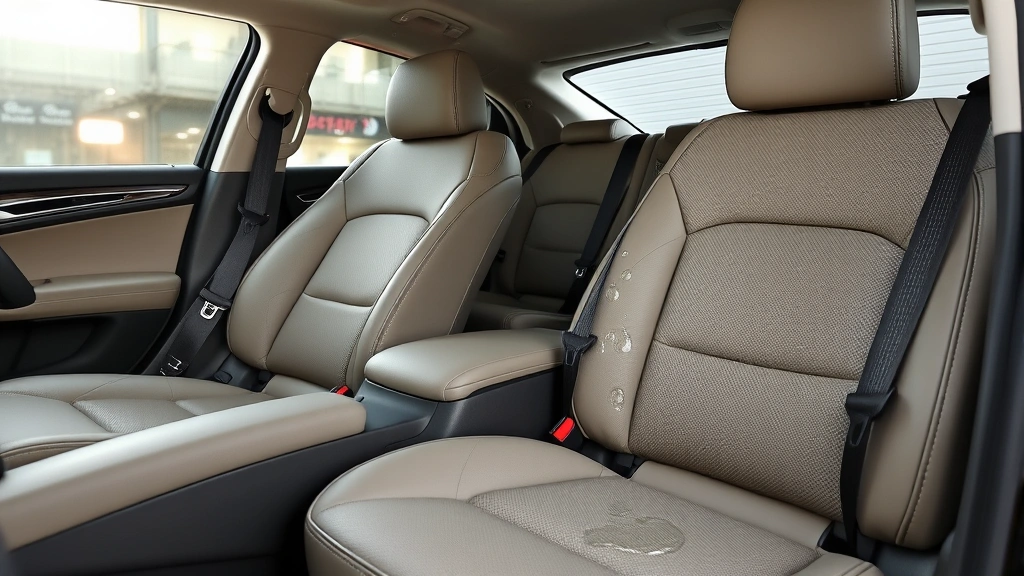
Professional-grade fabric protectants create invisible barriers against liquid penetration and staining. These treatments maintain material breathability, preventing moisture accumulation that promotes mildew and odor development. The protection layer remains flexible, ensuring no alteration to seating comfort or tactile qualities.
Leather protection treatments condition material while creating protective barriers against spill absorption. These applications include UV inhibitors that prevent leather fading and cracking, preserving color vibrancy throughout vehicle ownership. The treatments remain transparent, maintaining leather’s natural appearance and patina development.
Digital Security Integration
Modern Audi vehicles contain sophisticated infotainment and connectivity systems that require cybersecurity consideration. The Audi Guard Protection approach increasingly incorporates digital security awareness, recognizing that vehicle protection extends beyond physical safeguards.
Connected vehicle systems transmit data through cellular and wireless networks, creating potential vulnerability pathways. Understanding these digital exposure points helps contextualize comprehensive protection strategies. While the Audi Guard kit focuses primarily on physical protection, vehicle owners should implement complementary digital security measures.
Modern vehicles like Audi models utilize CAN (Controller Area Network) bus systems that manage communication between vehicle components. These systems require protection against unauthorized access and malicious code injection. Audi’s factory security measures include encrypted key systems and secure boot protocols, though additional security awareness remains beneficial.
Over-the-air (OTA) update capabilities in current Audi vehicles present both advantages and security considerations. Regular software updates patch identified vulnerabilities, but vehicle owners should maintain awareness of update timing and security protocols. Following CISA automotive cybersecurity guidelines provides framework understanding for connected vehicle security.
Infotainment system access points warrant consideration, particularly regarding Bluetooth connectivity, USB port usage, and mobile integration features. Implementing basic cybersecurity practices—avoiding untrusted USB connections, maintaining password security, and limiting app permissions—provides foundational digital protection complementing physical Audi Guard components.
Cost-Benefit Analysis
Investment justification for the Audi Guard Protection kit requires careful financial analysis comparing protection costs against potential damage expenses and resale value preservation.
Audi Guard Protection Costs
Comprehensive Audi Guard Protection kits typically range from $2,500 to $6,000 depending on vehicle model, paint complexity, and coverage scope. Full-body PPF applications represent the largest cost component, while ceramic coating, interior protection, and undercarriage treatment add incremental expenses. Professional installation ensures proper application, though this adds 15-25% to material costs.
Maintenance costs follow initial investment, including periodic ceramic coating reapplication (typically every 2-3 years) and protective film inspection. Annual detailing costs may decrease due to protection layer benefits, offsetting some maintenance expenses through reduced washing frequency requirements.
Damage Prevention Value
Vehicle owners without protection face significant repair costs from common damage scenarios. Paint chip repairs typically cost $150-$400 per incident, while more extensive damage from road debris can exceed $1,000 in restoration costs. A single serious damage event often justifies the Audi Guard investment, particularly for high-value Audi models.
Resale value preservation represents substantial long-term benefit. Vehicles maintaining pristine paint conditions command premium resale prices, with protected vehicles sometimes appreciating $3,000-$8,000 higher than unprotected counterparts. This value differential frequently exceeds Audi Guard Protection investment costs over typical ownership periods.
Insurance premium interactions warrant consideration. Some insurers offer modest discounts for comprehensive vehicle protection systems, potentially reducing annual costs by $100-$300. Consulting your insurance provider regarding specific Audi Guard benefits ensures optimized coverage alignment.
Comparative Cost Scenarios
For vehicles kept 5+ years, Audi Guard Protection typically provides positive return on investment through damage prevention and resale value enhancement. Shorter ownership periods may present less compelling financial justification unless vehicle condition preservation directly impacts sale timing or pricing.
High-mileage drivers in harsh environments (salt-heavy regions, urban areas with significant road debris) experience greater protection value than low-mileage owners in temperate climates. Customized protection approaches—prioritizing high-damage-risk areas rather than complete coverage—may optimize cost-benefit ratios for specific ownership scenarios.
Comparison with Alternative Solutions
Multiple vehicle protection approaches exist beyond comprehensive Audi Guard Protection kits. Understanding alternatives helps determine optimal protection strategies for individual circumstances.
Aftermarket Protection Films
Third-party PPF options offer varying quality levels and price points, typically ranging $1,500-$4,000 for full-body applications. While cost-effective alternatives exist, quality variance significantly impacts durability and self-healing performance. Budget-grade films may yellow or fail prematurely, necessitating costly replacement.
Audi Guard Protection benefits from manufacturer backing and factory integration coordination, ensuring compatibility with vehicle-specific design elements. Factory-coordinated protection often provides superior results compared to generic aftermarket solutions, particularly regarding edge finishing and seam protection.
DIY Protection Approaches
Some vehicle owners implement partial protection strategies, applying PPF only to high-risk areas (hood, fenders, bumper regions) rather than comprehensive coverage. This approach reduces costs to $800-$1,500 while providing targeted protection for damage-prone surfaces. However, incomplete protection leaves significant surface areas vulnerable to damage.
Ceramic coating DIY applications exist, though professional application typically delivers superior results through controlled environmental conditions and expert technique. Consumer-grade ceramic products often underperform professional formulations, providing shorter durability and inconsistent protection quality.
Insurance-Based Protection
Comprehensive and collision insurance provides financial recovery for damage incidents, though this approach involves deductibles, premium increases, and claims complexity. Insurance protects against catastrophic damage but doesn’t prevent deterioration from environmental factors or minor damage accumulation.
Gap insurance and extended warranty programs offer supplementary protection but address financial rather than physical vehicle preservation. These financial tools complement but don’t replace physical protection like Audi Guard systems.
Long-Term Value Assessment
Evaluating Audi Guard Protection requires projecting value across extended ownership periods, accounting for maintenance costs, protection effectiveness, and resale implications.
5-Year Ownership Scenario
For typical 5-year ownership periods, Audi Guard Protection investment ($3,000-$5,000 initial cost) against potential damage ($2,000-$8,000 range) and resale value enhancement ($4,000-$6,000 premium) generally justifies the investment. Maintenance costs during this period ($500-$1,000) remain modest relative to protection benefits.
Vehicles maintained with comprehensive protection typically show significantly better condition at sale time, attracting premium pricing and expanding buyer pools. Protected vehicles often sell faster due to demonstrable care history and pristine condition documentation.
10-Year Plus Ownership
Extended ownership periods amplify Audi Guard Protection value through cumulative damage prevention. Vehicles protected from environmental degradation, UV exposure, and mechanical damage maintain better overall condition, supporting higher resale values or superior trade-in offers.
Long-term ownership also enables proper maintenance routines that sustain protection effectiveness. Periodic ceramic coating reapplication and protective film inspection ensure sustained benefits across ownership duration.
Resale and Trade-In Implications
Dealerships and private buyers increasingly recognize and value comprehensive vehicle protection. Documentation of professional Audi Guard Protection application significantly enhances perceived vehicle value, often justifying 5-10% resale price premiums. This recognition particularly benefits high-value Audi models where protection documentation proves substantial value.
Trade-in evaluations frequently acknowledge protection systems, with some dealers offering modest premiums for verifiable comprehensive protection. While trade-in premiums may not equal full Audi Guard investment, combined with damage prevention benefits, overall value proposition remains favorable.
Maintenance Requirements
Proper Audi Guard Protection maintenance involves regular washing with gentle techniques, periodic ceramic coating inspection, and professional reapplication every 2-3 years. Annual detailing optimizes protection layer effectiveness and identifies potential issues requiring attention.
Protective film inspection should include edge assessment, adhesion verification, and damage evaluation. Professional inspections identify minor issues before they escalate into significant problems, preserving long-term protection effectiveness.
Vehicle owners should avoid aggressive washing techniques, abrasive compounds, and harsh chemicals that compromise protection layers. Following manufacturer maintenance guidelines ensures protection system longevity and sustained effectiveness.
FAQ
What specific damage does Audi Guard Protection prevent?
Audi Guard Protection primarily prevents paint chip damage from road debris, rock impacts, and minor abrasion. The ceramic coating component protects against environmental contaminants, acid rain, bird droppings, and tree sap. Interior treatments prevent staining and liquid damage to upholstery and leather. While comprehensive, protection doesn’t prevent major collision damage or mechanical failures.
How long does Audi Guard Protection last?
Paint protection film typically lasts 5-10 years with proper maintenance, while ceramic coatings require reapplication every 2-3 years for optimal effectiveness. Interior protection treatments last 3-5 years depending on usage intensity. Undercarriage protection duration varies by climate and environmental exposure, typically lasting 3-7 years.
Can Audi Guard Protection be removed without damaging paint?
Professional removal of Audi Guard Protection components—particularly PPF—can be accomplished without paint damage when performed by experienced technicians. Removal requires careful application of heat and specialized tools to lift film without adhesive residue transfer. Professional removal costs typically range $500-$1,500 depending on coverage area.
Does Audi Guard Protection affect vehicle warranty?
Factory-authorized Audi Guard Protection installations typically don’t void vehicle warranties. Audi’s warranty coverage generally remains intact for components not directly affected by protection system installation. However, confirming specific warranty implications with your Audi dealership ensures complete understanding of coverage relationships.
Is Audi Guard Protection worth it for leased vehicles?
Leased vehicle protection presents different value propositions than owned vehicles. While protection reduces lease-end damage charges and associated fees, the investment may not justify itself across typically shorter lease periods (2-3 years). Consulting lease agreements regarding damage coverage and wear expectations helps determine protection necessity.
How does Audi Guard Protection compare to extended warranties?
Audi Guard Protection and extended warranties serve different purposes. Protection prevents damage through physical barriers, while warranties provide financial recovery if damage occurs. Combined approaches—implementing both protection and extended coverage—provide comprehensive security addressing both prevention and recovery scenarios.
What maintenance do Audi Guard Protection systems require?
Proper maintenance involves regular washing with pH-neutral soaps, avoiding automatic car washes with harsh brushes, and periodic professional detailing. Ceramic coating requires reapplication every 2-3 years, while protective film inspection should occur annually. Interior protection benefits from regular vacuuming and appropriate cleaning products designed for protected surfaces.


