
Athena Protection: Your Shield Against Cyber Threats
In an era where digital threats evolve faster than traditional defenses can adapt, Athena Protection emerges as a comprehensive cybersecurity solution designed to safeguard your digital assets from sophisticated attacks. Named after the Greek goddess of wisdom and strategic warfare, Athena Protection combines intelligent threat detection, real-time response capabilities, and proactive defense mechanisms to create a multi-layered security architecture that protects individuals and organizations alike.
The modern threat landscape demands more than basic firewalls and antivirus software. Cybercriminals employ advanced techniques including zero-day exploits, ransomware campaigns, and sophisticated phishing operations that traditional security tools often fail to detect. Athena Protection addresses these challenges through artificial intelligence-driven threat analysis, behavioral monitoring, and integrated incident response protocols that work seamlessly across your entire digital infrastructure.
Whether you’re concerned about protecting sensitive business data, maintaining customer trust, or securing personal information, understanding Athena Protection’s capabilities and implementation strategies is essential for maintaining robust cybersecurity posture in today’s threat-rich environment.
Understanding Athena Protection Framework
Athena Protection represents a paradigm shift in cybersecurity approach, moving beyond reactive threat response toward predictive and preventive security measures. The framework operates on the principle that modern threats require intelligent, adaptive defenses capable of learning from emerging attack patterns and adjusting protection strategies in real-time.
The architecture comprises several interconnected components working in harmony. At its foundation lies comprehensive network monitoring that captures and analyzes traffic patterns, identifying anomalies that indicate potential security breaches. This continuous surveillance operates silently in the background, requiring minimal computational overhead while maintaining vigilant threat detection across all network segments.
Athena Protection integrates machine learning algorithms that continuously evolve based on newly discovered threats and attack methodologies. Unlike static security rules that become obsolete as attackers develop workarounds, machine learning-based systems adapt automatically, recognizing new threat variants without requiring manual rule updates. This adaptive capability is crucial for defending against zero-day exploits and novel attack vectors that haven’t been previously documented.
The framework emphasizes defense-in-depth strategy, implementing multiple security layers that work collaboratively. If one layer is compromised, additional protective mechanisms activate automatically, preventing threat propagation and limiting damage scope. This redundancy is critical for maintaining security integrity when facing sophisticated, multi-stage attacks.
Core Defense Mechanisms
Athena Protection’s effectiveness stems from its sophisticated defense mechanisms that address various attack vectors simultaneously. Understanding these core components helps organizations appreciate the comprehensive protection offered by this security framework.
Advanced Threat Prevention: The system employs behavioral analysis to identify malicious activities before they cause damage. Rather than relying solely on signature-based detection that requires known malware samples, behavioral analysis examines how programs and processes behave, identifying suspicious activities regardless of whether they match known threat signatures. This approach catches zero-day exploits and polymorphic malware that traditional antivirus solutions miss.
Network Segmentation and Access Control: Athena Protection implements granular access controls that ensure users only access resources necessary for their roles. Network segmentation isolates critical systems from general-purpose networks, preventing lateral movement if attackers breach perimeter defenses. This containment strategy significantly reduces potential damage from successful intrusions.
Encryption and Data Protection: All sensitive data receives encryption both in transit and at rest. Athena Protection manages encryption key lifecycle, ensuring cryptographic materials remain secure and properly rotated. This prevents attackers from accessing sensitive information even if they successfully breach storage systems or intercept network communications.
Identity and Access Management: Strong authentication mechanisms including multi-factor authentication protect user accounts from unauthorized access. Athena Protection monitors authentication patterns, detecting suspicious login attempts from unusual locations or at unusual times. Compromised credentials represent a significant attack vector; robust identity controls minimize this risk substantially.
Threat Detection and Response
Detecting threats quickly is only half the battle; effective response mechanisms must activate immediately upon threat confirmation. Athena Protection excels in both detection speed and response coordination.
The system continuously monitors system behavior, network traffic, and user activities, establishing baseline patterns for normal operations. When activities deviate significantly from established baselines, the system flags potential security incidents for investigation. This anomaly detection catches attacks that might escape signature-based detection systems.
Real-Time Threat Intelligence Integration: Athena Protection connects to global threat intelligence networks, receiving updates about emerging threats, newly discovered vulnerabilities, and active attack campaigns. This real-time information sharing enables organizations to defend against known threats before attackers can exploit them locally. Organizations benefit from collective security knowledge across entire threat intelligence communities.
When threats are detected, Athena Protection initiates automated response procedures. Suspicious processes are isolated, network connections are severed, and security teams receive detailed alerts with context necessary for rapid investigation. This automation reduces response time from hours to seconds, minimizing breach impact and damage scope.
The incident response capabilities include forensic data collection that preserves evidence for post-incident analysis. Understanding how attackers breached systems, what data they accessed, and how long they remained undetected informs security improvements and helps prevent similar incidents in the future. This investigative capability supports both regulatory compliance requirements and organizational learning.

Implementation Best Practices
Deploying Athena Protection effectively requires careful planning and strategic implementation. Organizations should follow established best practices to maximize protection effectiveness while minimizing operational disruption.
Assessment and Planning Phase: Begin by conducting comprehensive security assessments identifying current vulnerabilities, existing security gaps, and specific organizational risks. This baseline assessment informs Athena Protection configuration, ensuring the system addresses your organization’s most critical threats. Involve stakeholders from IT operations, security teams, and business units to ensure comprehensive understanding of protection requirements.
Phased Deployment Strategy: Rather than deploying across entire infrastructure simultaneously, implement Athena Protection in phases. Start with critical systems, validate functionality, and gradually expand protection coverage. This approach allows security teams to manage change effectively, troubleshoot issues before they affect production systems, and optimize configurations based on real-world performance data.
Staff Training and Awareness: Athena Protection’s effectiveness depends partly on user behavior. Security awareness training helps employees recognize phishing attempts, social engineering tactics, and suspicious activities. When users understand security risks and follow security protocols, they become force multipliers for your protection strategy rather than vulnerability vectors.
Continuous Monitoring and Optimization: After deployment, continuously monitor system performance, threat detection accuracy, and incident response effectiveness. Regular reviews identify optimization opportunities, ensuring Athena Protection remains finely tuned for your specific environment. Security threats evolve constantly; your protection strategy must evolve accordingly.
Organizations should also establish clear incident response procedures outlining roles, responsibilities, and escalation paths. When security incidents occur, knowing exactly how to respond minimizes chaos and ensures coordinated action. Regular incident response drills test procedures and identify gaps before actual incidents require flawless execution.
Integration with Existing Security
Most organizations have existing security infrastructure including firewalls, intrusion detection systems, and endpoint protection solutions. Athena Protection integrates seamlessly with these established systems, enhancing overall security posture rather than requiring complete infrastructure replacement.
Compatibility and Interoperability: Athena Protection supports industry-standard security protocols and interfaces, enabling communication with diverse security tools. This compatibility ensures your existing security investments remain valuable while gaining Athena Protection’s advanced capabilities. Integration occurs through standardized APIs and security information and event management (SIEM) platforms that aggregate data from multiple sources.
When integrated with SIEM systems, Athena Protection contributes threat data that correlates with information from other security tools. This correlation reveals attack patterns that individual tools might miss. For example, a single failed login attempt is unremarkable, but failed login attempts across multiple accounts from the same source suggests credential stuffing attacks. SIEM correlation identifies these sophisticated attack patterns.
Visit our ScreenVibe Daily Blog for more perspectives on digital security and protection strategies. For those exploring broader security topics, our Best Movies on Netflix section occasionally features security-themed content that illustrates real-world threat scenarios.
Data Sharing and Visibility: Integrated security systems share threat data, providing complete visibility across your entire security infrastructure. When one system detects suspicious activity, this information becomes available to other protective systems, enabling coordinated defense. This unified visibility prevents security gaps where attackers might exploit blind spots between disconnected security tools.
Advanced Features and Capabilities
Beyond core protection mechanisms, Athena Protection includes advanced features addressing sophisticated threats and emerging attack methodologies.
Ransomware Prevention and Recovery: Ransomware attacks have become increasingly sophisticated, with attackers targeting high-value data and demanding substantial ransom payments. Athena Protection detects ransomware behavior patterns, identifying encryption activities that suggest ransomware attacks. Automated responses isolate affected systems, preventing ransomware propagation while backup systems enable rapid recovery without paying attackers.
Advanced Persistent Threat Detection: APT groups employ sophisticated techniques to maintain long-term access to target networks, exfiltrating sensitive data over extended periods. Athena Protection’s behavioral analysis identifies the subtle indicators of APT activity that signature-based systems miss. Patient threat hunters can investigate detected anomalies, identifying and removing APT implants before extensive damage occurs.
Supply Chain Security: Modern attacks often target organizations through their supply chains, compromising vendors or partners to gain access to primary targets. Athena Protection monitors third-party connections and vendor activities, identifying suspicious behavior that suggests supply chain compromises. This extended protection addresses threats originating from trusted partners.
Compliance and Regulatory Support: Athena Protection generates comprehensive audit logs and compliance reports supporting regulatory requirements including GDPR, HIPAA, PCI-DSS, and SOC 2 compliance frameworks. Automated compliance reporting reduces administrative burden while ensuring organizations meet regulatory obligations. These reports demonstrate security controls to regulators, customers, and stakeholders.
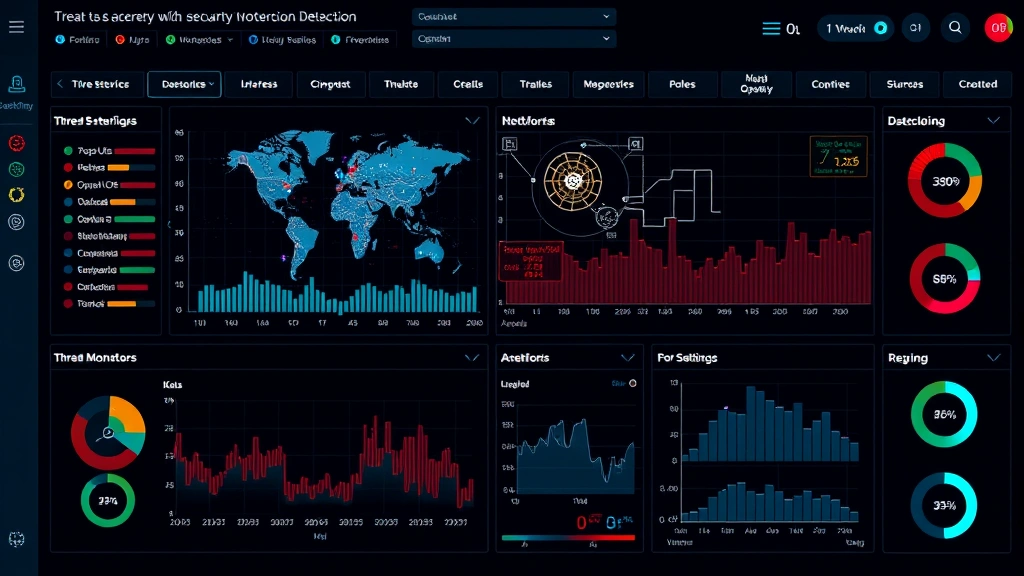
Threat Intelligence and Reporting: Athena Protection provides detailed threat intelligence reports identifying attack trends, emerging threats, and risk patterns specific to your organization. These insights inform strategic security decisions and help prioritize protection investments. Understanding your threat landscape enables more effective resource allocation and risk management.
For additional insights on security and protection strategies, explore our 123 Movies section and How to Become a Film Critic resources that occasionally address security themes in media narratives. Organizations seeking comprehensive security information should also consult CISA (Cybersecurity and Infrastructure Security Agency) for authoritative guidance on threat mitigation and security best practices.
For deeper technical understanding of security frameworks, refer to NIST SP 800-53 Security and Privacy Controls, which provides comprehensive security control guidance applicable across organizational contexts. Additionally, SANS Institute offers advanced security training and research on emerging threats and defense methodologies.
Organizations implementing Athena Protection should also maintain awareness of current threat intelligence through sources like Dark Reading, which publishes breaking cybersecurity news and threat analysis from security researchers worldwide.
FAQ
What makes Athena Protection different from traditional antivirus software?
Traditional antivirus relies on signature-based detection, recognizing known malware by its digital fingerprint. Athena Protection employs behavioral analysis and machine learning, identifying unknown threats by recognizing suspicious activities regardless of whether they match known signatures. This approach catches zero-day exploits and novel attack variants that signature-based systems miss entirely.
How does Athena Protection handle false positives?
False positives occur when security systems flag legitimate activities as threats. Athena Protection minimizes false positives through sophisticated machine learning models trained on extensive datasets distinguishing legitimate from malicious behavior. When alerts do occur, detailed context helps security analysts quickly determine whether activities represent genuine threats. Continuous tuning based on feedback improves accuracy over time.
Can Athena Protection protect remote and hybrid workforces?
Absolutely. Modern threats don’t respect office boundaries; attackers target remote workers aggressively. Athena Protection protects endpoints regardless of location, securing remote workers’ devices and their connections to organizational resources. VPN integration, endpoint isolation, and encrypted communications ensure remote workers maintain security while working flexibly.
What’s the performance impact of running Athena Protection?
Athena Protection is engineered for minimal performance impact through efficient algorithms and optimized resource utilization. Most users experience negligible performance degradation while gaining comprehensive threat protection. Organizations should conduct performance testing in their specific environments to validate impact, but modern implementations typically consume minimal CPU and memory resources.
How quickly does Athena Protection respond to detected threats?
Response occurs in seconds once threats are confirmed. Automated isolation procedures immediately disconnect affected systems from networks, preventing threat propagation. Security teams receive detailed alerts enabling rapid investigation and manual response if needed. This speed is crucial for minimizing breach impact and limiting attacker access duration.
Does Athena Protection require significant IT staff resources?
While implementation requires planning and initial configuration, Athena Protection is designed for operational efficiency. Automated threat response reduces daily security operations burden, allowing smaller IT teams to manage comprehensive protection. Detailed dashboards and reporting features help security staff quickly understand security posture and identify priority concerns.


