
Fall protection represents one of the most critical safety concerns in occupational health and safety, with thousands of workers injured or killed annually due to falls from heights. The Occupational Safety and Health Administration (OSHA) has established comprehensive guidelines and standards to protect workers across various industries. Understanding at what height fall protection is required is fundamental for employers, safety managers, and workers themselves to maintain compliance and prevent catastrophic injuries.
Falls consistently rank among the leading causes of unintentional injury deaths in the workplace. Whether workers are on construction sites, roofs, scaffolding, or elevated platforms, the risks are substantial and well-documented. OSHA’s fall protection standards provide a framework designed to minimize these risks through proper equipment, training, and hazard assessment. This comprehensive guide explains the height thresholds, requirements, and best practices that govern fall protection in the workplace.
OSHA Fall Protection Height Requirements
The foundational answer to the question of fall protection height requirements depends on the industry and specific work environment. For general industry, OSHA requires fall protection when workers are exposed to falling six feet or more to a lower level. This six-foot threshold is the standard baseline established under OSHA regulations and standards. However, this is not a universal one-size-fits-all rule, as variations exist based on industry classification, employer policies, and specific hazard assessments.
OSHA’s approach to fall protection emphasizes a hierarchy of controls. The preferred method is elimination or modification of the hazard itself, followed by engineering controls like guardrails and safety nets. When these cannot be implemented, personal protective equipment such as harnesses and lanyards becomes necessary. The height requirement serves as a trigger point—once workers exceed that threshold, employers must implement appropriate fall protection measures to comply with federal regulations.
It’s important to note that some employers implement more stringent requirements than OSHA mandates. Many companies use a four-foot threshold for general industry work, recognizing that serious injuries can occur at heights lower than six feet, particularly depending on the surface below and the nature of the fall. This demonstrates a commitment to worker safety beyond minimum regulatory requirements.
General Industry Standards and Thresholds
In general industry settings, OSHA Standard 1910.1200 and related regulations establish that employers must provide fall protection for employees working at heights of six feet or more above a lower level. This standard applies to manufacturing facilities, warehouses, distribution centers, and other non-construction work environments where elevated work is performed.
The regulation requires employers to select and implement fall protection systems appropriate to the specific workplace conditions. When workers are six feet above a lower level, one of the following must be in place:
- Guardrail systems with proper dimensions and load capacity
- Safety net systems designed to catch falling workers
- Warning line systems combined with safety net systems or warning signs
- Personal fall arrest systems including harnesses, lanyards, and anchor points
- Safety sheet systems in specific applications
- Fall arrest systems using drop lines with proper rigging
Employers must also conduct a comprehensive fall hazard assessment to identify all areas where workers might be exposed to falls. This assessment should document the height of the hazard, the potential consequences of a fall, and the selected fall protection method. The assessment must be documented and made available to workers and their representatives.
For work on elevated surfaces like catwalks, platforms, and mezzanines, the same six-foot rule applies. However, employers should consider that fall protection requirements may differ based on whether the work is permanent or temporary, and whether the surface has guardrails or other protective features already in place.
Construction Industry Fall Protection Rules
Construction work involves unique fall hazards and distinct OSHA requirements. The construction industry standard, found in OSHA’s construction standards, establishes that fall protection is required at heights of six feet or more. However, construction sites often present more complex scenarios involving roofs, scaffolding, ladders, and temporary structures.
For construction workers, OSHA mandates fall protection when working on:
- Roofs at heights of six feet or more
- Scaffolding and elevated platforms
- Ladders leading to heights exceeding six feet
- Holes and openings in walking surfaces
- Ramps and walkways elevated above ground level
- Steep roofs with pitches of 4:12 or greater
Construction employers must develop a comprehensive fall protection plan that addresses the specific hazards of each project. This plan should identify all potential fall hazards, specify the fall protection systems to be used, and establish procedures for inspection and maintenance of equipment. The plan must be site-specific and regularly reviewed as work conditions change.
Roofing work presents particular challenges in construction. For roofs with slopes of 4:12 (4 inches of vertical rise per 12 inches of horizontal run) or steeper, fall protection is mandatory when workers are within six feet of an unprotected edge. This might include personal fall arrest systems, safety nets, warning lines combined with safety monitors, or roof brackets and warning signs.
Types of Fall Protection Systems
Understanding the different fall protection systems available helps employers select the most appropriate solution for their specific workplace conditions. Each system has advantages, limitations, and proper application scenarios.
Guardrail Systems represent the preferred engineering control for fall protection. These passive systems prevent workers from falling without requiring individual action or training. Guardrails must have a top rail at 42 inches (plus or minus 3 inches) above the walking surface, a mid-rail at approximately 21 inches, and withstand a force of 200 pounds applied at any point along the top rail. They should extend along all unprotected edges and openings where workers might fall.
Safety Net Systems catch falling workers and are commonly used in construction when other methods are impractical. Safety nets must be installed with sufficient clearance below to prevent workers from striking lower surfaces, typically extending eight feet below the walking surface. The mesh size must be small enough to prevent a worker’s body from passing through, and nets require regular inspection and maintenance.
Personal Fall Arrest Systems (PFAS) are perhaps the most commonly used fall protection method, particularly in construction and maintenance work. A complete PFAS includes an anchorage point, connectors, and a body harness. The system must limit free fall distance to six feet or less and must not impose a force exceeding 1,800 pounds on a worker’s body during arrest.
Proper harness selection and fitting is critical for PFAS effectiveness. Workers must be trained on how to don and doff harnesses correctly, inspect equipment for damage, and understand the limitations of the system. Harnesses should be comfortable to encourage consistent use and should distribute fall forces across the upper thighs and torso rather than concentrating force on the neck or abdomen.
Warning Line Systems consist of ropes or cables installed to warn workers of fall hazards. These systems must be at least 30 inches and no more than 39 inches above the walking surface and are typically used in combination with safety monitors or other protective measures. Warning lines alone do not prevent falls; they must be supplemented with additional controls.
Training and Compliance Responsibilities
Effective fall protection requires comprehensive training for all workers exposed to fall hazards. OSHA mandates that employers provide training on the recognition of fall hazards and proper procedures to minimize them. This training must be documented and repeated whenever changes in the workplace render previous training obsolete.
Workers must understand:
- The specific fall hazards present in their work environment
- The proper use and limitations of fall protection equipment
- Correct donning and inspection procedures for harnesses and connectors
- Anchor point identification and load capacity verification
- Emergency rescue procedures in case of a fall arrest
- Maintenance schedules and equipment replacement requirements
Employers bear responsibility for selecting appropriate fall protection systems, maintaining equipment in safe working condition, and ensuring workers receive proper training. Supervisors must monitor work areas to verify compliance with fall protection requirements and address violations immediately. Regular audits and inspections help identify gaps in implementation and training.
Workers also have responsibilities under the OSHA worker rights framework. They must use fall protection equipment as provided and trained, report hazards to supervisors, and participate in safety training programs. Workers can request OSHA inspections if they believe their employer is not maintaining safe working conditions.
Common Violations and Penalties
Fall protection violations represent one of the most frequently cited OSHA violations across industries. Common violations include failure to provide fall protection where required, improper installation or maintenance of fall protection systems, and inadequate worker training.
Specific violations often cited include:
- No guardrails, safety nets, or personal fall arrest systems at heights of six feet or more
- Guardrails that do not meet dimensional or load capacity requirements
- Improper anchor points or attachment methods for personal fall arrest systems
- Use of damaged or defective fall protection equipment
- Failure to inspect equipment before each use
- Inadequate or missing worker training documentation
- Failure to develop site-specific fall protection plans
Penalties for fall protection violations can be substantial. As of 2024, OSHA penalties for serious violations can exceed $15,000 per violation, with repeat violations carrying significantly higher fines. Beyond financial penalties, fall-related injuries and fatalities damage company reputation, increase insurance costs, and create legal liability exposure.
The human cost of fall protection failures is immeasurable. Serious falls can result in permanent disability, chronic pain, loss of employment, and family hardship. Fatalities are particularly devastating, affecting coworkers, families, and entire organizations. Maintaining rigorous fall protection standards prevents these tragic outcomes.
Fall Protection Equipment Maintenance
Equipment maintenance directly impacts the reliability and effectiveness of fall protection systems. All equipment must be regularly inspected, properly stored, and promptly removed from service when damaged or worn.
Inspection Requirements vary by equipment type but generally include daily visual inspections before each use and periodic comprehensive inspections. Harnesses should be examined for tears, cuts, fraying webbing, and damaged stitching. Lanyards must be checked for cuts, burns, or chemical damage. Carabiners and snap hooks require inspection for cracks, corrosion, or bent gates.
Anchors points must be verified for strength and stability before each use. A qualified person should assess whether anchor points can support the required load—typically 5,000 pounds per worker attached to a single anchor or appropriately distributed across multiple anchors. Temporary anchors require particular scrutiny to ensure they meet strength requirements.
Equipment should be stored in clean, dry environments protected from UV exposure and extreme temperatures. Harnesses and lanyards should not be stored in direct sunlight or in areas where they might contact sharp edges or corrosive chemicals. Manufacturers typically recommend replacement of harnesses and lanyards every five years, regardless of condition, though damaged equipment should be replaced immediately.
Rescue procedures should be established for situations where a worker experiences a fall arrest. Suspended workers face serious medical risks from prolonged suspension, including suspension trauma. Rescue plans must address how workers will be safely lowered and provided medical attention. Some organizations use rescue harnesses or suspension relief systems to mitigate these risks.

Documentation of equipment maintenance, inspection dates, and maintenance performed creates a record demonstrating compliance and helps identify equipment approaching the end of its service life. This documentation should be retained for the duration of equipment use plus additional time as required by applicable regulations and company policy.
Modern fall protection systems increasingly incorporate technology to enhance safety. Retractable lanyards with automatic braking mechanisms limit free fall distance, reducing impact forces on the worker’s body. Self-retracting lifelines (SRLs) allow workers mobility while maintaining continuous fall protection. Some advanced systems include motion sensors and alert mechanisms to warn workers approaching fall hazards.
Integration of fall protection into overall workplace safety programs ensures comprehensive hazard management. Organizations committed to safety excellence recognize that fall protection is not a standalone program but rather a critical component of systematic risk management and worker protection.
The importance of maintaining rigorous fall protection standards cannot be overstated. Research from the National Institute for Occupational Safety and Health (NIOSH) consistently demonstrates that proper fall protection implementation significantly reduces injury rates and prevents fatalities. Organizations that prioritize fall protection compliance create safer work environments, reduce workers’ compensation costs, and protect their most valuable asset—their workforce.
Regulatory agencies and safety organizations continue to refine fall protection standards based on incident investigations and research. Staying current with regulatory changes and industry best practices ensures that fall protection programs remain effective and reflect the latest safety innovations. Professional development and training for safety personnel help maintain expertise in this critical area.
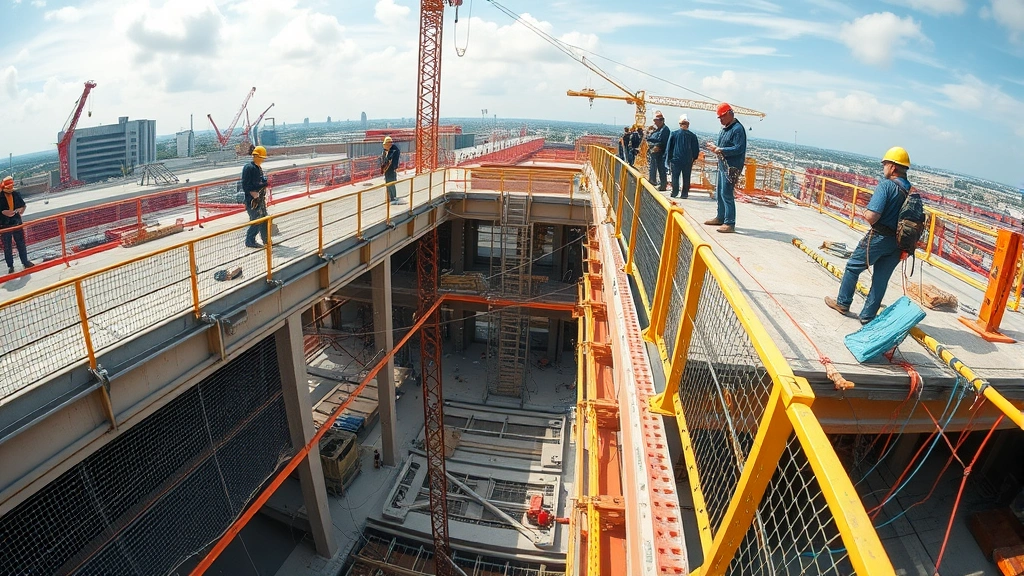
Fall protection ultimately reflects an organization’s commitment to worker safety and dignity. Every worker deserves to return home safely at the end of each shift. By understanding and implementing proper fall protection standards, employers demonstrate respect for their workforce and fulfill their fundamental obligation to provide safe working conditions. The six-foot threshold represents a minimum baseline; the commitment to excellence in fall protection extends far beyond regulatory compliance to embrace a culture where safety is paramount and every worker is protected from preventable falls.
FAQ
At what height is fall protection required by OSHA?
OSHA requires fall protection when workers are exposed to falling six feet or more to a lower level in general industry. However, construction work and other industries may have specific requirements, and many employers implement stricter four-foot thresholds to ensure maximum worker safety.
What are the main types of fall protection systems?
The primary fall protection systems include guardrail systems, safety nets, personal fall arrest systems (harnesses and lanyards), warning line systems, safety sheet systems, and fall arrest systems using drop lines. Employers must select systems appropriate for their specific workplace conditions.
How often should fall protection equipment be inspected?
Fall protection equipment should be visually inspected before each use and comprehensively inspected periodically according to manufacturer recommendations. Harnesses and lanyards typically require replacement every five years or immediately if damaged, regardless of age.
What are the consequences of fall protection violations?
OSHA penalties for serious fall protection violations can exceed $15,000 per violation, with repeat violations carrying higher penalties. Beyond financial consequences, fall-related injuries cause permanent disability, increased insurance costs, and significant legal liability exposure.
Who is responsible for fall protection in the workplace?
Employers are responsible for identifying fall hazards, implementing appropriate fall protection systems, maintaining equipment, and providing worker training. Workers are responsible for using provided equipment correctly and reporting hazards. Supervisors must monitor compliance and address violations promptly.
What should a fall protection plan include?
A comprehensive fall protection plan should identify all fall hazards, specify the fall protection systems to be used, establish inspection and maintenance procedures, outline worker training requirements, and address emergency rescue procedures. Plans should be site-specific and regularly reviewed as conditions change.
How do I select the appropriate fall protection system?
Selection depends on workplace conditions, height of hazard, worker mobility requirements, and feasibility of implementation. Guardrail systems are preferred when practical, followed by safety nets. Personal fall arrest systems are used when other methods are impractical. A qualified safety professional should conduct hazard assessment and recommend appropriate systems.


