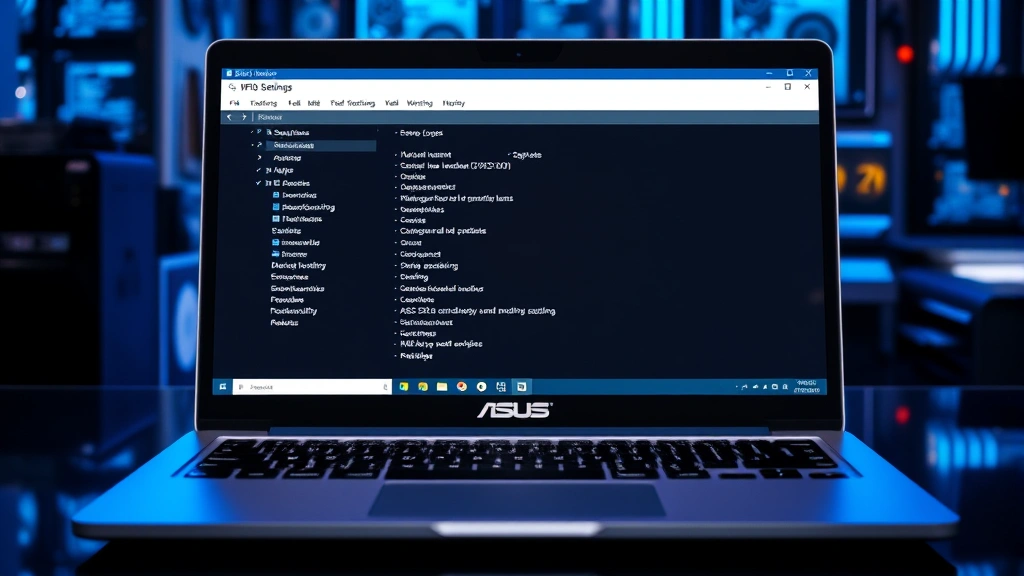
UEFI Secure Boot: Protecting Your ASUS Device
UEFI Secure Boot represents one of the most critical security features available on modern ASUS devices, yet many users remain unaware of its importance or how to properly configure it. This firmware-level protection mechanism serves as your first line of defense against sophisticated boot-level threats, rootkits, and malware that target the earliest stages of your system’s startup process. Understanding and properly implementing UEFI Secure Boot on your ASUS device is essential for maintaining comprehensive system security in today’s threat landscape.
The security landscape has evolved dramatically over the past decade, with attackers increasingly targeting the firmware layer where traditional antivirus software cannot effectively operate. UEFI Secure Boot addresses this vulnerability by ensuring that only digitally signed and authorized bootloaders can execute during system startup. For ASUS device owners, enabling and properly configuring this feature transforms your device into a significantly more hardened system capable of resisting advanced persistent threats and zero-day exploits targeting the boot sequence.

What is UEFI Secure Boot?
UEFI Secure Boot is a security standard that ensures your computer will only boot using firmware that is trusted by the Original Equipment Manufacturer (OEM). Unlike legacy BIOS systems that execute any bootloader without verification, UEFI Secure Boot implements cryptographic signature verification at the firmware level. This means that before your operating system even begins to load, the firmware validates the digital signatures of every component in the boot chain.
The technology relies on a chain of trust that begins with the firmware itself, which is protected by manufacturer keys. These keys verify the bootloader, which in turn verifies the operating system kernel and critical boot drivers. If any component in this chain lacks a valid signature or has been tampered with, the system will refuse to proceed with the boot process. For ASUS device users, this protection is particularly valuable because it prevents attackers from injecting malicious code at the firmware or bootloader level, where traditional security software cannot detect or stop threats.
UEFI Secure Boot operates using a carefully managed system of cryptographic keys. The Platform Key (PK) is the highest-level key, controlled by the device manufacturer or owner. Below that sits the Key Exchange Key (KEK), which is used to update other keys. The Signature Database (db) contains approved certificates and keys, while the Forbidden Signature Database (dbx) maintains a blacklist of revoked certificates. This hierarchical structure allows for flexible security management while maintaining strong protection against unauthorized boot modifications.

Why Secure Boot Matters for ASUS Devices
ASUS devices, ranging from consumer laptops to enterprise workstations, face increasingly sophisticated threats targeting the firmware layer. Secure Boot protection is particularly important because it addresses a critical vulnerability window that exists before your operating system’s security features can take effect. Malware operating at this level can bypass all user-space security measures, including antivirus software, endpoint detection and response (EDR) solutions, and operating system firewalls.
The threat landscape includes bootkit malware such as Bootkitty and other advanced persistent threat (APT) tools that specifically target systems with disabled or improperly configured Secure Boot. These threats can establish themselves so deeply within your system that complete OS reinstallation becomes necessary for remediation. By enabling Secure Boot on your ASUS device, you create a hardware-enforced barrier that makes these attacks exponentially more difficult to execute.
Beyond malware prevention, Secure Boot provides several additional security benefits for ASUS device owners. It prevents unauthorized firmware modifications, protects against Evil Maid attacks that modify your system while it’s powered off, and ensures that only Microsoft-signed or manufacturer-approved drivers load during startup. For organizations deploying ASUS devices in sensitive environments, Secure Boot compliance often represents a mandatory requirement for data protection regulations and security frameworks like the NIST Cybersecurity Framework.
The importance of Secure Boot extends to supply chain security as well. By verifying the integrity of boot components, you ensure that your ASUS device hasn’t been compromised during manufacturing, shipping, or distribution. This is particularly relevant for enterprise customers who require assurance that their devices maintain security throughout the entire lifecycle from factory to deployment.
How to Enable Secure Boot on ASUS Systems
Enabling UEFI Secure Boot on your ASUS device requires access to the firmware settings, commonly known as the BIOS or UEFI Setup utility. The process varies slightly depending on your specific ASUS device model, but the fundamental steps remain consistent across most systems. Begin by powering off your device completely and then restarting it. During the initial startup sequence, before the operating system begins to load, you’ll need to press a specific key to enter the setup utility—typically Delete, F2, or F12, depending on your ASUS model.
Once you’ve entered the ASUS UEFI Setup utility, navigate to the Security tab or Security settings section. Look for an option labeled “Secure Boot” or “Secure Boot Control.” In most ASUS systems, you’ll find this under Security settings alongside other boot-related options. The setting typically presents three options: Enabled, Disabled, or Audit Mode. Select “Enabled” to activate Secure Boot protection. Some ASUS devices may also offer options to set the Secure Boot Mode to Standard or Custom—Standard mode is recommended for most users as it uses the default manufacturer keys.
Before applying these changes, verify that your device is configured to boot from UEFI rather than legacy BIOS mode. This is typically found under Boot settings and should be set to “UEFI Boot” or similar. If your system is currently configured for legacy BIOS boot and you switch to UEFI with Secure Boot enabled, you may encounter boot failures if your operating system wasn’t installed in UEFI mode. After making changes, save your settings and exit the setup utility, which will trigger a system restart.
For ASUS devices running Windows, the operating system should automatically support Secure Boot as long as you installed it in UEFI mode. If you’re running Linux on your ASUS device, you’ll need to ensure that your Linux distribution supports UEFI Secure Boot and that you’ve installed the appropriate signing certificates. Many modern Linux distributions, including Ubuntu, Fedora, and others, now provide out-of-the-box Secure Boot support.
Managing Keys and Certificates
Advanced ASUS device users may need to manage Secure Boot keys and certificates, particularly in enterprise environments or when implementing custom security configurations. The firmware settings in ASUS UEFI Setup utilities typically provide options to manage the Platform Key, Key Exchange Key, and signature databases. Accessing these advanced settings usually requires entering “Custom” or “Advanced” mode within Secure Boot settings, which may require authentication.
The Platform Key represents the root of trust for your entire Secure Boot chain. In most consumer ASUS devices, this key is set by the manufacturer and cannot be modified without entering custom mode and providing appropriate credentials. Changing the Platform Key should only be attempted by experienced users, as improper management can render your device unbootable. If you do need to modify keys, ASUS provides documentation for your specific device model that outlines the proper procedures.
Key Exchange Keys (KEK) provide a mechanism for updating other keys without replacing the Platform Key. Some ASUS devices allow users to add additional KEKs, which is useful in enterprise environments where you need to authorize multiple certificate authorities. The Signature Database (db) is where you add certificates for bootloaders and drivers you want to trust, while the Forbidden Signature Database (dbx) contains hashes of known malicious code that should never be allowed to boot.
For most users, the default key configuration provided by ASUS is sufficient and should not be modified. However, organizations implementing device management across multiple ASUS systems may need to develop standardized key management procedures. This often involves coordinating with your IT security team and potentially engaging with CISA (Cybersecurity and Infrastructure Security Agency) for guidance on enterprise-wide security implementations.
Troubleshooting Common Issues
When implementing UEFI Secure Boot on ASUS devices, users may encounter various compatibility and configuration issues. One of the most common problems occurs when attempting to boot from external media, such as USB drives or DVDs. If Secure Boot is enabled and your installation media isn’t signed with an approved certificate, the system will refuse to boot from it. To resolve this, you can temporarily disable Secure Boot for the installation process, then re-enable it afterward. Alternatively, use official installation media from your operating system vendor, as these typically include proper Secure Boot signatures.
Another frequent issue involves unsigned drivers preventing system boot. If you’ve recently installed hardware drivers and your ASUS device fails to boot with Secure Boot enabled, the new drivers likely lack the required digital signatures. Access your UEFI Setup utility and check the boot logs or event logs for information about which driver failed verification. You may need to update the driver to a signed version or contact the hardware manufacturer for a Secure Boot-compatible driver.
Some legacy applications or older operating system installations may have compatibility issues with Secure Boot. If you’re experiencing persistent problems, check whether your application requires a specific boot configuration. You can also try entering Audit Mode within Secure Boot settings, which logs boot violations without preventing them, allowing you to identify problematic components without blocking your system from starting.
Firmware updates on ASUS devices sometimes affect Secure Boot configuration. After updating your device’s firmware, verify that Secure Boot remains enabled and properly configured. In rare cases, firmware updates may reset Secure Boot settings to defaults, requiring reconfiguration. Always check your ASUS device documentation or support resources following major firmware updates.
Best Practices for Maximum Protection
Implementing UEFI Secure Boot represents just one component of a comprehensive security strategy for your ASUS device. To maximize protection, combine Secure Boot with additional security measures. Enable TPM (Trusted Platform Module) support in your firmware settings, which provides hardware-based cryptographic capabilities that enhance overall system security. This is particularly important for features like Windows BitLocker encryption and measured boot, which verify the integrity of your entire boot chain.
Maintain current firmware on your ASUS device by regularly checking for and installing available updates from the manufacturer. Firmware updates often include security patches that address vulnerabilities in the UEFI implementation itself. Set a reminder to check quarterly or enable automatic firmware updates if your device supports this feature. Additionally, ensure that your operating system and all installed software receive regular security updates, as these patches address threats that Secure Boot alone cannot prevent.
Configure your BIOS/UEFI password to prevent unauthorized modifications to Secure Boot settings. An attacker with physical access to your device can disable Secure Boot if it remains unprotected by a password. Use a strong, unique password that differs from your operating system login credentials. Store this password securely, as losing it may require contacting ASUS support or using manufacturer-specific recovery procedures.
For enterprise deployments of ASUS devices, implement device management solutions that enforce Secure Boot compliance across your organization. Tools like Microsoft Intune or third-party mobile device management (MDM) platforms can verify Secure Boot status and alert administrators to non-compliant devices. Document your Secure Boot configuration standards and include them in your information security policies and procedures.
Regularly audit your Secure Boot configuration to ensure it remains properly enabled. Some malware or misconfigured applications might disable Secure Boot without your knowledge. Periodically access your UEFI Setup utility and verify that Secure Boot remains enabled with your intended settings. For critical systems, consider implementing monitoring solutions that alert you to any changes in Secure Boot configuration.
Educate yourself and your organization about the importance of boot-level security. Many security breaches occur because users disable Secure Boot to resolve compatibility issues without understanding the security implications. Understanding the balance between functionality and security helps you make informed decisions about your device’s protection. When encountering Secure Boot-related issues, research proper solutions rather than immediately disabling the feature.
FAQ
Can I use Secure Boot with Linux on my ASUS device?
Yes, modern Linux distributions support UEFI Secure Boot. Most contemporary distributions including Ubuntu, Fedora, and openSUSE include Secure Boot signing certificates by default. During installation, ensure you’re installing in UEFI mode rather than legacy BIOS mode. Some distributions may require additional configuration or third-party tools for full Secure Boot support, so consult your specific distribution’s documentation for detailed instructions.
Will disabling Secure Boot improve my ASUS device’s performance?
No, Secure Boot has negligible impact on system performance. The signature verification process occurs only during startup and adds minimal delay—typically less than a second on modern systems. Disabling Secure Boot will not noticeably improve performance and significantly reduces your security posture. Any performance improvement from disabling Secure Boot would be imperceptible in real-world usage.
What happens if Secure Boot detects an unauthorized component?
When Secure Boot detects an unsigned or improperly signed component, it prevents that component from loading and halts the boot process with an error message. This protective behavior is intentional—it prevents potentially malicious code from executing. If you encounter this situation, investigate which component failed verification and determine whether it’s legitimate before proceeding. You may need to update drivers, reinstall software, or adjust your Secure Boot configuration.
Is Secure Boot sufficient to protect against all malware?
While Secure Boot provides critical protection against boot-level threats, it’s not a complete security solution by itself. Secure Boot protects the boot process but cannot defend against malware that loads after the operating system has fully started. Combine Secure Boot with antivirus software, regular security updates, strong passwords, and safe browsing practices for comprehensive protection.
How do I know if Secure Boot is currently enabled on my ASUS device?
You can check Secure Boot status through your operating system without entering UEFI Setup. On Windows, open PowerShell as Administrator and type “Get-SecureBootUEFI” to view Secure Boot status. On Linux, use the command “mokutil –sb-state” to check Secure Boot status. Alternatively, enter your UEFI Setup utility and navigate to Security settings to verify Secure Boot status directly in firmware.
Can I enable Secure Boot on an older ASUS device?
Secure Boot requires UEFI firmware support, which most ASUS devices manufactured since 2011 include. Older devices using legacy BIOS cannot support Secure Boot. Check your device’s specifications or enter the UEFI Setup utility to determine whether your specific model supports Secure Boot. If your device predates UEFI adoption, consider prioritizing operating system and software updates as alternative security measures.


