
ASU Cybersecurity Guide: Protect Your Data Now
Arizona State University students, faculty, and staff face increasingly sophisticated cyber threats that target personal data, academic research, and institutional systems. As one of the nation’s largest public universities, ASU’s digital ecosystem presents both opportunities and vulnerabilities that require comprehensive security awareness and proactive protection strategies. This guide provides essential cybersecurity knowledge tailored specifically for the ASU community, addressing the unique risks associated with university networks, student accounts, and sensitive research data.
Cybersecurity breaches at educational institutions have escalated dramatically over the past five years, with universities experiencing an average of 15-20 significant security incidents annually. ASU community members—whether accessing course materials from off-campus locations, conducting collaborative research, or managing financial records—must understand the threat landscape and implement robust protective measures. This comprehensive guide covers essential security practices, institutional resources, and actionable steps to safeguard your digital life within and beyond the ASU environment.
Understanding Cybersecurity Threats at ASU
The ASU community faces a distinctive threat landscape shaped by the university’s size, research activities, and student diversity. Threat actors specifically target educational institutions because they typically maintain valuable intellectual property, financial records, and personal information across thousands of users with varying security awareness levels. Common threats affecting ASU include:
- Ransomware attacks that encrypt institutional data and demand payment for decryption keys
- Credential harvesting through phishing emails impersonating ASU IT services or financial departments
- Data exfiltration targeting research projects, particularly in engineering, biotechnology, and computer science
- Account takeovers compromising student and faculty accounts to access grades, financial information, or research repositories
- Man-in-the-middle attacks intercepting unencrypted communications on unsecured networks
Understanding these threats helps ASU community members recognize suspicious activities and respond appropriately. The university’s Information Security Office continuously monitors for emerging threats and publishes security advisories and updates that should be reviewed regularly. Additionally, external threat intelligence from CISA (Cybersecurity and Infrastructure Security Agency) provides sector-specific warnings relevant to academic institutions.
ASU Network Security Infrastructure
ASU maintains sophisticated network security controls designed to protect institutional systems and user data. The university employs multiple layers of defense including firewalls, intrusion detection systems, and network segmentation to isolate critical infrastructure from general-use networks. However, users must understand how these protections work and their limitations.
When connecting to ASU networks, devices are subject to security scanning that verifies they meet minimum protection standards. Devices lacking current antivirus software, security patches, or proper encryption may be restricted from accessing sensitive resources. The university’s network access control system ensures only compliant devices can connect to institutional networks, protecting both individual users and the broader ASU community.
ASU’s wireless networks present both convenience and security considerations. The secure ASUSecure network uses WPA3 encryption and certificate-based authentication, making it significantly more secure than open networks. Never use public or unsecured networks for sensitive activities like accessing financial accounts, conducting research, or viewing confidential information. If you must work remotely, always use VPN connections to encrypt traffic between your device and university servers.
The university maintains comprehensive logging and monitoring systems that track network activity for security purposes. This monitoring helps detect breaches quickly and aids in forensic investigations following security incidents. Users should understand that their network activity may be reviewed during security investigations, and unauthorized access attempts are tracked and reported to appropriate authorities.
Password Management and Authentication
Your ASU account password serves as the primary barrier protecting your academic records, personal information, and access to university systems. Weak passwords or reused credentials across multiple services create significant vulnerability. ASU enforces password requirements including minimum length, complexity, and regular changes for sensitive accounts.
Best practices for ASU password security:
- Create unique passwords for your ASU account that differ from passwords used on personal accounts, social media, and streaming services
- Use passphrases combining random words with numbers and symbols rather than predictable patterns
- Never share your password, even with trusted friends, roommates, or ASU staff members
- Change your password immediately if you suspect compromise or receive unusual account activity notifications
- Enable multi-factor authentication (MFA) on all accounts offering this protection
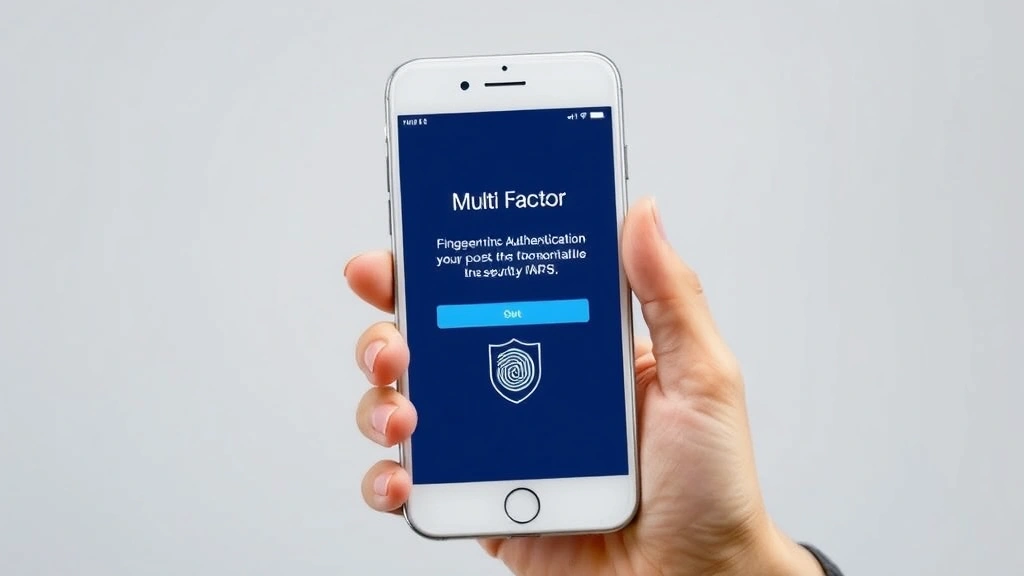
ASU strongly encourages adoption of multi-factor authentication, which requires a second verification step beyond your password. MFA dramatically reduces account takeover risk even if your password is compromised. Available authentication methods include:
- Authenticator apps (Google Authenticator, Microsoft Authenticator) generating time-based codes
- SMS text message verification codes sent to your registered phone number
- Push notifications to your mobile device requiring approval
- Hardware security keys providing the strongest authentication method
Consider using a password manager to securely store complex, unique passwords for all your accounts. Password managers like Bitwarden, 1Password, or Dashlane encrypt your credentials and require only one strong master password to access all stored credentials. This approach eliminates the burden of memorizing multiple complex passwords while significantly improving security.
Phishing and Social Engineering Prevention
Phishing attacks targeting ASU community members have increased substantially, with threat actors crafting increasingly sophisticated emails impersonating ASU IT, financial services, and academic departments. These emails typically request password resets, verification of personal information, or urgent action regarding account security or financial holds.
Identifying suspicious emails:
- Examine the sender’s email address carefully—legitimate ASU communications come from @asu.edu addresses, never from Gmail, Yahoo, or suspicious domains
- Hover over links (without clicking) to reveal the actual destination URL, which may differ from displayed text
- Look for urgent language creating pressure to act quickly without careful consideration
- Check for spelling, grammar, or formatting errors unusual for official university communications
- Be suspicious of requests asking for passwords, Social Security numbers, or financial information via email
- Verify unexpected attachments, especially those with .exe, .zip, or macro-enabled file extensions
ASU’s legitimate communications never ask for password confirmation via email. If you receive a suspicious email claiming to be from ASU IT or financial services, do not click links or download attachments. Instead, contact the relevant department directly using phone numbers or addresses from the official ASU website. Report suspicious emails to your IT security team using your institution’s phishing report function.
Social engineering extends beyond email to include phone calls, text messages, and in-person interactions. Attackers may pose as IT support staff requesting remote access to your device to “fix” a problem, or as financial aid representatives requesting verification of personal information. Always verify the identity of callers before providing sensitive information, and remember that legitimate ASU staff will never ask for your password over the phone.
Protecting Sensitive Academic Data
ASU faculty and graduate students frequently handle sensitive research data, intellectual property, and confidential information requiring special protection. Unauthorized access to research data compromises academic integrity, violates funding agency requirements, and may result in serious legal and professional consequences.
Research data protection strategies:
- Encryption: Enable full-disk encryption on devices storing research data using BitLocker (Windows) or FileVault (Mac)
- Access controls: Limit file access to only necessary personnel using password protection and file-level permissions
- Secure storage: Store sensitive data on ASU-provided cloud services (Box, OneDrive) rather than personal accounts or external drives
- Data classification: Understand ASU’s data classification system and apply appropriate protection levels to research materials
- Secure deletion: Use secure deletion tools rather than simple file deletion when discarding sensitive data
ASU provides enterprise-grade cloud storage services specifically designed for research data protection. These services include automatic backups, version control, and compliance with research data retention requirements. Using institutional storage rather than personal services ensures your research meets funding agency compliance requirements and maintains proper chain-of-custody documentation.
When collaborating with external researchers or institutions, verify that data sharing agreements address security requirements and data handling procedures. Never transfer sensitive research data through personal email accounts or unsecured file transfer services. Use ASU-approved secure file transfer methods or encrypted communication channels for all sensitive data exchanges.
Mobile Device Security for Students
Smartphones and tablets serve as critical tools for ASU students, providing access to email, course materials, and campus services. However, mobile devices face unique security challenges including malware, insecure applications, and unauthorized access if the device is lost or stolen.
Essential mobile security practices:
- Device encryption: Enable full-device encryption on iOS and Android devices to protect data if your phone is lost or stolen
- Screen lock protection: Use biometric authentication (fingerprint, face recognition) or strong PIN codes rather than simple patterns
- Application security: Download applications only from official App Store or Google Play, and review permissions before installation
- Software updates: Install security updates immediately when available, as these patches address critical vulnerabilities
- Remote wipe capability: Configure Find My iPhone or Find My Mobile services enabling device location and remote data deletion
- Public WiFi caution: Avoid sensitive transactions on public networks; use VPN for all connections outside ASU’s secure networks
Many ASU applications and services integrate with mobile devices through official applications or web interfaces. Verify that applications are from legitimate developers by checking publisher information and user reviews. Be particularly cautious of applications requesting excessive permissions unrelated to their stated function—a weather application should not request access to your contact list or location history.
If your mobile device is lost or stolen, contact ASU IT immediately to disable access to university systems and revoke authentication credentials. Modern mobile devices can be remotely locked or wiped, preventing unauthorized access to sensitive information. Report the loss to campus security and consider filing a police report if the device contained valuable personal information.
VPN Usage and Remote Access Safety
Virtual Private Networks (VPNs) create encrypted tunnels for your internet traffic, protecting data from interception when using unsecured networks. ASU community members working remotely, accessing campus systems from home, or using public WiFi should utilize VPN connections to ensure data confidentiality and integrity.
ASU provides a university-managed VPN service available to all students and employees. This service encrypts all traffic between your device and ASU’s network, protecting sensitive data from eavesdropping on public networks. The university VPN also provides access to resources restricted to on-campus connections, enabling secure remote access to academic databases, journals, and institutional systems.
Configuring and using ASU’s VPN:
- Download the official VPN client from ASU IT’s website or your device’s app store
- Install the application and configure it with your ASU credentials
- Connect to the VPN before accessing sensitive information or university systems
- Verify the connection status indicator showing active encryption
- Disconnect when finished to restore normal network routing
When using VPNs or accessing remote systems, exercise caution regarding what activities you perform. Avoid downloading large files or streaming video while connected to the VPN, as this consumes bandwidth and may trigger security alerts. Never disable security warnings or accept suspicious certificates when connecting to university systems.
Be cautious of free VPN services offered by third parties, as these may log your traffic, inject advertisements, or sell your data to advertisers. If you require VPN access outside the university context, select reputable providers with transparent privacy policies and proven security track records. NIST guidelines on VPN selection provide detailed criteria for evaluating VPN providers.
Incident Response and Reporting
Despite implementing comprehensive security measures, security incidents may still occur. Prompt reporting and response are critical for minimizing damage and protecting the broader ASU community. Understanding incident reporting procedures enables you to respond appropriately if you suspect a security breach.
Signs of potential security incidents:
- Unauthorized account access or login notifications from unfamiliar locations or devices
- Unexpected password reset notifications or account recovery requests
- Missing or altered files suggesting unauthorized access
- Unexpected charges on financial accounts associated with your ASU email
- Receiving password reset emails you did not request
- Suspicious emails from contacts claiming you sent them messages
- Slowness or unusual behavior suggesting malware infection
If you suspect a security incident, report it immediately to ASU IT Security through your institution’s incident reporting system. Provide detailed information about what occurred, when you discovered it, and what systems or data may have been affected. Do not attempt to investigate or remediate the incident yourself, as this may compromise forensic evidence needed for investigation.
ASU IT Security maintains an incident response team available 24/7 to address security emergencies. For urgent incidents involving active system compromise or data theft, contact your institution’s security operations center directly. For non-urgent reports, submit incidents through your institution’s official reporting portal or email security@asu.edu with detailed information.
Following an incident, ASU IT will guide you through remediation steps including password changes, account security reviews, and credit monitoring if personal financial information was exposed. Cooperate fully with incident investigations and implement recommended security improvements to prevent future compromises.
FAQ
What should I do if I think my ASU password has been compromised?
Change your password immediately through the official ASU password reset portal. Avoid using computers or networks you suspect may be compromised for the password change. If your account shows suspicious activity, contact ASU IT immediately to review account access logs and identify unauthorized access. Enable multi-factor authentication to prevent future account takeovers even if your password is compromised again.
Is it safe to use public WiFi at coffee shops near campus?
Public WiFi networks lack encryption and are vulnerable to eavesdropping attacks. Never access sensitive information, enter passwords, or conduct financial transactions on public networks without VPN protection. Always connect through ASU’s VPN service before accessing university systems or sensitive personal information on public networks. Consider using your mobile device’s hotspot feature instead of public WiFi when possible.
What information should I never share via email, even with ASU staff?
Never share passwords, Social Security numbers, financial account numbers, credit card information, or other sensitive personal data via email. Legitimate ASU staff will never request this information through email. If someone claiming to represent ASU requests sensitive information via email, contact the relevant department directly to verify the request’s legitimacy.
How often should I update my computer and mobile devices?
Install security updates immediately when they become available, as these patches address critical vulnerabilities exploited by attackers. Enable automatic updates on all devices to ensure patches are applied promptly without requiring manual action. Schedule major operating system upgrades within one week of release, as these updates address significant security issues.
What should I do if I receive a suspicious email claiming to be from ASU IT?
Do not click links or download attachments from suspicious emails. Instead, report the email using your institution’s phishing report function or forward it to your IT security team. Verify the sender’s email address—legitimate ASU communications come from @asu.edu addresses only. If you’re uncertain, contact ASU IT directly using phone numbers or contact information from the official ASU website.
Are password managers secure for storing my ASU password?
Yes, reputable password managers like Bitwarden, 1Password, and Dashlane use strong encryption to protect stored credentials. However, ensure your password manager’s master password is extremely strong and unique. Consider enabling additional security features like two-factor authentication on your password manager account. Never share your password manager master password with anyone.
What is multi-factor authentication and why does ASU recommend it?
Multi-factor authentication (MFA) requires a second verification step beyond your password, such as a code from an authenticator app or a push notification to your phone. MFA dramatically reduces account takeover risk because attackers need both your password and access to your second authentication method. Enable MFA on all accounts offering this protection, especially your ASU account and email.


