Armed Security Guard: Cyber Safety Insights for Physical and Digital Protection
The role of an armed security guard has traditionally focused on physical protection—monitoring premises, responding to threats, and safeguarding assets. However, in today’s interconnected world, cybersecurity has become an equally critical component of comprehensive security operations. Armed security professionals must now understand digital threats alongside physical ones, creating a holistic defense strategy that protects both personnel and sensitive information from increasingly sophisticated cyber attacks.
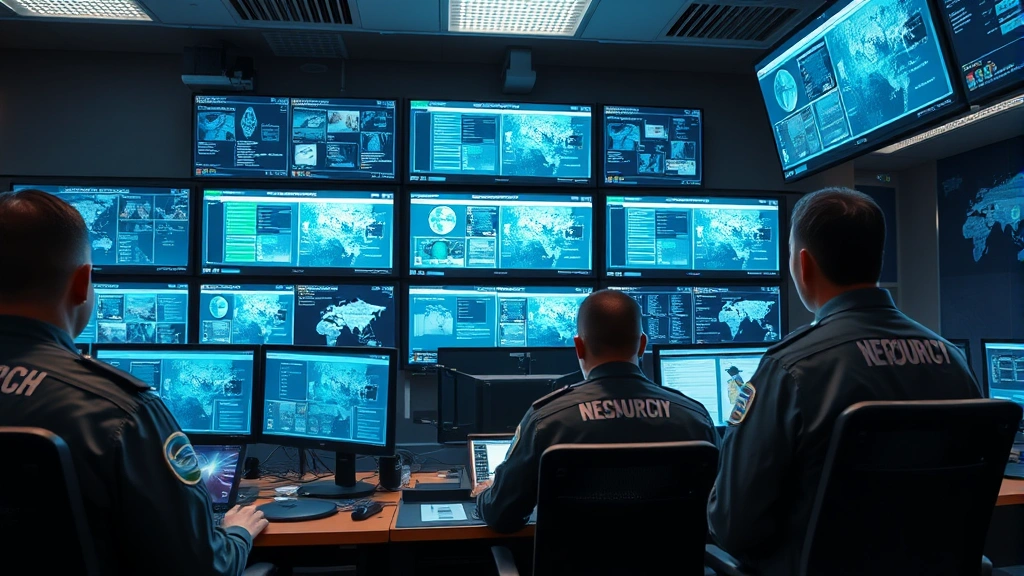
Modern security operations centers integrate physical surveillance systems, access control networks, and communication infrastructure that are all vulnerable to cyber threats. When a security breach occurs in these digital systems, it can compromise the effectiveness of armed security personnel and expose classified information. This convergence of physical and cyber domains means that armed security guards need foundational knowledge about cybersecurity principles, threat awareness, and best practices to maintain operational integrity.
Understanding cyber threats is no longer optional for security professionals. Data breaches, ransomware attacks, and network intrusions can undermine even the most robust physical security measures. This guide explores how armed security personnel can enhance their effectiveness by integrating cyber safety awareness into their daily operations and professional development.
The Intersection of Physical and Cyber Security
Armed security guards operate within complex security ecosystems where physical and digital systems are deeply intertwined. Access control systems, surveillance cameras, alarm networks, and communication platforms all rely on digital infrastructure. When adversaries target these systems, they can bypass physical security measures or create diversions that exploit security blind spots.
A cyber attack on a building’s access control system could allow unauthorized entry, while simultaneously alerting armed personnel to false alarms elsewhere. This type of coordinated attack—often called a “blended threat”—combines cyber and physical elements to maximize damage. Security guards must understand these vulnerabilities to respond effectively.
The Cybersecurity and Infrastructure Security Agency (CISA) emphasizes that physical security professionals should be trained to recognize signs of cyber compromise in their operational environment. Unusual system behavior, unexpected network outages, or authentication failures should trigger incident response protocols.
Organizations that employ armed security personnel should implement integrated security frameworks where cyber threat awareness is embedded in standard operating procedures. This means security guards understand not just what to protect, but how digital systems function and where vulnerabilities exist.
Common Cyber Threats Targeting Security Operations
Several categories of cyber threats specifically target security infrastructure and personnel:
- Ransomware Attacks: Malicious actors encrypt critical security systems, demanding payment for decryption keys. This can disable surveillance, access control, and communication systems simultaneously.
- Credential Theft: Attackers steal login credentials from security personnel through phishing emails or credential harvesting, gaining unauthorized access to sensitive systems.
- Insider Threats: Disgruntled employees or compromised accounts provide attackers with direct access to security infrastructure.
- Supply Chain Attacks: Vulnerable third-party software used in security systems becomes an entry point for attackers.
- Social Engineering: Attackers manipulate security personnel into revealing information or bypassing security protocols.
- DDoS Attacks: Distributed denial-of-service attacks overwhelm communication systems, preventing coordination between armed personnel.
Armed security guards should familiarize themselves with these threats to recognize when systems behave abnormally. Understanding attack vectors helps personnel make informed decisions about when to escalate concerns to IT security teams or incident response coordinators.
NIST Cybersecurity Framework provides guidance on identifying and responding to these threats across organizational levels, including physical security operations.
Digital Hygiene for Security Professionals
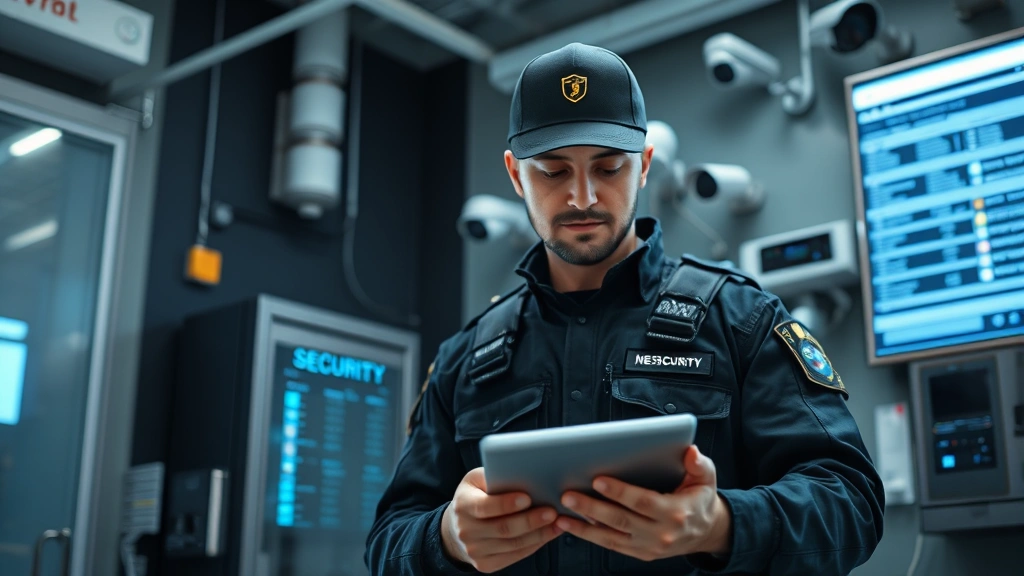
Armed security guards must practice strong digital hygiene to protect themselves and their organizations from cyber threats. Digital hygiene encompasses all practices that maintain system security and prevent unauthorized access.
Password Management: Security personnel should use strong, unique passwords for each system they access. Passwords should contain at least 16 characters with uppercase letters, numbers, and symbols. Password managers can securely store credentials without requiring memorization of complex strings.
Multi-Factor Authentication (MFA): Enabling MFA on all accounts significantly reduces the risk of unauthorized access, even if passwords are compromised. This might include authenticator apps, hardware security keys, or biometric verification.
Device Security: Company-issued devices should have current operating system patches, antivirus software, and firewall protection. Security personnel should never install unauthorized software or disable security features.
Phishing Awareness: Armed security guards receive numerous emails daily. Training on phishing indicators—suspicious sender addresses, urgent language, requests for credentials, or unexpected attachments—is essential. Suspicious emails should be reported to IT security rather than opened or forwarded.
Public WiFi Caution: Security professionals should avoid connecting to unsecured public networks with company devices. If remote access is necessary, a virtual private network (VPN) encrypts data and prevents eavesdropping.
Regular security awareness training helps armed personnel maintain these practices consistently. Organizations should provide quarterly refresher sessions covering emerging threats and new attack techniques.
Protecting Access Control and Surveillance Systems
Access control and surveillance systems are critical to armed security operations, making them prime targets for cyber attacks. These systems must be protected through multiple security layers.
Network Segmentation: Security systems should operate on isolated networks separate from general corporate infrastructure. This prevents attackers who breach the main network from accessing critical security systems. Network segmentation creates “security zones” where only authorized personnel and systems can communicate.
System Hardening: All security devices should be configured to remove unnecessary services, disable default accounts, and implement strict access controls. Regular security audits identify misconfigurations that could expose vulnerabilities.
Monitoring and Logging: Security systems should continuously log all access attempts, configuration changes, and system events. These logs enable detection of suspicious activity and provide evidence for incident investigations.
Backup and Recovery: Critical system data should be regularly backed up and stored securely offline. This ensures that even if ransomware encrypts primary systems, operations can be restored quickly.
Armed security personnel should understand their role in protecting these systems. They should report any physical tampering with servers or network equipment, unusual system behavior, or unauthorized access attempts. These observations can be the first indication of a cyber attack in progress.
Communication Security in the Field
Armed security guards rely on radio communications, mobile devices, and messaging systems to coordinate operations. These communication channels must be secured to prevent eavesdropping, interception, or manipulation.
Encrypted Communications: Radio systems and messaging platforms should use encryption to protect transmitted data. Even if attackers intercept communications, encryption makes the content unreadable without decryption keys.
Authentication Protocols: Security personnel should verify the identity of individuals they communicate with, especially when discussing sensitive operations or access credentials. Voice recognition and challenge-response protocols can prevent impersonation attacks.
Information Compartmentalization: Armed guards should only communicate information necessary for their specific role. Limiting exposure to sensitive details reduces the impact if communications are compromised.
Device Management: Mobile devices used for communications should have strong authentication, automatic screen locks, and remote wipe capabilities. Lost or stolen devices can provide attackers direct access to communications and sensitive information.
Organizations should establish clear protocols for handling device compromise, including immediate notification to IT security and revocation of any credentials stored on the device.
Training and Awareness Programs
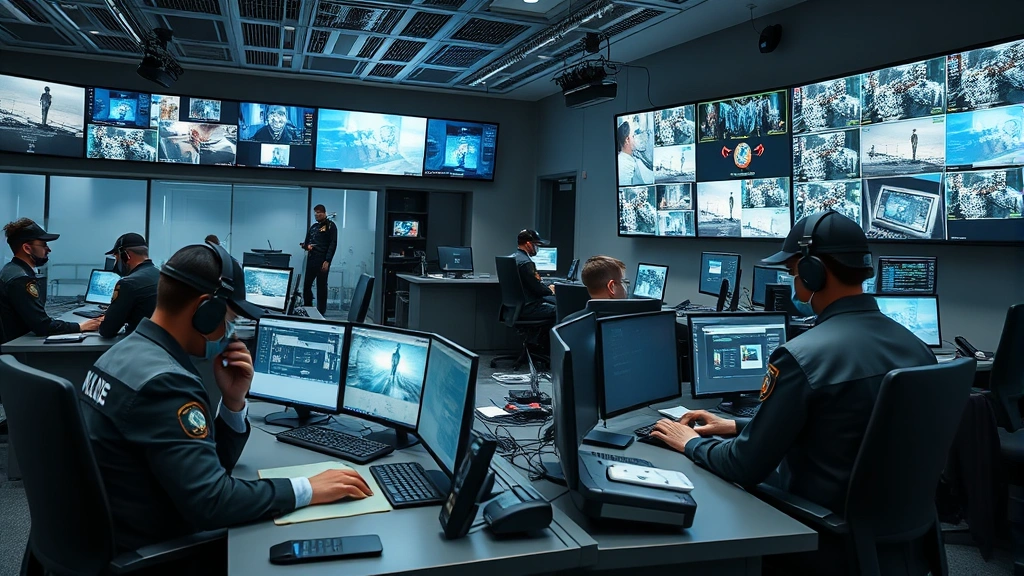
Comprehensive cyber awareness training significantly reduces security risks. Armed security personnel should participate in regular training covering:
Threat Landscape Overview: Understanding current threat actors, their motivations, and attack methods helps security guards recognize suspicious activity. Training should cover nation-state actors, criminal organizations, and insider threats specific to the security industry.
Incident Recognition: Security personnel should know how to identify signs of compromise—unusual system behavior, unexpected outages, suspicious user activity, or physical evidence of tampering. Early detection enables faster response and limits damage.
Reporting Procedures: Clear, accessible reporting mechanisms encourage personnel to report concerns without fear of retaliation. Organizations should establish multiple reporting channels including direct supervisors, IT security teams, and anonymous hotlines.
Simulated Phishing Campaigns: Regular phishing simulations train armed guards to recognize and report suspicious emails. Metrics from these campaigns identify individuals needing additional training and demonstrate training effectiveness.
Incident Response Drills: Tabletop exercises and simulations prepare security teams to respond effectively when cyber incidents occur. These drills test communication, decision-making, and coordination between physical and cyber security teams.
The CISA Security Training and Awareness resources provide organizations with evidence-based training materials and best practices for security awareness programs.
Incident Response and Reporting
When armed security personnel suspect a cyber incident, immediate reporting and response are critical. Organizations should establish clear incident response procedures that armed guards understand and can execute quickly.
Initial Detection: Armed security guards may be among the first to notice cyber incidents. Unusual system behavior, unexpected network outages, or suspicious physical access attempts should trigger incident reporting.
Escalation Procedures: Clear escalation paths ensure incidents reach appropriate personnel quickly. Organizations should define who to contact, what information to provide, and how to preserve evidence.
Preservation of Evidence: When a potential cyber incident is detected, security personnel should avoid touching affected systems or devices. This preserves forensic evidence needed for investigation and potential legal proceedings.
Coordination: Armed security teams must coordinate with IT security, incident response teams, and law enforcement when appropriate. Regular coordination meetings ensure all parties understand their roles and responsibilities.
Post-Incident Analysis: After incidents are resolved, organizations should conduct thorough investigations to understand how attacks succeeded and implement preventive measures. Armed security personnel should participate in debriefings to share observations and recommendations.
Consulting the CISA incident response resources helps organizations develop comprehensive incident response programs that integrate physical and cyber security perspectives.
FAQ
What is the primary role of cyber awareness in armed security operations?
Cyber awareness enables armed security personnel to recognize and report digital threats that could compromise physical security systems. Understanding how cyber attacks might affect surveillance, access control, and communication systems allows security guards to maintain operational effectiveness even during cyber incidents.
How can armed security guards protect against social engineering attacks?
Armed personnel should verify the identity of individuals requesting sensitive information, avoid sharing credentials or access details, and report suspicious requests to appropriate authorities. Organizations should provide regular training on common social engineering tactics and encourage a security-conscious culture where asking questions is valued.
What should security personnel do if they suspect a cyber attack?
Follow your organization’s incident reporting procedures immediately. Document what you observed, when you noticed it, and any systems affected. Avoid attempting to troubleshoot or investigate the issue yourself, as this could compromise forensic evidence. Contact your IT security team or incident response coordinator right away.
Why is multi-factor authentication important for security professionals?
Multi-factor authentication requires multiple verification methods to access systems, making it extremely difficult for attackers to gain unauthorized access even if they obtain passwords. This is especially important for armed security personnel who access critical systems.
How often should cyber awareness training be conducted?
Organizations should provide security awareness training at least quarterly, with additional training when new threats emerge or after security incidents. SANS Institute recommends ongoing training programs that maintain awareness and adapt to evolving threat landscapes.
What is the relationship between physical security and cybersecurity?
Physical security systems increasingly rely on digital infrastructure. Cyber attacks can compromise physical security effectiveness, while physical breaches can expose cyber infrastructure. A comprehensive security strategy integrates both domains, recognizing that threats often combine physical and cyber elements.
How can organizations ensure armed security personnel stay updated on cyber threats?
Establish regular training schedules, subscribe to threat intelligence services, participate in industry information sharing groups, and conduct internal security awareness campaigns. Encourage personnel to pursue relevant certifications and maintain knowledge of emerging threats affecting security operations.


