
The Role of Armed Security in Cyber Defense: Physical Protection Meets Digital Threats
In an increasingly interconnected world where cyber threats evolve at alarming speeds, organizations face a critical paradox: their most valuable digital assets are often protected by purely digital means, while the physical infrastructure housing these systems remains vulnerable to conventional threats. Armed security personnel represent a crucial but frequently overlooked layer of defense in comprehensive cybersecurity strategies. The convergence of physical and cyber threats demands a holistic approach where armed security teams work in tandem with digital security experts to create impenetrable defense perimeters.
The traditional perception of cybersecurity as an exclusively digital domain has become dangerously outdated. Data centers, network operations centers, and critical infrastructure facilities require physical protection that extends beyond standard access control systems. Armed security guards provide real-time threat detection, rapid response capabilities, and psychological deterrence that no firewall can replicate. Understanding how armed security integrates into modern cyber defense frameworks is essential for organizations managing sensitive data, financial systems, or national security infrastructure.
Understanding Physical Threats to Cyber Infrastructure
Organizations often concentrate their cybersecurity investments on firewalls, intrusion detection systems, and encryption protocols while neglecting the physical vulnerabilities that can render all digital protections obsolete. A single unauthorized individual accessing a server room can compromise entire networks in minutes. Physical threats to cyber infrastructure manifest in multiple forms: theft of hardware containing sensitive data, sabotage of critical network equipment, unauthorized installation of malicious devices, and disruption of essential services through infrastructure damage.
The Cybersecurity and Infrastructure Security Agency (CISA) consistently emphasizes that physical security failures represent one of the most underestimated attack vectors in organizational security frameworks. Attackers increasingly recognize that bypassing sophisticated digital defenses becomes unnecessary when they can physically access the systems themselves. This reality has transformed armed security from a luxury amenity into a fundamental necessity for organizations protecting critical infrastructure.
Data centers housing financial records, healthcare information, or government classified materials face particular vulnerability. Insider threats, opportunistic theft, and coordinated attacks targeting physical infrastructure require personnel capable of recognizing suspicious activity and responding with appropriate force when necessary. The stakes involved demand security professionals equipped with more than standard access cards and surveillance cameras.
Armed Security as a Cyber Defense Layer
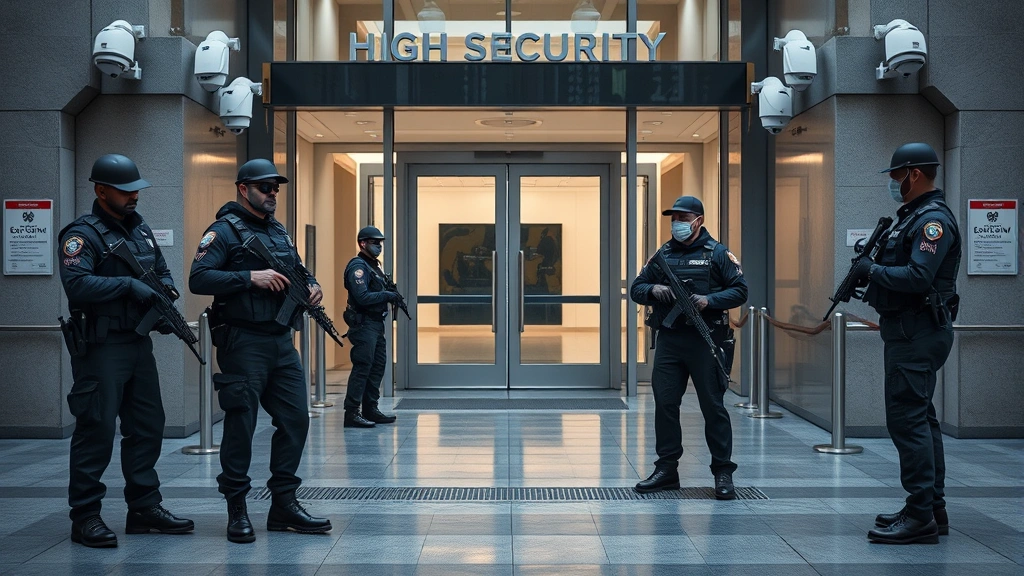
Armed security personnel function as the human element of a multi-layered defense strategy that complements digital security measures. Their presence creates a psychological barrier that deters many would-be attackers before any breach attempt occurs. Unlike automated systems that operate on predetermined rules, armed security guards possess situational awareness, intuition, and the ability to adapt responses to novel threats in real-time.
The role extends far beyond simple perimeter protection. Armed security teams trained in cybersecurity fundamentals can identify suspicious activities that digital systems might miss: individuals attempting to photograph network diagrams, unauthorized personnel lingering near sensitive equipment, or attempts to install physical access devices. This human element provides contextual understanding that algorithmic detection cannot replicate.
Organizations implementing comprehensive cyber defense strategies recognize that armed security serves multiple critical functions:
- Prevention of unauthorized physical access to network infrastructure and data centers
- Rapid response to security breaches or attempted intrusions
- Protection of critical personnel including security teams and executives
- Investigation and documentation of security incidents for forensic analysis
- Coordination with law enforcement during active security threats
- Maintenance of secure environments during system updates or vulnerability remediation
The integration of armed security into cyber defense represents a shift toward understanding security as an ecosystem rather than isolated departmental functions. When properly trained and equipped, armed personnel become force multipliers for digital security teams, creating redundancy and resilience in defense systems.

Integration with Digital Security Systems
Effective armed security in cyber defense contexts requires seamless integration with digital monitoring and threat detection systems. Modern security operations centers employ armed personnel who can respond immediately to alerts generated by intrusion detection systems, unauthorized access attempts, or anomalous network activity. This convergence of physical and digital response capabilities creates response times measured in seconds rather than minutes or hours.
Advanced organizations implement security information and event management (SIEM) systems that correlate physical access logs with network activity, creating comprehensive threat visibility. When a badge reader logs access to a data center at 3 AM coinciding with suspicious network traffic, armed security can respond immediately rather than discovering the breach hours or days later. This integration transforms armed security from reactive personnel into proactive threat identification assets.
The National Institute of Standards and Technology (NIST) guidelines for cybersecurity explicitly address the necessity of physical security controls operating in conjunction with technical safeguards. Their framework recognizes that compartmentalization of security responsibilities creates dangerous gaps in organizational defense posture. Armed security personnel trained in cyber awareness become extensions of digital security teams rather than separate entities.
Implementation of these integrated systems requires significant investment in training programs that educate armed personnel about cyber threats, network infrastructure, and appropriate response protocols. Security guards must understand the difference between normal network maintenance activities and potential breaches, requiring specialized knowledge beyond traditional security training.
Threat Response and Incident Management
The value of armed security in cyber defense becomes most apparent during active security incidents. When intrusion attempts are detected, armed personnel can immediately secure affected areas, prevent evidence tampering, and contain potential threats while security teams investigate the nature and scope of the breach. Their presence enables rapid escalation of response protocols and coordination with external authorities.
During ransomware attacks, data exfiltration attempts, or other sophisticated cyber incidents, armed security serves multiple critical functions. They can prevent attackers from physically accessing systems to install persistence mechanisms or destroy evidence. They can secure facilities during emergency shutdown procedures required to contain malware spread. They can protect security personnel and executives from physical threats that sometimes accompany cyber attacks, particularly in cases involving organized crime or state-sponsored actors.
Incident response plans for organizations managing critical infrastructure must include armed security protocols. These procedures should address scenarios ranging from suspicious physical intrusion attempts to coordinated cyber-physical attacks targeting both digital and physical infrastructure simultaneously. The complexity of modern threats demands security professionals capable of responding to multifaceted attacks combining digital exploitation with physical sabotage.
Effective incident management requires armed security personnel with:
- Understanding of network architecture and critical system locations
- Training in evidence preservation and forensic investigation principles
- Communication protocols enabling rapid coordination with cyber security teams
- Authorization to implement emergency security measures including facility lockdown
- Familiarity with threat indicators specific to cyber attacks
- Ability to recognize and respond to insider threat scenarios
Training and Certification Standards
Armed security personnel supporting cyber defense operations require specialized training that extends significantly beyond traditional security guard certification programs. Organizations must invest in comprehensive education covering cybersecurity fundamentals, network infrastructure, threat recognition, and incident response protocols. This training represents a fundamental shift in how organizations conceptualize security personnel roles.
Professional certifications specific to cyber-aware security have emerged to address this gap. Programs combining physical security expertise with cybersecurity knowledge ensure armed personnel understand the environments they protect and the threats they defend against. Security teams should pursue certifications demonstrating competency in both physical security and cyber threat awareness.
Training curricula must address insider threat detection, a critical concern given that insider threats account for significant percentages of data breaches. Armed security personnel trained to recognize behavioral indicators, unauthorized access patterns, and suspicious activities become valuable assets in identifying internal threats before they cause substantial damage. This requires training in behavioral analysis and security awareness that goes far beyond traditional guard responsibilities.
Ongoing education remains essential as cyber threats evolve constantly. Security personnel must participate in regular training updates addressing emerging attack methodologies, new threat vectors, and updated response protocols. Organizations treating armed security as static positions rather than dynamic roles requiring continuous development inevitably fall behind evolving threat landscapes.
Cost-Benefit Analysis of Armed Security in Cyber Defense
Organizations often hesitate to invest in armed security for cyber defense purposes due to perceived costs and resource requirements. However, comprehensive cost-benefit analysis reveals that armed security provides exceptional return on investment when properly implemented. The cost of armed personnel pales in comparison to potential losses from successful cyber attacks compromising sensitive data or disrupting critical operations.
A single successful breach of critical infrastructure or financial systems can result in losses exceeding millions of dollars in direct costs, regulatory fines, operational downtime, and reputation damage. Armed security personnel represent insurance against these catastrophic scenarios, functioning as a relatively inexpensive layer of defense preventing the most direct attack vectors. Organizations managing high-value assets or critical infrastructure cannot reasonably justify operating without this protection.
The deterrent effect of armed security also provides significant value that extends beyond direct threat prevention. Visible armed personnel create psychological barriers that discourage many potential attackers from attempting breaches. This prevention aspect means successful attacks never materialize, avoiding losses entirely rather than simply responding to incidents after damage occurs.
Organizations should evaluate armed security investment as part of comprehensive risk management strategies. When compared to costs of incident response, data breach notification, regulatory compliance failures, and business interruption, armed security becomes a cost-effective component of overall security architecture. The CISA best practices documentation consistently identifies physical security as a critical component of comprehensive defense strategies worthy of substantial organizational investment.
FAQ
What specific training should armed security personnel receive for cyber defense roles?
Armed security personnel supporting cyber defense should receive training covering network infrastructure basics, data center operations, threat recognition specific to cyber attacks, incident response protocols, evidence preservation, insider threat detection, and emergency procedures. This training should be combined with traditional armed security certifications and regularly updated to address emerging threats.
How does armed security integrate with digital security monitoring systems?
Modern security operations centers integrate physical access logs with network monitoring systems, allowing armed personnel to respond immediately when physical and digital alerts correlate. SIEM systems can trigger armed response protocols when suspicious network activity coincides with unauthorized facility access, enabling rapid containment of potential breaches.
Can armed security personnel effectively respond to insider threats?
Yes, properly trained armed security personnel can identify behavioral indicators and suspicious access patterns that suggest insider threats. Their physical presence in facilities enables observation of activities that digital systems might miss, including unauthorized equipment connections, photography of sensitive materials, or suspicious interactions with network infrastructure.
What is the cost-effectiveness of armed security for cyber defense?
Armed security provides exceptional return on investment compared to potential losses from successful cyber attacks. The cost of armed personnel is minimal compared to expenses associated with data breaches, regulatory fines, operational downtime, and reputation damage that effective physical security helps prevent.
How should organizations determine appropriate armed security levels?
Organizations should conduct risk assessments evaluating asset values, threat levels, infrastructure criticality, and potential attack scenarios. Based on these assessments, security budgets should allocate resources for armed personnel proportional to identified risks. Critical infrastructure and high-value data repositories typically justify significant armed security investments.
What legal considerations apply to armed security in cyber defense?
Organizations must ensure armed security personnel comply with applicable laws regarding use of force, weapons possession, and authority to detain individuals. Security protocols should clearly define authorized actions and establish procedures for law enforcement coordination. Legal review of security policies ensures compliance with jurisdiction-specific regulations.


