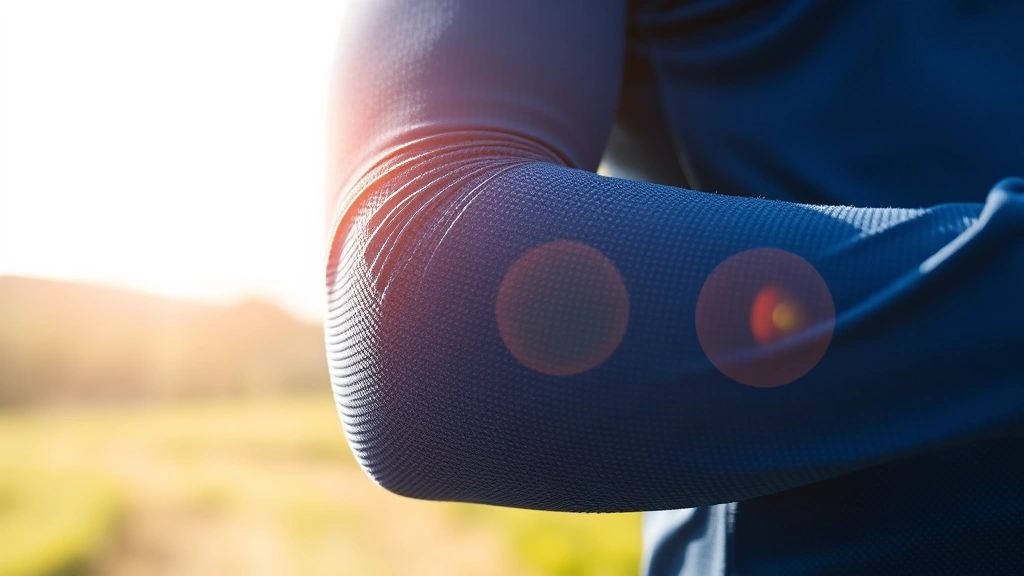
Do Arm Sleeves Prevent Sunburn? Dermatologist Insight on UV Protection
Arm sleeves have become increasingly popular as a sun protection solution, particularly among outdoor enthusiasts, athletes, and individuals seeking alternatives to traditional sunscreen. But do they actually prevent sunburn? The answer is more nuanced than a simple yes or no. Dermatologists agree that properly designed arm sleeves can significantly reduce UV exposure to your arms, but their effectiveness depends on several critical factors including fabric composition, fit, UPF rating, and proper usage.
Understanding how arm sleeves work as a protective barrier requires knowledge of ultraviolet radiation, textile properties, and skin science. This comprehensive guide explores what dermatologists say about arm sleeve effectiveness, how they compare to other sun protection methods, and how to choose the right sleeves for maximum UV defense.
How UV Radiation Affects Skin
Before understanding whether arm sleeves prevent sunburn, it’s essential to grasp how ultraviolet radiation damages skin. The sun emits three types of UV radiation: UVA, UVB, and UVC. UVC radiation is absorbed by Earth’s atmosphere and doesn’t reach us, but UVA and UVB penetrate our skin and cause significant damage.
UVB radiation directly damages DNA in skin cells, causing the immediate redness and pain associated with sunburn. UVA radiation penetrates deeper into the skin, causing premature aging, wrinkles, and contributing to melanoma risk. According to the CDC’s skin cancer prevention guidelines, approximately 90% of skin cancers are associated with UV exposure.
Cumulative sun exposure over a lifetime significantly increases skin cancer risk. Even a single severe sunburn, particularly during childhood, doubles the risk of melanoma development. This is why consistent arm protection throughout your life matters considerably for long-term skin health.
Do Arm Sleeves Actually Prevent Sunburn
Yes, properly constructed arm sleeves can effectively prevent sunburn on covered areas. Dermatologists confirm that quality arm sleeves block the majority of harmful UV radiation before it reaches your skin. However, “prevent” requires qualification—sleeves don’t provide 100% protection, and their effectiveness depends on multiple variables.
High-quality arm sleeves with appropriate UPF ratings can block 97-99% of UV radiation. This means only 1-3% of UV rays penetrate the fabric, compared to unprotected skin receiving 100% of solar radiation. For practical purposes, this level of protection is highly effective at preventing acute sunburn on covered areas.
The key distinction dermatologists make is between physical blockers and chemical barriers. Arm sleeves function as physical blockers—they create a tangible barrier between your skin and the sun. This differs from sunscreen, which uses chemical or mineral ingredients to absorb or reflect UV rays. Physical blocking is inherently more reliable because it doesn’t degrade with sweat or water exposure like sunscreen can.
Research published in dermatological journals confirms that protective clothing remains one of the most effective sun protection strategies, particularly for extended outdoor activities where sunscreen reapplication is impractical.
Understanding UPF Ratings and Standards
UPF stands for “Ultraviolet Protection Factor,” a standardized measurement similar to SPF but specifically for textiles. The UPF rating indicates what fraction of UV radiation penetrates the fabric. Understanding these ratings is crucial when selecting arm sleeves for sun protection.
- UPF 15-24: Good protection, blocks approximately 93-96% of UV radiation
- UPF 25-39: Very good protection, blocks approximately 96-97% of UV radiation
- UPF 40-50+: Excellent protection, blocks approximately 97-99% of UV radiation
Dermatologists typically recommend UPF 50+ arm sleeves for extended outdoor exposure, particularly for individuals with fair skin, a history of sunburns, or family history of skin cancer. The difference between UPF 50 and UPF 40 may seem marginal, but that additional 2-3% of blocked radiation compounds significantly over years and decades of exposure.
The Skin Cancer Foundation and NIST standards have established rigorous testing protocols for UPF ratings. Reputable manufacturers test their fabrics according to these standards, ensuring that marketed UPF ratings are accurate. However, not all arm sleeves meet these standards, making it important to purchase from established brands with certified testing.
It’s worth noting that UPF ratings can degrade over time with repeated washing, fading, and wear. A UPF 50+ sleeve may lose protective capacity after hundreds of wash cycles. Quality manufacturers often guarantee UPF protection for a specific number of washes, typically 20-40 cycles.
Best Fabric Types for Sun Protection
Not all fabrics provide equal UV protection. The material composition, weave density, and construction method significantly impact how effectively sleeves block radiation. Dermatologists recognize certain fabric types as superior for sun protection.
Synthetic Blends and Performance Fabrics: Polyester, nylon, and specialized performance materials like Lycra and spandex blends offer excellent UV protection. These fabrics have tight weaves that physically block UV rays. Many athletic brands specifically engineer their fabrics for sun protection, incorporating special dyes and treatments that enhance UV absorption or reflection.
Merino Wool: Natural merino wool provides inherent UV protection superior to many synthetic materials. The protein structure in wool naturally absorbs UV radiation. Merino wool sleeves offer approximately UPF 50+ protection and provide additional benefits like moisture-wicking and temperature regulation.
Treated Cotton: While untreated cotton offers minimal UV protection (approximately UPF 5-7), specially treated cotton fabrics can achieve UPF 50+ ratings through chemical treatments that enhance UV-blocking properties. Look for labels indicating UV-blocking treatments.
Tightly Woven Fabrics: Regardless of material, tightly woven fabrics block more UV radiation than loosely woven ones. Denim and canvas provide better protection than lightweight linen or loosely knit cotton. This is why a regular t-shirt offers more protection than a tank top, though neither provides UPF 50+ protection without special treatment.
Color Matters: Darker colors absorb more UV radiation than light colors. Dark navy, black, and deep jewel tones provide better protection than white or pastels. This is particularly important when evaluating untreated or lower-UPF sleeves.
Arm Sleeves vs Other Protection Methods
While arm sleeves are highly effective, understanding how they compare to alternative sun protection methods helps determine the best strategy for your lifestyle. Dermatologists typically recommend a multi-layered approach combining several protection methods.
Arm Sleeves vs Sunscreen: Sunscreen offers flexibility and ease of application but requires consistent reapplication every two hours, or immediately after swimming or sweating. Arm sleeves provide continuous protection without reapplication but limit clothing choices and may feel uncomfortable in hot weather. Combining both methods provides optimal protection—sunscreen on exposed areas and sleeves over arms.
Arm Sleeves vs Hats and Sunglasses: Wide-brimmed hats protect the face, ears, and neck while sunglasses shield eyes. Together with arm sleeves, these items create comprehensive coverage. However, hats and sunglasses alone don’t protect arms, making sleeves a necessary addition for complete arm coverage.
Arm Sleeves vs Staying Indoors: Obviously, avoiding sun exposure entirely eliminates UV risk, but this isn’t practical for most people. Arm sleeves enable outdoor activities while significantly reducing UV exposure, making them ideal for outdoor workers, athletes, and recreational enthusiasts.
Arm Sleeves vs Regular Clothing: Standard t-shirts and long sleeves provide some protection but typically offer only UPF 5-15 unless specially treated. Purpose-designed UV-protective sleeves with UPF 50+ ratings provide 3-10 times more protection than regular clothing. Additionally, UV-protective sleeves often incorporate moisture-wicking and cooling technologies that regular sleeves lack.
How to Choose Effective Arm Sleeves
Selecting arm sleeves that truly prevent sunburn requires evaluating several factors beyond simply purchasing the first option you find.
Verify UPF Rating: Look for sleeves explicitly labeled with UPF 50+ ratings from reputable manufacturers. Ensure the rating comes from certified testing rather than marketing claims. The Skin Cancer Foundation provides a list of certified products that meet rigorous standards.
Examine Fabric Composition: Review the material blend. High-quality UV-protective sleeves typically feature polyester, nylon, merino wool, or specially treated fabrics. Avoid pure untreated cotton or loose-weave materials marketed as “sun protective” without substantiation.
Check Fit and Coverage: Sleeves should fit snugly without restricting movement. Gaps between the sleeve and your skin allow UV penetration. Ideally, sleeves should extend from your wrist to your shoulder, providing complete arm coverage. Some sleeves extend to the palm with thumb holes, offering additional hand protection.
Consider Comfort Features: Look for moisture-wicking properties, breathability, and temperature-regulating technologies. Many quality UV-protective sleeves incorporate cooling fibers or mesh panels that make them comfortable for extended wear in hot weather.
Read Durability Information: Check manufacturer specifications regarding wash durability. How many wash cycles does the UPF rating remain valid? Some sleeves maintain protection for 20 cycles while others retain effectiveness for 40+ cycles.
Look for Established Brands: Purchase from reputable athletic and outdoor brands known for sun protection products. Brands like Coolibar, Solumbra, Columbia, and REI Co-op have established reputations for quality UV-protective apparel backed by testing and customer reviews.
Proper Wearing Techniques for Maximum Protection
Even the highest-quality arm sleeves fail to prevent sunburn if worn incorrectly. Dermatologists emphasize that proper technique maximizes the protective benefits of UV-blocking sleeves.
Ensure Complete Coverage: Sleeves must cover your entire arm from wrist to shoulder without gaps. Gaps expose skin directly to UV radiation. If sleeves slide down during activity, periodically adjust them to maintain coverage. This is particularly important during swimming or vigorous exercise when sleeves may shift.
Combine with Other Protection: Use arm sleeves as part of a comprehensive sun protection strategy. Apply broad-spectrum sunscreen SPF 30+ to any exposed skin, including your neck, face, ears, and tops of hands. Wear a wide-brimmed hat and UV-blocking sunglasses. This layered approach provides maximum protection.
Protect Your Hands: Standard arm sleeves leave your hands exposed. Consider sleeves with thumb holes or fingerless gloves designed for sun protection. Alternatively, apply sunscreen to your hands and reapply regularly.
Don’t Neglect Reapplication of Sunscreen: For exposed areas not covered by sleeves, reapply sunscreen every two hours or immediately after swimming. This is crucial because sunscreen protection decreases significantly after two hours of sun exposure.
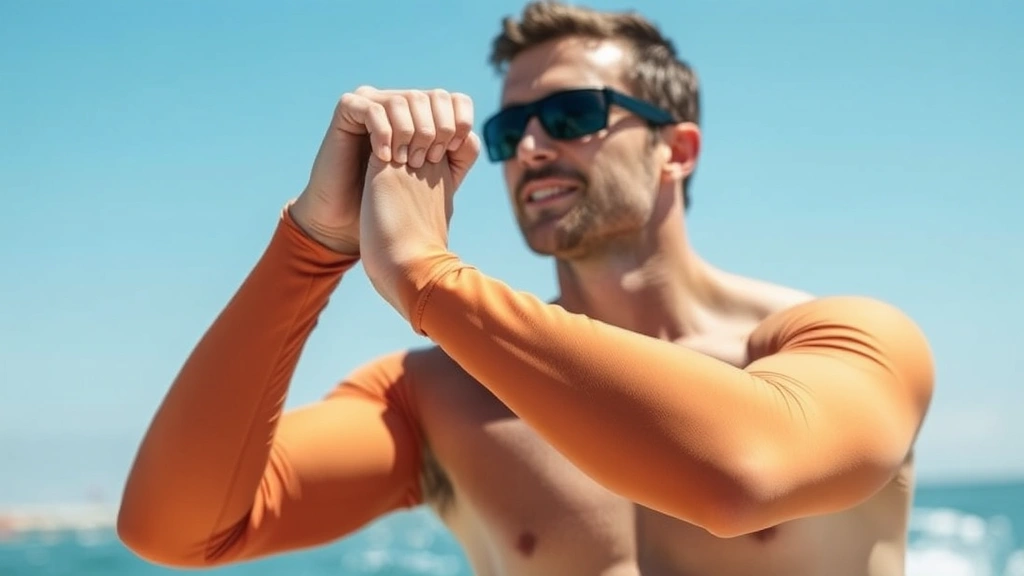
Account for Reflection: Water, sand, snow, and concrete reflect UV radiation, increasing exposure. Even with sleeves, be aware that reflected UV can reach areas you might not expect. Increase sunscreen application and consider additional protective measures near reflective surfaces.
Timing Matters: UV radiation is strongest between 10 AM and 4 PM. If possible, schedule outdoor activities outside these hours. When you must be outside during peak UV times, ensure you’re wearing your protective sleeves and other sun protection measures.
Monitor for Breakthrough Sunburn: Occasionally, sunburn occurs despite precautions due to gaps in coverage, degraded fabric protection, or unexpected sun intensity. If you notice any redness or burning on covered areas, discontinue use and evaluate your sleeves’ condition. Severely faded or damaged sleeves may no longer provide adequate protection.
FAQ
Can arm sleeves completely prevent sunburn?
High-quality UPF 50+ arm sleeves block 97-99% of UV radiation, effectively preventing acute sunburn on covered areas. However, they don’t provide 100% protection, and any gaps in coverage expose skin to UV rays. Proper fit and complete coverage are essential for maximum effectiveness.
What’s the difference between UPF and SPF ratings?
UPF (Ultraviolet Protection Factor) measures UV protection in textiles like arm sleeves, while SPF (Sun Protection Factor) measures protection in sunscreens. Both use similar scales, but they’re tested differently. UPF ratings are more stable and don’t degrade with sweat or water exposure like SPF ratings do.
Do I still need sunscreen if I wear arm sleeves?
Yes. Arm sleeves only protect your arms. You should apply broad-spectrum sunscreen SPF 30+ to your face, neck, ears, hands, and any other exposed skin. Additionally, sunscreen provides backup protection if sleeves shift or develop gaps.
How often should I replace arm sleeves?
Quality arm sleeves maintain their UPF rating for 20-40 wash cycles depending on the manufacturer. After this point, protection may degrade. Additionally, if sleeves become severely faded, torn, or damaged, their protective capacity diminishes and replacement is advisable.
Are arm sleeves uncomfortable in hot weather?
Modern UV-protective sleeves incorporate moisture-wicking and breathable materials specifically designed for hot weather. While they may feel slightly warmer than bare skin, quality sleeves are significantly more comfortable than regular long sleeves. Many athletes wear UV sleeves during intense outdoor activities.
Can children safely wear arm sleeves?
Yes, arm sleeves are an excellent sun protection option for children. In fact, dermatologists specifically recommend protective clothing for children because childhood sun exposure significantly increases lifetime skin cancer risk. Ensure sleeves fit properly and don’t restrict movement or cause overheating.
Do arm sleeves provide protection against vitamin D deficiency?
Arm sleeves block UV radiation needed for vitamin D synthesis. If you wear sleeves regularly, ensure adequate vitamin D through dietary sources (fatty fish, fortified dairy, egg yolks) or supplements. Discuss vitamin D supplementation with your healthcare provider, particularly if you consistently use sun protection.
What should I look for in arm sleeves for water sports?
For swimming and water sports, choose sleeves labeled as “water sports” or “rash guard” sleeves. These are designed to remain effective when wet and dry quickly. Ensure they fit snugly to prevent sliding during active water movement. Look for quick-dry fabrics and secure wrist closures.
Arm sleeves represent an evidence-based, dermatologist-recommended approach to preventing sunburn and reducing skin cancer risk. When properly selected and worn, high-quality UPF 50+ sleeves block 97-99% of harmful UV radiation, making them one of the most effective sun protection methods available. Their advantage over sunscreen lies in continuous protection without requiring reapplication, making them ideal for extended outdoor activities, water sports, and occupational sun exposure.
The most effective sun protection strategy combines multiple methods: wearing UPF 50+ arm sleeves, applying broad-spectrum sunscreen SPF 30+ to exposed areas, wearing protective hats and sunglasses, and limiting outdoor time during peak UV hours (10 AM-4 PM). By implementing this comprehensive approach, you significantly reduce your risk of acute sunburn, premature aging, and skin cancer while still enjoying outdoor activities.
For additional information on sun protection standards, consult resources from The Skin Cancer Foundation, which maintains updated guidance on protective clothing and certified products. Remember that consistent, long-term sun protection habits established now will benefit your skin health for decades to come.


