
Are Security Guards in Demand? Industry Insights and Career Opportunities in the USA
The security industry in the United States is experiencing unprecedented growth, driven by evolving threats, regulatory requirements, and organizational priorities around physical and cybersecurity. Security guards remain one of the most sought-after professionals across multiple sectors, from corporate facilities to critical infrastructure protection. Understanding the demand landscape helps both aspiring professionals and employers navigate this dynamic field.
Security guard positions have transformed significantly over the past decade. Modern security professionals must combine traditional vigilance with digital literacy, threat assessment capabilities, and crisis management skills. The Bureau of Labor Statistics projects continued growth in security-related employment, making this an opportune time to explore career prospects in this essential industry.

Current Demand for Security Guards in the USA
Security guards are in high demand across the United States, with employment numbers reflecting consistent growth year over year. According to recent labor statistics, there are over 1 million security professionals currently employed in the country, with thousands of new positions opening regularly. This demand stems from several interconnected factors: increased awareness of security threats, regulatory compliance requirements, and organizational investments in comprehensive protection strategies.
The demand extends beyond traditional security roles. Organizations now seek security personnel who understand both physical security protocols and digital threats. This convergence of traditional and cybersecurity expertise creates opportunities for professionals willing to develop diverse skill sets. Many employers struggle to find qualified candidates who can bridge these disciplines, creating favorable conditions for job seekers.
Major metropolitan areas consistently report higher demand for security personnel. Cities like New York, Los Angeles, Chicago, and Miami maintain robust job markets for security professionals. However, demand is not limited to urban centers—suburban and rural areas also require qualified security personnel for various facilities and events.
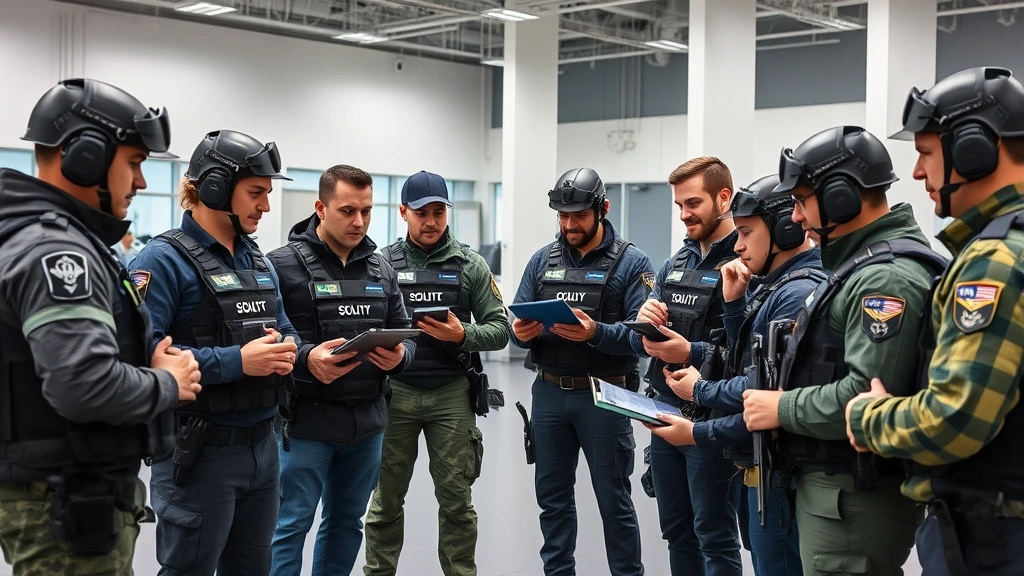
Job Market Growth Projections
The employment outlook for security guards remains positive. The U.S. Bureau of Labor Statistics projects growth in protective service occupations, with security guard positions representing a significant portion of these opportunities. Growth rates vary by specialization, but overall trends indicate sustained demand through the coming decade.
Several factors contribute to this optimistic projection. First, organizational awareness of security risks continues to increase. Second, regulatory frameworks increasingly mandate security measures across industries. Third, technological advancement creates new security challenges that require human expertise alongside automated systems. Fourth, recovery and expansion in various economic sectors drive facility security needs.
The Cybersecurity and Infrastructure Security Agency (CISA) emphasizes the importance of comprehensive security strategies that include trained personnel. This government focus reinforces industry investment in security staffing.
Industry Sectors Driving Demand
Multiple sectors generate substantial demand for security guards. Understanding which industries actively recruit helps job seekers identify promising opportunities.
Healthcare Facilities: Hospitals and medical centers require security personnel for patient safety, staff protection, and asset security. The healthcare sector consistently ranks among the top employers of security professionals, with demand growing as facilities expand and patient volumes increase.
Financial Services: Banks, investment firms, and credit unions maintain significant security operations. These institutions require trained professionals for cash handling security, facility protection, and loss prevention. The financial sector offers some of the highest-paying security positions.
Technology and Data Centers: As organizations increasingly rely on digital infrastructure, data centers and technology campuses require robust physical security. These facilities often combine cybersecurity professionals with physical security personnel, creating integrated teams.
Retail and Commercial: Shopping centers, retail stores, and commercial properties employ thousands of security guards. Loss prevention and customer safety remain critical priorities in this sector, generating consistent demand for qualified personnel.
Transportation and Logistics: Airports, ports, and distribution centers require extensive security operations. These facilities handle valuable cargo and manage large numbers of people daily, necessitating professional security teams.
Government and Critical Infrastructure: Federal, state, and local government agencies employ security personnel for facility protection and public safety. Critical infrastructure protection has become increasingly important, driving demand for specialized security professionals.
Education: Universities and schools invest in campus security to protect students and staff. This sector has expanded security operations significantly in recent years.
Skills and Qualifications Required
Employers increasingly seek security guards with comprehensive skill sets that extend beyond basic surveillance and access control. Modern security positions require a combination of technical knowledge, soft skills, and specialized training.
Essential Technical Skills: Proficiency with security systems, surveillance equipment, and access control technologies is fundamental. Understanding how CCTV systems, alarm systems, and integrated security platforms function enables guards to respond effectively to incidents. Familiarity with incident reporting software and documentation systems is also important.
Physical and Medical Competencies: Many positions require First Aid and CPR certification. Some specialized roles demand more advanced medical training. Physical fitness standards vary by position and employer, with some roles requiring the ability to respond to emergencies physically.
Communication and Interpersonal Skills: Security guards interact with diverse populations daily. Strong communication abilities, conflict de-escalation skills, and professional demeanor are essential. The ability to remain calm under pressure and think critically during emergencies distinguishes exceptional guards from adequate ones.
Legal and Regulatory Knowledge: Understanding relevant laws, regulations, and liability issues is crucial. Security professionals must know applicable state and federal laws governing their work, use of force policies, and liability limitations.
Threat Assessment and Situational Awareness: Modern security guards must recognize potential threats and assess risk levels accurately. This requires training in behavioral analysis, threat recognition, and appropriate response protocols.
Digital Literacy: Even traditional security roles increasingly require comfort with digital systems, mobile applications, and data management. Some positions specifically seek personnel with cybersecurity awareness or background.
Salary and Compensation Trends
Security guard compensation varies significantly based on location, experience, employer, and specialization. Understanding salary trends helps professionals negotiate fair compensation and plan career progression.
Entry-level security guards in the United States earn median wages ranging from $28,000 to $35,000 annually, depending on geographic location and employer type. Experienced professionals with specialized certifications or supervisory responsibilities earn significantly more, with some positions exceeding $60,000 annually.
Major metropolitan areas offer higher compensation to offset cost of living. New York, San Francisco, and Washington D.C. typically provide 20-40% higher salaries than national averages. Conversely, rural areas may offer lower wages but potentially lower cost of living.
Specialized positions command premium compensation. Security professionals working in financial services, technology, or critical infrastructure protection earn substantially more than those in retail or general commercial settings. Armed security positions typically pay more than unarmed roles, though they require additional licensing and training.
Benefits packages significantly impact total compensation. Comprehensive health insurance, retirement contributions, paid time off, and professional development opportunities add substantial value beyond base salary. Some employers offer shift differentials, overtime pay, and performance bonuses.
Regional Variations in Demand
Security guard demand varies considerably across different regions of the United States, influenced by economic activity, crime rates, and industry concentration.
Northeast Region: Major cities in the Northeast maintain consistently high demand for security personnel. New York, Boston, and Philadelphia host significant financial, healthcare, and technology sectors. The region’s density and economic activity create substantial security needs.
Southeast Region: Rapid economic growth in southeastern states has driven security demand upward. Cities like Atlanta, Miami, and Charlotte experience robust job markets for security professionals. The region’s expanding technology and finance sectors create numerous opportunities.
Midwest Region: Major metropolitan areas like Chicago and Minneapolis maintain steady demand for security personnel. While growth may be slower than coastal regions, the Midwest offers stable employment opportunities with competitive compensation.
Southwest Region: Texas and Arizona experience growing demand driven by population increases and economic expansion. Houston, Dallas, Phoenix, and Austin all report strong security job markets.
West Coast Region: California, Washington, and Oregon maintain high demand for security professionals, particularly in technology hubs and major urban centers. San Francisco, Los Angeles, and Seattle offer excellent opportunities, though competition may be intense.
Future Outlook and Emerging Trends
The security industry continues evolving, shaped by technological advancement, emerging threats, and changing organizational priorities. Understanding future trends helps professionals prepare for career development.
Integration of Physical and Cybersecurity: Organizations increasingly recognize that comprehensive security requires integrating physical and digital protection strategies. Security professionals who understand both domains will be particularly valuable. This convergence creates opportunities for professionals to expand their expertise and increase earning potential.
Technology-Enhanced Security: Artificial intelligence, machine learning, and advanced analytics are transforming security operations. Future security professionals will work alongside sophisticated technologies, requiring comfort with digital systems and data interpretation. However, human judgment and intuition remain irreplaceable for complex threat assessment and decision-making.
Specialized Security Roles: Demand for specialized security positions continues growing. Event security, executive protection, facility-specific security (healthcare, financial, technology), and critical infrastructure protection represent expanding opportunities for professionals with targeted expertise.
Remote and Hybrid Security Operations: Some security functions increasingly operate remotely, with monitoring and analysis conducted from centralized locations. This trend creates opportunities for professionals seeking flexible work arrangements while maintaining career advancement.
The National Institute of Standards and Technology (NIST) provides frameworks that organizations use to develop comprehensive security strategies, emphasizing the importance of trained personnel within security ecosystems.
Emphasis on Mental Health and Wellness: Organizations increasingly recognize that security work can be stressful and demanding. Progressive employers invest in mental health support, peer counseling programs, and wellness initiatives. This trend reflects growing professionalization of the security industry.
Continuing Education Requirements: Professional development increasingly becomes standard in the security industry. Employers seek personnel willing to pursue certifications, attend training programs, and maintain current knowledge of emerging threats and best practices.
FAQ
What is the average salary for security guards in the USA?
Average security guard salaries range from $28,000 to $40,000 annually for entry-level positions, with experienced professionals earning $50,000-$65,000 or more depending on specialization and location. Metropolitan areas and specialized sectors typically offer higher compensation.
How quickly can I find a security guard job?
The security industry typically has faster hiring cycles than many other fields. Many positions can be filled within 2-4 weeks of application, particularly for entry-level roles. Candidates with relevant certifications and experience may receive job offers even faster.
What certifications help security guards advance their careers?
Professional certifications enhance career prospects significantly. Common certifications include Certified Security Professional (CSP), Professional Certified Investigator (PCI), and specialized credentials in areas like executive protection or facility security. Industry-specific certifications and security clearances also improve advancement opportunities.
Are there opportunities for advancement in security careers?
Yes, substantial advancement opportunities exist. Security professionals can progress to supervisory roles, management positions, specialized security roles, or move into related fields like loss prevention or risk management. Continuing education and certifications facilitate career advancement.
Which states have the highest demand for security guards?
California, Texas, Florida, New York, and Illinois consistently report the highest demand for security personnel due to large populations, significant economic activity, and diverse industry sectors. However, virtually every state maintains active security job markets.
What skills matter most for security guard employment?
Employers prioritize communication skills, situational awareness, physical fitness, reliability, and the ability to remain calm under pressure. Technical proficiency with security systems, threat assessment capabilities, and knowledge of relevant regulations are increasingly important.
How does technology impact security guard employment?
Technology creates both challenges and opportunities. While automation handles some traditional security functions, it simultaneously creates demand for professionals who can manage, interpret, and respond to technological systems. The most valuable security professionals combine technical literacy with human judgment.


