
Secure Your Apartment Door: Expert Advice Inside
Your apartment door is the first line of defense against unauthorized entry and potential security threats. In an era where residential break-ins and home invasions remain significant concerns, understanding how to properly secure your apartment door is essential knowledge for every renter and homeowner. This comprehensive guide explores the critical security measures, technological solutions, and best practices that can transform your entrance into a formidable barrier against intruders.
Apartment door security encompasses multiple layers of protection, from physical reinforcement to smart technology integration. Whether you live in a high-rise building, mid-rise complex, or ground-floor unit, the principles of effective door security remain consistent: prevention, detection, and response. By implementing the strategies outlined in this guide, you can significantly reduce your vulnerability to break-ins while maintaining convenient access for yourself and authorized guests.
The stakes of inadequate door security extend beyond material losses. Security breaches can result in personal harm, emotional trauma, and violation of your private space. This is why taking a comprehensive, multi-faceted approach to apartment door security isn’t just recommended—it’s essential for your peace of mind and personal safety.
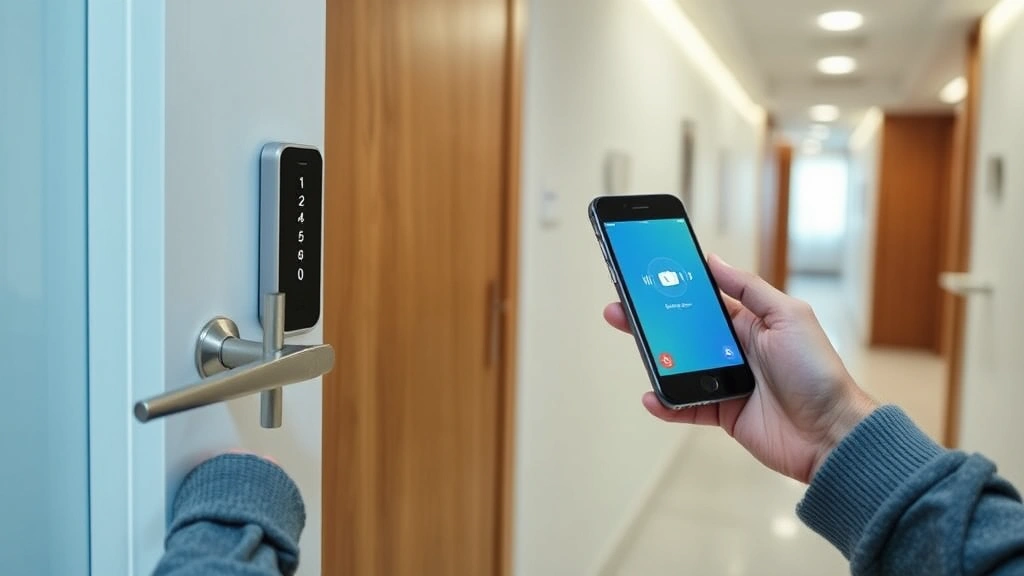
Understanding Apartment Door Vulnerabilities
Before implementing security solutions, it’s crucial to understand the specific vulnerabilities that apartment doors face. Unlike single-family homes with controlled perimeter access, apartment buildings present unique challenges. Multiple residents, shared hallways, varying security standards, and limited control over building infrastructure create an environment where door security becomes even more critical.
The most common vulnerability in apartment doors is the standard strike plate—the metal component that receives the latch bolt. Many apartment buildings install minimal-quality strike plates secured with short screws that penetrate only the door frame, not the structural studs behind it. A forceful kick can easily overcome this weak point, making door frame reinforcement one of the most effective security improvements you can make.
Deadbolt locks present another critical consideration. While deadbolts are superior to spring latches, the quality varies significantly. Low-quality deadbolts with short bolts or poor construction can be compromised through various techniques including lock picking, bumping, or drilling. Additionally, hollow core doors—common in apartment buildings—offer minimal resistance to forced entry and can be compromised more easily than solid core or metal doors.
Environmental factors also play a role in door vulnerabilities. Doors exposed to weather, high-traffic areas, or locations near stairwells experience more wear and tear, potentially weakening their integrity over time. Understanding these vulnerabilities empowers you to address them strategically.
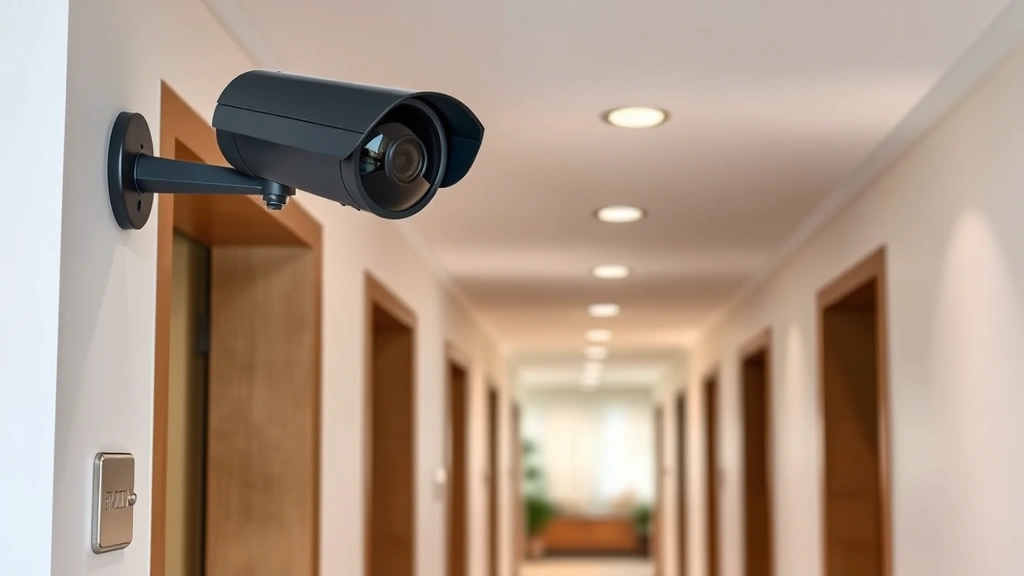
Physical Reinforcement Strategies
Physical reinforcement forms the foundation of apartment door security. These modifications create tangible barriers that discourage forced entry attempts and increase the time and effort required to breach your door.
Strike Plate Upgrades
The strike plate is where most apartment door security improvements should begin. Standard strike plates are secured with short screws (typically 1 inch) that only penetrate the door frame. Upgrading to a heavy-duty strike plate with 3-inch screws that reach the structural studs behind the frame dramatically increases resistance to forced entry. The best strike plates feature a reinforced design with a longer bolt pocket and hardened steel construction.
Installation is straightforward: remove the existing strike plate, drill new holes aligned with the studs, and install the upgraded plate with long screws. This single modification can increase the force required to kick in a door from approximately 300 pounds to over 1,200 pounds—placing it beyond the capability of most casual intruders.
Deadbolt Selection and Installation
Not all deadbolts offer equal protection. Grade 1 deadbolts, the highest security rating, feature hardened steel bolts at least one inch in length, reinforced strike plates, and resistance to picking and drilling. When selecting a deadbolt, look for ANSI Grade 1 certification and models specifically rated for security applications.
Proper installation is equally important. The deadbolt hole should be positioned at least 40 inches from the floor, making it difficult to reach through a broken window or glass panel. The bolt should extend at least one inch into the strike plate, and you should install a reinforced strike plate specifically rated for your deadbolt model.
Door Reinforcement Bars and Wedges
Physical bars and wedges provide additional protection, particularly against forced entry attempts. Door reinforcement bars, such as security bars or door braces, prevent the door from opening even if locks are compromised. These devices work by creating a physical barrier that prevents the door from swinging inward. Wedge-style security devices, placed under the door handle or at the base, provide similar protection and are particularly useful when you’re home.
Door Material and Frame Assessment
Solid core or metal doors offer significantly better security than hollow core doors. While you may not be able to replace your apartment door without landlord permission, understanding your door’s construction helps you prioritize other security measures. If your door is hollow core, compensate with enhanced locks, reinforced strikes, and electronic surveillance systems.
Smart Lock Technology and Access Control
Modern smart locks provide convenience and enhanced security when properly implemented. These devices use electronic access control mechanisms that eliminate traditional key vulnerabilities while providing audit trails of entry attempts.
Smart Lock Types and Features
Smart locks come in several configurations: keypad entry, biometric (fingerprint or facial recognition), smartphone-controlled via Bluetooth or Wi-Fi, and hybrid systems combining multiple access methods. Each type offers distinct advantages. Keypad locks eliminate the vulnerability of lost or copied keys but require secure PIN management. Smartphone-controlled locks provide remote access capability but depend on network connectivity and smartphone security.
The most secure smart locks combine multiple authentication factors—something you know (PIN), something you have (smartphone or key fob), and ideally something you are (biometric data). This multi-factor approach significantly reduces unauthorized access risk compared to traditional single-factor locks.
Integration with Building Security Systems
Modern apartment buildings increasingly integrate smart access systems with building infrastructure. These systems can grant temporary access to guests, delivery personnel, or service providers without requiring physical keys. When properly implemented, they maintain detailed access logs that help identify security breaches. However, it’s crucial that these systems employ strong encryption and regular security updates to prevent hacking.
Backup Access and Contingency Planning
When implementing smart locks, ensure you have reliable backup access methods. Smart locks should include mechanical keyways for emergency access, and you should have spare keys securely stored outside your apartment. Battery failure is another consideration—quality smart locks include low-battery warnings and should function for 6-12 months on standard batteries.
Surveillance and Detection Systems
While physical security prevents entry, surveillance and detection systems identify threats and provide evidence if breaches occur. These systems serve as both deterrents and investigative tools.
Doorbell Cameras and Video Monitoring
Video doorbell cameras have become increasingly affordable and effective. These devices record activity at your door, allowing you to identify visitors before opening the door and providing evidence if suspicious activity occurs. Quality doorbell cameras offer HD or 4K resolution, night vision, two-way audio, and cloud storage or local recording options. Some models integrate with your smartphone, providing real-time notifications when motion is detected.
When installing doorbell cameras, ensure proper positioning to capture visitor faces clearly and to monitor the surrounding hallway if possible. Check your lease and building policies—some buildings restrict camera placement in common areas. Additionally, be mindful of privacy concerns for neighbors and comply with local privacy laws regarding audio recording.
Motion-Activated Lighting and Alarms
Motion-activated lighting deters intruders by eliminating shadows where they might hide. If your apartment entrance lacks adequate lighting, discuss adding motion-activated fixtures with your building management. These improvements benefit all residents and enhance overall building security.
Door and window sensors trigger alarms when entry is attempted, immediately alerting you to breaches. Modern wireless sensors integrate with smartphone apps, providing notifications even when you’re away. Some systems include monitoring services that alert authorities if alarms are triggered.
Environmental Monitoring and Smart Home Integration
Advanced security systems integrate multiple sensors—door/window contacts, motion detectors, glass break sensors—into cohesive platforms that you control via smartphone. These systems provide real-time status updates and can trigger automated responses, such as lighting, video recording, or alarm activation. Integration with smart home platforms enables sophisticated automation, such as locking doors automatically when the last person leaves or unlocking them when residents approach.
Building Collaboration and Community Security
Individual apartment door security is strengthened significantly when combined with building-wide security measures and community awareness. Collaborative approaches create multiple layers of protection that benefit all residents.
Building Access Control Systems
Modern apartment buildings employ various access control methods: key cards, fobs, PIN codes, or biometric systems for lobby and entrance doors. These systems restrict access to authorized residents and guests, creating a perimeter defense that complements individual apartment security. When your building implements robust access control, the threat profile for individual units decreases significantly.
Ensure your building’s access system includes provisions for emergency access (fire departments, paramedics) while maintaining security. Regularly updated access lists that promptly remove former residents or terminated service providers are essential for system effectiveness.
Surveillance Infrastructure and Hallway Monitoring
Building-wide surveillance systems covering common areas—lobbies, hallways, stairwells, parking areas—deter criminal activity and provide investigative evidence if incidents occur. Quality systems employ multiple cameras with clear sightlines, adequate lighting, and secure recording infrastructure. Check whether your building has surveillance capabilities and review footage retention policies.
Resident Communication and Threat Awareness
Building management should maintain open communication with residents regarding security concerns. Alert systems that notify residents about suspicious activity, attempted break-ins, or security incidents enable community-wide awareness and response. Resident associations can organize security committees that coordinate improvements and share best practices.
Package Delivery and Visitor Management
Unattended packages and unauthorized visitors represent security vulnerabilities. Buildings should implement controlled package delivery areas with secure storage, preventing packages from sitting in hallways. Visitor management systems that screen guests and verify their intended destinations strengthen perimeter security. Some buildings employ concierge services that manage visitor access and package reception.
Emergency Response Planning
Despite comprehensive security measures, emergencies can occur. Developing and practicing emergency response plans ensures you react effectively if your door security is compromised or if you face a threat.
Immediate Response Protocols
If you suspect someone is attempting to breach your door, your immediate response should prioritize personal safety over property protection. If you’re home, move to a secure room, lock the door, and contact emergency services immediately. Most police departments respond quickly to active break-in situations, particularly if the perpetrator is still present.
If you discover a break-in after returning home, do not enter your apartment. Exit immediately and contact police from a safe location. Entering could place you in danger, and you could contaminate the crime scene, hindering investigation.
Documentation and Evidence Preservation
If your apartment is burglarized, document everything thoroughly for insurance claims and police investigation. Take photographs of damage, missing items, and any evidence of forced entry. Preserve security footage if available. Provide police with detailed descriptions of missing items, including serial numbers when available. This documentation is crucial for recovery efforts and for identifying patterns if your building experiences multiple incidents.
Insurance and Recovery Planning
Adequate renter’s or homeowner’s insurance protects against losses from theft or break-ins. Review your policy to understand coverage limits, deductibles, and claim procedures. Document valuable items with photographs and receipts, maintaining this inventory in a secure location outside your apartment (cloud storage or safety deposit box). In the event of a breach, this documentation accelerates insurance claims and replacement processes.
FAQ
What’s the most cost-effective apartment door security improvement?
Upgrading your strike plate with a heavy-duty model and 3-inch screws costs approximately $20-40 and provides dramatic security improvement. This single modification should be your first priority if budget is limited. Pair it with a Grade 1 deadbolt (typically $50-150) for comprehensive basic security.
Can I install security improvements if I rent my apartment?
Most landlords permit non-permanent security improvements that don’t damage the property. Strike plate upgrades, deadbolts, and door wedges typically fall into this category. However, always check your lease and request written permission before making modifications. Avoid permanent changes like reinforced door frames without explicit landlord approval.
Are smart locks more secure than traditional deadbolts?
Smart locks and traditional deadbolts offer different security profiles. Traditional deadbolts are extremely reliable and resistant to electronic attacks, but vulnerable to picking or drilling. Smart locks eliminate key-based vulnerabilities but depend on battery power and network security. The most secure approach combines both: a Grade 1 deadbolt with a smart lock providing multi-factor authentication.
How often should I change my door lock or smart lock PIN?
Change PINs if you suspect compromise or if someone with access moves out. For residences with high turnover (frequent guests or service providers), change PINs every 3-6 months. Smart lock systems should support individual access codes for different users with activity logging, allowing you to identify unauthorized access attempts.
What should I do if I lose my apartment key?
Contact your landlord or building management immediately. They can rekey your lock or provide a replacement key. If you have a smart lock, revoke access for the lost key’s user code through your system. If you suspect the key was stolen rather than simply lost, request that your lock be rekeyed to prevent unauthorized access.
Are doorbell cameras effective for apartment security?
Doorbell cameras are highly effective components of comprehensive security strategies. They provide visual identification of visitors before you open the door, deter suspicious individuals, and create evidence if incidents occur. However, they work best when combined with other measures like reinforced doors, deadbolts, and building-wide security infrastructure. Check building policies before installation to ensure compliance with common area restrictions.


