Ultimate Ankle Support: Expert Advice & Gear for Maximum Protection
Ankle injuries represent one of the most common musculoskeletal problems affecting athletes, fitness enthusiasts, and everyday individuals. Whether you’re recovering from a sprain, managing chronic instability, or seeking preventive support during physical activities, understanding ankle protection is essential for maintaining mobility and preventing long-term damage. This comprehensive guide explores evidence-based strategies, expert recommendations, and cutting-edge gear designed to keep your ankles stable, strong, and injury-free.
The ankle joint bears tremendous stress during daily activities and sports performance. With proper support mechanisms in place, you can significantly reduce injury risk while maintaining the flexibility needed for natural movement. From prophylactic bracing to targeted strengthening exercises, this article covers everything you need to know about comprehensive ankle protection.
Understanding Ankle Anatomy and Injury Mechanisms
The ankle joint comprises three bones—the tibia, fibula, and talus—connected by a complex network of ligaments, tendons, and muscles. The lateral ligament complex, particularly the anterior talofibular ligament (ATFL), provides crucial stability against inversion movements. Understanding these anatomical structures helps explain why certain injuries occur and how proper support prevents them.
Ankle sprains account for approximately 2 million emergency room visits annually in the United States. The mechanism of injury typically involves sudden inversion, where the foot rolls inward beyond its normal range of motion. This movement stretches or tears the lateral ligaments, causing pain, swelling, and functional instability. Chronic ankle instability can develop when initial injuries heal improperly or without adequate rehabilitation, leading to recurrent sprains and long-term complications.
Beyond acute sprains, individuals experience ankle pain from various sources including tendinitis, arthritis, plantar fasciitis complications, and proprioceptive deficits. Proprioception—your body’s awareness of joint position in space—deteriorates after ankle injuries, increasing re-injury risk. This is why comprehensive ankle support addresses not just structural stability but also neuromuscular control and sensory feedback.
Types of Ankle Support Solutions
Ankle support options exist on a spectrum from minimal to maximum constraint. Understanding the differences helps you select appropriate protection for your specific needs and activity level.
Compression Sleeves and Socks provide mild support through graduated compression that enhances blood flow and proprioceptive feedback. These breathable options work well for mild instability or prevention during low-impact activities. They’re particularly useful for individuals with minor sprains or those seeking preventive support during recovery from other injuries.
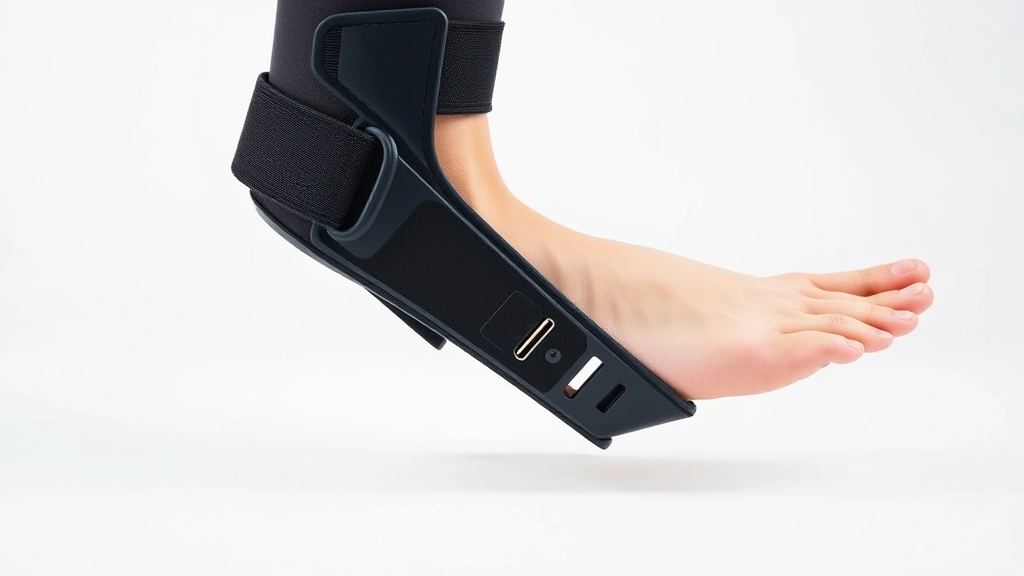
Ankle Braces represent the middle ground, offering moderate support with varying designs. Lace-up braces provide customizable compression and are easily adjustable during activity. Hinged braces offer greater mechanical support by limiting excessive inversion/eversion while allowing normal dorsiflexion and plantarflexion. Stirrup-style braces, featuring medial and lateral stays, deliver superior support for moderate to severe instability without completely restricting motion.
Rigid Ankle Supports and Casts provide maximum immobilization for severe sprains, fractures, or post-surgical protection. While offering excellent protection, these limit functional mobility and should only be used during acute injury phases or as directed by healthcare professionals. Air casts and removable boots combine rigid support with some adjustability, making them suitable for intermediate recovery phases.
Taping Techniques offer customizable support applied directly to the skin. Athletic tape applications like the Gibney technique or figure-eight method provide proprioceptive enhancement and mechanical support comparable to some braces. However, tape loses effectiveness within 30-60 minutes of activity and requires frequent reapplication, making it less practical for sustained use.
The choice between these options depends on injury severity, activity demands, budget considerations, and personal preference. Many individuals benefit from combining approaches—wearing a brace during high-demand activities while using compression sleeves for daily wear.
Expert-Recommended Ankle Protection Gear
Leading sports medicine professionals and athletic trainers recommend specific products based on clinical evidence and performance outcomes. When selecting ankle protection gear, prioritize quality construction, proper fit, and appropriate support level for your specific situation.
Premium Lace-Up Braces offer excellent value, combining affordability with reliable support. These braces feature reinforced lateral stays and adjustable straps that allow customization throughout the day. Quality lace-up options provide support comparable to taping while remaining reusable and easy to apply. They work particularly well for individuals with mild to moderate instability or those seeking preventive support during sports.
Hinged Ankle Braces deliver superior mechanical support through rigid medial and lateral hinges that prevent problematic inversion while allowing normal ankle motion. These braces are ideal for individuals with chronic instability, those returning to sports after significant ankle injuries, or athletes in high-demand sports like basketball and soccer. The hinge mechanism reduces stress on healing ligaments while maintaining functional mobility.
Compression Sleeves with Reinforcement combine mild support with excellent comfort for daily wear. Modern designs incorporate anatomical padding over vulnerable areas and graduated compression that enhances proprioceptive feedback. These work well for individuals with minor instability, those managing arthritis-related ankle pain, or athletes seeking subtle support without obvious bracing.
The National Institute of Standards and Technology doesn’t specifically address ankle gear, but their rigorous testing standards inform how reputable manufacturers validate product claims. Similarly, athletic equipment manufacturers increasingly follow evidence-based guidelines for support device effectiveness. Research from the American Physical Therapy Association provides comprehensive information on evidence-based ankle injury management and prevention strategies.
Strengthening Exercises for Ankle Stability
While ankle protection gear provides external support, internal stability from strong muscles and proprioceptive awareness prevents injuries more effectively than bracing alone. A comprehensive strengthening program addresses all ankle stabilizers including peroneals, tibialis anterior, and intrinsic foot muscles.
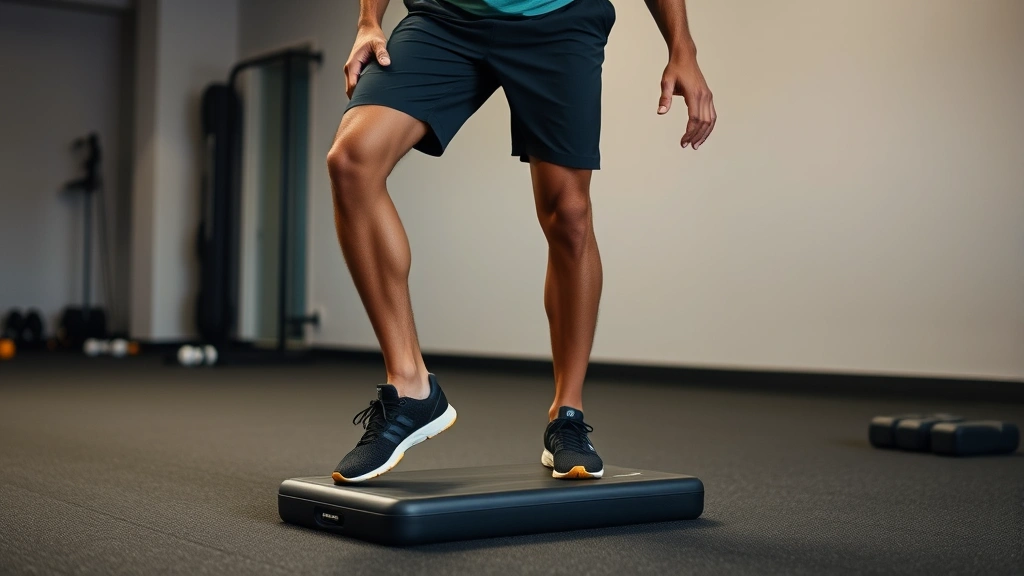
Single-Leg Balance Training develops proprioceptive awareness and stabilizer muscle activation. Stand on one leg for 30-60 seconds, progressing to unstable surfaces like foam pads or balance discs. This fundamental exercise improves neuromuscular control and reduces re-injury risk more effectively than passive bracing.
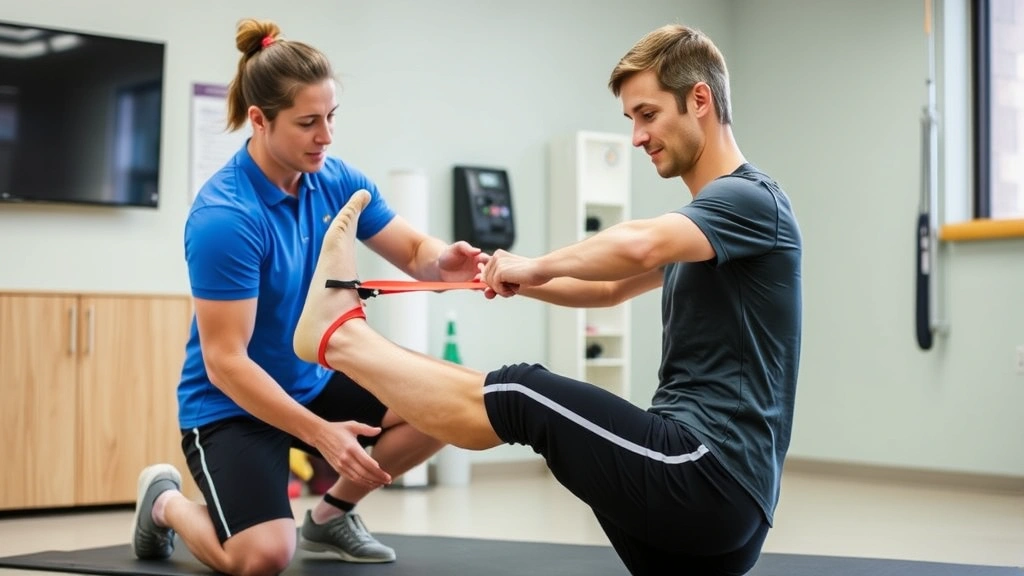
Resistance Band Exercises strengthen specific ankle stabilizer muscles. Perform plantarflexion, dorsiflexion, inversion, and eversion movements against resistance band tension. Complete 15-20 repetitions of each movement, 3-4 times weekly. These exercises build muscular endurance and strength in the peroneals and tibialis muscles that support ankle stability.
Calf Raises and Single-Leg Variations develop plantarflexor strength critical for ankle stability during propulsion. Perform double-leg calf raises for 15-20 repetitions, then progress to single-leg versions. This exercise strengthens the gastrocnemius and soleus muscles that provide powerful ankle support during walking, running, and jumping.
Lateral Band Walks activate the hip abductors and ankle stabilizers simultaneously. Place a resistance band around your legs just above or below the knees, maintaining a slight squat position while stepping sideways. This functional exercise addresses the kinetic chain contribution to ankle stability, as hip weakness often contributes to ankle injuries.
Proprioceptive Training on Unstable Surfaces replicates dynamic environments where ankle injuries occur. Use balance boards, wobble cushions, or foam surfaces to perform balance exercises, reaching movements, and light sport-specific activities. This training enhances your nervous system’s ability to detect and respond to ankle perturbations in real time.
Prevention Strategies for Active Individuals
Comprehensive ankle protection extends beyond individual exercises and gear selections. A holistic approach addressing multiple risk factors provides superior injury prevention outcomes.
Appropriate Footwear Selection significantly impacts ankle injury risk. Choose shoes with adequate ankle collar height, firm heel counters, and supportive midsoles. For activities involving lateral movements like basketball or tennis, higher-cut shoes provide additional ankle support. Trail running shoes offer better ankle support than road running shoes due to their stiffer shanks and protective toe boxes.
Gradual Activity Progression prevents overuse injuries and allows your body to adapt to increasing demands. Follow the 10% rule—increase training volume, intensity, or duration by no more than 10% weekly. This conservative progression allows your ankle stabilizers to strengthen and adapt without overwhelming their capacity.
Warm-Up and Cool-Down Protocols prepare your body for activity and facilitate recovery. Include dynamic ankle mobility work during warm-ups, such as ankle circles, dorsiflexion/plantarflexion movements, and light inversion/eversion. Cool-down stretching maintains flexibility in the gastrocnemius, soleus, and peroneals.
Surface Awareness and Hazard Management prevents many ankle injuries. Watch your footing on uneven terrain, avoid running on excessively sloped surfaces, and modify activities when environmental conditions increase injury risk. Many ankle sprains occur on poor surfaces—wet grass, gravel, or uneven pavement—where proprioceptive feedback becomes crucial.
Cross-Training and Activity Variation reduces repetitive stress while building balanced strength. Alternate between different sports or activities that stress different movement patterns. This approach prevents overuse injuries while developing comprehensive ankle stability across multiple movement planes.
Professional guidance from physical therapists or athletic trainers provides personalized prevention strategies based on your specific risk factors, movement patterns, and activity demands. These experts can identify biomechanical issues or muscle imbalances contributing to ankle injury risk and design targeted interventions. The National Athletic Trainers’ Association offers resources for finding qualified professionals in your area.
Recovery and Rehabilitation Protocols
Proper rehabilitation after ankle injuries prevents chronic instability and reduces re-injury risk. The recovery process progresses through distinct phases, each with specific goals and appropriate interventions.
Acute Phase (0-3 Days) focuses on controlling inflammation and protecting healing tissues. Follow the RICE protocol—rest, ice, compression, and elevation. Limit weight-bearing to pain-free levels and use appropriate ankle protection gear to prevent additional stress on injured ligaments. Ice applications for 15-20 minutes every 2-3 hours reduce swelling and pain during this critical phase.
Early Subacute Phase (3-7 Days) introduces gentle range-of-motion work and begins proprioceptive training. Perform ankle alphabet exercises—tracing letters with your toes—to develop controlled motion. Begin balance training on stable surfaces and introduce resistance band exercises at low intensity. Continue using ankle support gear during this phase to protect healing tissues while gradually increasing activity.
Late Subacute Phase (1-3 Weeks) progresses strengthening and proprioceptive training. Increase resistance band exercise intensity and repetitions, introduce balance training on unstable surfaces, and begin functional movement patterns. Weight-bearing should progress to full tolerance if pain-free. Ankle protection gear can transition from rigid braces to compression sleeves as stability improves.
Return-to-Activity Phase (3+ Weeks) reintroduces sport-specific movements and higher-intensity training. Perform agility drills, plyometric exercises, and sport-specific movements appropriate for your activity. Continue strengthening and proprioceptive training to maintain improvements and prevent re-injury. Many individuals benefit from continued brace use during sport participation even after returning to full activity.
Individual recovery timelines vary significantly based on injury severity, rehabilitation compliance, and age. Grade I ankle sprains (minor ligament stretching) typically heal within 2-3 weeks with appropriate management. Grade II sprains (partial ligament tears) require 3-6 weeks of rehabilitation. Grade III sprains (complete ligament tears) may require 6-12 weeks or longer, sometimes including surgical intervention. Consult healthcare professionals to ensure your specific rehabilitation timeline matches your injury severity.
The American College of Sports Medicine provides evidence-based guidelines for return-to-sport decisions following ankle injuries. These guidelines help ensure you progress appropriately without rushing recovery and risking re-injury.
FAQ
When should I use ankle braces versus compression sleeves?
Use ankle braces for moderate to severe instability, high-demand activities, or during recovery from significant injuries. Compression sleeves work well for mild instability, daily wear, or preventive support during low-impact activities. Many individuals use braces during sports and compression sleeves for everyday activities. Your specific needs depend on injury history, activity demands, and comfort preferences.
Can ankle braces prevent sprains completely?
No single intervention prevents all ankle injuries, but ankle braces significantly reduce sprain risk when combined with appropriate strengthening and proprioceptive training. Studies show that bracing reduces ankle sprain risk by 50-70% in individuals with previous injuries. However, strengthening exercises and proprioceptive training provide comparable or superior protection compared to bracing alone.
How long should I wear ankle protection after an injury?
Wear appropriate ankle protection during the entire healing phase and return-to-activity progression. For mild sprains, this typically means 2-3 weeks of continuous or near-continuous use, transitioning to activity-specific use for another 2-4 weeks. Severe injuries may require extended protection lasting several months. Continue wearing braces during high-demand activities even after returning to full participation to prevent re-injury.
Are expensive ankle braces better than budget options?
Price doesn’t always correlate with effectiveness. Many mid-range braces provide comparable support to expensive options. Key factors include proper fit, appropriate support level for your needs, and durability. Expensive braces may offer enhanced comfort, longer lifespan, or additional features, but a well-fitting $30 brace often outperforms a poorly-fitted $150 option. Prioritize fit and support type over brand reputation or price.
Can I do strengthening exercises while wearing an ankle brace?
Yes, strengthening exercises while wearing braces can be beneficial, particularly during early rehabilitation phases. However, remove braces for some exercises to ensure your muscles develop stability without external support. A balanced approach includes some exercises with bracing and some without, gradually reducing brace reliance as strength improves. Consult physical therapists for specific exercise recommendations regarding brace use.
What’s the difference between ankle instability and ankle pain?
Ankle instability involves the ankle giving way or feeling unstable, often related to ligament damage or proprioceptive deficits. Ankle pain can result from various causes including sprains, arthritis, tendinitis, or nerve irritation. These conditions often occur together but require different management approaches. Pain alone may resolve with rest and anti-inflammatory measures, while instability typically requires specific strengthening and proprioceptive training. Proper diagnosis helps ensure appropriate treatment.


