Protect Sewer Lines: American Water Infrastructure Security and Cyber Threats
American water systems face unprecedented challenges in protecting critical infrastructure, and sewer line protection has become a multifaceted concern that extends far beyond traditional pipe maintenance. As municipalities across the nation grapple with aging infrastructure and emerging cyber threats, understanding how to safeguard these essential systems is crucial for public health and community safety. The intersection of physical deterioration and digital vulnerabilities creates a complex landscape where American water utilities must adopt comprehensive protection strategies that address both traditional engineering challenges and modern cybersecurity risks.
The American Water Works Association reports that the nation’s water infrastructure requires significant investment and modernization efforts. However, many communities remain unprepared for the sophisticated threats targeting their systems. This guide explores critical insights into sewer line protection, examining how American water providers can implement robust defenses against both physical degradation and cyber attacks that could compromise service delivery and public safety.
Understanding Sewer Line Vulnerabilities
Sewer lines represent critical infrastructure that handles wastewater from residential, commercial, and industrial sources. These systems are vulnerable to multiple types of damage and compromise. Root intrusion, corrosion, ground settling, and structural defects represent traditional threats that have plagued municipalities for decades. However, the digital age has introduced new vulnerabilities that compound these physical challenges.
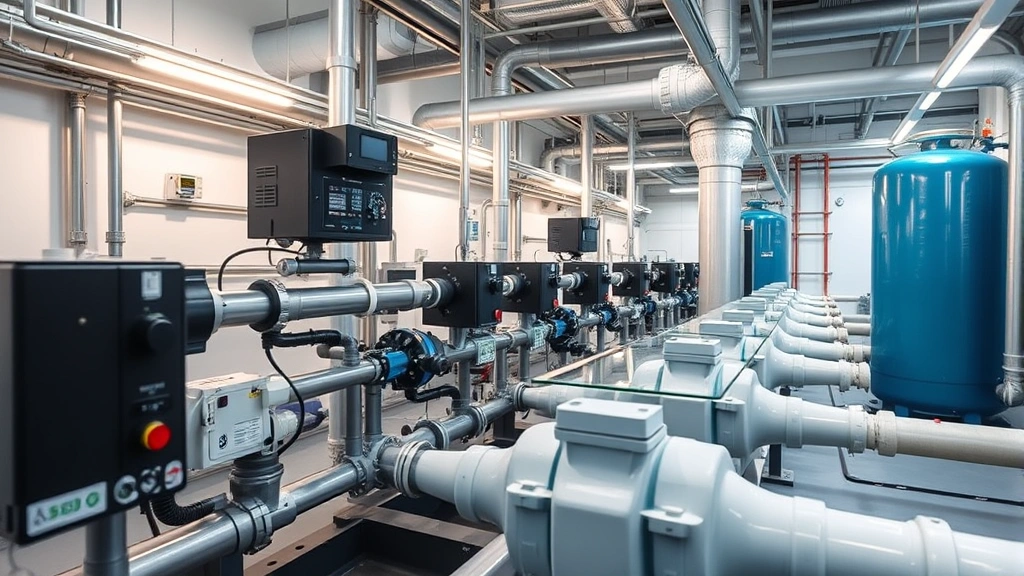
American water utilities operate complex networks of pipes, pumps, and treatment facilities spanning thousands of miles. Many of these systems were constructed decades ago and lack the redundancy and monitoring capabilities modern infrastructure demands. When sewer lines fail, the consequences extend beyond service interruption—they threaten environmental contamination, public health crises, and significant economic losses. Understanding these vulnerabilities forms the foundation for developing effective protection strategies.
The age of American sewer infrastructure presents a particular challenge. The American Society of Civil Engineers estimates that water infrastructure receives a D+ grade nationally, indicating significant deficiencies. Aging pipes become increasingly susceptible to breaks, leaks, and infiltration. When combined with cyber vulnerabilities in monitoring and control systems, these physical weaknesses create compound risks that require integrated solutions.
Cyber Threats to Water Infrastructure
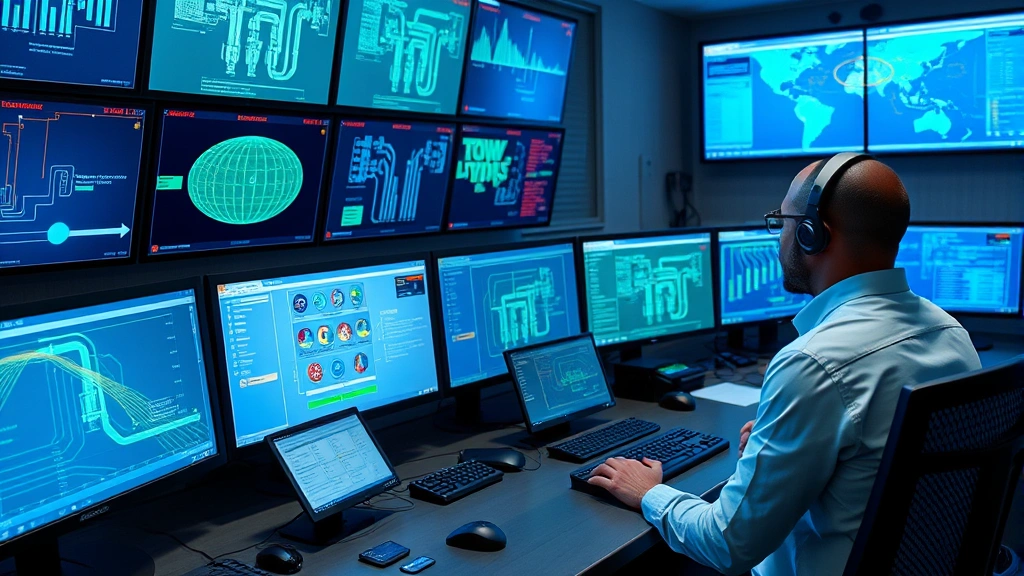
Water utilities increasingly rely on Industrial Control Systems (ICS) and Supervisory Control and Data Acquisition (SCADA) systems to manage sewer operations. These systems monitor flow rates, control pumps, and manage treatment processes. Cyber attacks targeting these systems can disrupt critical operations and compromise public safety. The Cybersecurity and Infrastructure Security Agency (CISA) has documented numerous incidents where threat actors attempted to compromise water system controls.
Common cyber threats to American water infrastructure include:
- Ransomware attacks that encrypt operational systems and demand payment for restoration
- Remote access trojans that establish persistent backdoors in control systems
- Denial-of-service attacks that overwhelm communication networks and prevent legitimate operations
- Data breaches that expose customer information and system vulnerabilities
- Supply chain compromises that introduce malicious code through software updates
The interconnected nature of modern water systems increases attack surfaces. Many utilities have expanded remote access capabilities for operational convenience, but these connections often lack adequate security controls. Legacy systems running outdated software cannot receive security patches, creating persistent vulnerabilities. CISA provides resources and guidance for water utilities seeking to improve their cybersecurity posture.
Recent incidents demonstrate the real-world consequences of inadequate cyber protection. Water systems in multiple states have experienced operational disruptions from cyber attacks, highlighting the critical need for robust defenses. Protecting sewer line operations requires addressing both the physical infrastructure and the digital systems that control them.
Physical Protection Strategies
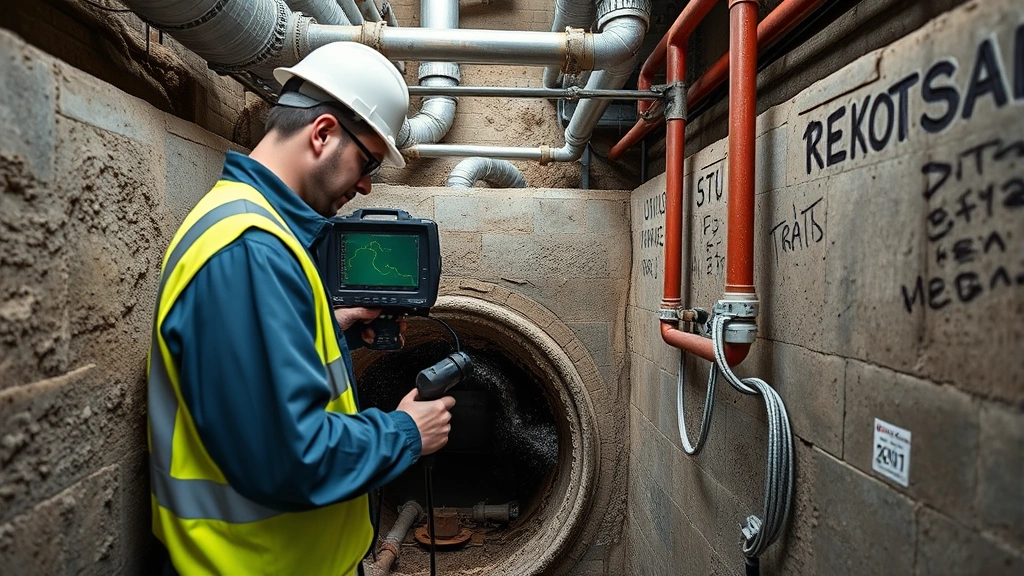
Traditional sewer line protection involves preventive maintenance, inspection, and rehabilitation. Regular cleaning removes debris and prevents blockages that can cause backups and environmental damage. Video inspection technology allows operators to identify structural problems before they become critical failures. Trenchless rehabilitation techniques enable repairs without extensive excavation, reducing costs and disruption.
American water utilities employ several proven strategies for physical sewer line protection:
- Preventive maintenance programs that establish regular cleaning schedules based on system conditions and historical performance
- Condition assessment technologies including CCTV inspection, sonar imaging, and pressure testing to identify defects
- Rehabilitation methods such as pipe bursting, cured-in-place pipe (CIPP) lining, and traditional replacement
- Root control measures including chemical treatments and mechanical removal
- Structural repairs addressing cracks, collapses, and joint failures
The investment in physical infrastructure protection provides substantial returns. Preventing sewer line failures reduces emergency response costs, minimizes environmental damage, and maintains service continuity. However, these physical protections alone prove insufficient in today’s threat environment. Integrated approaches combining physical and cyber security provide comprehensive risk mitigation.
American Water Systems and Security Standards
American water utilities operate under various regulatory frameworks designed to ensure safety and reliability. The Safe Drinking Water Act establishes standards for water quality, while the Clean Water Act regulates wastewater treatment. However, cybersecurity requirements have historically received less attention than these traditional safety regulations.
The National Institute of Standards and Technology (NIST) has developed frameworks specifically addressing cybersecurity in critical infrastructure. NIST guidelines provide comprehensive approaches to identifying, protecting, detecting, responding to, and recovering from cyber attacks. Water utilities increasingly adopt NIST frameworks to establish security baselines and measure their security maturity.
Several standards specifically address water system security:
- AWWA Cybersecurity Guidance provides water utility-specific recommendations
- IEC 62443 establishes industrial automation and control system security requirements
- NERC CIP standards apply to certain critical infrastructure operators
- NIST Cybersecurity Framework offers comprehensive risk management guidance
American water utilities must balance regulatory compliance with operational efficiency and budget constraints. Smaller utilities often lack dedicated cybersecurity resources, creating significant vulnerability gaps. Developing effective security programs requires commitment from leadership, adequate funding, and technical expertise. Organizations providing industry insights and analysis can help utilities understand emerging threats and best practices.
Implementation Best Practices
Protecting American water sewer lines requires systematic implementation of security controls across multiple domains. Successful programs establish clear governance structures, define roles and responsibilities, and allocate adequate resources. Executive leadership must champion security initiatives and ensure that cybersecurity receives appropriate priority alongside operational excellence.
Key implementation elements include:
- Asset inventory management documenting all systems, software, and infrastructure components
- Network segmentation isolating critical control systems from general IT networks
- Access controls limiting system access to authorized personnel with appropriate authentication
- Patch management programs ensuring timely deployment of security updates
- Encryption protocols protecting data in transit and at rest
- Backup and recovery procedures enabling rapid restoration after incidents
Training and awareness programs prove essential for successful implementation. Employees represent both an organization’s strongest asset and potential vulnerability. Regular security training helps staff recognize threats and follow secure practices. Phishing simulations and security awareness campaigns reinforce proper behaviors and identify personnel requiring additional education.
American water utilities benefit from collaborative approaches to security. Information sharing through organizations like the Water Information Sharing and Analysis Center (WaterISAC) enables utilities to learn from others’ experiences and respond more effectively to emerging threats. Partnerships with cybersecurity professionals provide expertise that smaller utilities cannot maintain internally.
Monitoring and Detection Systems
Continuous monitoring provides essential visibility into sewer system operations and potential threats. Real-time monitoring systems detect anomalies indicating equipment failures, unusual operational patterns, or potential cyber attacks. Advanced analytics identify subtle indicators that might escape human notice, enabling faster response to emerging problems.
Modern monitoring architectures integrate multiple data sources:
- SCADA systems collecting operational data from pumps, valves, and treatment processes
- Network monitoring tools detecting unusual traffic patterns and unauthorized access attempts
- Log aggregation platforms centralizing security events for analysis and investigation
- Environmental sensors monitoring water quality and detecting contamination
- Physical security systems tracking access to critical facilities
Effective detection requires establishing baselines of normal operations. Machine learning algorithms can identify deviations from these baselines, alerting operators to potential problems before they escalate. However, detection systems generate substantial data volumes that require skilled analysts to interpret effectively. Balancing automated alerts with human expertise optimizes threat identification.
Response procedures must clearly define escalation paths and decision authorities. When monitoring systems detect potential incidents, rapid communication ensures appropriate personnel engage quickly. Incident response teams require clear procedures, defined roles, and regular training to respond effectively under pressure. CISA alerts and advisories provide timely information about emerging threats affecting water systems.
Community Resilience Planning
Sewer system disruptions extend beyond water utilities—they impact entire communities. Effective protection strategies consider broader community resilience, ensuring that even when incidents occur, essential services continue with minimal disruption. Resilience planning identifies critical dependencies and develops alternative approaches to maintain service delivery.
Community resilience components include:
- Emergency response coordination with local health departments, environmental agencies, and emergency management
- Public communication plans ensuring timely notification when service disruptions occur
- Alternative water sources for essential functions during sewer system failures
- Mutual aid agreements with neighboring utilities enabling resource sharing during incidents
- Business continuity planning for critical facilities dependent on sewer services
Public education about sewer system protection helps communities understand why utilities invest in security and what behaviors support system reliability. Educating residents about proper disposal practices, water conservation, and emergency procedures creates a partnership approach to infrastructure protection. Communities that understand sewer system vulnerabilities become active participants in protection efforts.
Long-term resilience requires sustained investment in infrastructure modernization. Aging pipes cannot be protected indefinitely—eventually they require replacement with modern systems incorporating security by design. American water utilities must develop capital improvement plans that systematically upgrade aging infrastructure while implementing contemporary security controls. Planning for strategic infrastructure investments requires vision extending decades into the future.
FAQ
What are the primary threats to American sewer line infrastructure?
Sewer lines face both traditional threats like root intrusion, corrosion, and ground settling, and modern cyber threats targeting control systems. Physical degradation occurs naturally over decades, while cyber attacks can compromise operations rapidly. Integrated protection addresses both threat categories.
How can water utilities detect cyber attacks on sewer systems?
Continuous monitoring of network traffic, system logs, and operational parameters enables detection of cyber attacks. Unusual patterns—such as unexpected changes in pump speeds, unauthorized access attempts, or network anomalies—indicate potential incidents. Real-time alerting allows rapid response.
What security standards apply to American water utilities?
Water utilities must comply with AWWA cybersecurity guidance, NIST frameworks, and industry-specific standards like IEC 62443. Some utilities operating critical infrastructure must meet NERC CIP standards. Regulatory requirements vary based on utility size and classification.
How much does sewer line protection cost?
Costs vary dramatically based on system size, condition, and protection strategies. Preventive maintenance costs significantly less than emergency repairs, making investment in protection economically sound. Modern utilities allocate 1-3% of revenue to capital improvements including security investments.
Can smaller water utilities afford comprehensive cyber security?
Smaller utilities face genuine resource constraints, but several approaches enable cost-effective security. Shared services, cloud-based solutions, open-source tools, and cooperative arrangements with other utilities reduce individual costs. Prioritizing critical systems provides maximum protection within budget constraints.
What should communities do if sewer service is disrupted?
Follow guidance from water utility authorities regarding service disruptions. Conserve water usage, avoid flushing unnecessary items, and monitor public communications for updates. For extended disruptions, utilities provide alternative arrangements and support for affected customers.
How does sewer line protection connect to broader water security?
Sewer systems and drinking water systems operate interconnected infrastructure networks. Protecting comprehensive water security requires addressing all components. Vulnerabilities in sewer systems can affect drinking water quality and treatment effectiveness.


