
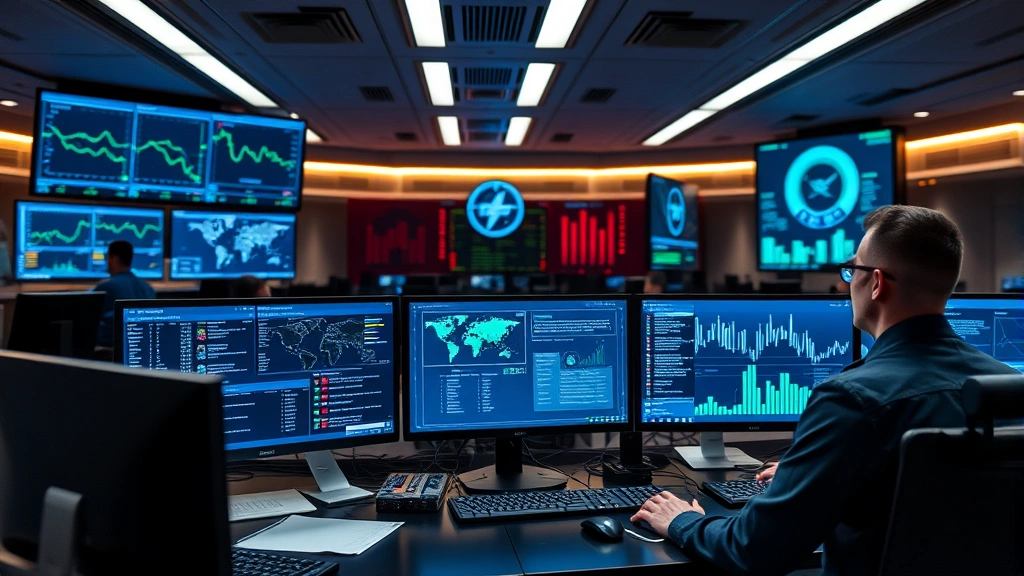
Are American Security Services Enough? Expert Insight on National Cybersecurity Infrastructure
The question of whether American security services adequately protect national infrastructure and citizens has become increasingly urgent in an era of sophisticated cyber threats. From ransomware attacks on critical infrastructure to data breaches affecting millions of Americans, the landscape of security challenges continues to evolve faster than defensive capabilities can adapt. Major incidents involving healthcare systems, energy grids, and government agencies have prompted serious scrutiny of existing security frameworks and the adequacy of current protective measures.
Security experts, government officials, and industry leaders are engaged in ongoing debates about resource allocation, coordination between agencies, and the effectiveness of current threat detection and response mechanisms. This comprehensive analysis examines whether current American security services meet the nation’s defensive needs, identifies critical gaps, and explores expert recommendations for strengthening national security posture.
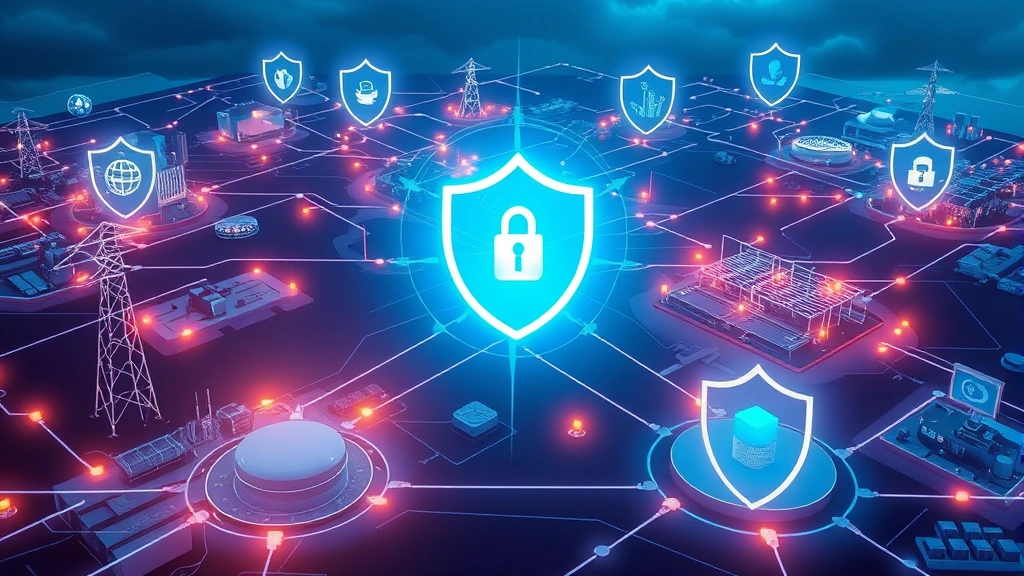
Understanding American Security Services Infrastructure
The American security apparatus comprises multiple federal agencies, each with distinct mandates and operational domains. The Department of Homeland Security (DHS), Federal Bureau of Investigation (FBI), National Security Agency (NSA), and Cybersecurity and Infrastructure Security Agency (CISA) represent the primary federal entities responsible for protecting American citizens and infrastructure. Additionally, military cyber commands and intelligence agencies contribute to national defense strategies.
CISA, established as a standalone agency in 2018, serves as the nation’s premier civilian cybersecurity authority. This organization works directly with government agencies and critical infrastructure operators to identify vulnerabilities, disseminate threat intelligence, and coordinate incident response efforts. The agency’s expansion reflects growing recognition that cybersecurity requires dedicated, specialized focus rather than secondary consideration within larger bureaucratic structures.
The FBI’s Cyber Division investigates cyber crimes, espionage, and attacks on critical infrastructure, maintaining field offices across the country with specialized cyber expertise. Meanwhile, the NSA conducts signals intelligence and provides cybersecurity guidance to government and defense contractors. Despite their distinct roles, these agencies must coordinate effectively to address threats spanning multiple domains. Read more about current security assessments and evolving threat landscapes in specialized publications.

Current Threats and Vulnerabilities
The threat environment facing American security services has fundamentally transformed over the past decade. Nation-state actors, particularly Russia, China, Iran, and North Korea, conduct sophisticated cyber operations targeting government systems, critical infrastructure, and private sector networks. These adversaries employ advanced persistent threat (APT) techniques, supply chain attacks, and zero-day exploits that challenge traditional defensive approaches.
Ransomware represents an escalating threat to critical infrastructure operators. Attacks on hospitals, water treatment facilities, and energy companies have demonstrated the real-world consequences of successful intrusions. The Colonial Pipeline ransomware attack in 2021 exposed vulnerabilities in operational technology security and highlighted gaps between IT and OT security practices. Similarly, the healthcare sector faces constant targeting, with attackers exploiting the critical nature of medical systems to demand ransom payments.
Supply chain vulnerabilities have emerged as a particularly insidious threat vector. The SolarWinds incident, where attackers compromised software updates to infiltrate government agencies and Fortune 500 companies, demonstrated how adversaries can leverage trusted vendors to achieve widespread access. Subsequent investigations revealed that CISA recommendations for supply chain security were not universally implemented, leaving organizations vulnerable to similar attacks.
Zero-day vulnerabilities represent another critical challenge. Security researchers regularly discover previously unknown flaws in widely-used software, sometimes before vendors can develop patches. The time between discovery and patch deployment creates windows of vulnerability that sophisticated attackers actively exploit. The sheer volume of interconnected systems, cloud infrastructure, and IoT devices exponentially increases the attack surface that security services must monitor and defend.
Resource Allocation and Funding Challenges
Despite recognition of cyber threats’ severity, American security services face persistent resource constraints. Cybersecurity professionals command high salaries in the private sector, creating recruitment and retention challenges for government agencies. The federal workforce cannot always compete with private sector compensation packages, resulting in experienced talent flowing toward commercial opportunities.
Funding allocated to cybersecurity initiatives, while increasing, remains insufficient relative to threat scope and complexity. CISA’s budget has expanded significantly since its establishment, but experts argue that current allocations fall short of addressing comprehensive national needs. State and local governments face even more severe resource constraints, often lacking dedicated cybersecurity staff and modern defensive technologies.
Legacy systems present another resource challenge. Many government agencies and critical infrastructure operators maintain decades-old systems that lack modern security features. Upgrading these systems requires substantial investment, and agencies often struggle to justify budget requests for modernization when immediate operational needs compete for funding. This creates a dangerous situation where defenders must protect increasingly outdated technology against increasingly sophisticated attacks.
The private sector’s cybersecurity spending, while substantial, remains unevenly distributed. Large enterprises invest heavily in security infrastructure, while small and medium-sized businesses often lack resources for comprehensive defensive programs. This creates a security gradient where smaller organizations represent attractive targets for attackers seeking easier access to broader networks and supply chains.
Coordination Between Agencies
Effective national security requires seamless coordination between federal agencies, state and local governments, and private sector partners. However, organizational silos, classification restrictions, and competing priorities sometimes impede optimal collaboration. Information sharing between agencies remains challenging despite decades of reform efforts following 9/11.
The Cybersecurity and Infrastructure Protection Act established frameworks for government-to-private sector information sharing, but implementation challenges persist. Companies remain reluctant to share detailed breach information due to competitive concerns and liability fears. Meanwhile, government agencies operate under classification restrictions that prevent sharing certain threat intelligence with private sector partners who could benefit from this information.
CISA’s Automated Indicator Sharing (AIS) program attempts to address these challenges by enabling automated threat data exchange, but adoption rates remain lower than optimal. The program shares indicators of compromise and malware signatures, but more contextual intelligence regarding attacker motivations, techniques, and targeting priorities remains restricted to cleared personnel.
Regional coordination presents additional complexity. Critical infrastructure often spans state boundaries, requiring coordination between federal agencies, multiple state governments, and local authorities. Water treatment facilities, power grids, and transportation networks demonstrate how infrastructure interdependencies create coordination challenges. A successful attack on one system can cascade through interconnected networks, requiring rapid, coordinated response across organizational boundaries.
Private Sector Role in National Security
Critical infrastructure protection depends heavily on private sector security investments and practices. Telecommunications companies, energy providers, financial institutions, and technology firms control vast networks and systems essential to national functioning. These organizations operate under regulatory frameworks that mandate certain security practices, but the regulations themselves face criticism for inadequate rigor.
The financial sector maintains relatively mature cybersecurity programs, driven by regulatory requirements and the direct financial consequences of breaches. However, the energy sector has historically lagged in cybersecurity maturity, with many utilities operating under older security standards. Healthcare providers face unique challenges balancing patient care imperatives with security requirements, sometimes prioritizing availability over other security principles.
Technology companies increasingly serve as force multipliers for national security, providing threat intelligence to government agencies and conducting research on adversary techniques. However, this partnership remains imperfect, with companies sometimes reluctant to share information about vulnerabilities or attacks affecting their systems. Competitive pressures and concerns about reputational damage sometimes outweigh national security considerations.
The relationship between government and private sector security efforts remains asymmetrical. Government agencies can mandate security practices for contractors and critical infrastructure operators, but lack direct authority over most private sector organizations. This creates situations where security standards vary dramatically across industries and organization sizes, with smaller companies often maintaining minimal cybersecurity programs.
Expert Recommendations for Improvement
Security experts and government officials have proposed comprehensive reforms to strengthen American cybersecurity posture. These recommendations span organizational structure, funding, technology, workforce development, and international cooperation. Implementing these suggestions would require sustained commitment and resources, but experts argue that current inadequacies demand significant action.
Enhanced Information Sharing: Experts recommend establishing more robust frameworks for sharing threat intelligence between government agencies and with private sector partners. This includes expanding CISA’s authority to access network traffic data and streamlining classification review processes to enable faster intelligence dissemination. NIST cybersecurity frameworks should be updated more frequently to reflect evolving threats and incorporate lessons learned from recent major incidents.
Workforce Development: The cybersecurity workforce shortage demands aggressive recruitment, training, and retention strategies. Government agencies should establish fellowship programs, internships, and loan forgiveness initiatives to attract talent. Universities need expanded cybersecurity education programs with curricula reflecting current threat landscapes and industry requirements. Federal agencies should also improve compensation competitiveness to retain experienced professionals.
Critical Infrastructure Protection Standards: Current regulatory frameworks should be strengthened with more prescriptive security requirements. Agencies should establish sector-specific minimum security baselines and conduct regular assessments to verify compliance. This includes mandatory incident reporting requirements with standardized metrics enabling better threat trend analysis. Organizations should also implement zero-trust security architectures rather than perimeter-focused defenses.
Technology Investment: Government agencies require substantial investment in modern defensive technologies, including advanced threat detection systems, security information and event management (SIEM) platforms, and artificial intelligence-powered anomaly detection. These tools enable analysts to identify suspicious activities amid vast data volumes that human review alone cannot process. Cloud security technologies require particular attention as government agencies increasingly migrate systems and data to cloud platforms.
Supply Chain Security: Following the SolarWinds incident, experts recommend mandatory security assessments for vendors serving government agencies and critical infrastructure operators. Software bills of materials (SBOM) should become standard practice, enabling customers to understand component vulnerabilities and update risks. Agencies should also establish supplier security requirements and conduct regular audits verifying compliance.
International Coordination: Cybersecurity threats increasingly transcend national boundaries, requiring coordinated international responses. The United States should strengthen partnerships with allied nations, establishing joint threat intelligence sharing mechanisms and coordinated attribution efforts. Diplomatic pressure on nations harboring cybercriminals and state-sponsored attackers remains essential, though challenging to implement consistently.
Public-Private Partnerships: Expanding formal partnerships between government agencies and technology companies could leverage private sector expertise and resources. This includes threat intelligence sharing programs, joint research initiatives, and coordinated incident response mechanisms. Companies should establish security incident notification procedures enabling rapid government response to breaches affecting critical infrastructure.
FAQ
Are American security services adequately funded?
Current funding levels have increased significantly but remain insufficient relative to threat scope. CISA’s budget has expanded, but experts argue that comprehensive national cybersecurity protection requires substantially greater investment. State and local governments face particularly severe funding constraints, often lacking resources for modern security infrastructure.
Which agency leads American cybersecurity efforts?
CISA serves as the primary civilian cybersecurity authority, coordinating efforts across government agencies and working with critical infrastructure operators. However, the NSA, FBI, and military cyber commands also play significant roles in national defense. Coordination between these entities remains essential but sometimes imperfect.
How do American security services compare internationally?
The United States maintains advanced cybersecurity capabilities compared to most nations, but faces sophisticated threats from well-resourced nation-state adversaries. Countries like China and Russia invest heavily in cyber operations, and their capabilities continue advancing. International coordination with allied nations helps improve collective security posture.
What are the biggest gaps in American cybersecurity defense?
Critical gaps include inadequate information sharing between agencies, resource constraints limiting threat monitoring capabilities, workforce shortages, outdated legacy systems, and uneven security maturity across the private sector. Supply chain vulnerabilities and zero-day exploits also represent areas where defensive capabilities lag adversary capabilities.
How can organizations improve security beyond government protections?
Organizations should implement comprehensive security programs including regular security assessments, employee training, incident response planning, and adoption of security frameworks like those from CISA and NIST. Zero-trust security architectures, multi-factor authentication, and regular software updates provide foundational protection. Threat intelligence subscriptions enable organizations to understand adversary tactics and adjust defenses accordingly.
What role should private companies play in national security?
Private sector organizations should maintain robust security programs protecting critical infrastructure and customer data. Companies should share threat intelligence with government agencies and participate in information sharing programs. Supply chain security requires vendors to implement strong security practices and provide transparency regarding vulnerabilities and updates. For more insights on security assessments and current practices, explore comprehensive evaluation frameworks.