Is American Security Safe? Expert Analysis of Current Threats and Defenses
The question of whether American security is truly safe has become increasingly complex in our interconnected digital age. While the United States maintains sophisticated defense mechanisms across multiple sectors—government, military, infrastructure, and civilian networks—emerging threats continue to challenge these protections at an alarming rate. Understanding the current security landscape requires examining both the strengths of existing systems and the vulnerabilities that adversaries actively exploit.
American security encompasses a broad spectrum of concerns: cybersecurity threats targeting critical infrastructure, physical security vulnerabilities, data privacy breaches affecting millions of citizens, and foreign adversarial activities ranging from espionage to election interference. Recent years have demonstrated that no single agency or organization can guarantee absolute security in an environment where threats evolve daily and attack vectors multiply across digital and physical domains.
The State of American Cybersecurity Infrastructure
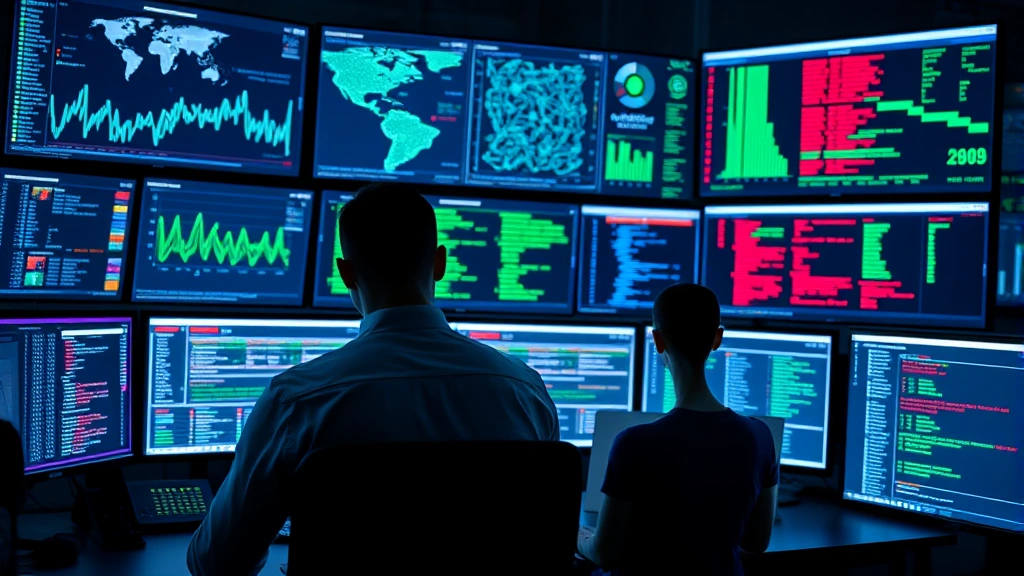
American cybersecurity infrastructure represents one of the most advanced defensive networks globally, yet it remains under constant siege. The Department of Defense, National Security Agency, and various federal agencies employ thousands of cybersecurity professionals and invest billions annually in defensive technologies. However, the sheer volume and sophistication of attacks continue to overwhelm these defenses with regularity.
The 2023 and 2024 threat landscapes revealed that major corporations and government agencies experienced significant breaches despite substantial security investments. Ransomware attacks targeting healthcare systems, financial institutions, and manufacturing facilities demonstrated that even well-resourced organizations struggle against determined adversaries. According to CISA (Cybersecurity and Infrastructure Security Agency), the number of reported cybersecurity incidents continues climbing year-over-year, with state-sponsored actors showing increasing sophistication.
One critical issue is the fragmentation of cybersecurity responsibility across federal agencies. While CISA serves as the central hub for federal cybersecurity coordination, actual implementation varies significantly between departments. This inconsistency creates gaps where threats can penetrate. Additionally, the cybersecurity workforce shortage—estimated at over 700,000 unfilled positions nationally—means many organizations operate with insufficient security expertise to properly defend their systems.
Legacy systems present another significant vulnerability. Many government agencies and critical infrastructure operators continue running decades-old software that receives minimal security updates. Replacing these systems requires enormous capital investment and operational disruption, making modernization a slow, painful process. Meanwhile, threat actors actively hunt for exploits targeting known vulnerabilities in outdated systems.
Critical Infrastructure Vulnerabilities
Critical infrastructure—power grids, water systems, transportation networks, and communications—forms the backbone of American society. The security of these systems directly impacts national safety and economic stability. Yet numerous assessments indicate troubling vulnerabilities remain.
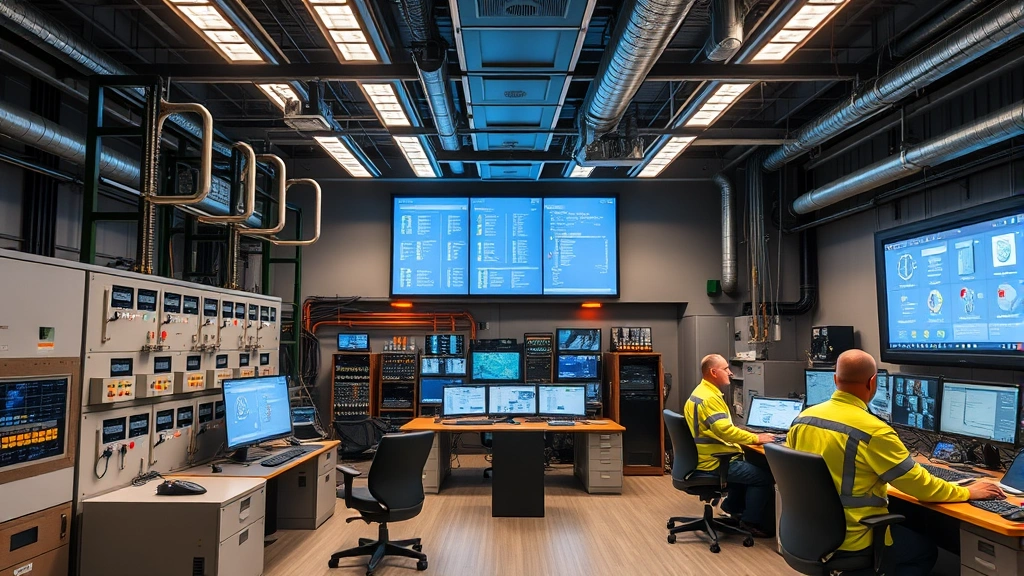
The energy sector faces particular risk. Electric grids operate on networks that were never designed with modern cybersecurity in mind. Industrial control systems managing power distribution often lack encryption, multi-factor authentication, and real-time intrusion detection. A successful attack on major grid components could leave millions without electricity, water, or communication for extended periods. The 2015 Ukraine power grid attack, attributed to Russian state actors, demonstrated exactly how real this threat is.
Water treatment facilities operate under similar constraints. Many municipal water systems use outdated SCADA (Supervisory Control and Data Acquisition) systems connected to networks with minimal security. An attacker gaining access could theoretically compromise water quality or create dangerous pressure fluctuations. The Colonial Pipeline ransomware attack in 2021 highlighted how critical infrastructure operators sometimes prioritize operational continuity over security hardening.
Transportation infrastructure—airports, railways, highway systems—increasingly relies on networked technologies for safety and efficiency. Air traffic control systems, while generally well-protected, represent catastrophic risk if compromised. Railway signaling systems similarly control safety-critical functions that could endanger thousands if attacked. The interconnection of these systems with commercial networks increases attack surface area and potential cascade failures.
The NIST Cybersecurity Framework provides guidelines for protecting critical infrastructure, yet adoption remains inconsistent. Smaller utilities and regional operators often lack resources to implement comprehensive frameworks, creating weak links in the national security chain.
Data Privacy and Consumer Protection
American citizens face unprecedented data collection and privacy risks. The average American’s personal information exists in hundreds of corporate databases, many with inadequate security controls. Credit card numbers, Social Security numbers, health information, and behavioral data are constantly targeted by criminals and foreign intelligence services.
The healthcare sector presents particular concern. Medical data commands premium prices on dark markets because it enables identity theft, insurance fraud, and blackmail. Hospital systems frequently operate under tight budgets that don’t accommodate robust cybersecurity. The ransomware attacks on healthcare providers in 2023 and 2024 disrupted patient care and forced institutions to pay millions in ransom, diverting resources from medical services.
Financial institutions maintain strong security standards due to regulatory requirements and competitive pressure, yet breaches still occur. The challenge intensifies as financial systems become more interconnected and mobile banking expands attack surface area. Consumer trust in financial security, while generally high, remains vulnerable to sophisticated phishing attacks and social engineering.
Data privacy laws in America remain fragmented compared to international standards. While the California Consumer Privacy Act (CCPA) and similar state regulations provide some protection, they pale in comparison to Europe’s General Data Protection Regulation (GDPR). The absence of comprehensive federal privacy legislation means consumers lack consistent protection across all states and industries.
Social media platforms and technology companies collect staggering amounts of personal data with minimal oversight. Terms of service often permit data sharing practices that users don’t fully understand. Foreign actors actively exploit these data repositories for espionage, influence operations, and identity theft targeting Americans.
Foreign Threats and Adversarial Operations
Perhaps the most concerning security challenge facing America involves sophisticated foreign adversaries conducting systematic operations against American interests. Russia, China, Iran, and North Korea maintain advanced cyber capabilities and demonstrate consistent willingness to use them.
Chinese state-sponsored actors conduct industrial espionage targeting American companies across all sectors. Intellectual property theft costs the U.S. economy hundreds of billions annually according to FBI estimates. These operations combine technical sophistication with human intelligence, making them exceptionally difficult to detect and counter. The Chinese military’s Unit 61398 and other identified groups operate with apparent impunity, knowing consequences remain minimal.
Russian operations focus on disruption and influence. The 2016 and 2020 election interference campaigns demonstrated Russia’s capability to penetrate voting infrastructure, manipulate social media discourse, and sow discord among Americans. While election security has improved, the underlying vulnerabilities persist. Voting machines in many jurisdictions lack paper trails for auditing, and election administration systems remain fragmented across states with varying security standards.
Iranian cyber operations, while less sophisticated than Russian or Chinese capabilities, show increasing sophistication and boldness. Iran has conducted destructive attacks against American companies and critical infrastructure, demonstrating willingness to escalate cyber operations in response to perceived threats.
North Korea’s operations focus on financial theft and espionage. The Lazarus Group has stolen billions from financial institutions and cryptocurrency exchanges. Their attacks on American companies demonstrate technical competence and strategic patience.
The challenge intensifying these threats involves attribution difficulty. Sophisticated attackers routinely use false flags, proxy networks, and compromised infrastructure to obscure origin. Responses to foreign operations often require political consensus that’s increasingly difficult to achieve in polarized America.
Government Response and Defense Initiatives
The federal government has implemented several major initiatives addressing security concerns. The National Cybersecurity Strategy, updated in 2023, represents the most comprehensive federal approach yet. It emphasizes shifting defensive responsibility toward technology companies, increasing information sharing, and strengthening critical infrastructure protection.
CISA has expanded its mandate and resources significantly, establishing incident response teams, vulnerability disclosure programs, and threat intelligence sharing platforms. The Cybersecurity and Infrastructure Security Agency works to coordinate federal cybersecurity efforts, though coordination challenges persist across the massive federal apparatus.
The Department of Homeland Security manages the Cybersecurity and Infrastructure Security Agency along with other security functions. However, the Department of Homeland Security faces resource constraints and jurisdictional limitations that complicate comprehensive security coordination. Intelligence agencies including the NSA, CIA, and FBI maintain sophisticated cyber capabilities but operate under legal restrictions and oversight requirements that sometimes limit effectiveness.
Congress has passed legislation addressing specific security concerns—election security funding, critical infrastructure protection standards, and breach notification requirements. However, legislation often lags behind threat evolution, creating regulatory gaps that adversaries exploit. The Biden administration’s executive orders on cybersecurity have pushed agencies toward stronger standards, though implementation timelines remain lengthy.
Military cyber operations through U.S. Cyber Command provide offensive and defensive capabilities, yet the rules of engagement governing cyber operations remain ambiguous. Questions persist about when and how the U.S. should respond to foreign cyber attacks with kinetic or cyber retaliation.
Private Sector Security Measures
American companies collectively invest over $200 billion annually in cybersecurity, yet breaches continue at alarming rates. The variance in security maturity across the private sector creates systemic risk. Large technology companies and financial institutions maintain sophisticated security programs, while small and medium businesses often operate with minimal protections.
Supply chain attacks have emerged as a critical vulnerability. Adversaries recognize that attacking major companies directly proves difficult, so they compromise smaller vendors and suppliers used by larger targets. The SolarWinds breach in 2020, attributed to Russian state actors, demonstrated how a single compromised software update could breach hundreds of American government agencies and corporations simultaneously.
The ISA/IEC 62443 industrial control system security standards provide guidance for protecting operational technology, yet adoption remains inconsistent. Companies often prioritize operational efficiency over security hardening, creating vulnerabilities in manufacturing, utilities, and other critical operations.
Cloud computing adoption introduces new security challenges. Many organizations inadequately understand cloud security responsibilities and misconfigure cloud storage, exposing sensitive data publicly. Insider threats—employees or contractors with malicious intent or negligence—represent a constant risk that technical controls cannot entirely eliminate.
Third-party risk management presents ongoing challenges. Organizations struggle to adequately assess and monitor the security practices of contractors, vendors, and service providers who access their systems and data. A single compromised vendor relationship can cascade into organizational breaches.

Emerging Threats on the Horizon
The future security landscape appears increasingly challenging. Artificial intelligence and machine learning technologies will enable both defenders and attackers to operate at unprecedented scale and speed. AI-powered attacks could identify vulnerabilities faster than humans can patch them. Conversely, AI-enabled defense systems may detect threats more effectively than traditional approaches.
Quantum computing represents a longer-term but existential threat to current encryption standards. The cryptography protecting sensitive government and corporate data could become obsolete within 10-15 years. NIST is developing post-quantum cryptography standards, but transitioning the entire digital infrastructure to quantum-resistant encryption will require years of effort and substantial investment.
Internet of Things (IoT) proliferation expands attack surface dramatically. Billions of connected devices—from smart home devices to industrial sensors—often ship with minimal security and receive no security updates throughout their operational lives. Botnets compromising millions of IoT devices already conduct massive distributed denial-of-service attacks. As IoT deployment accelerates, this threat will intensify.
Supply chain security will remain critical. As supply chains globalize further and become more interdependent, opportunities for adversarial insertion of compromised components increase. Hardware-level attacks embedded during manufacturing prove exceptionally difficult to detect and remediate.
Insider threats will evolve as remote work becomes permanent for many organizations. Monitoring employee activity while respecting privacy proves challenging. Malicious insiders with legitimate access can bypass many security controls, making behavioral analysis and access control critical.
Disinformation and influence operations will continue leveraging security vulnerabilities in information systems. Social media platforms, news organizations, and government communications all remain vulnerable to coordinated manipulation campaigns that exploit security weaknesses and human psychology.
FAQ
Is American cybersecurity improving or declining?
American cybersecurity improvements in detection and response capabilities are occurring, yet the volume and sophistication of attacks continue escalating faster than defenses can adapt. The net effect appears to be gradual decline in relative security posture, though absolute defensive capabilities have increased.
What should individual Americans do to improve personal security?
Individuals should enable multi-factor authentication on critical accounts, use strong unique passwords managed by password managers, maintain updated software, exercise caution with email links and attachments, and monitor credit reports for signs of identity theft. The CISA Secure Our World campaign provides additional guidance for personal cybersecurity.
Are voting systems secure enough?
Voting system security has improved significantly since 2016, yet vulnerabilities persist. Many jurisdictions lack paper ballot audit trails, some election administration systems remain networked to the internet, and election worker training on security varies substantially. Continued investment in election security remains essential.
What is the biggest security threat facing America?
The answer depends on perspective. From a critical infrastructure standpoint, coordinated cyberattacks against power grids represent catastrophic risk. From a national security standpoint, Chinese intellectual property theft and Russian election interference pose existential challenges. From a personal security standpoint, data breaches and identity theft affect millions annually. Comprehensive security requires addressing all these threats simultaneously.
Can cybersecurity companies protect against all attacks?
No. Cybersecurity companies provide valuable tools and expertise, yet determined, well-resourced adversaries continue finding ways to penetrate even heavily defended networks. Security should be viewed as risk reduction rather than risk elimination—the goal is making attacks sufficiently difficult and costly that adversaries seek easier targets.
How does American security compare internationally?
The United States maintains more advanced cyber capabilities than most nations, yet faces sophisticated threats from peer competitors like Russia and China. European nations maintain stronger privacy protections through GDPR and similar regulations. Israel and several other nations demonstrate exceptional defensive capabilities relative to their size. Overall, American security is strong in some areas and concerning in others compared to international peers.
The answer to whether American security is safe ultimately depends on how one defines safety. Absolute security is impossible in any complex system facing determined adversaries. However, American defensive capabilities, while imperfect, remain robust in many areas. The greater challenge involves addressing the fragmentation of responsibility, resource constraints, legacy system vulnerabilities, and the persistent gap between threat sophistication and defensive maturity. Continued investment in cybersecurity infrastructure, workforce development, and public-private partnership will be essential for maintaining American security in an increasingly threatening environment. The question isn’t whether American security is perfectly safe—it isn’t—but whether the nation can adapt defenses faster than threats evolve, which remains an ongoing struggle requiring sustained commitment and resources.


