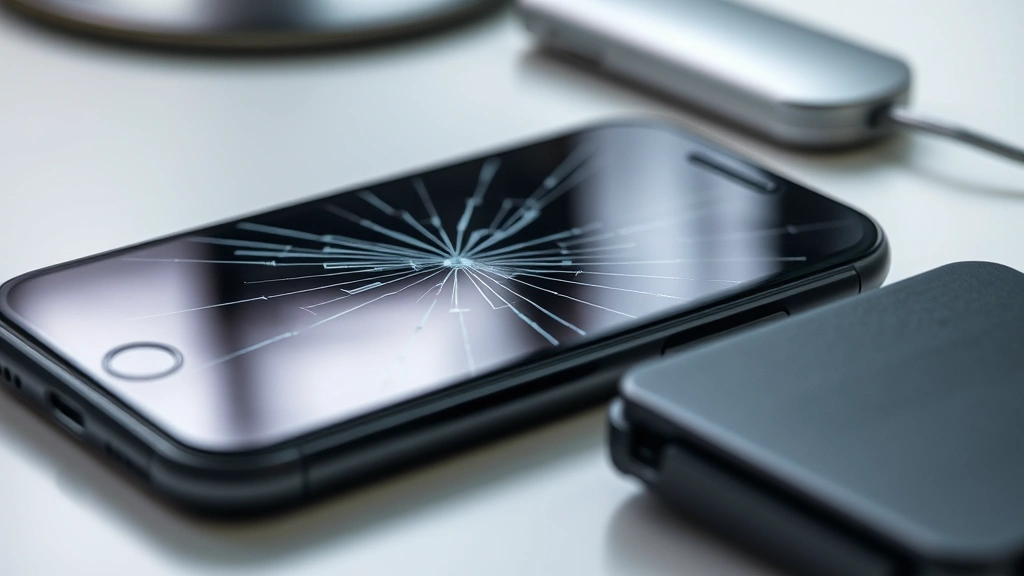
Is Asurion’s Plan Worth It? Expert Insights on Amazon Protection Plans
When you purchase expensive electronics through Amazon, protecting that investment becomes a critical decision. Asurion, one of the largest device protection providers in North America, offers extended warranty and accidental damage coverage through Amazon’s protection plan ecosystem. But is it actually worth your money? This comprehensive guide examines Asurion’s offerings, compares them to alternatives, and helps you make an informed decision based on real-world scenarios and expert analysis.
Device protection plans have become increasingly common as consumers invest more in smartphones, tablets, laptops, and smart home devices. Asurion handles millions of claims annually, making them a significant player in the protection plan industry. However, understanding the fine print, coverage limitations, and cost-benefit analysis is essential before committing your funds to extended protection.

Understanding Asurion Protection Plans
Asurion operates as a third-party administrator for device protection plans, handling claims processing, customer service, and repair coordination. When you purchase an Amazon protection plan for electronics, Asurion typically manages the backend operations. The company offers various coverage tiers, ranging from basic accidental damage protection to comprehensive plans covering theft, water damage, and mechanical breakdown.
The service model involves paying a monthly or upfront premium in exchange for coverage against specific damage scenarios. Upon damage or malfunction, you file a claim through Amazon’s platform or Asurion’s dedicated portal. The company then either authorizes repair, replacement, or provides a credit toward a new device, depending on your plan tier and the damage assessment.
Understanding the distinction between different protection plan types is crucial. Standard manufacturer warranties cover defects in materials and workmanship but exclude accidental damage, water exposure, and physical drops. Asurion’s plans fill this gap by covering scenarios manufacturers explicitly exclude. However, this broader coverage comes with higher premiums and specific limitations you must understand.

Coverage Details and What’s Actually Protected
Asurion’s protection plans typically cover accidental damage, which includes drops, spills, and impact damage. Most plans also include mechanical or electrical breakdown coverage, protecting against failures that occur outside manufacturer defect timeframes. Some premium tiers cover theft and loss, though these often require police reports or additional documentation.
Water damage coverage varies significantly by plan level. While basic plans might exclude liquid damage entirely, premium tiers often provide coverage for water exposure up to certain depths and durations. It’s essential to review your specific plan documents, as coverage specifics differ based on device type and purchase date.
Critical exclusions exist across all Asurion plans. Cosmetic damage—scratches, dents, and screen imperfections that don’t affect functionality—typically isn’t covered. Damage resulting from unauthorized repairs, modifications, or use outside manufacturer specifications is excluded. Additionally, plans rarely cover damage from intentional acts, criminal activity, or misuse.
The deductible structure represents another important consideration. Most plans require you to pay a deductible per claim, ranging from $25 to $250 depending on device value and plan tier. This means even when Asurion approves your claim, you’re responsible for a significant out-of-pocket expense. Understanding your deductible before filing is essential for accurate cost-benefit analysis.
Cost Analysis: Is the Premium Worth It?
Calculating whether Asurion protection makes financial sense requires honest assessment of your device usage patterns and risk tolerance. For a $300 smartphone, monthly premiums typically range from $8 to $15. Over two years, you’re investing $192 to $360 in protection alone, before considering deductibles on actual claims.
The break-even analysis depends on your likelihood of filing claims. If you’re careful with devices and rarely experience damage, paying premiums for years without claims represents pure expense. Conversely, if you’ve had multiple devices damaged by accidents in the past, protection plans might justify their cost through claim reimbursements.
Consider your financial situation honestly. If you can afford to replace a damaged device outright, self-insuring by setting aside monthly protection plan premiums in savings might be more economical. However, if unexpected device replacement would create financial hardship, the peace of mind and predictable costs of protection plans provide genuine value.
Device depreciation also factors into cost calculations. A three-year-old smartphone worth $150 might not justify continued protection plan premiums, especially if deductibles consume significant portions of replacement value. Regularly reassessing whether protection remains worthwhile prevents overpaying for unnecessary coverage.
Comparing Asurion to Manufacturer Warranties
Manufacturer warranties, typically lasting one year, cover defects in materials and workmanship at no additional cost. Asurion plans extend protection beyond this period and cover scenarios manufacturers exclude. Understanding this complementary relationship helps clarify when each type of protection applies.
Apple Care+ and Samsung Care+ represent manufacturer-specific alternatives to Asurion’s third-party plans. These official programs often provide faster service through manufacturer channels, direct access to support, and sometimes superior replacement options. However, they typically cost more than third-party plans for comparable coverage.
Third-party plans like those administered by Asurion offer lower premiums but potentially slower claims processing and less direct manufacturer support. When claims are approved, you might receive refurbished devices or third-party repairs rather than manufacturer replacements. This trade-off between cost and service quality significantly impacts user satisfaction.
Evaluating your device brand matters considerably. Premium brands with excellent manufacturer support programs might offer better value through official coverage, while budget device manufacturers with limited support infrastructure might make third-party plans more attractive. Researching your specific device manufacturer’s warranty and protection options provides crucial context.
Real Claims Data and Success Rates
Asurion processes over 10 million claims annually, making them statistically significant in the protection plan industry. However, publicly available data on claim approval rates and customer satisfaction remains limited. Industry reports suggest approval rates typically range from 70-85%, meaning roughly 15-30% of claims face denial or partial denial.
Common denial reasons include damage from excluded scenarios, failure to meet documentation requirements, or pre-existing damage claims. Understanding these patterns helps you file claims strategically and avoid common pitfalls. Proper documentation at time of damage, including photos and detailed descriptions, significantly improves claim approval likelihood.
Customer service experiences vary considerably based on individual representatives and claim complexity. Some users report smooth claims processes completed within days, while others describe months-long disputes over coverage eligibility. Reading recent customer reviews and checking Better Business Bureau ratings provides realistic expectations about service quality.
Third-party reviews on independent sites often reveal patterns that official company communications obscure. Reddit communities dedicated to consumer protection, tech support forums, and consumer advocacy websites frequently feature detailed claim experiences from actual users. These real-world accounts provide invaluable perspective beyond marketing materials.
When Asurion Coverage Makes Sense
Protection plans become most valuable for high-risk users with demonstrated histories of device damage. If you’ve replaced phones due to accidental damage multiple times, protection plans likely pay for themselves through claim reimbursements. Families with children who frequently drop devices also benefit substantially from coverage.
Expensive devices with high replacement costs justify protection plan premiums more easily than budget alternatives. A cracked screen on a $1,200 flagship laptop represents a $300-500 repair; Asurion coverage with a reasonable deductible might save significant money. For $200 budget devices, protection premiums quickly exceed replacement cost through depreciation.
Professional users who depend on devices for income should seriously consider comprehensive protection. A photographer whose laptop fails during a critical project, or a freelancer whose smartphone damage causes missed client communications, experiences costs far exceeding protection premiums. In these scenarios, coverage provides business continuity insurance beyond simple device replacement.
Geographic and lifestyle factors influence protection value. Those in climates with high humidity, frequent water exposure, or particularly accident-prone environments face elevated device damage risks. Similarly, travelers and outdoor enthusiasts encounter more damage scenarios than sedentary users, making protection plans more economically justified.
Common Exclusions That Deny Claims
Understanding what Asurion explicitly excludes prevents disappointing claim denials. Intentional damage, whether self-inflicted or from third parties, isn’t covered. Damage resulting from unauthorized modifications, non-approved repairs, or use outside manufacturer specifications typically triggers denial. This means installing unofficial parts or attempting self-repairs might void coverage.
Environmental damage from extreme temperatures, humidity, or exposure to chemicals usually isn’t covered unless your specific plan explicitly includes such scenarios. Normal wear and tear—degraded battery capacity, faded screens, or worn charging ports—falls outside protection plan scope. These are considered normal device aging rather than insurable incidents.
Loss and theft coverage, when available, typically requires police reports and proof of ownership. Claims without proper documentation face automatic denial. Additionally, many plans exclude loss if you failed to take reasonable precautions, such as leaving devices unattended in public spaces or vehicles.
Pre-existing damage represents another common denial trigger. If damage existed before plan activation, Asurion won’t cover it. This creates disputes when users question claim dates versus damage occurrence. Documenting device condition at plan activation through photos and detailed notes protects against these conflicts.
Cosmetic damage exclusions frequently frustrate users. A phone with a cracked back panel that functions perfectly might not qualify for replacement if the damage doesn’t affect device operation. Understanding this distinction between functional and cosmetic damage before filing prevents wasted claim attempts.
Reviewing your specific plan documents thoroughly before damage occurs is essential. Exclusions vary by plan tier, device type, and purchase date. What’s covered for one device might be excluded for another. Keeping digital copies of your plan documentation ensures you can quickly reference coverage details when incidents occur.
Making Your Decision
Determining whether Asurion’s protection plans merit your investment requires honest self-assessment across multiple dimensions. Consider your historical device damage frequency, financial capacity to replace devices, device value, and actual usage patterns. For some users, protection plans represent smart risk management; for others, they’re unnecessary expenses.
If you decide protection makes sense, ensure you understand your specific plan’s coverage, deductibles, and exclusions before purchasing. Read all documentation carefully, not just marketing summaries. File claims promptly with thorough documentation when incidents occur. Keep records of all communications and claim references for future reference.
Regularly reassess whether continued protection remains worthwhile, especially as devices age and depreciate. Canceling coverage on older devices approaching end-of-life can reduce unnecessary expenses. Conversely, if you’re accident-prone, maintaining coverage on new expensive devices protects against catastrophic replacement costs.
Consider alternatives like manufacturer protection programs, credit card coverage benefits, or personal savings strategies. Combining multiple protection layers—such as device cases with manufacturer warranty plus selective Asurion coverage—might provide optimal cost-benefit balance for your situation.


