Allstate Furniture Plan: Is It Worth It? Expert Insights on Protection Coverage
When you invest in quality furniture for your home, protecting that investment becomes a legitimate concern. The Allstate Furniture Protection Plan promises comprehensive coverage against accidental damage, spills, stains, and wear-and-tear that standard homeowners insurance typically excludes. But does this specialized plan deliver real value, or is it just another extended warranty designed to pad insurance company profits? Our expert analysis breaks down the coverage details, costs, benefits, and alternatives to help you make an informed decision.
Furniture protection plans have become increasingly popular as consumers recognize the gap between standard insurance policies and the actual risks their household goods face. Whether you have young children, pets, or simply want peace of mind about your investment, understanding what Allstate’s furniture plan covers—and what it doesn’t—is essential before committing to the premium payments.
What Is the Allstate Furniture Protection Plan?
The Allstate Furniture Protection Plan is a specialized insurance product designed to cover household furniture against damage scenarios that fall outside the scope of traditional homeowners or renters insurance. This plan specifically addresses accidental damage caused by everyday accidents—the kinds of incidents that leave homeowners facing expensive repair or replacement bills without coverage.
Allstate positions this plan as a comprehensive solution for families with children, pet owners, and anyone concerned about protecting their furniture investment. Unlike standard homeowners insurance, which typically covers furniture only for specific perils like fire or theft, the furniture protection plan extends coverage to include accidental spills, stains, tears, rips, and structural damage from impacts.
The plan operates on a reimbursement basis, meaning you pay for repairs or replacement out-of-pocket and then submit claims to Allstate for reimbursement. Understanding this claim process is crucial because it affects how quickly you can address damage and restore your living space to functional condition.
Coverage Details and What’s Included
The Allstate Furniture Protection Plan covers an impressive range of damage scenarios that plague most households:
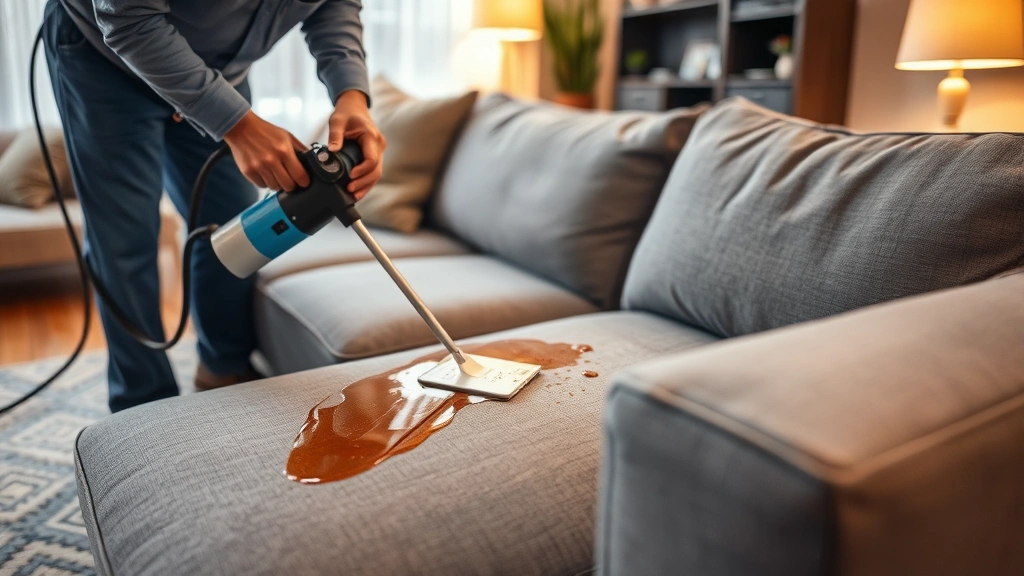
- Accidental spills and stains: Coffee, wine, juice, and other liquid damage that creates permanent discoloration
- Rips and tears: Damage to upholstery from pets, children, or everyday wear
- Burn marks: Cigarette burns, candle damage, and heat-related marks on fabric
- Impact damage: Structural damage from impacts, including broken frames or legs
- Fading: Sun damage and color fading on exposed furniture
- Odor removal: Persistent odors from pets, smoke, or other sources
- Replacement coverage: If damage is deemed irreparable, the plan covers replacement costs up to your policy limit
The plan typically covers multiple pieces of furniture throughout your home, with flexibility in how you allocate your coverage limit across different items. This flexibility is valuable because it allows you to prioritize expensive pieces or those most susceptible to damage.
Coverage extends to most upholstered furniture including sofas, chairs, sectionals, ottomans, and mattresses. Some plans also cover non-upholstered pieces like wood furniture, depending on the specific policy terms you select. Reading your specific plan documents carefully ensures you understand exactly which furniture types qualify for coverage in your situation.
Cost Breakdown and Premium Calculations
Allstate furniture protection premiums vary significantly based on several factors that influence risk assessment:
- Furniture value: Higher-value pieces command higher premiums because replacement costs would be greater
- Number of covered items: Plans covering more furniture pieces cost more than those with limited coverage
- Deductible selection: Lower deductibles increase monthly premiums, while higher deductibles reduce costs
- Coverage limit: Your chosen maximum payout amount directly affects premium pricing
- Geographic location: Some regions have higher claim rates, affecting local pricing
- Household composition: Families with young children or multiple pets may face higher rates
Most customers can expect to pay between $10-$30 monthly for basic furniture coverage on a few pieces, while comprehensive plans covering an entire home’s furniture might run $40-$80 monthly. These costs add up quickly—an annual premium of $360-$960 for a single-piece plan represents a significant expense over the furniture’s lifetime.
The financial calculation becomes important: if your sofa cost $2,000 and you pay $20 monthly for protection, you’ll spend $4,800 over ten years of coverage. This means you’re paying 240% of the original furniture cost for protection, which only makes sense if you’re confident you’ll file claims exceeding that amount.

Comparing Allstate to Competitor Plans
Several other companies offer furniture protection plans worth comparing to Allstate’s offering:
Furniture manufacturer plans: Many furniture retailers offer their own protection plans at point of sale. These plans are often cheaper initially but may have more restrictive coverage terms and lower maximum payouts. The advantage is convenience—you purchase protection immediately with your furniture purchase.
Third-party warranty providers: Companies like Assurant, American Home Shield, and others offer furniture protection plans with varying coverage levels. These competitors often emphasize faster claim processing and simpler claim procedures compared to traditional insurance companies.
Homeowners insurance riders: Some insurance companies allow you to add furniture coverage riders to existing homeowners policies. This approach integrates furniture protection into your broader insurance portfolio, potentially offering bundling discounts.
When comparing plans, examine the claim process closely. Allstate’s reimbursement model requires you to pay upfront and await reimbursement, while some competitors offer direct-pay arrangements where they reimburse the service provider directly. This distinction significantly affects your cash flow and convenience.
Exclusions and Limitations You Should Know
No insurance plan covers everything, and the Allstate Furniture Protection Plan includes substantial exclusions that can prevent claim approval:
- Wear and tear: Gradual deterioration from normal use isn’t covered, only sudden accidental damage
- Pre-existing damage: Damage present before policy inception is excluded
- Intentional damage: Damage caused deliberately by you or household members isn’t covered
- Damage from pets: Some versions exclude pet-related damage entirely, while others cover it; verify your specific policy
- Flood and water damage: Damage from flooding, hurricanes, or water events may be excluded or limited
- Damage from pests: Insect or rodent damage typically isn’t covered under furniture plans
- Commercial use: Furniture used in business settings or commercial spaces loses coverage
- Improper maintenance: Damage resulting from failure to follow manufacturer care instructions may be denied
- Modifications: Unauthorized repairs or modifications can void coverage
These exclusions mean that some scenarios you might reasonably expect to be covered could result in claim denials. The gap between your expectations and actual coverage is where disputes often arise between customers and insurers.
When the Plan Makes Financial Sense
The Allstate Furniture Protection Plan represents good value in specific situations:
High-risk households: Families with young children under five years old, multiple active pets, or a history of furniture damage should seriously consider this coverage. The probability of claims is significantly higher in these environments, making the premium investment more likely to pay off.
Expensive furniture: If you’ve invested in premium furniture pieces costing $3,000 or more, protection becomes more financially prudent. A single major claim can offset years of premium payments. The higher your furniture’s replacement cost, the more sense coverage makes mathematically.
Rental situations: Renters who own their own furniture and want to protect their investment might find this plan valuable, especially if they’re concerned about security deposits or landlord disputes over damage.
Allergies and sensitivities: If household members have severe allergies or chemical sensitivities requiring professional cleaning, the plan’s odor removal and professional cleaning coverage becomes particularly valuable.
Conversely, the plan makes less financial sense if you have older furniture with minimal remaining value, no children or pets, a careful household, or sufficient emergency savings to cover furniture replacement costs without insurance.
Alternative Protection Options
Before committing to the Allstate plan, consider these alternative approaches to furniture protection:
Self-insurance strategy: Rather than paying monthly premiums, you could set aside that same amount in a dedicated savings account for furniture replacement or repairs. Over time, this emergency fund might exceed what you’d pay in claims while maintaining complete flexibility. This approach works best if you have disciplined savings habits and adequate emergency reserves.
Preventive measures: Investing in furniture protectants, slipcovers, and protective barriers can significantly reduce damage risk. Scotchgard treatments, washable covers, and strategic furniture placement are often more cost-effective than insurance premiums while also extending furniture life.
Negotiated retailer protection: When purchasing furniture, negotiate extended protection plans directly with retailers. These plans are often available at discount during sales, and retailers have more flexibility in claim approval than insurance companies. Building a relationship with your furniture retailer can yield better outcomes than dealing with distant insurance companies.
Credit card benefits: Some premium credit cards offer purchase protection and extended warranty benefits that might cover furniture damage. Review your card’s benefits documentation to see if existing coverage already applies to your situation.
Homeowners insurance enhancement: Rather than purchasing separate furniture protection, explore adding comprehensive riders to your existing homeowners insurance. This integrated approach might offer better rates and simpler claim processing through your existing insurance relationship.
Customer Reviews and Real-World Experiences
Customer feedback on the Allstate Furniture Protection Plan reveals both strengths and frustrations:
Positive experiences: Customers with straightforward claims—obvious spills, rips, or damage—generally report smooth claim processing and fair reimbursement. The coverage peace of mind appeals to many families who worry about accidental damage. Some customers appreciate the flexibility to cover multiple pieces and the ability to adjust coverage as furniture changes.
Negative experiences: Common complaints center on claim denials based on exclusion clauses, delays in reimbursement processing, and disputes over damage cause determination. Some customers report difficulty proving that damage was accidental versus wear-and-tear, leading to claim rejections. The need to pay out-of-pocket initially and await reimbursement frustrates customers expecting immediate resolution.
Reading detailed reviews on independent insurance review sites provides more nuanced perspectives than promotional materials. Pay particular attention to reviews mentioning claim experiences, as that’s where the real value of any insurance plan becomes apparent.

The most reliable indicator of plan value is whether customers with similar household situations to yours report positive claim experiences. A plan that works well for large families with young children might not serve childless households well, so context matters significantly when evaluating reviews.
FAQ
Does the Allstate Furniture Protection Plan cover pet damage?
Coverage for pet damage varies by specific plan terms. Some versions explicitly cover accidental pet-related damage like scratches and chewing, while others exclude it. You must verify your specific policy documents or ask your agent directly about pet damage coverage before enrolling. This is particularly important if you have dogs or cats prone to furniture damage.
What’s the typical claims process timeline?
Most claims are processed within 10-15 business days once submitted with documentation. However, claims requiring damage assessment or investigation can take 30+ days. You’ll need to provide photos, receipts, and documentation of the damage. The reimbursement model means you’re waiting for payment after already paying for repairs, which can strain cash flow.
Can I cancel the plan anytime?
Cancellation policies vary by plan type. Most plans allow cancellation with written notice, though some have minimum commitment periods. Check your specific policy terms regarding cancellation procedures and whether any refunds apply. Some plans charge early termination fees if you cancel within the first year.
Does the plan cover damage from normal wear and tear?
No. The plan specifically covers accidental damage only. Gradual deterioration from normal use, fading from sunlight, or general wear patterns are explicitly excluded. This distinction is crucial because insurance companies often dispute whether damage resulted from an accident or accumulated wear.
What furniture items are typically covered?
Most plans cover upholstered furniture including sofas, chairs, sectionals, recliners, and mattresses. Some plans extend to non-upholstered pieces like wood furniture. Coverage details vary significantly between plans, so verify exactly which items your chosen plan covers before enrollment.
How does the deductible work?
The deductible is the amount you pay out-of-pocket before Allstate covers remaining costs. A $250 deductible means you pay $250 toward repairs, and Allstate reimburses the balance up to your coverage limit. Higher deductibles lower monthly premiums but increase your financial responsibility when claims occur.
Is furniture protection worth it compared to self-insurance?
This depends on your household situation, furniture value, and risk tolerance. High-risk households (young children, multiple pets) typically benefit from insurance because claim probability is higher. Lower-risk households might save money through self-insurance by setting aside monthly premium amounts in a dedicated fund instead.


