Reduce Airport Waits: SFO Security Insider Tips
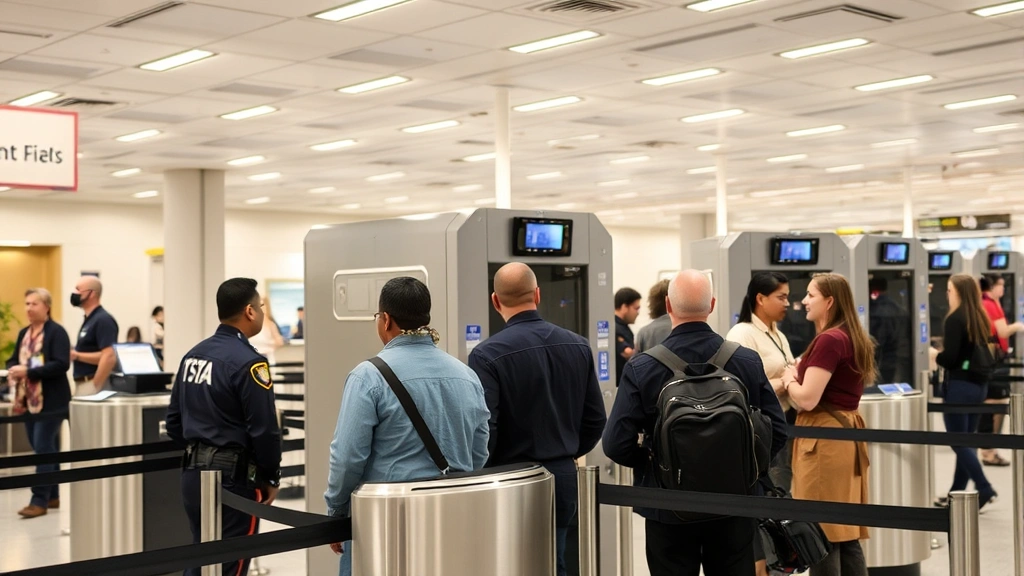
San Francisco International Airport (SFO) processes millions of passengers annually, making security wait times a critical concern for travelers. Peak hours can stretch checkpoint queues to 45+ minutes, while off-peak periods may see waits under 10 minutes. Understanding SFO’s security infrastructure, staffing patterns, and traveler behavior allows you to strategically time your arrival and navigate checkpoints efficiently.
Airport security protocols exist to protect all passengers from genuine threats. While this article focuses on reducing wait times through legitimate strategies, it’s essential to understand that cybersecurity and physical security work together at modern airports. TSA officers use advanced screening technologies and data analytics to identify potential risks while maintaining throughput. By following recommended procedures and arriving prepared, you contribute to smoother operations for everyone.
Understanding SFO Security Checkpoint Operations
SFO operates multiple security checkpoints across its four terminals, each with distinct characteristics and typical wait patterns. The airport’s security infrastructure includes advanced imaging technology, explosive detection systems, and trained personnel working under TSA authority. Modern checkpoint design balances security effectiveness with passenger flow efficiency.
The airport typically operates 15-20 security lanes during peak hours, distributed across terminals. Each lane processes approximately 200-300 passengers per hour under normal conditions. However, bottlenecks occur when staffing is reduced, equipment malfunctions, or passenger volume exceeds capacity. Understanding these operational constraints helps you anticipate delays and plan accordingly.
SFO’s checkpoint management system uses real-time data to adjust lane assignments based on current volume. During morning hours (5:00-8:00 AM) and evening hours (4:00-7:00 PM), wait times typically peak. Mid-day periods (10:00 AM-2:00 PM) and late-night flights (after 9:00 PM) generally experience shorter queues. Weekends, particularly Sunday evenings, see elevated traffic as leisure travelers return home.
The TSA publishes official security screening information and provides real-time wait time data through their website. This publicly available information reflects actual conditions at checkpoints and updates every 30 minutes. Checking these estimates before heading to the airport provides accurate baseline expectations for your travel date and time.
Strategic Timing: When to Arrive at SFO
Arriving at SFO during optimal time windows significantly reduces security wait times. Early morning departures between 5:00-6:30 AM typically experience minimal queues, as overnight operations wind down and daytime staffing hasn’t fully mobilized passenger volume yet. This window averages 8-12 minute wait times, though it requires early wake-up calls.
Mid-morning travel (10:00 AM-12:00 PM) offers another favorable window with moderate staffing and lower passenger density. Many business travelers have already departed, while afternoon leisure travelers haven’t arrived. Wait times during this period average 10-15 minutes at SFO’s major checkpoints.
Avoiding peak windows proves equally important. Tuesday through Thursday mornings (6:30-9:00 AM) concentrate business travelers, creating 20-35 minute waits. Friday afternoons (3:00-7:00 PM) see leisure travelers beginning weekend trips, while Sunday evenings (5:00-9:00 PM) bring returning travelers, producing 25-45 minute delays. Monday mornings also experience elevated traffic as the work week begins.
Seasonal variations significantly impact wait times. Summer months (June-August) and winter holidays (December 20-January 5) bring substantially higher passenger volumes. Spring break periods and Thanksgiving week also generate extended queues. Planning travel during off-peak seasons, when feasible, reduces security delays by 40-50% compared to peak periods.
Weather conditions indirectly affect wait times by influencing passenger behavior. Inclement weather prompts earlier arrivals and increased passenger anxiety, potentially slowing checkpoint throughput. Conversely, clear weather encourages last-minute travelers, creating unpredictable surges. Monitoring weather forecasts helps anticipate behavioral changes.
PreCheck, Clear, and TSA Programs
TSA PreCheck membership represents the most practical investment for frequent SFO travelers. The $78-85 five-year membership grants access to dedicated security lanes at SFO and participating airports nationwide. PreCheck members keep shoes, light jackets, and belts on, retain laptops and liquids in carry-on bags, and typically complete screening in 5-10 minutes.
SFO maintains dedicated PreCheck lanes in all four terminals, with separate queue management systems. During peak hours, PreCheck lanes operate with 2-4 dedicated screeners, compared to 3-6 screeners managing standard lanes. The dedicated lanes process approximately 400-500 passengers per hour, nearly double the standard lane rate. For business travelers making 4+ annual SFO trips, PreCheck membership typically pays for itself through time savings alone.
CLEAR membership ($179-189 annually) provides biometric identification scanning that bypasses physical document verification. Members scan their eyes or fingerprints at dedicated kiosks, then proceed directly to PreCheck lanes. CLEAR reduces PreCheck wait times from 5-10 minutes to 2-5 minutes, offering maximum efficiency for premium travelers. CLEAR operates at SFO’s major checkpoints in Terminals 1, 2, and 3.
Combining PreCheck and CLEAR creates optimal security efficiency. This dual-membership approach costs approximately $260 annually but reduces total security processing time to 3-7 minutes, even during peak hours. For executives and frequent travelers, this investment justifies itself through improved punctuality and reduced travel stress.
Military and government employees should verify eligibility for expedited screening programs. Active duty military personnel, federal law enforcement, and certain government contractors receive PreCheck benefits at no cost through their respective agencies. Retired military members qualify for discounted PreCheck rates with appropriate documentation.
Preparing Your Documents and Belongings
Proper preparation at home dramatically reduces checkpoint processing time. Begin by organizing documents in easily accessible locations. Your government-issued ID should be in your front pocket or carry-on’s outer compartment, not buried in your wallet. Having your ID immediately available when reaching the TSA agent eliminates 30-60 seconds of delay per passenger.
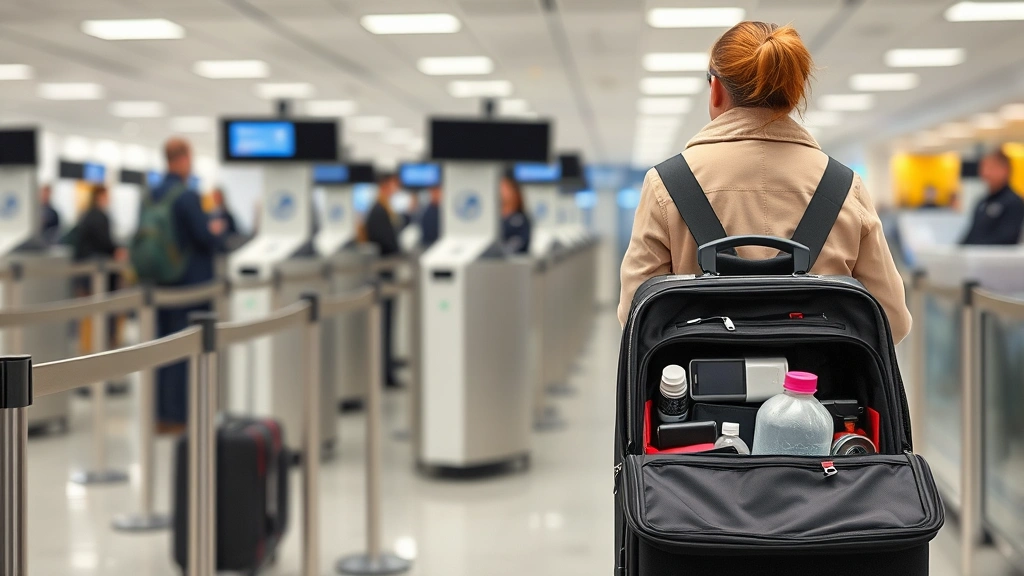
Understanding TSA liquid rules prevents unnecessary screening delays and confiscation. The 3-1-1 rule mandates that liquids, gels, and aerosols must be 3.4 ounces or smaller, stored in one quart-sized clear plastic bag, with one bag per passenger. Common items exceeding size limits include toothpaste, shampoo, deodorant, and sunscreen. Purchasing travel-sized versions or storing full-size containers in checked luggage prevents checkpoint complications.
Electronics organization significantly impacts screening speed. Remove laptops from bags before reaching the conveyor belt. Place phones, keys, and loose change in your carry-on before reaching security, not while standing in line. TSA agents process passengers more efficiently when electronics appear on the conveyor belt before the passenger reaches the scanning area. This simple step reduces individual processing time by 15-20 seconds.
Clothing choices affect screening efficiency. Wear easily removable shoes without metal components, avoiding elaborate lacing systems. Select pants with minimal metal rivets and zippers. Avoid bulky jackets, hoodies, and heavy sweaters that require removal. Women wearing underwire bras or clothing with extensive metallic embellishments may trigger additional screening. Simple, metal-free clothing selections reduce secondary screening probability by 30-40%.
Baggage configuration matters significantly. Use carry-on bags with TSA-approved locks and straightforward interior organization. TSA agents require faster access to bag contents during screening. Bags with multiple compartments, pockets, and organizational systems slow inspection processes. Additionally, TSA’s official “What Can I Bring” guide provides definitive information on prohibited and restricted items, eliminating uncertainty before arrival.
Navigating Specific SFO Terminals
SFO’s four terminals operate independently with distinct security checkpoint characteristics. Terminal 1 (Domestic) serves most domestic carriers and international flights. Its checkpoints handle approximately 40% of SFO’s total passenger volume. Terminal 1 typically experiences longer waits due to volume concentration, averaging 18-25 minutes during peak hours. However, Terminal 1 maintains the most advanced screening technology, including newer CT scanning equipment that processes carry-on bags faster than traditional X-ray machines.
Terminal 2 (International) specializes in international departures and certain domestic routes. Its checkpoints process approximately 25% of passenger volume with slightly shorter average wait times (12-18 minutes during peak hours) due to lower overall traffic. Terminal 2’s international focus means passengers often have more time before departure, reducing the rushed atmosphere that slows processing.
Terminal 3 (Domestic/International) serves a mixed passenger base with approximately 20% of total volume. This terminal typically experiences moderate wait times (10-15 minutes peak) and maintains good checkpoint efficiency. Terminal 3 is often overlooked by travelers, potentially offering shorter waits than busier terminals serving the same airlines.
Terminal 4 (International) handles the lowest passenger volume (15%), resulting in consistently shorter wait times (8-12 minutes peak hours). If your flight departs from Terminal 4, you’ll likely experience faster security processing than other terminals. However, verify your specific airline’s terminal assignment, as some carriers operate from multiple terminals.
Terminal interconnections allow some passenger movement between facilities. If you notice significantly longer queues at your assigned terminal, check whether your airline operates from alternative terminals. SFO’s AirTrain system connects all terminals, though transfers require navigating additional corridors. For flights with flexible departure times, arriving at a less-congested terminal checkpoint may offset additional walking time.
Technology and Real-Time Wait Monitoring
The TSA’s official website provides real-time wait time estimates for SFO checkpoints, updated every 30 minutes. Visit TSA.gov and navigate to the wait times section, selecting San Francisco International Airport. These estimates reflect actual screening conditions and help you determine optimal checkpoint timing. While estimates aren’t perfectly precise, they provide reliable directional information about relative wait times across terminals.
Mobile applications offer additional wait time tracking capabilities. The official TSA PreCheck app provides checkpoint information for members, while third-party applications aggregate airport data from multiple sources. Some applications include historical wait time patterns, allowing prediction of future conditions based on day-of-week and time-of-day analysis.
SFO’s official website and mobile application provide airport-specific information including terminal maps, airline contact information, and facility details. While not specifically focused on security wait times, the airport’s resources help you understand checkpoint locations and terminal navigation, reducing confusion and delays.
Advanced technology at SFO checkpoints includes computed tomography (CT) screening for carry-on bags. These machines create three-dimensional images of bag contents, allowing TSA agents to identify prohibited items without physical bag removal or laptop extraction. CT-equipped lanes process bags 30-40% faster than traditional X-ray screening. SFO has gradually expanded CT installation, with most major checkpoints now equipped with at least one CT machine.
Biometric technology, particularly in CLEAR programs, uses facial recognition and fingerprint scanning to verify passenger identity. This technology reduces document verification time from 30-45 seconds to 5-10 seconds, significantly improving overall checkpoint throughput when integrated into standard security workflows.
Advanced Security Screening Techniques
TSA officers employ behavioral detection and risk assessment techniques that influence screening duration. Passengers displaying nervousness, inconsistent responses, or suspicious behavior receive additional screening. Conversely, calm, organized, and cooperative passengers typically move through checkpoints faster. Arriving mentally prepared and maintaining composure positively influences your screening experience.
Risk-based screening systems assign passengers to different screening levels based on various factors. Trusted travelers with clean records, frequent flyer status, and PreCheck membership receive expedited screening. First-time travelers, those with security concerns in their background, or passengers with unusual travel patterns may receive enhanced screening. Understanding you might receive additional attention removes surprise and stress from the experience.
Secondary screening facilities exist at SFO checkpoints for passengers requiring additional inspection. These areas remain separate from primary checkpoints, allowing primary lanes to continue processing other passengers. Secondary screening typically takes 5-15 minutes and most passengers move through without incident. Remaining calm and cooperative during secondary screening facilitates faster completion.
Explosive trace detection involves swabbing passengers’ hands, bags, or belongings to detect explosive residue. This non-invasive screening takes 2-3 minutes and may be randomly applied to any passenger. If selected for explosive trace detection, cooperate fully and avoid touching your face or belongings until the process completes, as this can compromise testing accuracy.
Canine teams occasionally patrol SFO checkpoints, using dogs trained to detect explosive and narcotic odors. These teams enhance security capabilities and provide visible deterrence. Passengers encountering canine screening should remain calm and allow the dogs to work without interference. Canine screening is non-invasive and typically takes less than one minute.
Full-body scanners at SFO use advanced imaging technology to detect concealed items without physical contact. Modern scanners employ millimeter-wave technology, which is safe and non-ionizing. If you’re selected for body scanning, the process takes 10-15 seconds. You may request a same-gender screener for the scan or opt for physical pat-down as an alternative, though body scanning remains faster.
FAQ
What’s the best time to arrive at SFO for domestic flights?
TSA recommends arriving 2 hours before domestic flights. However, for optimal security checkpoint efficiency, aim for 5:00-6:30 AM or 10:00 AM-12:00 PM departure windows. These periods typically experience wait times under 15 minutes. Avoid 6:30-9:00 AM and 3:00-7:00 PM windows when possible.
Does TSA PreCheck guarantee fast security lines at SFO?
PreCheck significantly reduces wait times but doesn’t guarantee instant processing. During extreme peak periods, even PreCheck lines may reach 10-15 minutes. However, PreCheck typically reduces wait times by 50-70% compared to standard screening. Combining PreCheck with CLEAR further reduces times to 3-7 minutes consistently.
Can I move between SFO terminals to find shorter security lines?
Yes, SFO’s AirTrain connects all terminals. If you notice significantly longer lines at your assigned terminal, you may attempt to reach an alternative terminal where your airline operates. However, verify your airline’s terminal assignment first, as transfers require 10-15 minutes of additional travel. This strategy works best when you have substantial time before departure.
What items commonly cause security delays at SFO?
Liquids exceeding TSA size limits, electronics requiring additional screening, prohibited items, and improperly organized luggage cause most delays. Wearing metal-heavy clothing and jewelry also triggers additional screening. Preparing properly eliminates 90% of these delays.
How does SFO’s CT baggage screening affect wait times?
CT scanning speeds baggage processing by 30-40% compared to traditional X-ray machines. Passengers whose bags are scanned by CT machines typically move through checkpoints faster. SFO continues expanding CT installation, with most major checkpoints now equipped with at least one machine.
Are there differences in wait times between weekdays and weekends at SFO?
Yes, significant variations exist. Weekday mornings (Tuesday-Thursday) tend toward business traveler concentration, creating moderate-to-long waits. Weekday mid-day periods experience shorter waits. Weekends, particularly Sunday evenings, concentrate leisure travelers returning home, creating peak wait times. Monday mornings also experience elevated traffic as the work week begins.


