
Airport Cybersecurity: Expert Insights & Protection Strategies
Modern airports represent complex ecosystems where thousands of daily operations depend on interconnected digital systems. From flight management platforms to passenger processing networks, airport security force personnel and IT teams must navigate an increasingly sophisticated threat landscape. Cybersecurity breaches at airports can disrupt flights, compromise passenger data, and create physical security vulnerabilities that extend far beyond terminal walls.
The aviation industry faces unique cybersecurity challenges that differ markedly from other critical infrastructure sectors. Airports operate 24/7 with minimal downtime tolerance, manage sensitive biometric and travel information, and maintain connections to external partners including airlines, government agencies, and international carriers. A single successful cyberattack can cascade through multiple systems, affecting operational technology, information technology, and the physical security mechanisms that airport security force teams rely upon.
Understanding these vulnerabilities and implementing comprehensive protection strategies has become essential for airport administrators, security directors, and cybersecurity professionals responsible for safeguarding critical aviation infrastructure.
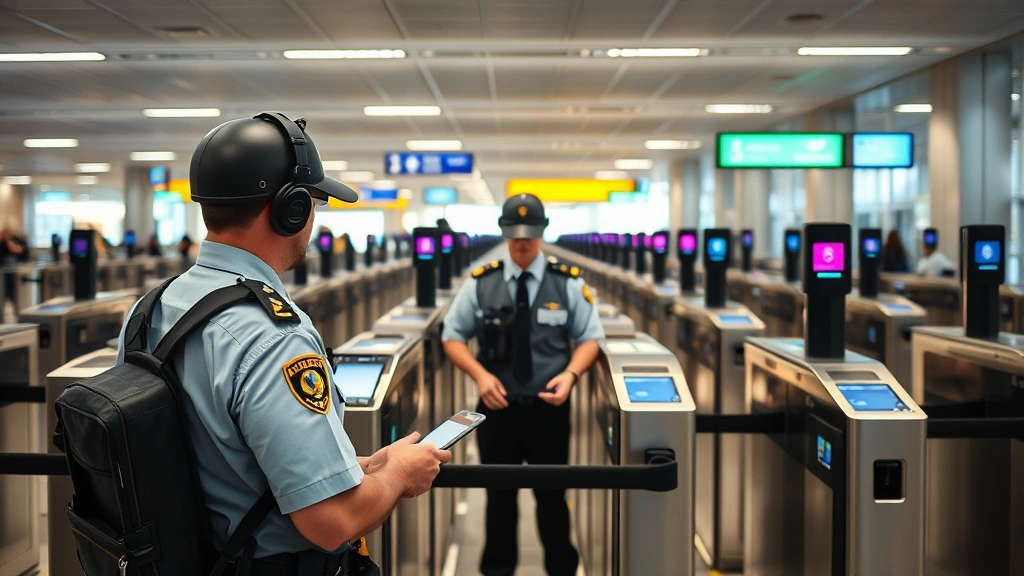
Airport Cybersecurity Threats and Vulnerabilities
Airports face a diverse array of cyber threats ranging from financially motivated ransomware attacks to state-sponsored espionage and insider threats. The Cybersecurity and Infrastructure Security Agency (CISA) identifies airports as critical infrastructure where cybersecurity incidents can directly impact public safety, economic stability, and national security.
Ransomware represents one of the most immediate threats to airport operations. Criminal organizations specifically target aviation facilities because operational disruptions create immediate pressure to pay ransom demands. When baggage handling systems, check-in kiosks, or flight information displays become encrypted, airports face mounting costs and passenger dissatisfaction. The airport security force must coordinate with IT teams to maintain physical security during cyber incidents while systems are restored.
Legacy system vulnerabilities pose another critical challenge. Many airports operate equipment installed decades ago that was never designed with network connectivity in mind. When these systems are connected to modern networks for operational convenience, they introduce security gaps that attackers readily exploit. Baggage screening equipment, access control systems, and surveillance infrastructure may run outdated firmware with known vulnerabilities.
Supply chain attacks have emerged as increasingly sophisticated threats targeting airports through their vendor ecosystems. Airlines, ground service providers, and technology vendors connected to airport networks create potential entry points for attackers. A compromised software update distributed to multiple airports simultaneously can affect dozens of facilities before detection occurs.
Insider threats warrant particular attention within airport environments. Employees with legitimate access credentials represent both intentional and unintentional security risks. Disgruntled workers, contractors with temporary access, or individuals manipulated through social engineering can facilitate breaches that external attackers couldn’t accomplish alone. The airport security force must coordinate with human resources and IT to implement proper access controls and monitoring.
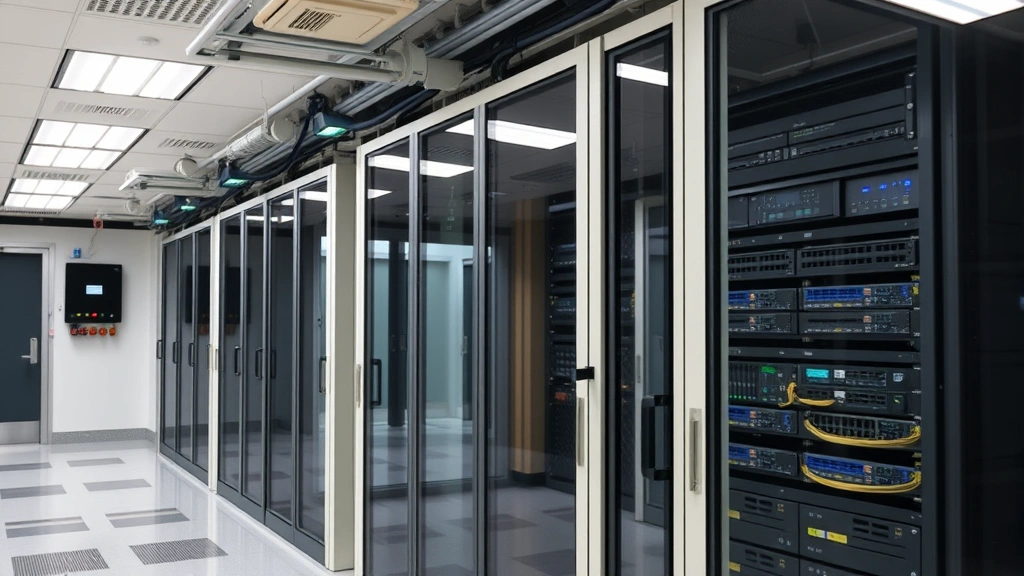
Critical Infrastructure Protection Requirements
Airports operate under strict regulatory frameworks that mandate specific cybersecurity requirements. The NIST Cybersecurity Framework provides structured guidance for managing cyber risk across critical infrastructure sectors. Airports must implement controls across five primary functions: Identify, Protect, Detect, Respond, and Recover.
Identification phase requires airports to maintain comprehensive asset inventories documenting all networked systems, software applications, data repositories, and operational technology components. This foundational knowledge enables security teams to understand potential attack surfaces and prioritize protection efforts. Many airports discover during security assessments that they lack accurate documentation of all systems connected to their networks.
Protection mechanisms must address multiple layers of airport infrastructure. Network segmentation isolates critical systems such as flight operations, air traffic control interfaces, and passenger processing from general administrative networks. If attackers compromise an administrative workstation, segmentation prevents lateral movement into operational systems. Multi-factor authentication for all personnel accessing sensitive systems significantly reduces credential compromise risks.
Detection capabilities require continuous monitoring of network traffic, system logs, and user behavior patterns. Security information and event management (SIEM) systems aggregate data from thousands of sensors to identify anomalies indicating potential attacks. Behavioral analytics detect unusual access patterns, such as an employee accessing files unrelated to their job function at unusual times.
Response planning must address both cyber and physical security dimensions. When a cyber incident occurs, the airport security force needs clear procedures for potential physical security implications. If access control systems are compromised, security personnel must implement manual monitoring. Communication protocols ensure that cyber incident response teams coordinate with physical security teams, operations staff, and airport leadership.
Recovery capabilities ensure airports can restore operations quickly following attacks. Regular backup systems stored offline and regularly tested enable rapid data restoration. Disaster recovery plans document procedures for operating critical functions with degraded systems while full restoration occurs.
Airport Security Force Integration with Cyber Defense
The airport security force represents a critical component of comprehensive cybersecurity strategy, though their role often receives insufficient attention in cyber defense planning. Security personnel patrolling terminals, monitoring access points, and conducting baggage screening can detect indicators of cyber threats if properly trained and informed.
Physical security and cyber security convergence occurs when attackers attempt to gain unauthorized access to server rooms, network closets, or equipment areas. Airport security force members stationed at restricted areas must recognize suspicious behavior such as individuals attempting to access areas without proper credentials or posing as maintenance personnel. Social engineering attacks often combine physical intrusion attempts with cyber exploitation.
Security personnel can identify insider threats through behavioral observation. Employees accessing server rooms at unusual hours, downloading large quantities of data, or attempting to bypass access controls may be engaged in malicious activities. Training the airport security force to report suspicious activities to cybersecurity teams enables early threat detection before significant damage occurs.
The airport security force also protects critical infrastructure from physical attacks that could compromise cyber systems. Protecting backup power systems, network equipment, and data centers from physical sabotage prevents attackers from destroying recovery capabilities. Perimeter security prevents unauthorized individuals from planting listening devices or conducting physical reconnaissance of sensitive areas.
Integration requires establishing clear communication channels between security force leadership and cybersecurity teams. Joint training sessions ensure security personnel understand cyber threats and cybersecurity teams understand physical security constraints and capabilities. Incident response exercises combining physical and cyber scenarios prepare both teams for realistic threats.
Advanced Threat Detection and Response
Modern airports employ sophisticated threat detection technologies that identify attacks in early stages before significant damage occurs. These systems operate continuously, analyzing vast quantities of data to distinguish between normal operations and malicious activities.
Network-based detection monitors all data flowing across airport networks, identifying traffic patterns consistent with known attacks or unusual behaviors suggesting unknown threats. Intrusion detection systems examine network packets for signatures of known malware or attack techniques. When a system attempts to communicate with known command-and-control servers used by cybercriminals, detection systems immediately alert security teams.
Endpoint detection and response (EDR) solutions monitor individual computers and servers, tracking process execution, file modifications, and network connections. EDR systems can detect when malware attempts to execute, even if antivirus signatures don’t recognize it yet. Behavioral analysis identifies when legitimate programs behave abnormally, such as Microsoft Word attempting to download files from the internet—a common malware technique.
Threat intelligence integration enables airports to benefit from collective security knowledge across the aviation industry. Information sharing about active threats, attack patterns, and malicious actors helps airports recognize attacks faster. FBI Cyber Division and aviation industry information sharing groups provide critical threat intelligence specifically relevant to airport environments.
Incident response teams must execute coordinated procedures when threats are detected. Rapid isolation of affected systems prevents malware spread. Forensic analysis determines attack scope and origin. Communication with relevant agencies, passengers, and partners occurs according to established protocols and legal requirements.
Threat hunting represents a proactive approach where cybersecurity analysts actively search networks for indicators of compromise that automated systems might miss. Experienced threat hunters examine historical data, network logs, and system behavior to identify breaches that occurred weeks or months prior to detection. This approach has repeatedly discovered advanced persistent threats targeting airports that automated systems failed to identify.
Best Practices for Airport Cyber Resilience
Organizations successfully protecting airport infrastructure implement comprehensive cybersecurity programs addressing technology, processes, and personnel dimensions. These best practices have emerged from decades of security research and real-world incident response experience.
Zero trust architecture assumes no user or system is inherently trustworthy, regardless of network location. Every access request requires authentication and authorization verification. This approach eliminates the assumption that internal networks are safer than external ones, which attackers routinely exploit. Implementing zero trust requires significant architectural changes but substantially improves security posture.
Regular security assessments and penetration testing identify vulnerabilities before attackers discover them. External security firms conduct comprehensive audits, attempting to breach systems using techniques actual attackers employ. Vulnerability scanning tools continuously monitor networks for known weaknesses. Airports must remediate identified vulnerabilities promptly, prioritizing those affecting critical systems.
Cybersecurity awareness training ensures all airport personnel understand their role in protecting infrastructure. Employees must recognize phishing emails, avoid sharing credentials, and report suspicious activities. Training should be role-specific—airport security force personnel receive different training than IT staff or administrative workers. Regular refresher training maintains awareness as threats evolve.
Incident response planning and testing prepares organizations to respond effectively when attacks occur. Written procedures document who makes decisions, how communication flows, and what actions teams take immediately. Regular tabletop exercises and simulated incidents ensure teams understand procedures before real attacks test their knowledge. After-action reviews following actual incidents identify improvement opportunities.
Backup and disaster recovery capabilities enable rapid restoration after attacks. Regular backups stored offline and regularly tested ensure data can be recovered if ransomware encrypts production systems. Documented procedures for operating critical functions with degraded systems minimize impact while full restoration occurs. Recovery time objectives (RTO) and recovery point objectives (RPO) guide prioritization of restoration efforts.
Supplier and vendor management ensures security extends beyond airport boundaries. Security requirements must be contractually mandated for all vendors with network access. Regular security assessments verify vendors maintain appropriate controls. Incident response procedures address scenarios where vendor systems are compromised.
Compliance and Regulatory Framework
Airports operate within complex regulatory environments that mandate specific cybersecurity requirements. Understanding and implementing these requirements is essential for legal compliance and operational continuity.
The Transportation Security Administration (TSA) provides cybersecurity guidance specifically for airport operators. TSA directives establish minimum security standards for critical systems and require reporting of significant cyber incidents. Airports must implement TSA-recommended controls or document compensating controls providing equivalent protection.
GDPR and privacy regulations impose requirements on airports handling passenger data from European travelers. Airports must implement appropriate security measures protecting personal information and notify authorities of significant data breaches. Privacy impact assessments must be conducted before implementing new systems processing personal data.
The NIST SP 800-82 Guide to Industrial Control Systems Security addresses cybersecurity for operational technology systems common in airports. This guidance helps secure baggage handling systems, environmental controls, and other equipment requiring specialized security approaches different from traditional IT systems.
International standards such as ISO/IEC 27001 provide frameworks for implementing information security management systems. Third-party certification demonstrates to stakeholders that airports maintain robust security programs. Certification requires regular audits and continuous improvement.
Regulatory compliance represents a minimum baseline rather than comprehensive security. Airports must implement additional controls addressing risks specific to their operations, locations, and threat environments. A compliance-focused approach that only implements mandated controls often proves insufficient against determined attackers.
FAQ
What are the most common cyber attacks targeting airports?
Ransomware attacks targeting operational systems represent the most common threat, followed by phishing campaigns targeting employee credentials. Data theft targeting passenger information and intellectual property also occurs regularly. Supply chain attacks through vendors and partners have become increasingly prevalent.
How can airport security force personnel contribute to cybersecurity?
Security personnel can identify physical security breaches related to cyber incidents, detect insider threats through behavioral observation, protect critical infrastructure from sabotage, and report suspicious activities to cybersecurity teams. Training security personnel to understand cyber threats significantly enhances overall security posture.
What should airports do after discovering a cyber incident?
Immediately isolate affected systems to prevent malware spread. Activate incident response procedures and notify relevant authorities including TSA and law enforcement. Preserve forensic evidence for investigation. Communicate with passengers and partners as appropriate. Conduct forensic analysis to determine attack scope and implement remediation measures.
How often should airports conduct security assessments?
Comprehensive security assessments should occur annually at minimum, with more frequent assessments for high-risk environments. Vulnerability scanning should occur continuously. Penetration testing should occur at least annually, ideally more frequently. After significant system changes or incidents, additional assessments are warranted.
What is the cost of implementing comprehensive airport cybersecurity?
Costs vary dramatically based on airport size, existing systems, and required improvements. Small airports might require $500,000 to $2 million in initial implementation. Large international airports often invest $10 million to $50 million or more. These investments must be viewed against potential costs of cyber incidents, which frequently exceed $10 million including downtime, remediation, and regulatory penalties.


