
Pre-9/11 Airport Security: What History Teaches Us About Cybersecurity Vulnerabilities
The aviation security landscape before September 11, 2001, represents one of the most critical case studies in understanding systemic vulnerabilities. While the historical focus has centered on physical security gaps, the lessons learned extend far beyond airport terminals into modern cybersecurity practices. The pre-9/11 era demonstrates how complacency, inadequate threat assessment, and siloed communication systems create dangerous blind spots—principles that remain devastatingly relevant to contemporary digital security infrastructure.
Understanding airport security protocols from the 1990s and early 2000s provides invaluable context for modern cybersecurity professionals. The vulnerabilities that existed then—lack of information sharing, insufficient threat modeling, and underestimation of attack sophistication—continue to plague digital defense strategies today. This historical examination reveals patterns of institutional failure and missed warning signs that cybersecurity teams must actively work to prevent in their own environments.
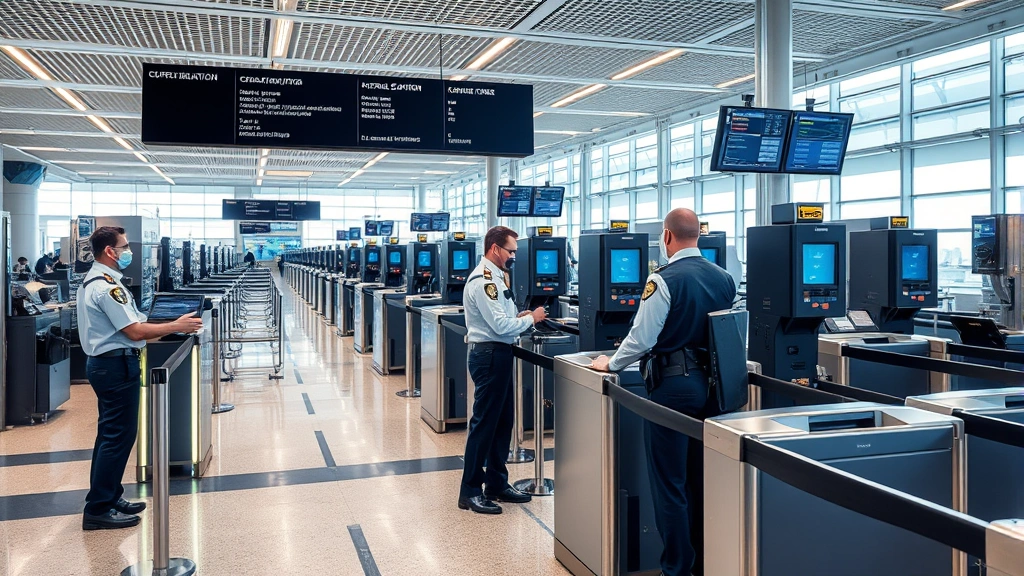
The Pre-9/11 Security Framework
Before 2001, airport security operated under assumptions that proved catastrophically incorrect. The Federal Aviation Administration (FAA) focused primarily on preventing aircraft hijackings for ransom or political negotiation—scenarios where perpetrators intended to survive. Metal detectors screened passengers for weapons, but the protocols reflected a mindset that security breaches would result in negotiable situations rather than mass casualties.
The screening process itself was relatively straightforward: passengers passed through magnetometers, carry-on bags underwent X-ray examination, and checked luggage received basic inspection. However, the threat model underlying these procedures contained fundamental flaws. Security personnel operated under the assumption that any individual who gained access to the flight deck would be attempting negotiation, not using the aircraft as a weapon. This assumption created a dangerous vulnerability in the mental models of security professionals.
According to CISA (Cybersecurity and Infrastructure Security Agency), understanding historical threat assumptions is essential for modern defenders. Just as pre-9/11 security underestimated attacker intentions, contemporary cybersecurity teams often fail to model the most destructive attack scenarios. The parallel extends to resource allocation: both systems directed limited security resources toward perceived threats while leaving critical infrastructure inadequately protected.
Cockpit doors remained unlocked during flight, and pilots had no secured communication channel to alert ground authorities of emergencies without using radio frequencies monitored by potential hijackers. These design choices reflected the prevailing threat model—assumptions that, while reasonable given historical precedent, proved inadequate when facing novel attack vectors.
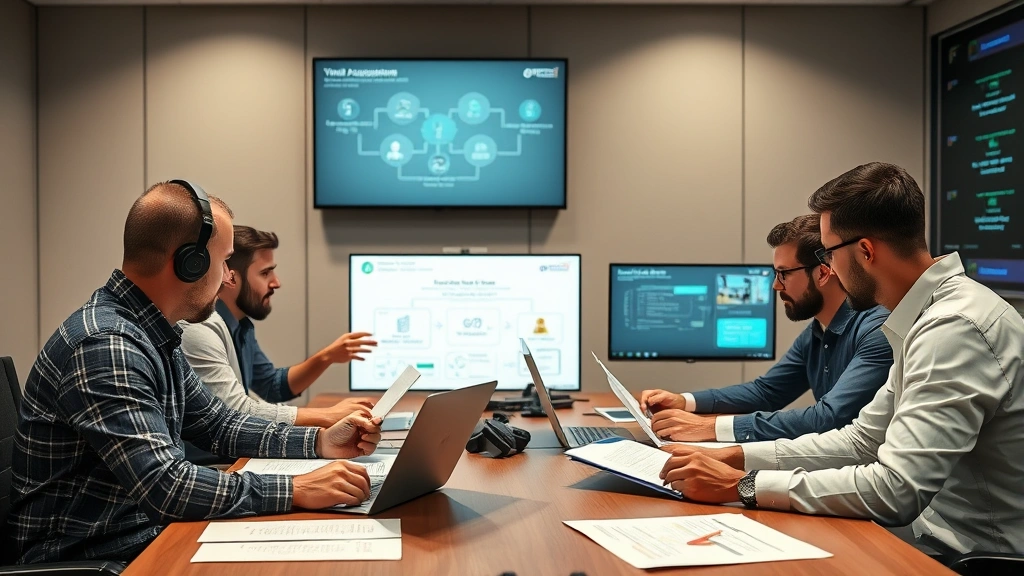
Critical Vulnerabilities in Early Detection Systems
The intelligence community possessed significant information about potential aviation threats before 9/11, yet detection systems failed to synthesize and act upon available data. The FBI and CIA maintained separate databases with limited information sharing. Field agents submitted threat reports that never reached decision-makers with authority to implement protective measures. This fragmentation created a detection paradox: the system generated warnings that remained invisible to those responsible for security.
The 1995 Bojinka plot, which specifically outlined plans to crash aircraft into buildings, remained in FBI files but never triggered comprehensive aviation security reviews. Similarly, warnings about Middle Eastern men training at flight schools circulated among intelligence agencies without prompting coordinated threat response. These were not failures of detection technology but failures of information architecture—the organizational systems designed to aggregate, analyze, and act upon security intelligence.
Modern cybersecurity faces an analogous challenge. Organizations collect vast quantities of security data through firewalls, intrusion detection systems, and endpoint monitoring tools, yet fail to correlate indicators across systems. A suspicious login attempt in one department, unusual network traffic in another division, and credential compromise detected by a third system might represent the same breach—but if these signals never converge in a unified security operations center, each remains an isolated anomaly rather than part of a coherent attack pattern.
The Transportation Security Administration (TSA), established after 9/11, implemented enhanced screening procedures and information sharing protocols specifically designed to prevent the detection failures of the pre-9/11 era. Cybersecurity teams should similarly implement Security Information and Event Management (SIEM) systems, threat intelligence platforms, and cross-functional incident response procedures that ensure security signals receive appropriate analysis and escalation.
Communication Failures and Information Silos
Perhaps the most damaging vulnerability in pre-9/11 security infrastructure was organizational rather than technical. The FBI’s Minneapolis field office suspected one of the hijackers and initiated an investigation, but their concerns never reached decision-makers at FAA headquarters or the intelligence operations center. Different agencies maintained incompatible databases. Information that could have triggered enhanced screening or additional investigation remained trapped within institutional silos.
The 9/11 Commission Report documented how critical intelligence about suspicious flight training activity, warnings from foreign intelligence services, and suspicious visa applications existed within the U.S. government but never coalesced into actionable threat assessment. The problem was not that information didn’t exist—it was that organizational structures, classification restrictions, and communication protocols prevented information from flowing to the right people at the right time.
Cybersecurity organizations replicate this vulnerability with alarming frequency. Security teams operate in isolation from network administrators, who communicate separately with application developers, who maintain independent channels with incident response personnel. When a breach occurs, these silos delay response time and prevent comprehensive understanding of attack scope. A compromised credential might be flagged by identity and access management systems while simultaneously enabling data exfiltration that security analytics systems are examining in isolation.
The solution requires breaking down organizational barriers through shared threat intelligence platforms, cross-functional security committees, and unified communication protocols. Just as the post-9/11 intelligence community implemented information sharing networks like the Terrorist Screening Database, modern organizations must implement enterprise-wide security platforms that ensure all security-relevant information reaches appropriate decision-makers without delay.
Threat Assessment Blind Spots
Pre-9/11 threat assessment operated from a fundamentally flawed premise: attackers would seek to minimize casualties to preserve negotiation opportunities. Security resources focused on preventing traditional hijackings while treating aviation security as a contained problem separate from broader national security concerns. This compartmentalized threat model created critical blind spots regarding novel attack vectors.
The aviation security system had never seriously modeled an attack where perpetrators aimed to maximize casualties by using aircraft as weapons against ground targets. While this scenario had appeared in fiction and military planning, it existed outside the threat model that shaped security priorities and resource allocation. This represents a form of imagination failure—the security system could not perceive threats that fell outside established categories.
Modern cybersecurity teams face similar imagination constraints. Organizations typically model threats as external attackers attempting to steal data or disrupt systems. But they often fail to model sophisticated supply chain attacks, where compromised software updates deliver malware to thousands of organizations simultaneously. They underestimate insider threats that exploit legitimate access. They discount the possibility that attackers might establish persistent presence without immediately extracting value, instead building infrastructure for future attacks.
Effective threat modeling requires deliberately imagining scenarios outside conventional threat categories. NIST’s Cybersecurity Framework emphasizes threat modeling as a foundational practice, requiring organizations to systematically consider attack scenarios that stretch beyond historical precedent. This forward-thinking approach directly addresses the blind spot that undermined pre-9/11 aviation security.
The pre-9/11 security system also suffered from normalcy bias—the cognitive tendency to underestimate the possibility of disaster. Security personnel observed suspicious behavior that, in isolation, seemed manageable. Only in retrospect, when connecting disparate observations, did the threat become obvious. Cybersecurity teams must actively counteract normalcy bias through threat intelligence programs that maintain awareness of emerging attack techniques and threat actor capabilities that could affect their specific environment.
Modern Cybersecurity Parallels
The structural vulnerabilities that undermined pre-9/11 airport security manifest throughout contemporary cybersecurity infrastructure. Organizations invest heavily in detection technologies—firewalls, intrusion detection systems, and endpoint protection—yet remain vulnerable due to failures in information integration, threat assessment, and organizational communication.
Consider the typical enterprise security architecture: multiple security tools generate millions of alerts daily, yet security analysts suffer from alert fatigue that prevents them from investigating genuine threats. This represents the same information paradox that plagued pre-9/11 intelligence agencies—an abundance of signals that fails to translate into actionable intelligence. The solution requires not more detection tools but better integration, prioritization, and communication of security-relevant information.
Supply chain security represents another direct parallel. Just as pre-9/11 security failed to consider how civilian aircraft could become weapons, contemporary organizations often fail to model how compromised software, hardware, or services could enable catastrophic attacks. The SolarWinds breach of 2020 demonstrated this vulnerability: attackers compromised a widely-trusted software update mechanism to gain access to thousands of organizations. The attack exploited blind spots in threat assessment—the assumption that established vendors could not become attack vectors.
Information sharing failures continue to plague cybersecurity. Organizations rarely share detailed threat intelligence about attacks they experience, fearing competitive disadvantage or regulatory consequences. This creates a fragmented threat landscape where each organization discovers vulnerabilities independently rather than learning from collective experience. Post-9/11 aviation security improved dramatically through information sharing mechanisms; cybersecurity could benefit from similar institutional changes.
The pre-9/11 security system also lacked integration between physical and information security. Attackers exploited the fact that security protocols focused on preventing weapons from boarding aircraft while ignoring how individuals could gain access to sensitive areas through social engineering or credential misuse. Modern organizations similarly compartmentalize physical security, information security, and operational security rather than recognizing how breaches in one domain enable attacks across others.
Implementing Lessons Learned
Organizations serious about cybersecurity must deliberately apply lessons from pre-9/11 security failures. This requires systematic approaches to threat assessment, information integration, and organizational communication.
Threat Modeling and Imagination
Begin by explicitly modeling threats that fall outside conventional categories. Conduct red team exercises that deliberately imagine sophisticated attack scenarios. Engage with CISA threat intelligence resources and security research communities to maintain awareness of emerging attack techniques. Recognize that the most dangerous threats are often those that seem improbable based on historical precedent.
When reviewing the ScreenVibeDaily Blog or other industry resources for context on how organizations communicate security concepts, observe how threat communication can either clarify or obscure risk. Effective security communication requires making abstract threats concrete and compelling to decision-makers.
Information Integration and SIEM Implementation
Deploy comprehensive Security Information and Event Management systems that aggregate data from all security tools into unified threat analysis platforms. This directly addresses the pre-9/11 fragmentation problem by ensuring that security signals converge for analysis rather than remaining isolated. Configure SIEM systems with correlation rules that identify attack patterns spanning multiple systems and data sources.
Cross-Functional Communication
Establish regular communication channels between security, operations, development, and business leadership. Create security committees that include representatives from all organizational functions. Implement incident response procedures that ensure security findings reach decision-makers without delay. The post-9/11 intelligence community improved dramatically through institutional mechanisms designed to break down silos; similar mechanisms benefit cybersecurity programs.
Continuous Threat Assessment
Avoid the trap of static threat models. Conduct regular threat assessments that explicitly consider how adversary capabilities, intentions, and attack techniques may have evolved. Maintain threat intelligence programs that track emerging vulnerabilities and attack patterns relevant to your organization. Recognize that today’s unlikely threat may become tomorrow’s primary concern.
Organizational Culture and Decision-Making
Foster a security culture where concerning observations receive serious consideration rather than dismissal. Pre-9/11 aviation security had field agents expressing concerns that were not taken seriously by decision-makers. Establish mechanisms ensuring that frontline security personnel can escalate concerns without organizational friction. When endpoint detection systems flag suspicious activity, ensure investigation occurs rather than alert dismissal.
The pre-9/11 security failures ultimately reflected organizational and cultural issues more than technical limitations. Similarly, modern cybersecurity breaches often result from organizational failures to implement available defenses, prioritize security concerns, or act upon available intelligence. Technical tools matter, but they cannot compensate for broken communication, poor threat assessment, or organizational complacency.
Organizations that deliberately apply pre-9/11 lessons create security architectures that integrate information across systems, assess threats creatively, and ensure rapid response to emerging concerns. This approach acknowledges that perfect prevention remains impossible, but that recognizing and responding to threats before they mature into catastrophic incidents remains achievable through organizational discipline and systematic attention to the vulnerabilities that historical failures illuminate.
FAQ
How did pre-9/11 airport security differ from modern TSA procedures?
Pre-9/11 screening focused on preventing weapons from boarding aircraft under the assumption that hijackers would negotiate. Modern TSA procedures incorporate advanced imaging technology, behavioral analysis, and integrated information sharing designed to detect threats beyond traditional weapons. The fundamental shift involved reconceptualizing threat models to account for attackers willing to use aircraft as weapons rather than seeking negotiation outcomes.
What intelligence failures preceded the 9/11 attacks?
The FBI’s Minneapolis field office suspected one hijacker and initiated investigation, but concerns never reached decision-makers at FBI headquarters or FAA. Foreign intelligence services provided warnings. Flight training activity triggered suspicion. These signals remained trapped in organizational silos due to classification restrictions, incompatible databases, and poor communication protocols between agencies. The problem was not missing information but failure to integrate available intelligence into actionable threat assessment.
How do pre-9/11 security failures apply to cybersecurity?
Both domains share structural vulnerabilities: information silos that prevent threat signals from reaching decision-makers, threat models that fail to imagine novel attack vectors, organizational complacency that treats concerning observations as normal, and inadequate communication between specialized functions. Modern cybersecurity teams can improve by implementing unified threat analysis platforms, conducting creative threat modeling, and breaking down organizational barriers to information sharing.
What is threat modeling and why does it matter?
Threat modeling involves systematically identifying potential attack vectors and adversary capabilities relevant to your environment. Pre-9/11 security failed because threat models excluded the scenario of aircraft being used as weapons. Modern threat modeling should include supply chain attacks, insider threats, and sophisticated persistence-focused attacks that fall outside conventional threat categories. Effective threat modeling requires imagination about scenarios that seem unlikely but could prove catastrophic.
How can organizations improve information sharing about security threats?
Organizations can improve information sharing through SIEM platforms that aggregate security data across systems, threat intelligence programs that track emerging threats relevant to their industry, and participation in information sharing communities. The post-9/11 intelligence community improved dramatically through mechanisms designed to break down silos; similar approaches benefit cybersecurity programs. However, cultural change matters as much as technical infrastructure—organizations must create environments where security concerns receive serious consideration and rapid escalation.


