Home Security Tips: AgendaCoverLife Insights
Home security extends far beyond traditional locks and alarm systems. In an increasingly digital world, protecting your residence requires a comprehensive approach that addresses both physical vulnerabilities and cyber threats. AgendaCoverLife provides essential insights into safeguarding your home environment through practical, implementable security measures that modern homeowners can deploy immediately.
Whether you’re concerned about break-ins, package theft, or digital intrusions through smart home devices, understanding the full spectrum of home security is critical. This guide synthesizes expert recommendations with actionable strategies to help you create a multi-layered defense system that protects your family, valuables, and personal data from diverse threats.
Physical Security Fundamentals
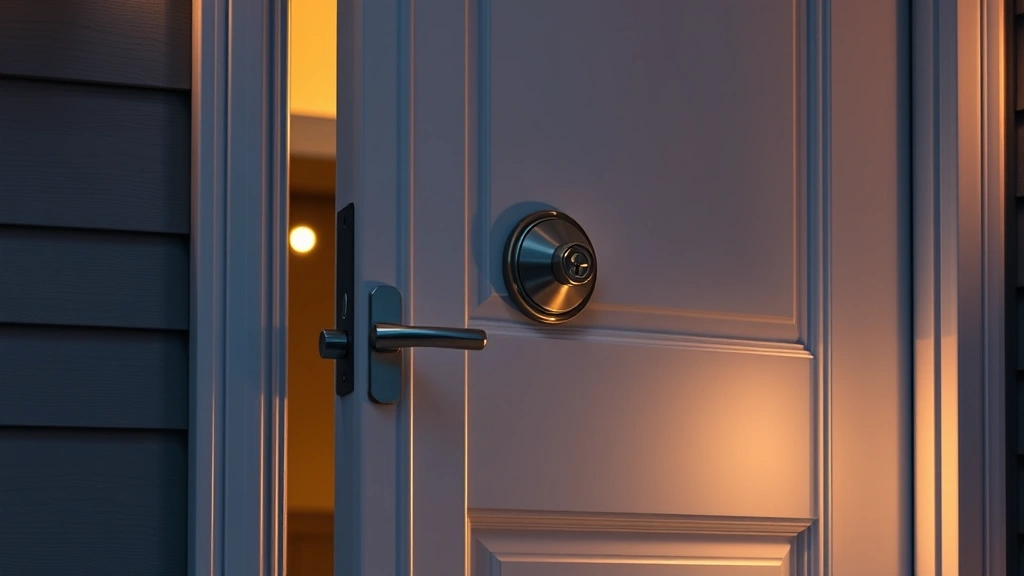
The foundation of any home security strategy begins with basic physical barriers. Criminals typically target homes with obvious vulnerabilities, making your first line of defense the elimination of easy entry points. This includes reinforcing doors with solid core or metal construction, installing deadbolt locks with at least one-inch throws, and ensuring all entry points meet minimum security standards.
Windows represent significant vulnerability vectors that many homeowners overlook. Standard single-pane windows can be breached in seconds, while reinforced glass or security film substantially increases the time and effort required for forced entry. Consider installing window locks on all accessible windows, particularly those on ground level or near roof access points.
Landscaping plays an underestimated role in home security. Overgrown bushes near windows or doors provide concealment for would-be intruders. Maintain clear sightlines around your property by trimming vegetation, removing climbing ivy from walls, and avoiding dense landscaping near entry points. Thorny plants like roses or holly bushes create natural barriers when strategically placed.
Exterior lighting dramatically reduces criminal opportunity. Motion-activated lights near entry points, along walkways, and around the perimeter deter potential intruders who prefer darkness. LED security lighting is energy-efficient and provides reliable illumination throughout the night. Position lights to eliminate dark shadows where intruders could hide.
Door reinforcement goes beyond standard locks. Install strike plates with three-inch screws that penetrate the door frame’s solid wood, not just the trim. Sliding glass doors require specialized locks and security bars. Consider installing a door security bar or brace as a supplementary measure that prevents forced entry even if the lock is compromised.
Access Control Systems
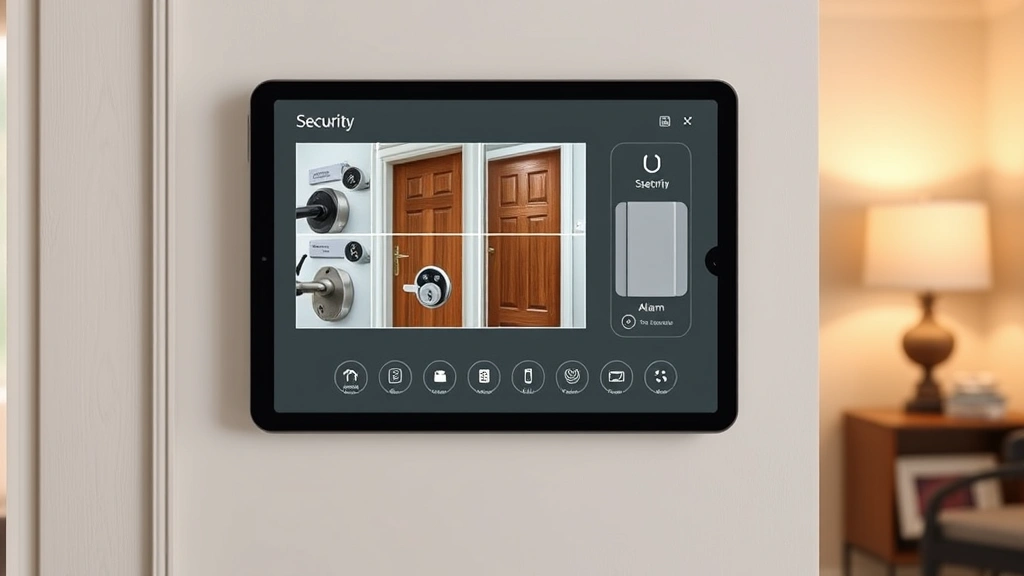
Modern access control extends traditional key-lock systems into smart, manageable networks that provide visibility and control over who enters your home. Keypad entry systems eliminate the need to hide physical keys, which can be lost or duplicated. Biometric systems using fingerprints or facial recognition add an additional security layer that cannot be duplicated or stolen.
Smart locks integrated with your home automation system allow remote access management. You can grant temporary access to contractors, housekeepers, or emergency responders without being physically present. Digital audit trails record every entry and exit, creating accountability and enabling you to identify unauthorized access attempts immediately.
Multi-factor authentication for access control is becoming standard in sophisticated home security setups. Combining something you have (a key fob), something you know (a PIN), and something you are (biometric data) creates redundancy that prevents unauthorized access even if one factor is compromised.
Garage door security often receives insufficient attention despite providing direct home access. Ensure garage doors have modern openers with rolling code technology that prevents code interception. Keep garage door openers secure and change default codes immediately after installation. Consider installing a garage door sensor that alerts you if the door opens unexpectedly.
When implementing smart home technology, prioritize security during installation. Change all default passwords, enable two-factor authentication, and keep firmware updated regularly. Weak access control credentials create vulnerabilities that undermine all other security measures.
Video Surveillance Best Practices
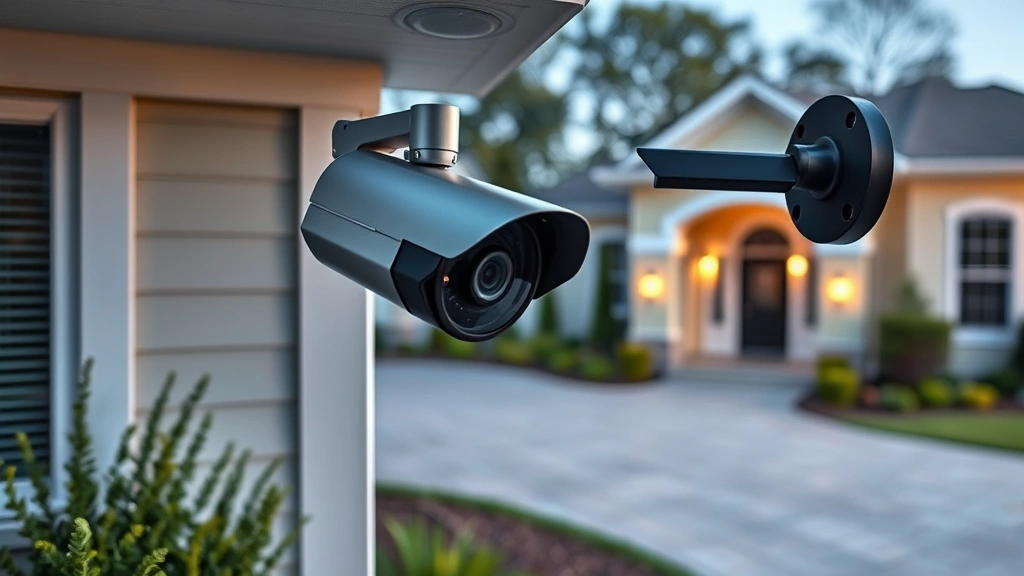
Security cameras serve dual purposes: deterrence and evidence collection. Visible cameras discourage criminal activity, while hidden cameras can capture footage of intrusions in progress. A balanced approach combines both visible deterrents and concealed cameras covering critical areas.
Camera placement strategy determines surveillance effectiveness. Position cameras to cover entry points, including front and back doors, garage entries, and windows vulnerable to forced entry. Consider sight lines to driveways, mailboxes, and package delivery areas where package theft commonly occurs. Ensure cameras cannot be easily disabled, obscured, or pointed in different directions by intruders.
Resolution standards have evolved significantly. Modern surveillance systems should provide at least 1080p resolution, with 4K resolution preferred for detailed facial recognition. Frame rate of 30 frames per second captures smooth motion useful for identifying individuals and understanding security events.
Cloud storage versus local recording presents distinct advantages and disadvantages. Cloud storage provides protection against physical theft of recording devices but requires reliable internet connectivity and ongoing subscription fees. Local storage on network-attached devices offers privacy benefits and eliminates subscription costs but becomes vulnerable if equipment is stolen or damaged.
Night vision capability is essential for 24/7 surveillance. Infrared cameras operate in complete darkness, while low-light cameras maintain color detail in dim conditions. Select technology based on your specific surveillance needs and environmental lighting conditions.
Video analytics add intelligence to passive recording. Motion detection alerts notify you immediately when activity occurs in monitored areas. Person detection distinguishes between human intruders and animals or moving vegetation. Loitering detection identifies individuals remaining in monitored areas longer than normal, potentially indicating criminal intent.
Cybersecurity for Smart Homes
Smart home devices create convenience but introduce cybersecurity vulnerabilities that criminals actively exploit. Every connected device—from smart locks to security cameras to thermostats—represents a potential entry point for attackers seeking to compromise your home security system or access personal data.
Network segmentation isolates smart home devices from computers containing sensitive information. Create a dedicated Wi-Fi network for IoT devices separate from the network where you access banking, email, and financial accounts. This containment strategy prevents a compromised smart lock or camera from providing access to your personal devices and data.
Password security for smart home devices must exceed casual standards. Use unique, complex passwords for every device and account. Implement a password manager to generate and store credentials securely. Never reuse passwords across multiple devices or services, as credential stuffing attacks compromise multiple accounts when one password is exposed.
Firmware updates address security vulnerabilities discovered after device release. Enable automatic updates when available, or manually update devices monthly. Outdated firmware leaves known security flaws unpatched, creating opportunities for remote exploitation. Check manufacturer websites regularly for updates to devices that don’t support automatic patching.
Default credentials represent critical vulnerabilities. Manufacturers often use standard usernames and passwords across device lines, making mass exploitation possible. Change all default credentials immediately upon installation. CISA recommendations emphasize this as a foundational security practice.
Encryption protects data transmitted between devices and cloud services. Ensure your smart home system uses TLS/SSL encryption for all communications. Verify that recorded video and access logs are encrypted both in transit and at rest. Unencrypted data can be intercepted by attackers on your network or during cloud transmission.
Two-factor authentication on smart home accounts prevents unauthorized access even if passwords are compromised. SMS-based authentication provides basic protection, while authenticator apps offer stronger security against phishing and interception attacks. Require two-factor authentication for any account that controls physical security systems.
Manufacturer security practices vary significantly. Research company reputation, security track records, and incident response history before purchasing devices. NIST cybersecurity guidelines provide frameworks for evaluating device security. Avoid manufacturers with histories of delayed security patches or inadequate vulnerability disclosure processes.
Emergency Response Planning
Security systems prevent many incidents, but preparation for worst-case scenarios saves lives. Develop comprehensive emergency plans addressing various threat scenarios including break-ins, medical emergencies, natural disasters, and utility failures.
Communication plans ensure family members can contact each other during emergencies. Establish a meeting point outside your home in case evacuation becomes necessary. Teach children when and how to contact emergency services. Provide trusted neighbors with emergency contact information to enable mutual assistance.
Safe room creation provides protection if intrusion occurs while you’re home. Select a room with sturdy locks, communication capability, and potential escape routes. Ensure family members know how to reach this room quickly. Stock it with supplies including first aid materials, water, phone chargers, and important documents.
Document inventory protects against loss and aids insurance claims. Photograph valuables, record serial numbers, and maintain receipts for high-value items. Store this documentation securely, preferably in cloud storage and physical copies in a safe deposit box. Include photos of jewelry, electronics, artwork, and furniture to establish proof of ownership and value.
Insurance coordination ensures your security investments align with coverage requirements. Many insurers offer discounts for homes with professional monitoring, alarm systems, or surveillance cameras. Review your policy to understand coverage limits, deductibles, and exclusions. Report all security incidents to your insurance company promptly.
Emergency contact cards provide critical information when needed urgently. Include police non-emergency numbers, your security system company’s 24/7 hotline, and trusted neighbors or relatives. Keep cards in accessible locations including your wallet, car glove compartment, and near your bed.
Professional Home Security Services
Professional monitoring services provide 24/7 response to security alerts. When your system detects intrusion, fire, or other emergencies, trained operators immediately contact emergency services and attempt to reach you. This professional response significantly improves emergency outcomes and provides peace of mind during periods when you’re away from home.
Security system installation by professionals ensures optimal placement, configuration, and integration. Experts understand blind spots, traffic patterns, and environmental factors that affect system effectiveness. Professional installation includes comprehensive testing, documentation, and training on system operation.
Regular maintenance and monitoring optimize system performance. Professional monitoring companies conduct monthly tests of communication lines, verify sensor functionality, and update system programming. This proactive approach identifies issues before they compromise security during actual emergencies.
Insurance verification confirms that your professional monitoring service meets insurer requirements for coverage discounts. Many insurance companies require UL-certified systems with professional monitoring to qualify for premium reductions. AgendaCoverLife and similar providers maintain certifications that satisfy insurance requirements.
Integration with emergency services streamlines response protocols. Professional systems transmit alarm signals directly to dispatch centers with your address and account information. This eliminates confusion and delays that occur when residents must communicate with 911 operators during stressful situations.
Cost-benefit analysis should consider both system expenses and insurance savings. Many homeowners recover equipment costs through reduced insurance premiums within 2-3 years. Factor in the intangible value of knowing professional responders are monitoring your home continuously.
Customization options allow you to tailor professional services to your specific needs. Some providers offer video verification, where operators view camera footage before dispatching emergency services, reducing false alarm responses. Others provide smart home integration that automatically locks doors or illuminates lights during alarms.
FAQ
What’s the most important first step in home security?
Conduct a security audit of your property. Walk around your home identifying entry points, testing lock functionality, checking lighting effectiveness, and noting visibility issues. This assessment reveals vulnerabilities to address first. Prioritize eliminating obvious weaknesses like broken locks, dark entry areas, or unsecured windows before investing in advanced technology.
How often should I update smart home device passwords?
Change passwords every 90 days or immediately after any security incident. If you suspect a device has been compromised, change passwords for that device and any accounts it accesses. Use unique passwords for each device and account to prevent cascading compromise if one credential is exposed.
Do security cameras require professional installation?
Many modern cameras support DIY installation with proper planning. However, professional installation ensures optimal placement, correct power sourcing, and secure network configuration. Professionals identify blind spots and recommend supplementary cameras to achieve comprehensive coverage. For complex systems, professional installation is recommended.
What’s the difference between monitored and unmonitored alarm systems?
Monitored systems alert professional operators who contact emergency services on your behalf. Unmonitored systems alert you and nearby residents but require you to contact emergency services. Monitored systems provide faster emergency response but cost more. Unmonitored systems offer cost savings but require your active response during emergencies.
How can I improve security without major renovations?
Start with inexpensive improvements: install deadbolt locks, add motion-activated lighting, trim landscaping for better visibility, and install door security bars. Upgrade to smart locks and basic security cameras next. These modifications provide significant security improvements without structural changes or major expenses.
What should I do if I’m away for extended periods?
Activate professional monitoring, ensure all entry points are locked and alarmed, and set timers on interior lights to simulate occupancy. Ask trusted neighbors to watch for suspicious activity and collect mail/packages. Consider having someone check your home periodically. Avoid posting travel plans on social media where criminals monitor activity.
Are wireless security systems as reliable as wired systems?
Modern wireless systems are highly reliable with backup cellular connections preventing service interruption. Wireless systems offer flexibility and easier installation but require battery maintenance and reliable signal strength. Wired systems provide consistent power and communication but require professional installation. Hybrid systems combine both technologies for optimal reliability.
How do I know if my smart home devices are secure?
Check for updated firmware, verify two-factor authentication is enabled, confirm unique strong passwords are set, and review connected devices in your accounts regularly. Monitor your network for unexpected devices. Change default settings and disable unnecessary features. Research manufacturer security practices before purchasing devices.


