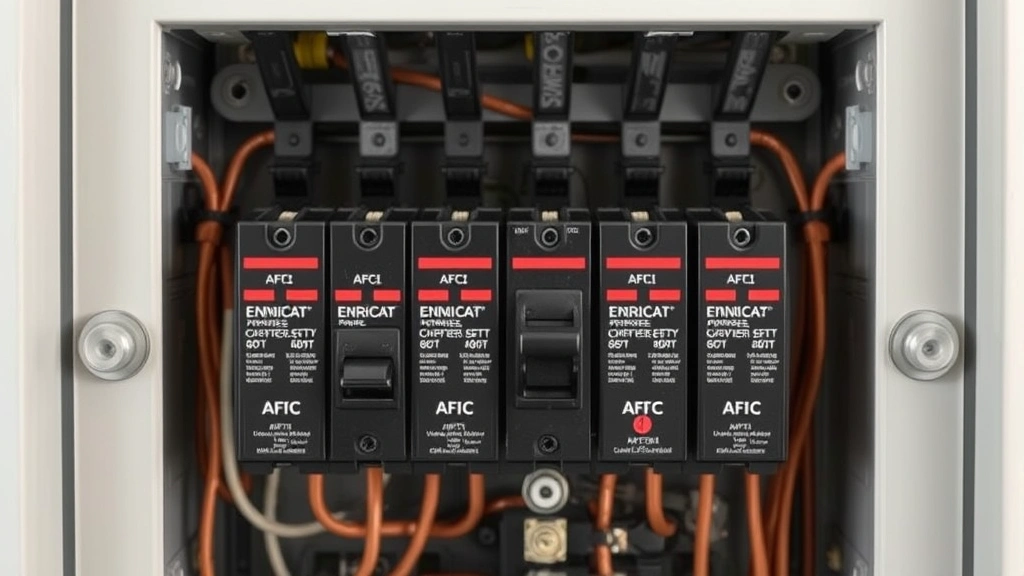
Is AFCI Protection Necessary? Electricians Weigh In
Arc Fault Circuit Interrupters (AFCIs) represent one of the most significant advances in electrical safety over the past few decades, yet they remain one of the most misunderstood and debated safety devices in residential and commercial electrical systems. Since their introduction in the 1980s, AFCIs have evolved from optional upgrades to mandatory components in modern building codes, particularly in bedrooms and living spaces. However, electricians, homeowners, and contractors continue to question whether AFCI protection is truly necessary or if it represents regulatory overreach that creates unnecessary expense and frustration.
The debate surrounding AFCI protection intensified as newer models became more sensitive and prone to nuisance tripping, leaving many professionals questioning the practical value versus the inconvenience. Understanding whether AFCI protection is necessary requires examining the technology itself, analyzing real-world fire data, reviewing current electrical codes, and considering the perspectives of licensed electricians who install and troubleshoot these devices daily. This comprehensive guide explores all sides of the AFCI debate to help you make informed decisions about your electrical safety.
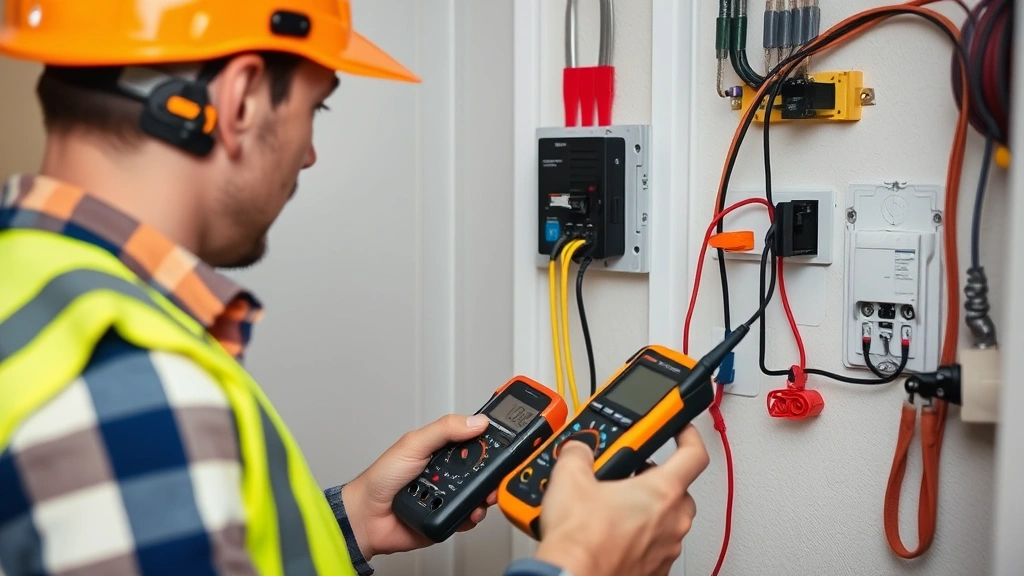
What is AFCI Protection and How Does It Work
An Arc Fault Circuit Interrupter is a specialized circuit breaker or outlet designed to detect and respond to electrical arcs that could otherwise go unnoticed by standard circuit protection devices. Unlike conventional circuit breakers that respond to overcurrent conditions (short circuits and overloads), AFCIs specifically monitor for arcing faults—dangerous electrical discharges that occur when current jumps across a gap in a circuit.
The technology works by analyzing the wave pattern of electrical current flowing through the circuit. Standard breakers respond to high current levels, but arcing can occur at relatively low amperage levels, making it invisible to traditional overcurrent protection. AFCIs use sophisticated microprocessors to distinguish between normal electrical activity and dangerous arcing patterns, allowing them to interrupt the circuit in milliseconds when arc faults are detected.
There are several types of AFCI protection available: Branch/Feeder AFCIs protect an entire circuit at the breaker panel, Outlet-type AFCIs are installed in standard wall outlets and protect that outlet plus all downstream devices, and Combination AFCIs offer both branch/feeder and outlet protection. Understanding these distinctions is crucial when evaluating whether AFCI protection is necessary for your specific application, as different scenarios call for different protection strategies.
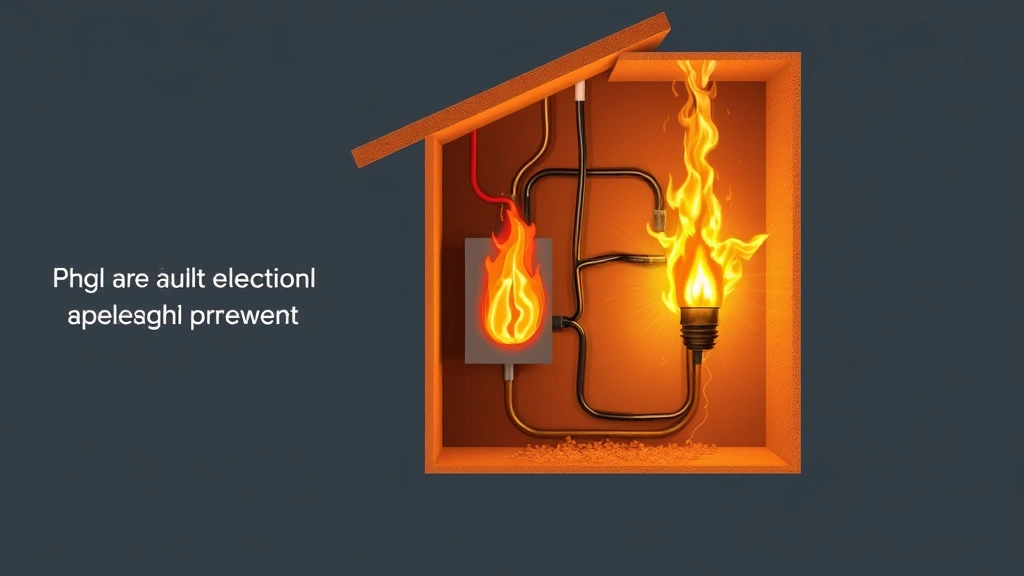
The Fire Statistics Behind AFCI Mandates
The push for mandatory AFCI protection stems from compelling fire statistics. According to research cited by the Consumer Product Safety Commission, arc-fault initiated fires account for a significant percentage of home electrical fires. These fires are particularly dangerous because they can smolder within walls for extended periods before becoming visible, making them difficult to detect and extinguish.
The National Fire Protection Association (NFPA) and electrical safety researchers have documented cases where conventional circuit breakers failed to detect arcing faults that ultimately caused devastating residential fires. In many instances, the arcing occurred at voltage levels and current patterns that were invisible to traditional overcurrent protection devices. These documented fire cases formed the basis for the National Electrical Code (NEC) amendments that gradually expanded AFCI requirements throughout residential construction.
Proponents of mandatory AFCI protection point to studies showing that homes equipped with AFCI-protected circuits experience significantly fewer arc-fault-initiated fires. However, some electricians argue that the improvement is marginal compared to the cost and inconvenience, particularly when considering that many arc faults result from installation defects or equipment damage that should never occur in properly maintained systems.
Current Electrical Code Requirements
The National Electrical Code has progressively expanded AFCI requirements since their initial introduction. Originally limited to bedrooms, current code requirements now mandate AFCI protection for most living spaces in residential construction, including kitchens, living rooms, dining areas, and family rooms. Understanding these requirements is essential whether you’re building new or evaluating existing electrical systems.
The 2023 NEC update expanded requirements significantly, now requiring AFCI protection for virtually all 15 and 20-ampere branch circuits in residential dwellings, with only limited exceptions for certain dedicated circuits. However, specific jurisdictions may adopt earlier versions of the code, meaning requirements vary by location. Before undertaking any electrical modifications, consult with your local building department or electrical inspector to determine which code version applies in your area.
Interestingly, while residential code has become increasingly stringent, commercial and industrial applications have more flexibility regarding AFCI protection, suggesting that the perceived risk and cost-benefit calculation differs significantly between these settings. This disparity fuels ongoing debate about whether residential requirements have become overly prescriptive.
Electrician Perspectives on AFCI Necessity
Licensed electricians offer diverse perspectives on AFCI necessity, and their views often depend on their experience level, regional focus, and personal encounters with arc-fault-initiated fires. Many experienced electricians acknowledge the legitimate safety benefits of AFCI protection while simultaneously criticizing implementation challenges and code expansion.
Proponents of AFCI protection argue that the technology has prevented documented fires and that the cost of installation is minimal compared to potential life safety benefits. These electricians emphasize that they’ve encountered situations where AFCI devices detected dangerous arcing that would otherwise have gone unnoticed. They view AFCI protection as a prudent investment in home safety, similar to smoke detectors or fire extinguishers.
Skeptical electricians contend that AFCI requirements have expanded beyond reasonable safety needs and that nuisance tripping creates more problems than the devices solve. They argue that properly installed and maintained electrical systems rarely experience the arc faults that AFCIs are designed to prevent, making the devices unnecessary for most homeowners. Some electricians point out that many nuisance trips occur due to equipment compatibility issues rather than genuine arc faults, creating frustration without corresponding safety benefits.
A middle-ground perspective, held by many electricians, suggests that AFCI protection is genuinely beneficial in high-risk areas like bedrooms and kitchens where damaged appliances or extension cords are more common, but that expanding requirements to all circuits is excessive. This pragmatic view acknowledges legitimate safety benefits while questioning whether blanket requirements represent the best use of safety resources.
Nuisance Tripping and Real-World Problems
One of the most significant criticisms of AFCI protection involves nuisance tripping—situations where AFCIs interrupt power to circuits without any genuine fault condition present. These false trips can occur when certain appliances operate normally, particularly older equipment or devices with variable-speed motors, causing frustration and leading some homeowners to disable protection or stop trusting the safety device.
Common causes of nuisance tripping include:
- Incompatibility with certain appliances or equipment
- Moisture accumulation in outlet boxes
- Aged wiring that generates harmless arcing patterns
- Interference from other electrical devices
- Defective AFCI devices themselves
- Improper installation or wiring problems
When AFCI devices trip repeatedly without clear cause, homeowners often resort to problematic solutions: replacing the AFCI with a standard breaker, using extension cords to bypass protected outlets, or simply accepting frequent power interruptions. Each of these responses undermines the safety benefits that AFCI protection is designed to provide. Electricians report spending significant time troubleshooting nuisance trips, representing a hidden cost that neither homeowners nor code officials typically account for when evaluating AFCI necessity.
Manufacturers have made improvements to newer AFCI models to reduce false tripping, but compatibility issues remain a persistent problem. The tension between sensitivity (necessary to detect genuine arc faults) and specificity (avoiding false trips) represents an inherent engineering challenge that even the most advanced AFCIs cannot completely solve.
AFCI Protection in Different Settings
AFCI necessity varies significantly depending on the specific application and environment. Understanding these distinctions helps clarify whether protection is truly necessary for your situation or whether alternative approaches might better serve your needs.
Bedrooms and Living Spaces
Bedrooms represent the primary location where AFCI protection provides documented safety benefits. These spaces typically contain multiple appliances, extension cords, and damaged electrical equipment—all potential sources of arc faults. Additionally, sleeping occupants are vulnerable because they may not notice equipment problems or smoke in time to escape. AFCI protection in bedrooms receives support from most electricians, even skeptics, as the risk-benefit calculation clearly favors protection.
Kitchens and Bathrooms
Kitchens and bathrooms present unique challenges because they combine high moisture levels with numerous electrical appliances. While AFCI protection is valuable, Ground Fault Circuit Interrupter (GFCI) protection for shock hazards may be more critical in these wet locations. The combination of both AFCI and GFCI protection in kitchens is increasingly common, though the interaction between these devices can sometimes contribute to nuisance tripping issues.
Garages and Workshops
Garages and workshops contain power tools, extension cords, and equipment that frequently suffer physical damage—genuine sources of arc faults. Many electricians view AFCI protection as genuinely necessary in these environments, where the risk of dangerous arcing is elevated compared to typical living spaces. The cost of protection is easily justified when considering the fire risk from damaged power tools and extension cords.
Basements and Crawl Spaces
Finished basements with living space benefit from the same AFCI considerations as bedrooms, but unfinished basements used primarily for storage or utilities present a different risk profile. AFCI protection becomes less critical in spaces without regular occupancy and fewer electrical devices, though current code requirements may still mandate protection regardless of actual usage patterns.
Cost-Benefit Analysis
Determining whether AFCI protection is necessary ultimately requires weighing tangible costs against intangible safety benefits. This analysis differs for new construction versus retrofit situations, and varies based on individual risk tolerance and home characteristics.
Installation Costs
AFCI breakers and outlets cost significantly more than standard alternatives—typically $30-60 per device compared to $5-10 for conventional breakers. For a typical residential panel upgrade requiring 15-20 AFCI breakers, the material cost difference ranges from $400-1000. Labor costs for installation are comparable between AFCI and standard devices, but the additional cost of AFCI protection adds meaningful expense to electrical projects.
In new construction, where costs are absorbed into mortgage payments, this expense is less noticeable. For retrofit situations where homeowners pay out-of-pocket, the cost becomes more significant. Some electricians argue that resources would be better invested in other safety improvements like smoke detectors, fire extinguishers, or electrical panel upgrades in older homes with more serious deficiencies.
Indirect Costs
Beyond material and installation expenses, AFCI protection generates indirect costs through nuisance trip troubleshooting, equipment replacement due to incompatibility, and time spent resetting breakers. While difficult to quantify, electricians report that these ongoing costs can be substantial for some homeowners.
Safety Benefits
The safety benefits of AFCI protection are real but difficult to quantify precisely. Documented cases show AFCI devices preventing dangerous fires, supporting the assertion that protection provides genuine value. However, the actual risk of arc-fault-initiated fire in a properly maintained home with modern electrical systems is relatively low, making it difficult to calculate a precise risk reduction percentage.
This uncertainty is at the heart of the AFCI debate: everyone agrees the technology works and provides some safety benefit, but disagreement persists about whether that benefit justifies the cost and inconvenience, particularly as code requirements have expanded to situations where the actual risk is minimal.
Insurance companies have not provided clear incentives for AFCI protection through reduced premiums, which some view as evidence that the actual risk reduction is modest. If AFCI protection provided dramatic risk reduction, insurance industry economics would likely have created financial incentives for installation, but this has not occurred.
Making Your Decision About AFCI Protection
Whether AFCI protection is necessary for your specific situation depends on multiple factors including your location’s electrical code requirements, your home’s age and condition, the specific circuits in question, and your personal risk tolerance. Rather than a simple yes-or-no answer, consider these guidelines:
AFCI protection is strongly recommended for:
- Bedroom circuits in any home
- Living spaces with children or elderly occupants
- Homes with older electrical systems showing signs of deterioration
- Circuits serving power tools, extension cords, or equipment prone to damage
- New construction in jurisdictions requiring AFCI protection
AFCI protection is less critical for:
- Dedicated circuits for major appliances with stable power demands
- Circuits in infrequently occupied spaces
- Well-maintained homes with modern electrical systems
- Situations where code does not mandate protection
Consult with a licensed electrician familiar with your local electrical code to determine requirements and make informed decisions about your home’s electrical safety. An electrician can assess your specific situation and recommend appropriate protection strategies that balance genuine safety needs with practical considerations.
FAQ
Are AFCI breakers required by law?
AFCI protection requirements vary by jurisdiction and are determined by local electrical codes. Most jurisdictions have adopted versions of the National Electrical Code that mandate AFCI protection for residential bedroom circuits and many other living spaces. Check with your local building department or electrical inspector to determine specific requirements in your area.
Do AFCI breakers prevent all electrical fires?
AFCI breakers specifically prevent arc-fault-initiated fires, which represent a significant but not exclusive category of electrical fires. Other fire sources including overheating appliances, damaged insulation, and overloaded circuits require different protection methods. A comprehensive electrical safety approach includes AFCI protection, GFCI protection, proper breaker sizing, and regular maintenance.
Why do AFCI breakers trip so often?
Nuisance tripping can result from incompatibility with certain appliances, moisture in outlet boxes, aged wiring, or defective devices. If your AFCI breaker trips frequently without obvious cause, consult a licensed electrician to diagnose the underlying issue. Do not simply replace the AFCI with a standard breaker, as this eliminates important safety protection.
Can I replace AFCI breakers with standard breakers?
If your electrical code requires AFCI protection, replacing AFCI breakers with standard breakers violates code and eliminates important safety features. However, if AFCI protection is not required by code in your jurisdiction, you may have the option to use standard breakers, though the safety benefits of AFCI protection would be lost.
What is the difference between AFCI and GFCI protection?
AFCI breakers protect against arc-fault-initiated fires by detecting dangerous arcing in the circuit. GFCI outlets and breakers protect against electrical shock hazards by detecting ground faults (current flowing to ground through an unintended path). Both types of protection serve important but different safety functions, and they are often used together in high-risk areas like kitchens and bathrooms.
How long do AFCI breakers last?
AFCI breakers typically have a lifespan of 25-40 years under normal conditions. However, nuisance tripping can degrade the device more rapidly. If your AFCI breaker frequently trips, replacement may be necessary even if the breaker is relatively new.


