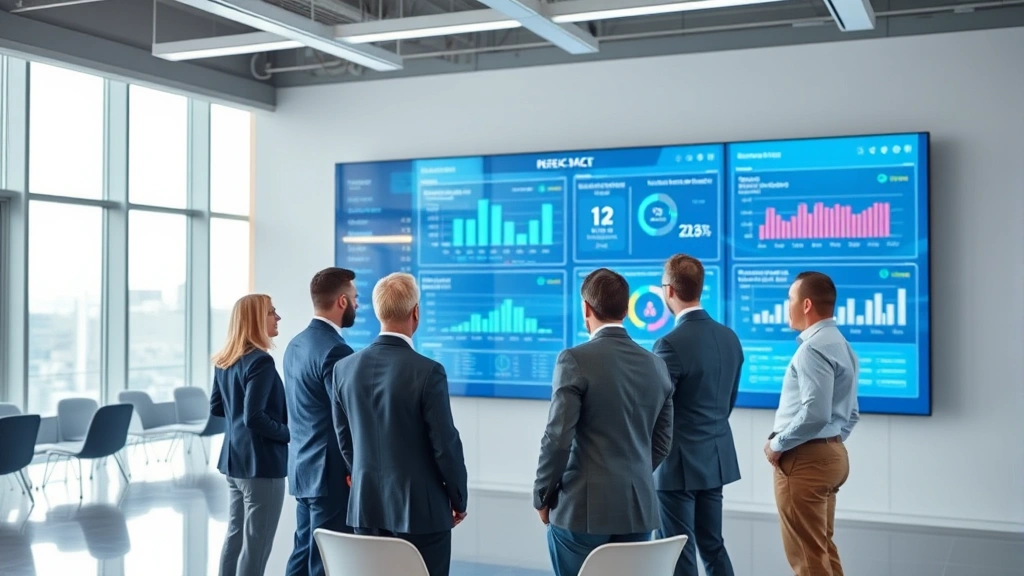
AFCEA TechNet Cyber 2025: What to Expect
The AFCEA TechNet Cyber 2025 conference represents a pivotal gathering for cybersecurity professionals, government officials, and defense contractors seeking to understand emerging threats and innovative solutions in an increasingly hostile digital landscape. As cyber threats continue to evolve at an unprecedented pace, this premier event brings together thought leaders, researchers, and practitioners to share cutting-edge insights and forge critical partnerships. The conference serves as a barometer for where the cybersecurity industry is heading, offering attendees a comprehensive view of new technologies, threat intelligence, and strategic approaches to protecting critical infrastructure.
With geopolitical tensions rising and nation-state actors becoming increasingly sophisticated, the timing of AFCEA TechNet Cyber 2025 couldn’t be more crucial. Organizations across the public and private sectors face mounting pressure to enhance their defensive posture while simultaneously managing budget constraints and talent shortages. This event provides an unparalleled opportunity to explore how artificial intelligence, zero-trust architecture, and advanced threat detection are reshaping cybersecurity strategies. Whether you’re a seasoned security architect or a newcomer to the field, understanding what AFCEA TechNet Cyber 2025 will showcase is essential for staying ahead of evolving cyber threats.
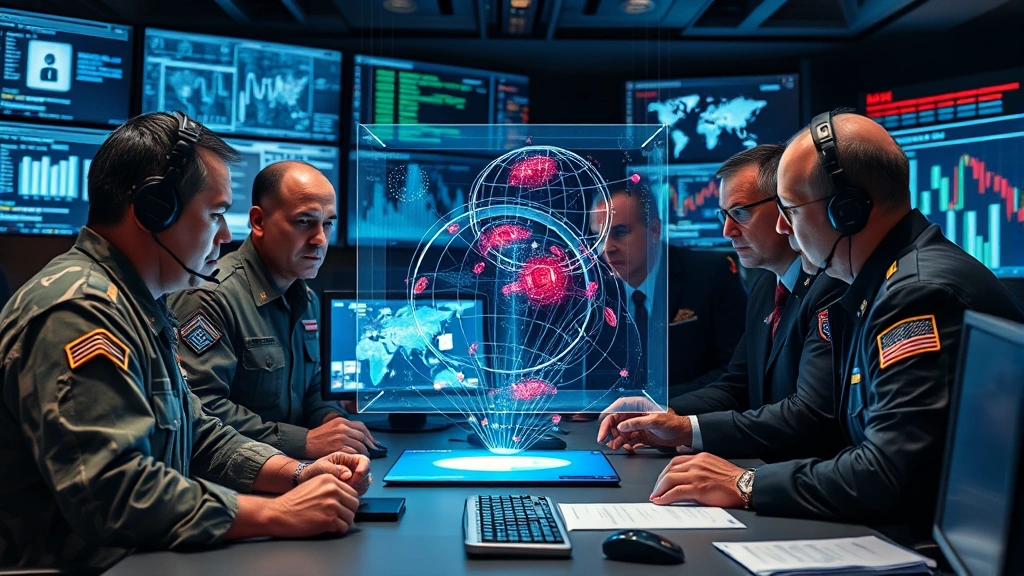
Understanding AFCEA TechNet Cyber Conference
AFCEA International, the Armed Forces Communications and Electronics Association, has established itself as a cornerstone organization connecting government, military, and industry stakeholders in the defense and cybersecurity sectors. The TechNet Cyber conference specifically focuses on the intersection of technology and national security, providing a platform for discussing sensitive defense challenges and innovative solutions. With roots extending back decades, AFCEA has built a reputation for hosting events that directly influence defense policy and procurement decisions.
The conference attracts thousands of attendees annually, including military officers, government civilians, contractors, and cybersecurity researchers. Participants range from strategic planners developing long-term security policies to hands-on engineers implementing cutting-edge defensive technologies. This diverse attendance creates a unique environment where theoretical research meets practical application, and where emerging threats can be discussed with appropriate context and clearance considerations. The event typically features keynote speakers from the highest levels of government, including representatives from the Department of Defense, the National Security Agency, and other federal agencies responsible for protecting critical infrastructure.
AFCEA TechNet Cyber 2025 will continue this tradition while adapting to the rapidly changing threat landscape. The conference organizers have signaled that this year’s event will emphasize the human element of cybersecurity alongside technological solutions. As artificial intelligence becomes increasingly prevalent in both offensive and defensive cyber operations, understanding how to maintain human oversight and ethical decision-making has become paramount. The conference will explore how organizations can build resilient security cultures while adopting advanced technologies that enhance their defensive capabilities.

Key Themes and Focus Areas for 2025
Several critical themes are expected to dominate discussions at AFCEA TechNet Cyber 2025, reflecting the current threat environment and strategic priorities of the U.S. government and allied nations. One dominant theme will be the evolving threat from sophisticated state-sponsored actors, particularly those from adversaries with advanced persistent threat capabilities. Recent cyber incidents targeting critical infrastructure have demonstrated that traditional defensive approaches are insufficient against well-resourced, determined adversaries. Conference sessions will likely examine how organizations can transition from a purely reactive posture to a more proactive, intelligence-driven approach to cyber defense.
Another major focus will be the implementation of zero-trust security frameworks across government and critical infrastructure sectors. Zero-trust represents a fundamental shift in cybersecurity philosophy, moving away from the traditional “trust but verify” model toward “never trust, always verify.” This approach requires continuous authentication, authorization, and validation of all users and devices attempting to access resources. Government agencies have mandated zero-trust adoption timelines, and AFCEA TechNet Cyber 2025 will provide extensive guidance on practical implementation strategies, including technical architecture decisions and organizational change management.
Supply chain security will receive substantial attention, as recent high-profile breaches have highlighted vulnerabilities in how software and hardware reach end users. The conference will explore strategies for vetting vendors, implementing secure development practices, and detecting compromised components before they cause damage. Organizations will learn about frameworks for assessing third-party risk and integrating supply chain security into procurement processes. This theme resonates particularly strongly with defense contractors who must meet increasingly stringent security requirements while maintaining operational efficiency.
The human dimension of cybersecurity will also be prominent, with sessions addressing insider threats, security awareness training, and building security-conscious organizational cultures. While technology receives significant attention at cybersecurity conferences, experienced practitioners recognize that human factors often represent the weakest link in security chains. AFCEA TechNet Cyber 2025 will feature discussions on how to recruit, retain, and develop cybersecurity talent in an increasingly competitive market where skilled professionals command substantial salaries.
Emerging Technologies on Display
Artificial intelligence and machine learning will undoubtedly be central to AFCEA TechNet Cyber 2025, as these technologies are reshaping both offensive and defensive cyber operations. AI-powered threat detection systems can analyze vast volumes of network data to identify anomalies that might indicate compromise, significantly improving detection times. However, attendees will also learn about adversaries using AI to enhance their attacks, from automating vulnerability discovery to generating convincing phishing content. The conference will explore how organizations can responsibly deploy AI for security while maintaining appropriate human oversight and ethical guardrails.
Quantum computing and post-quantum cryptography will feature prominently, as the potential emergence of quantum computers threatens current encryption standards. The National Institute of Standards and Technology has been developing post-quantum cryptographic algorithms, and organizations must begin planning migrations to quantum-resistant encryption. AFCEA TechNet Cyber 2025 will provide insights into cryptographic agility and how organizations can prepare for a future where quantum computing fundamentally changes the cryptographic landscape. This represents a multi-year transition that requires careful planning and substantial investment from organizations across sectors.
Advanced network security technologies, including software-defined networking and network segmentation tools, will be showcased by vendors and discussed by government practitioners. These technologies enable organizations to create granular security policies that restrict lateral movement by attackers who have gained initial network access. Cloud security solutions will also receive extensive coverage, as government agencies and contractors increasingly migrate workloads to cloud environments. Attendees will learn about securing cloud infrastructure, managing identity and access in hybrid environments, and maintaining compliance with regulatory requirements in cloud deployments.
Threat intelligence platforms and information sharing mechanisms will be highlighted as critical components of modern defense strategies. Organizations that effectively leverage threat intelligence can reduce detection times and prevent attacks before they cause damage. AFCEA TechNet Cyber 2025 will showcase how government and industry partners share intelligence through formal channels and informal networks, enabling collective defense against sophisticated threats. The conference will also address challenges in threat intelligence sharing, including classification concerns, liability issues, and ensuring that shared information provides actionable value to recipients.
Government and Defense Sector Priorities
The U.S. Department of Defense continues to elevate cybersecurity as a strategic priority, recognizing that military superiority requires dominance in cyberspace alongside traditional military capabilities. AFCEA TechNet Cyber 2025 will reflect DoD priorities, including efforts to secure military networks against persistent adversaries and to develop offensive cyber capabilities. The conference will feature discussions on how the military services are recruiting and developing cyber professionals, building a workforce capable of operating in contested digital environments. Attendees will learn about career opportunities in military cybersecurity and how the defense community is adapting to attract talent in a competitive marketplace.
Critical infrastructure protection will be another government priority prominently featured at the conference. Electric grids, water systems, transportation networks, and communications infrastructure represent essential services that adversaries might target to achieve strategic objectives. Government agencies are working to improve the security posture of critical infrastructure operators through regulatory requirements, voluntary frameworks, and direct technical assistance. AFCEA TechNet Cyber 2025 will provide insights into government initiatives to protect critical infrastructure and opportunities for private sector participation in these protective efforts.
Regulatory compliance and cybersecurity standards will be addressed extensively, as government agencies continue to establish requirements for contractors and critical infrastructure operators. The National Institute of Standards and Technology cybersecurity framework continues to evolve, and organizations must understand how regulatory changes affect their compliance obligations. Conference sessions will help attendees understand how to implement frameworks like NIST Cybersecurity Framework while maintaining operational flexibility and managing costs. Government representatives will explain how they evaluate contractor compliance and what security practices they expect from their partners.
International cooperation and allied partnerships will feature in discussions about collective defense against shared threats. As cyber threats increasingly transcend national borders, governments are working more closely with allies to share intelligence, coordinate responses, and develop common standards. AFCEA TechNet Cyber 2025 will explore how international partnerships strengthen cybersecurity and how organizations can participate in these collaborative efforts. The conference will also address challenges in international cooperation, including different regulatory regimes, classification restrictions, and varying technical standards.
Networking Opportunities and Industry Impact
One of the most valuable aspects of attending AFCEA TechNet Cyber 2025 is the networking opportunity it provides. Attendees will have access to senior government officials, military officers, and industry leaders who shape cybersecurity strategy and procurement decisions. For vendors seeking government contracts, the conference represents an invaluable opportunity to demonstrate capabilities, build relationships, and understand emerging requirements. For government and military professionals, the conference provides exposure to innovative solutions that might address their most pressing security challenges.
The vendor exhibition floor will showcase hundreds of companies offering cybersecurity products and services ranging from endpoint protection to enterprise security orchestration. Attendees can evaluate emerging solutions, compare offerings from competing vendors, and identify technologies that align with their organizational needs. Many vendors use AFCEA TechNet Cyber as a venue to announce new products and capabilities, making it an ideal place to stay current with technological developments. For those seeking to explore ScreenVibeDaily Blog resources on technology trends, this conference provides real-world insights into security technology adoption.
Speaking opportunities at AFCEA TechNet Cyber 2025 are highly competitive, with researchers and practitioners eager to share their findings with an audience of security professionals. The conference features technical tracks where presenters discuss specific security challenges and solutions, policy tracks addressing regulatory and strategic issues, and leadership tracks focused on organizational and operational concerns. Attendees can customize their conference experience by selecting sessions aligned with their interests and responsibilities, ensuring they maximize the value of their attendance.
The impact of AFCEA TechNet Cyber extends beyond the conference dates, as relationships formed at the event often lead to collaborations, partnerships, and business relationships that span years. Government agencies use the conference to identify potential contractors for new cybersecurity initiatives, while vendors use it to establish themselves as thought leaders in their respective domains. Academic researchers present findings that influence government procurement decisions and corporate strategy, demonstrating how the conference serves as a nexus where research, policy, and industry practice converge.
Preparing for the Conference
Attendees planning to maximize their AFCEA TechNet Cyber 2025 experience should prepare strategically. Begin by reviewing the conference agenda well in advance, identifying sessions most relevant to your role and responsibilities. If you’re attending as a vendor representative, schedule meetings with government and industry contacts before the conference begins. Many attendees plan their schedules weeks in advance, so early outreach increases the likelihood of securing valuable meeting slots with key decision-makers.
For government and military professionals, prepare by reviewing your organization’s cybersecurity challenges and objectives. Identify vendors and service providers that might address your most pressing needs, and plan to visit their booths during the exhibition. Consider which emerging technologies align with your organization’s strategic direction, and use the conference as an opportunity to deepen your knowledge in these areas. Many attendees find it valuable to attend sessions outside their immediate area of expertise, as cybersecurity increasingly requires cross-functional understanding.
Understand that AFCEA TechNet Cyber 2025 will include discussions of sensitive defense and intelligence matters. Some sessions may be restricted to cleared personnel or specific government agencies, so verify your eligibility to attend all sessions you’re interested in. If you require security clearance for certain sessions, initiate the clearance process well in advance of the conference. Bring business cards if you’re networking, as many attendees still prefer traditional contact exchange methods alongside digital connections.
Stay informed about cybersecurity developments in the weeks leading up to the conference. Recent threat intelligence reports, newly disclosed vulnerabilities, and recent cyber incidents will likely be discussed extensively. Review CISA alerts and advisories to understand current threat priorities, and familiarize yourself with recent high-profile cyber incidents. This preparation will help you engage more meaningfully in conference discussions and identify how emerging threats affect your organization.
Consider the conference as an investment in your professional development and your organization’s security posture. Plan to attend sessions addressing skills you want to develop or knowledge areas critical to your responsibilities. Many attendees find that the most valuable insights come from informal conversations during breaks and meals, so allocate time for networking alongside formal session attendance. Take notes during presentations and collect contact information from people you meet, following up after the conference to deepen relationships and explore potential collaborations.
FAQ
Who should attend AFCEA TechNet Cyber 2025?
AFCEA TechNet Cyber 2025 is designed for cybersecurity professionals, government officials, military personnel, defense contractors, and anyone responsible for protecting critical infrastructure or sensitive information. The conference welcomes attendees at all career levels, from entry-level professionals seeking to build cybersecurity expertise to senior leaders shaping organizational security strategy. Government employees, military officers, and cleared contractors represent significant portions of the attendance, but the conference is open to qualified professionals from all sectors.
What is the typical cost of attending?
Registration fees vary depending on your affiliation and registration timing. Government employees and military personnel typically receive discounted rates, while industry professionals and vendors pay higher fees. Early registration generally offers savings compared to on-site registration. The conference typically offers multi-day passes and single-day options, allowing attendees to customize their investment based on their schedule and interests. Check the official AFCEA website for current pricing and any special offers or discounts.
How can I network effectively at the conference?
Effective networking at AFCEA TechNet Cyber 2025 requires preparation and intentionality. Identify specific people you want to meet and reach out before the conference to schedule meetings. Attend social events and meals where informal conversations often prove more valuable than formal sessions. Join attendees at vendor booths, ask thoughtful questions, and exchange contact information. Follow up after the conference with personalized messages to people you met, referencing specific conversation topics to demonstrate genuine interest in building relationships.
What should I know about security clearances and restricted sessions?
Some AFCEA TechNet Cyber 2025 sessions address classified or sensitive defense information and are restricted to cleared personnel. If you hold a security clearance, bring your clearance verification documentation. If you don’t have clearance but wish to attend restricted sessions, contact AFCEA in advance to understand eligibility requirements. Many valuable sessions are open to all attendees, so you can still benefit from the conference even without clearance for every session.
How does the conference address emerging threats like AI-powered attacks?
AFCEA TechNet Cyber 2025 dedicates substantial programming to AI and machine learning in cybersecurity contexts. Sessions address both defensive applications of AI, such as advanced threat detection, and offensive uses by adversaries. Attendees will learn about responsible AI deployment, maintaining human oversight, and ethical considerations in security automation. The conference also covers how organizations can prepare for AI-powered attacks and develop defenses against emerging AI-enabled threats.
Are there opportunities to present research at the conference?
Yes, AFCEA actively solicits presentations from researchers, practitioners, and vendors. If you have cybersecurity research or innovative solutions to share, contact AFCEA about speaking opportunities. The submission process typically opens several months before the conference, with a competitive review process determining which proposals are accepted. Speaking at AFCEA TechNet Cyber represents a significant professional achievement and provides exposure to an audience of security decision-makers and practitioners.
How can small businesses participate in AFCEA TechNet Cyber 2025?
Small businesses can participate as vendors through the exhibition floor, as speakers presenting innovative solutions, or as attendees seeking to learn about market opportunities and establish business relationships. AFCEA recognizes the important role small businesses play in cybersecurity innovation and provides pathways for them to participate meaningfully in the conference. Small business owners should review sponsorship and exhibition options available through AFCEA to determine the participation model that best fits their goals and budget.
What resources are available for attendees after the conference?
Many AFCEA TechNet Cyber sessions are recorded and made available to registered attendees after the conference concludes. Attendees can access presentation materials, speaker contact information, and vendor information through the official conference portal. AFCEA also publishes conference proceedings and articles highlighting key themes and insights. These resources extend the value of conference attendance beyond the event itself, allowing attendees to review sessions they missed and deepen their learning on specific topics.


