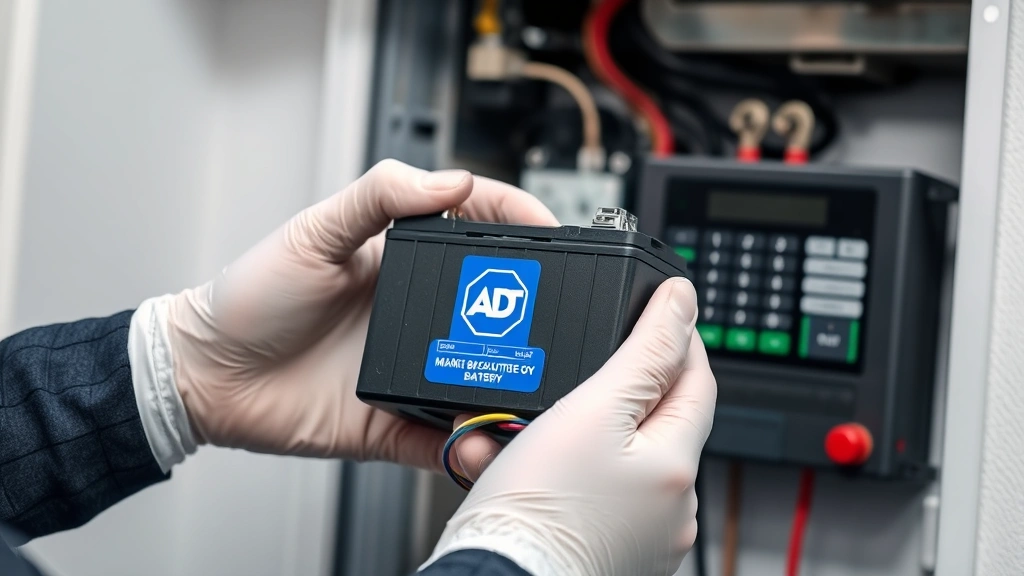
When to Replace ADT Battery? Expert Advice on Security System Maintenance
ADT security systems represent a critical layer of protection for homes and businesses, providing round-the-clock monitoring and rapid response capabilities. However, the effectiveness of your ADT system depends heavily on maintaining its backup battery in optimal condition. The battery serves as the lifeline of your security infrastructure, ensuring continuous operation during power outages, network disruptions, or emergency situations. Understanding when and how to replace your ADT battery is essential knowledge for any property owner committed to maintaining robust security.
A failing or depleted ADT battery can compromise your entire security network, leaving your property vulnerable to threats precisely when you need protection most. Whether you’re a longtime ADT customer or considering their services, knowing the signs of battery degradation and the replacement timeline will help you avoid security gaps and ensure your monitoring system functions reliably around the clock.
Understanding ADT Battery Lifespan and Performance
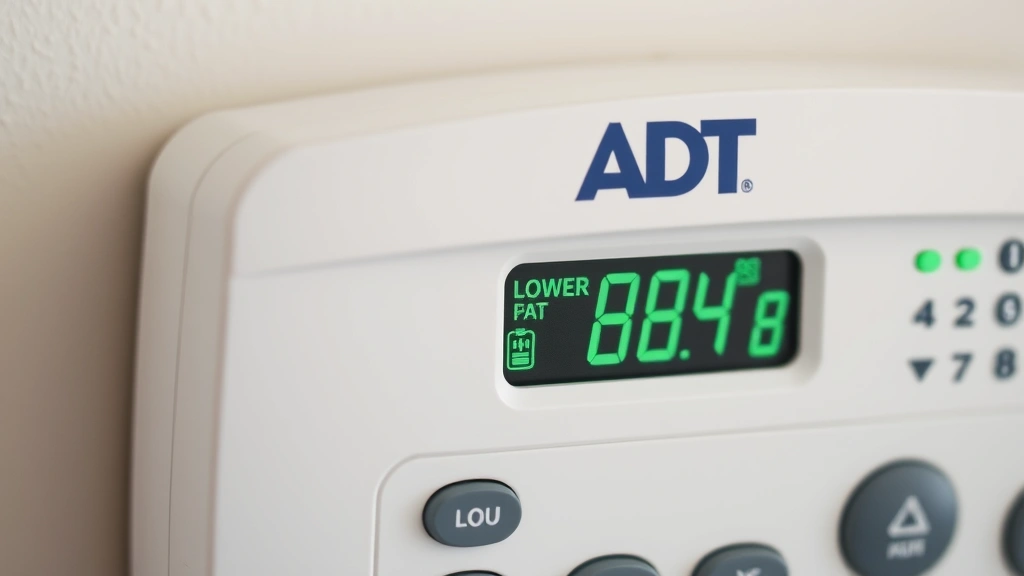
ADT security systems utilize specialized backup batteries designed to maintain system functionality during power interruptions. These batteries typically feature a lifespan of three to five years under normal operating conditions, though this timeframe can vary based on environmental factors, usage patterns, and specific system configurations. The battery capacity gradually diminishes over time through a natural chemical degradation process that affects all rechargeable battery technologies.
The primary function of your ADT battery is to ensure that your security system remains operational during power outages, allowing continuous monitoring and alert transmission to ADT’s response centers. Modern ADT systems rely on lithium or sealed lead-acid batteries, both of which have specific performance characteristics and degradation patterns. Environmental conditions such as temperature fluctuations, humidity levels, and storage conditions significantly impact battery longevity. Systems installed in climate-controlled environments typically experience longer battery life compared to those exposed to extreme temperature variations.
Regular testing and monitoring of battery health should be part of your routine security system maintenance. Many ADT systems include battery status indicators that display charge levels and alert you to potential issues. Understanding these indicators helps you stay ahead of potential failures and plan replacement activities proactively rather than reactively.
Key Warning Signs Your ADT Battery Needs Replacement
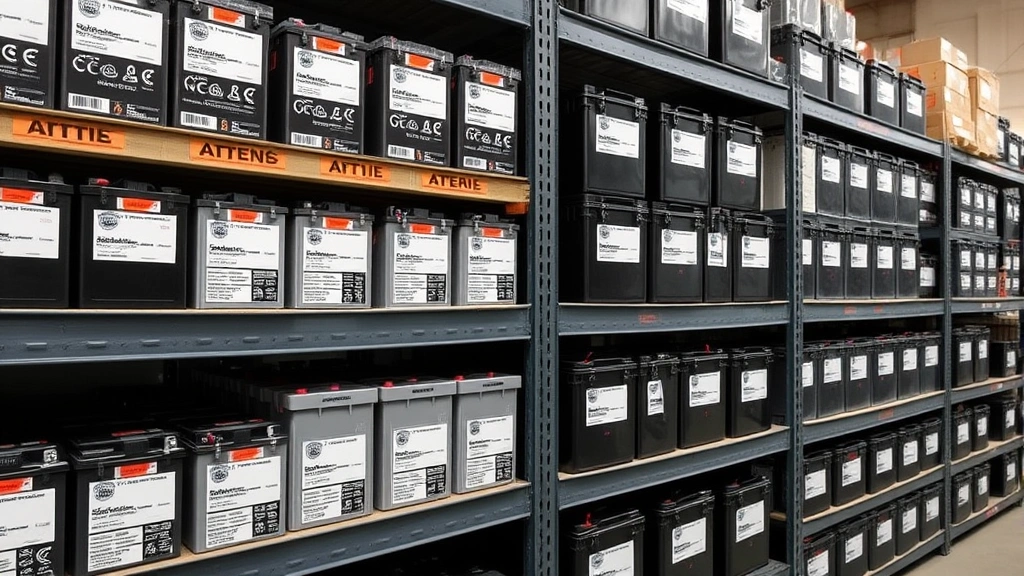
Your ADT security system will typically display several warning signs indicating that battery replacement has become necessary. The most obvious indicator is a low battery warning on your system’s keypad or mobile app, which signals that the battery charge has fallen below operational thresholds. This warning should be taken seriously, as it represents an immediate vulnerability in your security infrastructure.
Additional warning signs include:
- Frequent system beeping or chirping sounds – These audible alerts typically occur every few seconds or minutes, indicating low battery voltage
- Difficulty maintaining system power – If your system loses connection or resets frequently during normal operation, battery failure may be responsible
- Failed self-test reports – Many ADT systems run automatic diagnostics that will flag battery health issues
- System sluggishness or delayed response – Degraded batteries may cause slower processing and communication delays
- Visible battery corrosion or physical damage – Leaking, swelling, or corroded battery terminals indicate immediate replacement is necessary
- Age-based concerns – If your battery is approaching three to five years old, proactive replacement prevents unexpected failures
Some ADT systems provide detailed battery status information through their mobile apps or online portals, allowing you to monitor voltage levels and receive notifications about declining performance. Paying attention to these digital indicators helps you schedule replacement before your system experiences operational failures.
Battery Replacement Timeline and Schedule
Establishing a proactive replacement schedule is far superior to waiting for system failures to indicate battery problems. Most cybersecurity and physical security experts recommend replacing ADT batteries every three to four years, regardless of apparent condition. This preventive approach ensures your backup power remains reliable and eliminates the risk of undetected battery degradation.
If you purchased your ADT system more than three years ago, check your battery installation date immediately. Many homeowners and business owners overlook battery maintenance until problems arise, creating security vulnerabilities during critical moments. Creating a calendar reminder for battery inspection and potential replacement helps you maintain consistent security system reliability.
The replacement timeline may accelerate based on several factors. Systems that experience frequent power outages place greater demands on backup batteries, potentially shortening their effective lifespan to two to three years. Extreme environmental conditions, such as attics or basements with temperature fluctuations, can also reduce battery longevity. If your ADT system operates in such conditions, consider more frequent replacement cycles or environmental controls to protect your equipment.
For businesses relying on ADT systems for critical security functions, quarterly battery testing and annual professional inspections provide additional assurance that your backup power remains operational. This approach aligns with broader cybersecurity and physical security best practices that emphasize continuous monitoring and preventive maintenance.
Types of ADT Batteries and Specifications
ADT systems utilize several battery types depending on the specific system model and installation requirements. Understanding which battery type your system uses is essential for proper replacement and compatibility.
Sealed Lead-Acid (SLA) Batteries: These traditional batteries are commonly found in older ADT systems and some current installations. They offer reliable performance and cost-effectiveness, with typical specifications ranging from 12V to 24V and 7-10 amp-hour capacities. SLA batteries are durable and provide consistent backup power for extended outages.
Lithium-Ion Batteries: Modern ADT systems increasingly incorporate lithium-ion technology, which offers superior energy density, longer lifespan, and faster charging capabilities. These batteries typically provide better performance in temperature-variable environments and require less maintenance than traditional SLA options.
Proprietary ADT Battery Modules: Some advanced ADT systems use manufacturer-specific battery configurations designed to integrate seamlessly with their monitoring platforms. These specialized batteries may include integrated management circuits that communicate directly with your security system.
Your specific battery model and specifications are documented in your system installation materials or available through your ADT account. Never attempt to substitute incompatible battery types, as this can damage your system and void warranties. Contact your ADT service provider to verify exact battery specifications before purchasing replacements.
Professional Replacement vs. DIY Options
When your ADT battery requires replacement, you have two primary options: professional service through ADT or independent replacement. Each approach carries distinct advantages and considerations.
Professional ADT Replacement: Having ADT technicians handle battery replacement ensures compatibility, proper installation, and system verification. ADT professionals will test your entire system following replacement, confirming that backup power functions correctly and all security features remain operational. This approach maintains your system warranty and provides documentation of service completion. Professional replacement typically costs between $150-$300, depending on your location and system complexity.
Independent or DIY Replacement: Some property owners choose to purchase compatible batteries independently and perform replacement themselves. This approach can reduce costs to $50-$150 for battery purchase alone. However, DIY replacement requires technical knowledge, proper tools, and careful handling to avoid damaging sensitive security components. Improper installation can compromise your system’s functionality or create safety hazards.
Most security experts recommend professional replacement for peace of mind and system integrity, particularly for businesses where security failures carry significant consequences. For residential systems, DIY replacement may be acceptable if you’re technically confident and follow manufacturer guidelines precisely. Regardless of your choice, always document the replacement date and battery specifications for future reference.
Cost Considerations and Maintenance
ADT battery replacement costs vary based on battery type, system model, and whether you choose professional installation. Sealed lead-acid batteries typically cost $60-$150, while lithium-ion alternatives range from $100-$250. Professional installation adds $100-$150 to these costs, bringing total professional replacement expenses to $150-$400.
Some ADT service plans include battery replacement coverage, reducing or eliminating out-of-pocket costs for this essential maintenance. Review your ADT contract to determine whether battery service is included in your current plan. If not, consider whether adding battery coverage to your service agreement makes financial sense based on your system’s age and condition.
Beyond replacement costs, investing in preventive maintenance significantly extends battery life and improves system reliability. Maintaining stable environmental conditions around your ADT system, ensuring proper ventilation, and avoiding extreme temperatures helps preserve battery health. Some property owners install battery enclosures or environmental controls to optimize backup power performance.
Budget approximately $200-$400 annually for comprehensive ADT system maintenance, including battery replacement on the recommended three to four-year cycle. This modest investment protects your property and ensures your security system remains operational during emergencies when protection is most critical.
Preventive Measures to Extend Battery Life
Implementing preventive maintenance strategies significantly extends your ADT battery’s operational lifespan and improves overall system reliability. These measures complement regular replacement schedules and reduce unexpected failures.
Environmental Control: Maintain consistent temperatures around your ADT system, ideally between 60-80 degrees Fahrenheit. Avoid installing systems in attics, basements, or exterior locations subject to extreme temperature fluctuations. Proper ventilation prevents heat buildup that accelerates battery degradation.
Regular System Testing: Run monthly self-tests through your ADT system to monitor battery health and identify emerging issues. Many systems provide detailed battery status information that helps you track performance trends over time. Document test results to establish baseline performance and detect degradation patterns.
Surge Protection: Install surge protectors on your ADT system’s power supply to prevent damage from electrical surges or lightning strikes. Power surges can damage battery charging circuits and reduce battery lifespan significantly.
Proper Humidity Management: Excessive humidity can cause battery corrosion and circuit board damage. Use dehumidifiers in enclosed spaces where your ADT equipment resides, and ensure adequate airflow around battery compartments.
Professional Inspections: Schedule annual professional system inspections with ADT or qualified security technicians. These inspections identify battery issues before they impact system functionality and verify that all security features operate correctly.
Backup Power Testing: Periodically disconnect your ADT system from primary power and verify that the backup battery maintains system operation for at least 24 hours. This real-world test confirms that your backup power functions reliably during actual outages.
Implementing these preventive measures creates a comprehensive maintenance program that maximizes battery longevity while ensuring your security system remains operational when you need it most. This proactive approach aligns with professional cybersecurity and physical security best practices that emphasize continuous monitoring and preventive maintenance.
FAQ
How often should I replace my ADT battery?
Most ADT batteries require replacement every three to four years under normal operating conditions. If your system is older than three years, contact ADT to verify your battery’s age and condition. Some systems in high-demand environments or extreme conditions may need replacement every two to three years.
Can I replace my ADT battery myself?
While technically possible, professional replacement is recommended for most users. ADT technicians ensure proper installation, verify system functionality afterward, and maintain your warranty. If you choose DIY replacement, follow manufacturer guidelines precisely and document the process for future reference.
What happens if my ADT battery fails?
A failed battery compromises your system’s backup power capability, leaving your property vulnerable during power outages. Your system may display warning alerts, experience connectivity issues, or fail to transmit alerts to ADT monitoring centers. Immediate replacement is necessary to restore full security functionality.
Does my ADT service plan cover battery replacement?
Battery coverage varies by service plan. Review your ADT contract or contact your service provider to determine whether battery replacement is included. Many plans offer optional battery coverage that adds modest monthly fees but eliminates replacement costs.
How do I know if my ADT battery is dying?
Common indicators include low battery warnings on your keypad or mobile app, frequent beeping or chirping sounds, system sluggishness, failed self-tests, or visible corrosion on battery terminals. Any of these signs warrant immediate battery inspection and likely replacement.
What type of battery does my ADT system use?
Battery type depends on your specific ADT system model. Check your installation documentation or contact ADT customer service to verify your battery specifications. Never substitute incompatible batteries, as this can damage your system and void warranties.
Can extreme temperatures damage my ADT battery?
Yes, temperature extremes significantly impact battery health and lifespan. Temperatures above 85°F or below 50°F accelerate battery degradation. Install your ADT system in climate-controlled environments and avoid attics, basements, or exterior locations subject to temperature fluctuations.
Should I test my ADT battery regularly?
Yes, monthly self-tests through your ADT system help monitor battery health and identify issues early. Many systems provide detailed battery status information. Document test results to track performance trends and detect degradation patterns that indicate replacement timing.


