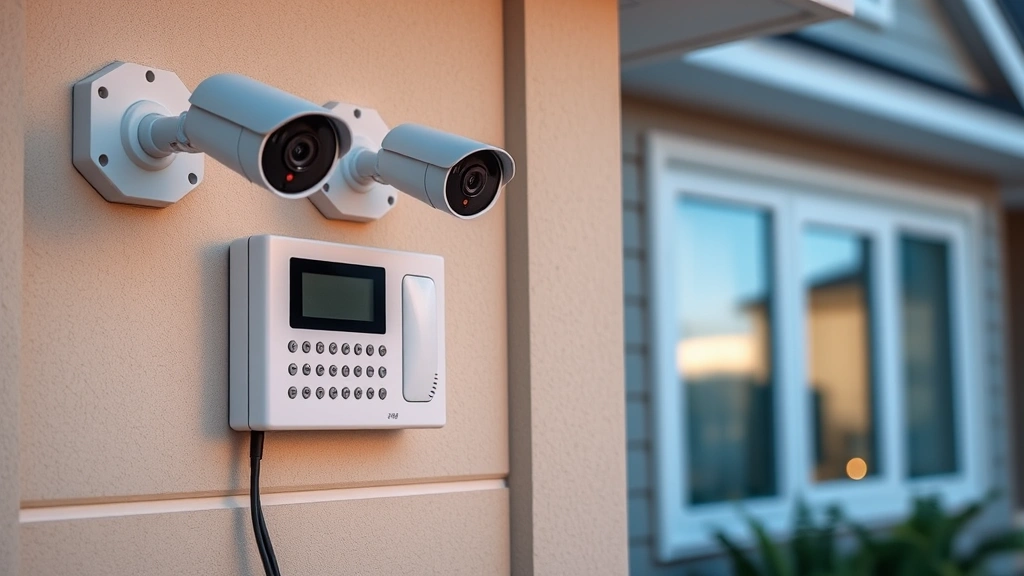
Do ADT Security Stickers Deter Thieves? Expert Insights on Home Protection
ADT security stickers have become a common sight on residential properties across North America, but their actual effectiveness in deterring criminal activity remains a subject of debate among security professionals. These visible deterrents—whether genuine ADT system indicators or third-party replicas—represent a fascinating intersection of psychological security and physical protection strategies. Understanding whether these stickers truly prevent break-ins requires examining criminal behavior, expert research, and the broader context of modern home security systems.
The question of deterrence effectiveness goes beyond simple yes-or-no answers. While security signage has long been considered part of a comprehensive protection strategy, modern thieves employ sophisticated reconnaissance techniques that may render traditional visual deterrents less effective than homeowners believe. This comprehensive guide explores the science behind security stickers, their actual impact on criminal decision-making, and how they fit into a complete home security framework.
How ADT Stickers Work as Psychological Deterrents
Security stickers function primarily through psychological principles rather than physical barriers. When potential intruders observe ADT signage on a property, they process this visual information as a warning signal—an indication that the home contains electronic monitoring systems, alarm triggers, and professional response mechanisms. This perception creates cognitive friction in the criminal decision-making process, introducing uncertainty about the risk-reward calculation of targeting that specific property.
The effectiveness of this psychological deterrent depends heavily on the perceived credibility of the signal. A weathered, professional-looking ADT sticker suggests an established security system with monitoring services, implying that any break-in attempt would trigger alerts reaching trained professionals capable of police dispatch. This mental image of consequence acts as a behavioral brake for many opportunistic criminals who prefer easy targets with minimal risk exposure.
Research from the Cybersecurity and Infrastructure Security Agency (CISA) and various criminology studies indicates that visible security measures do influence target selection among certain criminal demographics. However, the strength of this influence varies considerably based on criminal sophistication, motivation level, and the overall presentation of the property’s security posture.
Research Evidence on Security Sign Effectiveness
Academic research on security signage presents mixed but generally positive findings regarding deterrent effects. A landmark study published in the Journal of Research in Crime and Delinquency found that properties displaying security system signs experienced fewer burglaries compared to similar properties without visible security indicators. The study suggested that security signage reduces burglary risk by approximately 25-35%, though results varied based on neighborhood crime rates and other environmental factors.
However, more recent research from criminology experts suggests these numbers may be overstated. A comprehensive analysis by the RAND Corporation examining burglary prevention strategies noted that while security signage does deter some criminals, its effectiveness diminishes in areas with high crime rates or when combined with other visible vulnerabilities. The research emphasized that security stickers alone cannot compensate for inadequate locks, poor lighting, or other physical security weaknesses.
The most reliable finding across multiple studies is that security signage works best as part of a layered security approach. When combined with actual functioning alarm systems, proper lighting, and visible cameras, security stickers contribute meaningfully to deterrence. Conversely, stickers on properties with obvious vulnerabilities may actually provide false confidence that undermines genuine security measures.
Key research findings include:
- Visible security indicators reduce opportunistic burglary attempts by 20-35% in low-crime areas
- Effectiveness decreases significantly in high-crime neighborhoods where criminal motivation overrides deterrent signals
- Professional-appearing signage outperforms cheap, poorly maintained indicators
- Criminals increasingly verify system authenticity before target selection
- Combination of visible deterrents and actual systems provides strongest protection
Criminal Perspectives and Modern Reconnaissance
Understanding how modern criminals evaluate targets reveals important limitations of security stickers as standalone deterrents. Contemporary burglars employ sophisticated reconnaissance techniques that go far beyond casual observation of security signage. Many experienced criminals conduct detailed surveillance of potential targets, watching for patterns of occupancy, security system activation indicators, and response capabilities before committing to a break-in attempt.
Advanced criminal networks now utilize social media intelligence, public records searches, and even drone surveillance to evaluate properties before targeting them. An ADT sticker may deter a random opportunistic thief, but organized burglary crews conducting systematic reconnaissance are unlikely to be significantly deterred by visible signage alone. These sophisticated criminals focus on identifying genuine vulnerabilities in actual security systems rather than being influenced by psychological deterrent signals.
Additionally, the proliferation of counterfeit security stickers has degraded the signal value of these indicators. Professional criminals understand that many homeowners display fake stickers as a low-cost security measure, making the presence of signage less reliable as an indicator of actual system presence. This erosion of signal credibility means that stickers must be accompanied by authentic security infrastructure to maintain deterrent value.
Law enforcement agencies and security researchers note that the most effective crime prevention strategies address criminal motivation directly through environmental design, community presence, and consequences certainty—factors that go beyond simple visual deterrents like security stickers.
Authentic vs. Fake ADT Stickers
The market for security stickers includes both legitimate ADT-provided indicators and numerous counterfeit alternatives available through general retailers. This distinction matters significantly because criminals who conduct proper reconnaissance can often identify fake stickers through various indicators: inconsistent branding, poor print quality, outdated design elements, or mismatched signage with actual system components.
Legitimate ADT stickers typically feature:
- Professional printing quality with sharp, consistent colors
- Current ADT branding and logo designs
- Contact information matching current ADT service areas
- Proper weathering consistent with installation date
- Coordination with actual yard signs and window decals
Counterfeit or generic security stickers may display outdated designs, poor printing quality, or inconsistent branding that sophisticated criminals recognize immediately. Using fake stickers presents a particular risk: they may provide false confidence to homeowners while offering minimal actual deterrent value to criminals aware of their inauthenticity.
The ethical consideration is important here—displaying fake security indicators while lacking actual protection systems creates a deceptive security posture that may fail at critical moments. Homeowners relying solely on counterfeit stickers without genuine security infrastructure expose themselves to significant vulnerability.
Integrating Stickers into Comprehensive Security
Security professionals consistently recommend viewing ADT stickers as one component within a comprehensive, layered security strategy rather than as standalone protection. This integrated approach addresses multiple threat vectors simultaneously, creating redundancy and multiple barriers to successful intrusion.
A properly designed home security system includes:
- Visible deterrents: Professional-quality security stickers, yard signs, and visible camera housings that signal system presence
- Physical security: Reinforced entry points, high-quality locks, and environmental design that limits access opportunities
- Electronic systems: Functioning alarm systems with professional monitoring, motion sensors, and door/window contacts
- Surveillance: Visible and hidden cameras recording activity at vulnerable entry points
- Environmental controls: Proper lighting, trimmed landscaping, and neighborhood watch participation
- Behavioral security: Consistent security practices like locking doors, varying routines, and maintaining occupied appearance
When stickers are combined with these additional measures, their deterrent value increases substantially. A property displaying ADT signage while also featuring visible cameras, professional lighting, and maintained landscaping presents a significantly less attractive target than the same sticker on a property with obvious vulnerabilities.
Integration best practices:
- Ensure stickers match actual security system presence—avoid fake signage entirely
- Place stickers prominently at entry points where they’re immediately visible to potential intruders
- Combine stickers with matching yard signs for consistent messaging
- Maintain sticker appearance—replace faded or damaged signage promptly
- Support visible deterrents with functioning electronic systems and monitoring services
- Implement environmental design changes that reinforce security messaging
Best Practices for Maximum Deterrent Impact
Maximizing the effectiveness of security stickers requires attention to placement, presentation, and supporting security measures. Professional security consultants recommend strategic positioning of signage to ensure maximum visibility while maintaining aesthetic appropriateness for residential properties.
Optimal placement includes front-facing entry points where potential intruders first approach the property, typically near main doors and prominent windows. Multiple stickers at different entry points reinforce the message of comprehensive coverage. Window decals should be positioned at eye level where they’re immediately noticeable, while yard signs should be placed near property boundaries where they’re visible from the street.
The presentation quality matters significantly for deterrent effectiveness. Professional-grade stickers with current branding, consistent colors, and proper installation convey legitimacy and ongoing system maintenance. Faded, peeling, or poorly installed stickers may suggest an outdated or neglected security system, potentially reducing their deterrent value.
Complementary measures that enhance sticker effectiveness include:
- Visible cameras: Position camera housings (functional or dummy) at entry points to reinforce security messaging
- Professional lighting: Install motion-activated lights at entry points, demonstrating investment in security infrastructure
- Landscape maintenance: Keep bushes and trees trimmed to eliminate hiding spots and sightlines for reconnaissance
- Consistent signage: Coordinate sticker placement with matching yard signs and window decals for unified messaging
- Actual system presence: Maintain functioning alarm systems with visible sensors and control panels
- Community engagement: Participate in neighborhood watch programs that amplify security messaging
Research from security professionals at NIST (National Institute of Standards and Technology) emphasizes that the most effective security strategies combine visible deterrents with actual protective systems and community awareness. This multi-layered approach addresses both the psychological and practical dimensions of home protection.

Advanced considerations for modern threats include recognizing that contemporary criminals may conduct reconnaissance through multiple channels—social media, public records, drone surveillance, or in-person observation. Security stickers address only the in-person observation component of this reconnaissance process. A comprehensive security strategy must also consider digital privacy, information security, and behavioral patterns that criminals might exploit regardless of visible signage.
The integration of smart home security systems with visible traditional signage creates particularly effective deterrence. Modern systems allowing remote monitoring, smartphone alerts, and cloud-based recording provide actual protective capabilities that authentic ADT stickers accurately represent. The combination of credible signage with genuine technological protection creates substantial barriers to successful intrusion.
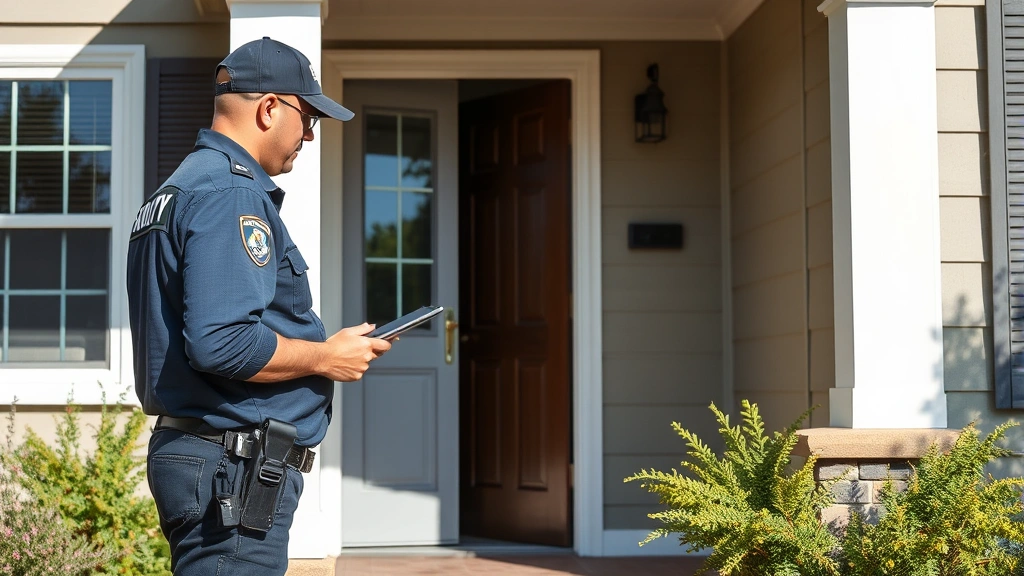
Homeowners should regularly evaluate their security posture by conducting self-assessments from a potential intruder’s perspective. Walk around your property observing what a stranger would see—visible entry points, security signage, lighting quality, landscaping that provides concealment, and any obvious vulnerabilities. This exercise reveals whether security stickers are effectively integrated into a comprehensive strategy or standing alone as inadequate protection.
FAQ
Do ADT stickers actually deter burglars?
Yes, ADT stickers do deter some burglars, particularly opportunistic criminals seeking easy targets. Research suggests 20-35% reduction in burglary attempts in low-crime areas. However, effectiveness varies significantly based on criminal sophistication, neighborhood crime rates, and whether stickers represent actual functioning systems. Professional burglary crews conducting systematic reconnaissance are less likely to be deterred by signage alone.
Can criminals tell if ADT stickers are fake?
Experienced criminals can often identify fake security stickers through poor print quality, outdated branding, inconsistent design elements, or mismatches with actual system components. The proliferation of counterfeit stickers has degraded their signal value, making authenticity important for deterrent effectiveness. Sophisticated criminals conducting proper reconnaissance specifically verify whether signage represents genuine systems.
Should I use fake security stickers if I can’t afford a real system?
Security professionals generally recommend against fake stickers because they provide false confidence while offering minimal actual protection. If genuine ADT systems aren’t affordable, consider more cost-effective alternatives like basic alarm systems, visible cameras, improved locks, and lighting—which provide actual protection. Combining these genuine measures with professional-quality signage creates credible deterrence without deception.
What’s the best placement for security stickers?
Position stickers prominently at entry points where potential intruders first approach—near main doors, prominent windows, and property boundaries. Multiple stickers at different entry points reinforce comprehensive coverage messaging. Window decals should be at eye level, yard signs near property boundaries where visible from the street. Ensure stickers are clean, professional-appearing, and properly installed.
Are security stickers enough for home protection?
No, security stickers should be one component within a comprehensive layered security strategy including physical security (reinforced locks, doors), electronic systems (functioning alarms with monitoring), surveillance (visible cameras), environmental controls (lighting, landscaping), and behavioral security (consistent practices). Stickers alone cannot compensate for other vulnerabilities and work most effectively when supporting actual protective systems.
Do modern burglars use social media to target homes?
Yes, contemporary criminals increasingly use social media, public records, and other digital reconnaissance methods to identify targets. They observe vacation announcements, absence patterns, high-value item mentions, and property information before physical reconnaissance. This means security strategies must address digital privacy and behavioral patterns alongside physical deterrents like security stickers.
How often should I replace security stickers?
Replace stickers when they become faded, peeling, or damaged—typically every 3-5 years depending on weather exposure. Faded signage may suggest outdated or neglected systems, reducing deterrent effectiveness. Professional-appearing, well-maintained stickers convey current system presence and ongoing security investment, enhancing their psychological impact on potential intruders.


