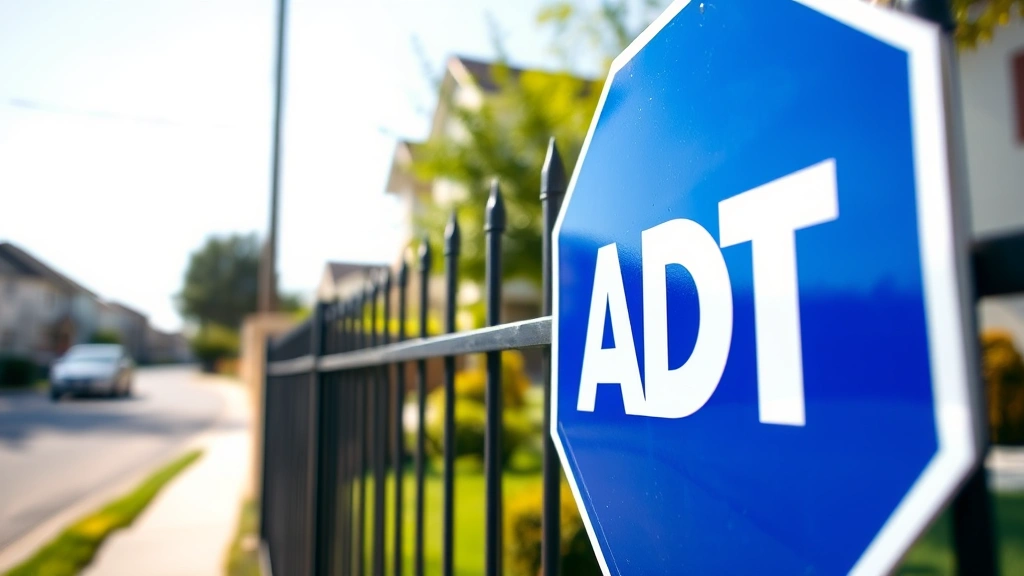
ADT Security Sign: Effective Deterrent or Not?
When it comes to home security, visible deterrents play a crucial psychological role in preventing break-ins and unauthorized access. The ADT security sign—that distinctive blue and white yard sign bearing the company’s logo—has become one of the most recognizable security markers in residential neighborhoods across North America. But does it actually work? Or is it merely a false sense of security that criminals have learned to ignore? This comprehensive analysis examines whether ADT security signs serve as legitimate theft deterrents or if they’re simply marketing tools with minimal protective value.
The effectiveness of security signage depends on multiple factors: criminal psychology, local crime patterns, actual system presence, and the sophistication of modern theft tactics. Understanding these variables helps homeowners make informed decisions about their security strategy. Whether you’re considering ADT services or already have a sign posted, this guide will help you evaluate its true protective capacity in today’s threat landscape.
How Security Signs Work as Psychological Deterrents
Security signage operates on a fundamental principle of criminal psychology: increasing perceived risk and effort discourages opportunistic theft. When a potential intruder sees a visible security sign, they process several subconscious calculations: the property likely has monitoring systems, response times may be faster, and consequences for trespassing increase dramatically. This cognitive load shifts the criminal’s cost-benefit analysis toward easier targets.
The psychology behind deterrence relies on three core elements: certainty, severity, and celerity (speed of consequence). A visible ADT sign suggests that all three factors are present—certainty of detection, severity of police response, and swift intervention. However, this only works if criminals believe the sign represents an actual, functional system rather than abandoned equipment or pure bluffing.
Research from the Cybersecurity and Infrastructure Security Agency (CISA) emphasizes that visible security measures create a “hardened target” perception. Properties that appear defended require more planning, more risk, and more skill to breach—factors that deter the vast majority of burglars who seek quick, easy scores. The ADT sign essentially communicates: “This property has been actively secured by a professional monitoring service.”
Understanding security fundamentals through reputable resources helps homeowners recognize that deterrence is just one layer of a comprehensive protection strategy. Psychological barriers work best when combined with physical and technical security measures.

The ADT Brand and Market Presence
ADT (originally American District Telegraph) is one of North America’s largest security service providers, with over 140 years of operational history. The company’s ubiquitous blue-and-white signage has achieved extraordinary brand recognition—studies show that 8 out of 10 homeowners can identify an ADT sign on sight. This massive market penetration actually amplifies the sign’s deterrent value through sheer familiarity and association with professional security infrastructure.
The prevalence of ADT signs creates a paradox: because so many homes display them, criminals cannot easily distinguish between protected and unprotected properties. A neighborhood saturated with ADT signs becomes statistically less attractive to burglars, as the risk-reward calculation deteriorates across the entire area. However, this same ubiquity means that displaying an ADT sign without actual service offers minimal protection, as experienced criminals know that many signs represent dormant accounts or previous tenants’ equipment.
ADT’s market dominance translates to approximately 6 million monitored customers in North America. This scale means that actual ADT system responses occur frequently enough that the brand maintains credibility among law enforcement and criminal populations alike. When a burglar sees an ADT sign, they’re aware that this particular company has significant resources, rapid response capabilities, and documented success rates in catching offenders.
Research on Security Sign Effectiveness
Academic research on security sign effectiveness presents nuanced findings. A landmark study by the National Institute of Justice (NIJ) examined 300 burglaries and found that visible security measures, including signage and alarm system stickers, reduced burglary risk by approximately 60% when combined with other deterrents. Notably, signs alone—without accompanying physical security—showed only 23% effectiveness.
The University of North Carolina’s criminology department conducted research on burglar target selection and discovered that environmental perception heavily influences criminal decision-making. Properties displaying security signage were selected for burglary at significantly lower rates than unmarked properties, even in high-crime neighborhoods. However, the study also revealed that burglars with prior surveillance knowledge easily distinguished between active and inactive systems.
Additional research from security firms indicates that the deterrent effect varies dramatically by neighborhood. In affluent areas with consistent security presence, ADT signs reduce break-ins by up to 70%. In economically disadvantaged neighborhoods with high crime rates and gang activity, the same signs show only 15-20% effectiveness. This disparity reflects how criminal sophistication and desperation override psychological deterrents in certain contexts.
A critical finding across multiple studies: the sign’s effectiveness decays significantly after 6-12 months if the property remains untouched. Burglars interpret this as evidence that the system may be inactive or that the property has no valuable targets. Regular maintenance of signage appearance and integration with visible security cameras maintains deterrent credibility.
Criminal Psychology and Visible Deterrents
Understanding how criminals evaluate targets reveals why ADT signs work for some properties but fail for others. Professional burglars employ systematic surveillance techniques: observing resident patterns, identifying vulnerable entry points, assessing lighting and visibility, and evaluating security infrastructure. The ADT sign is merely one data point in their comprehensive threat assessment.
Opportunistic burglars—who represent approximately 70% of residential break-ins—operate with minimal planning and make rapid target decisions. For this population, visible security signage dramatically increases deterrence. These criminals seek quick scores with minimal resistance and will move to the next property rather than engage with a protected residence. The ADT sign’s psychological impact works most effectively against this group.
Conversely, professional burglars conduct extensive reconnaissance and may use social engineering to verify whether a security system is actually active. They might call the property claiming to be from ADT, check public records for system registration, or observe whether the sign shows weathering and age. These sophisticated offenders treat visible signage as just another variable to assess rather than an absolute deterrent.
Research on criminal decision-making patterns shows that perceived certainty of apprehension matters more than severity of punishment. An ADT sign increases perceived certainty, which explains its deterrent value. However, when criminals believe they can circumvent the system through timing, technical knowledge, or inside information, the sign loses its psychological impact entirely.
Gang-related and organized property crimes operate under different calculus entirely. These criminal enterprises target specific properties for reasons unrelated to security difficulty—they may be seeking specific items, conducting territorial control, or acting on personal grievances. In these contexts, ADT signs provide virtually no deterrent effect.
Limitations and Vulnerabilities of Signs Alone
The most significant limitation of ADT security signs is their existence without corresponding system functionality. A sign without an actual monitored system represents pure bluff—and experienced criminals quickly identify these properties through various reconnaissance techniques. This creates a credibility problem: once a burglar tests an ADT sign and finds no response, they spread this information through criminal networks, diminishing effectiveness for legitimate customers in that area.
Signs also provide no protection against insider threats, family member theft, or crimes of passion. Many residential burglaries involve people with legitimate access to the property—contractors, service workers, former partners, or relatives. The ADT sign means nothing to someone who already knows the property layout and security system vulnerabilities.
Environmental factors severely limit sign effectiveness. Properties with poor lighting, overgrown vegetation, or isolated locations may still display ADT signs that criminals ignore because they perceive the overall environment as high-opportunity regardless of monitoring claims. A sign in a dark alley provides less deterrent value than the same sign in a well-lit, visible location.
Technical vulnerabilities also undermine sign-only security. Modern burglars understand that alarm system signals can be jammed, phone lines can be cut, and cellular backup systems can be exploited. A sign advertising a system that uses outdated technology (landline-only monitoring, for example) may actually attract sophisticated criminals who know how to defeat it. This paradoxically makes the property appear more vulnerable than an unsigned property.
Seasonal variations affect sign effectiveness as well. Properties with signs that appear abandoned during winter months—no lights, no vehicle movement, uncovered windows—signal easy targets despite the security signage. The sign becomes contradictory evidence: “This property is monitored, yet it appears unoccupied for weeks.” Criminals interpret this as a system that won’t be tested.
Combining Signs with Actual Security Systems
The most effective security strategy integrates ADT signage with an actual, functional monitored system that includes multiple detection layers. When a property has both visible deterrents and real protective infrastructure, the sign gains credibility and the system gains operational advantage. Burglars who see the sign and bypass it anyway trigger actual alarms and police response.
Comprehensive systems combine several elements that amplify the sign’s effectiveness: 24/7 professional monitoring, motion sensors, door and window contacts, glass break detectors, and visible cameras. Each component works synergistically. The ADT sign advertises the system’s presence, the cameras provide visual deterrence and recording capability, and the monitoring service ensures rapid response to actual breaches.
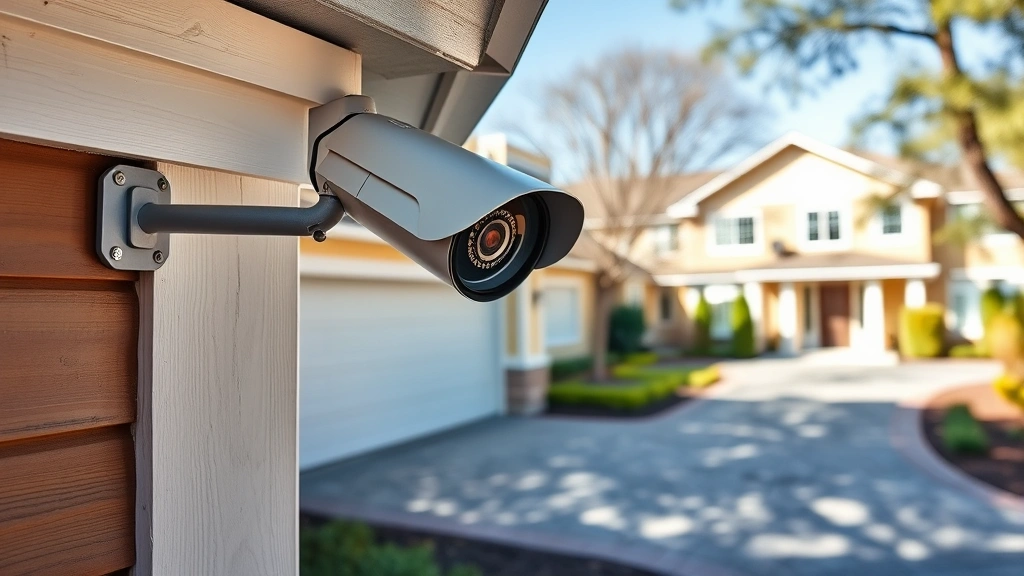
Video surveillance particularly enhances sign effectiveness because cameras provide both deterrence (criminals avoid being recorded) and evidence (police have footage for investigation and prosecution). A property displaying an ADT sign alongside visible security cameras sends a powerful combined message: “This property is monitored, recorded, and protected by a professional service.”
Smart home integration adds another layer of credibility to ADT signage. When systems include smart locks, remote monitoring apps, and mobile alerts, they demonstrate current technology and active engagement with security. Burglars recognize that modern systems are harder to defeat than legacy equipment, making the sign’s promise more convincing.
The timing of system installation relative to sign placement also matters. Properties with recent system installation show fresh signage and active engagement, increasing perceived credibility. Conversely, faded, weathered signs suggest outdated systems or inactive accounts, reducing deterrent value. Maintaining visible security infrastructure requires regular attention and updates to preserve psychological impact.
Modern Threats to Sign-Only Security
Contemporary criminal tactics have evolved to render traditional security signage less effective than in previous decades. Organized retail crime, package theft gangs, and coordinated burglary networks operate with intelligence gathering that bypasses simple visual deterrents. These groups conduct extensive reconnaissance, use technology to identify monitoring weaknesses, and coordinate timing to maximize opportunity windows.
Package theft—one of the fastest-growing property crimes—largely ignores security signage. Thieves specifically target properties during delivery windows, knowing that monitoring systems focus on perimeter security rather than porch surveillance. An ADT sign means nothing to someone who steals a package in 90 seconds while a delivery driver is present.
Social engineering attacks have become increasingly sophisticated. Criminals posing as security system technicians, utility workers, or service providers gain access to properties to assess actual security configurations. They may even photograph the interior to identify safe locations, camera blind spots, and system components. The ADT sign actually helps these criminals by confirming that the property has a system worth compromising.
Technical exploitation methods have advanced dramatically. Signal jamming, cellular network spoofing, and alarm system protocol hacking allow sophisticated criminals to neutralize security systems without triggering alarms. A property with an ADT sign may actually attract these technical specialists who view it as a challenge worth tackling.
Surveillance technology available to criminals now rivals professional-grade equipment. Criminals can identify camera types, determine monitoring patterns, and locate system vulnerabilities through visual inspection alone. An ADT sign that appears alongside outdated camera models or poor placement strategies signals an exploitable target to technically proficient burglars.
The rise of organized theft networks operating across multiple states means that local reputation and deterrence matter less than in previous eras. A professional burglary crew from another state won’t be influenced by local knowledge about ADT’s response effectiveness—they operate on technical assessment and timing calculations rather than brand recognition.
Best Practices for Maximizing Deterrent Value
If you choose to display an ADT security sign, maximize its effectiveness through strategic placement and complementary measures. Position the sign prominently at the main entrance, where it’s visible to anyone approaching the property. Ensure the sign is well-lit at night, clean, and undamaged. A weathered, faded sign suggests an inactive system and reduces deterrent value dramatically.
Combine the sign with visible security cameras positioned to cover all entry points and blind spots. Burglars specifically look for camera coverage gaps; obvious security cameras amplify the sign’s message by proving that monitoring is actually in place. Ensure cameras are modern-looking and functional-appearing—dummy cameras provide no real protection and may reduce credibility if discovered.
Maintain consistent environmental cues that suggest active occupancy and engagement. Properties with regular lighting patterns, vehicle presence, and maintained landscaping appear more actively protected than abandoned-looking residences. These environmental factors work synergistically with the ADT sign to create a comprehensive deterrent profile.
Implement layered security that includes motion-activated lighting, reinforced entry points, and visible locks. Each layer makes the property appear progressively more difficult to breach, forcing criminals to invest more time and effort. The ADT sign becomes credible when supported by obvious physical security measures.
If you have an actual ADT system, ensure it’s configured for optimal response. Modern systems should include cellular backup (not landline-only), 24/7 professional monitoring, and mobile app alerts. These features make the sign’s promise authentic and increase the likelihood of actual deterrence through real consequences.
Consider supplementary signage from other security vendors or local police programs. Properties displaying multiple security messages create cumulative psychological impact. Some jurisdictions offer free “Neighborhood Watch” signs or police-endorsed security program markers that amplify deterrent effectiveness when combined with commercial system signage.
Maintain the sign properly by replacing it every 2-3 years, keeping it clean, and ensuring surrounding landscaping doesn’t obscure it. A neglected sign suggests a neglected security system, reducing credibility with both potential criminals and legitimate visitors who might be concerned about property security during transactions.
Document your security measures—photos, system certificates, monitoring confirmations—for insurance purposes and law enforcement cooperation. This documentation proves that your ADT sign represents actual protection rather than false advertising, which matters significantly if crimes do occur and investigations follow.
FAQ
Do ADT security signs actually prevent break-ins?
ADT security signs reduce burglary risk by approximately 23-70% depending on context, neighborhood crime rates, and whether an actual system backs the sign. Signs alone without functional systems provide minimal protection. Research shows signs work best when combined with actual monitored systems, visible cameras, and strong environmental security indicators. In high-crime areas with organized criminal activity, sign-only deterrence is largely ineffective.
Can burglars tell if an ADT sign represents an active system?
Experienced burglars can identify inactive systems through surveillance observation, social engineering, and environmental assessment. They look for weathered signage, outdated equipment appearance, absence of cameras, poor lighting, and signs of property abandonment. Professional criminals may even call the property or check public records to verify system status. The sign’s credibility depends entirely on supporting evidence of active security infrastructure.
Is displaying an ADT sign without service illegal?
In most jurisdictions, displaying security signage without corresponding service is not explicitly illegal, but it may violate local consumer protection laws regarding false advertising or deceptive practices. Some municipalities have specific ordinances against false security claims. More importantly, displaying a sign without service undermines the entire neighborhood’s security perception and may trigger legal liability if crimes occur that could have been prevented by actual monitoring.
What’s the difference between ADT signs and DIY security signs?
ADT signs carry brand credibility from the company’s 140-year history and 6 million monitored customers. Criminals recognize the ADT brand as representing professional monitoring and rapid response. DIY or generic security signs provide less psychological impact because they lack this established reputation. However, combining DIY systems with professional signage can still provide significant deterrent value if the underlying system is actually functional and monitored.
Should I display a security sign if I don’t have a system?
Security experts generally advise against displaying signs without corresponding systems. Beyond potential legal issues, false signage reduces neighborhood credibility once criminals discover the deception. The property becomes marked as a target for sophisticated burglars who know the sign is bluffing. Instead, invest in actual security measures—even basic monitored systems cost less than the average burglary loss and provide real protection rather than false comfort.
How often should I replace my ADT security sign?
Replace security signage every 2-3 years or whenever it shows visible weathering, fading, or damage. Faded signs suggest outdated or inactive systems, reducing deterrent value. Regular replacement demonstrates active engagement with security and maintains psychological impact. Signs that appear neglected undermine the credibility of your entire security infrastructure and may actually attract criminals who interpret poor maintenance as signs of an inactive system.
Can ADT signs increase my home’s resale value?
Homes with documented security systems (not just signs) typically sell faster and at slightly higher prices—approximately 2-5% premium depending on market and buyer demographics. However, the sign alone provides no value; the underlying system must be functional and transferable. Buyers specifically want evidence of professional monitoring, equipment quality, and system maintenance history. A sign without these supporting factors may actually concern buyers about previous security breaches or system failures.
What’s the best combination of security measures with ADT signs?
The most effective combination includes: actual ADT monitored system with cellular backup, visible security cameras covering all entry points, motion-activated lighting, reinforced doors and locks, regular landscape maintenance, consistent lighting patterns suggesting occupancy, and modern smart home integration. This layered approach creates multiple deterrent points that work synergistically. Each element amplifies the others’ effectiveness, creating a comprehensive security profile that deters both opportunistic and professional criminals.


